
Quick Reads
Bystander Effect: How willingly would you help someone in need?

Will the probability of getting helped increase with more people around? The Bystander effect tells you otherwise.
What would you do if you are stuck in a problem (maybe an accident) on a busy road?
Would you feel lucky to be on a busy road as you can expect help from more people? Do you think that the presence of more people around increases your chances of getting help? Well! You might be wrong about your assumption.
On 13th March 1964, a 28 year old woman (Kitty Genovese) was raped and brutally stabbed outside her apartment by Winston Moseley. All this happened while 38 people heard her screams and did nothing as reported in the New York Times. So, were all 38 people too scared to help? Or they all were not moral enough to care?

The diffusion of Responsibility –
The murder of Kitty Genovese sparked curiosity of social psychologists John Darley and Bibb Latane who later published their study “Bystander Apathy” in the “American Scientist”. They did numerous experiments on people and found out about the Bystander phenomenon. According to which, if there are more people present in the area where somebody needs help, an individual is less likely to help the victim and even if people help, they are not quick in their response. This is called the “Diffusion of Responsibility”
If there are more people around an individual will feel less sense of responsibility and high uncertainty while making a decision.
But! Here’s a twist
Regarding the murder case of Kitty Genovese, it was later revealed that the numbers were over exaggerated and were not properly checked before publishing. And there was no evidence of 38 people being present near the crime scene and being inactive. Sophia Farrar who lived across the hall from Genovese came for her help, despite the potential danger. She yelled for neighbours, called for police and medical aid. But then, why did people act in favour of the Bystander Effect during the experimentation of John Daley and Bibb Latane?
The answer was/is “Uncertainty”. (Also because Bystander Effect is a real thing). Uncertainty about results and uncertainty about the consequences. So, How to ask for help on a busy road? By sparking the sense of responsibility in them or by eliminating the diffusion of responsibility. For that to happen, call for specific people to help. Because they are not immoral, they are just uncertain. And when it comes to your turn to help, do not hesitate to step out of uncertainty and step into a necessary trouble.
Also Read – How Cartoons became a medium of Allied Propaganda during the Second World War?
Follow – Dis_cultured
Fashion
Most Stylish Social Media Stars: Digital Fashion Icons Defining 2026
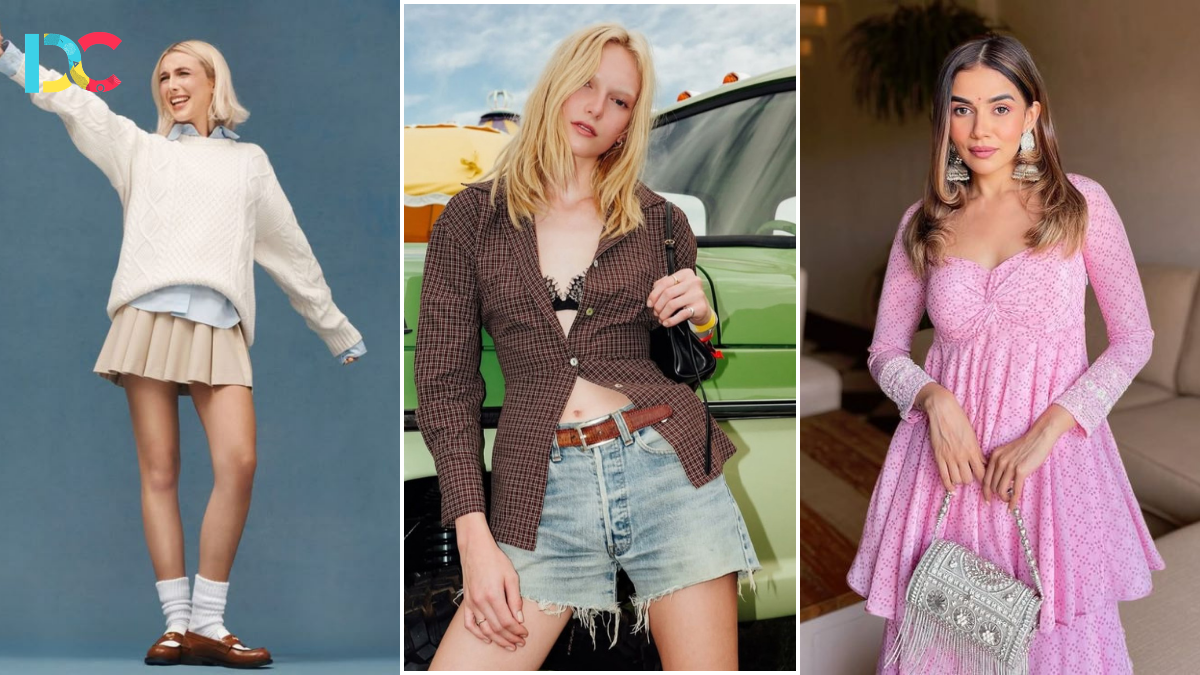
Social media has completely changed the way fashion trends begin and spread. Runways and magazines are no longer the only places where people discover new looks. Today, Instagram fashion icons, TikTok style creators and YouTube personalities can turn an ordinary outfit into a global trend within hours.
The most stylish social media stars are not simply wearing expensive clothes. They are experimenting with silhouettes, combining luxury fashion with affordable pieces and developing personal aesthetics that their followers can recognise instantly.
From dramatic menswear and vintage-inspired outfits to DIY couture and modern Indian fashion, these are some of the best-dressed social media influencers shaping online style in 2026.
1. Wisdom Kaye
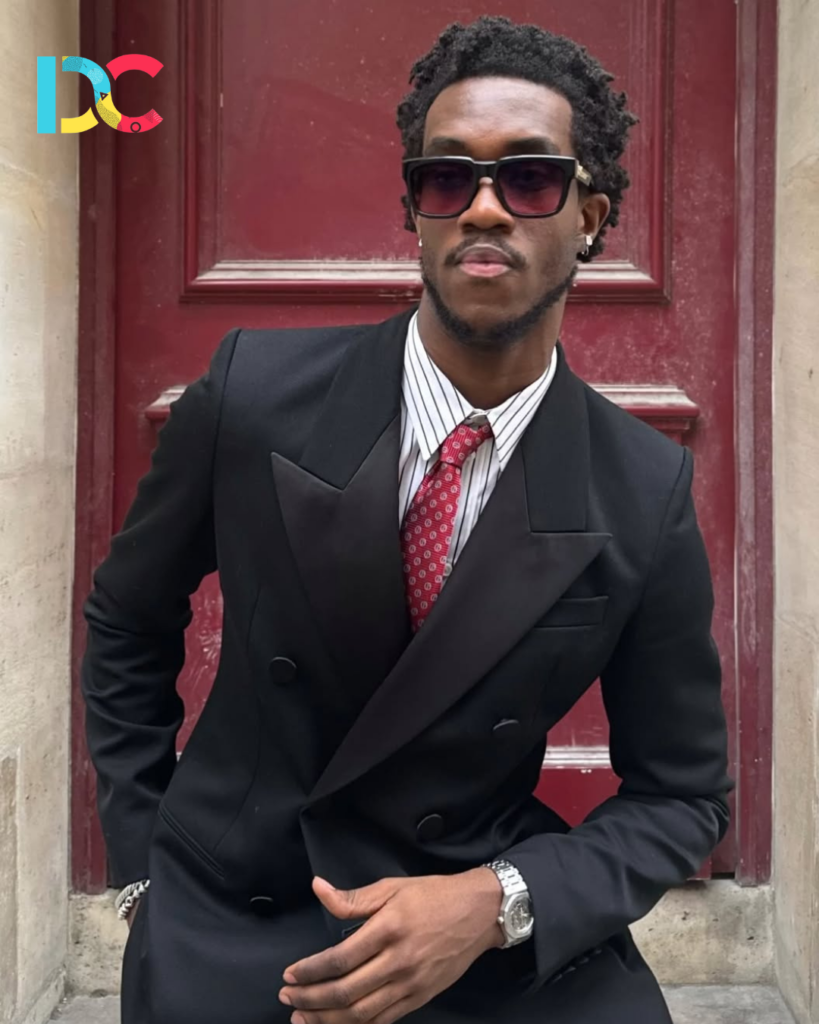
Wisdom Kaye has transformed short-form fashion content into a form of visual storytelling. Known for his dramatic silhouettes, statement tailoring and futuristic styling, he creates outfits that often look like they belong in a fashion campaign or fantasy film.
His ability to combine runway fashion, vintage references and experimental menswear has made him one of the most stylish TikTok creators. Instead of simply presenting clothes, he builds an entire mood around each outfit.
2. Emma Chamberlain
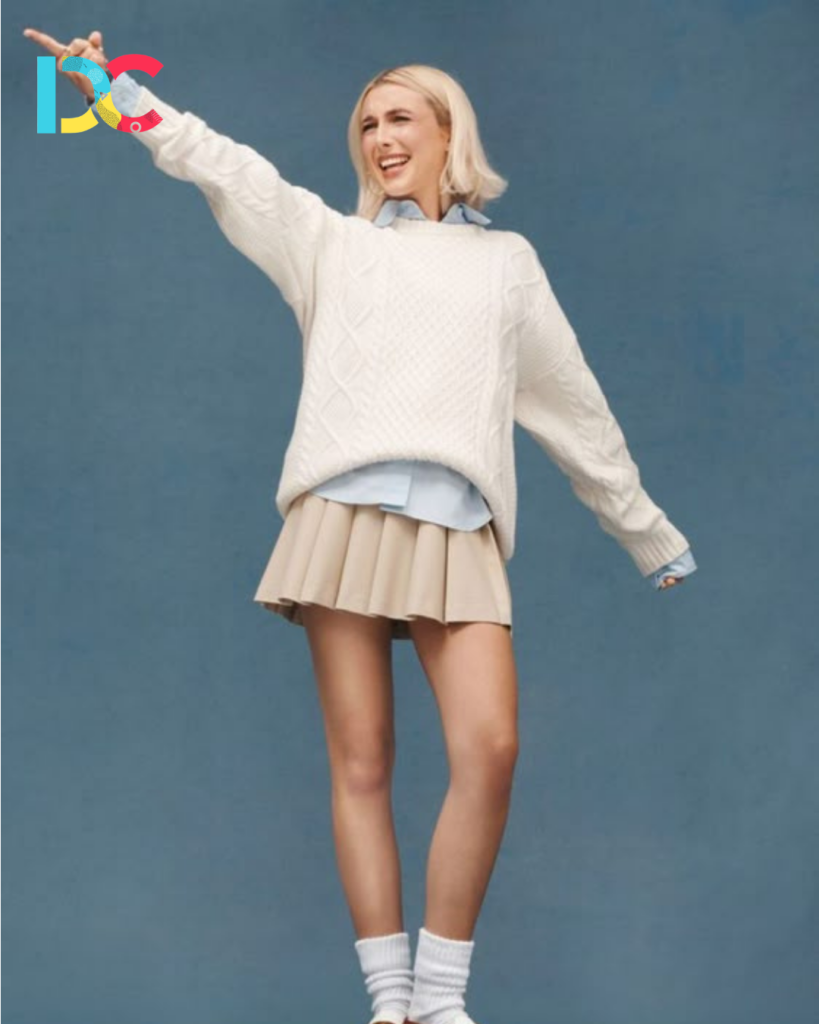
Emma Chamberlain’s fashion journey reflects how personal style can evolve naturally. Her earlier content featured thrift-store discoveries, comfortable basics and intentionally imperfect outfits. Over time, she has blended that relaxed approach with luxury fashion and red-carpet dressing.
What makes her influential is the way she makes high fashion feel less formal. Vintage denim, loafers, oversized jackets and simple accessories remain central to her wardrobe, even when she is attending major fashion events.
3. Nancy Tyagi

Nancy Tyagi has emerged as one of the most exciting Indian fashion influencers by creating elaborate outfits with her own hands. Her videos take viewers through the entire process, from sourcing fabric in local markets to cutting, stitching and presenting the final design.
Her success represents a new form of fashion influence built around creativity rather than access to expensive brands. Nancy’s self-designed gowns and experimental silhouettes have demonstrated that originality can attract global attention.
4. Komal Pandey
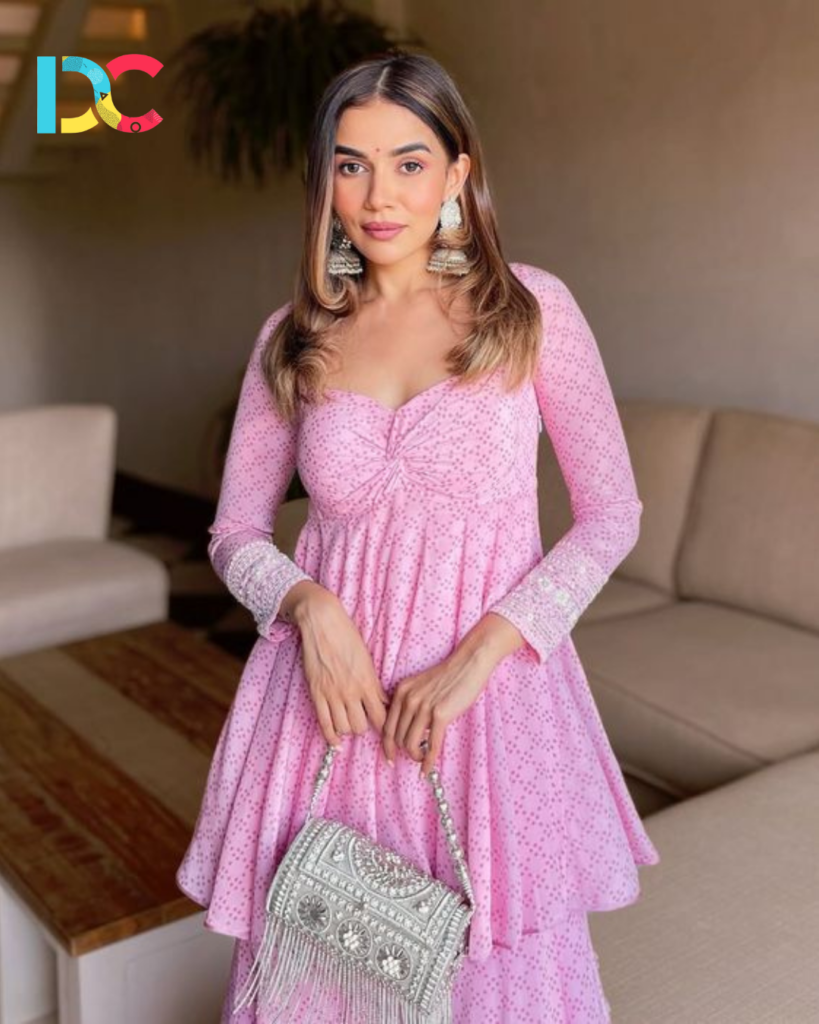
Komal Pandey is known for turning everyday clothing into expressive editorial looks. A blouse may become a layered top, a saree may be styled with unexpected accessories and a basic dress may be transformed through belts, jewellery and creative draping.
Her content encourages followers to look at their wardrobes differently. Rather than constantly buying new clothes, she often demonstrates how one garment can be styled in several distinctive ways.
5. Bretman Rock
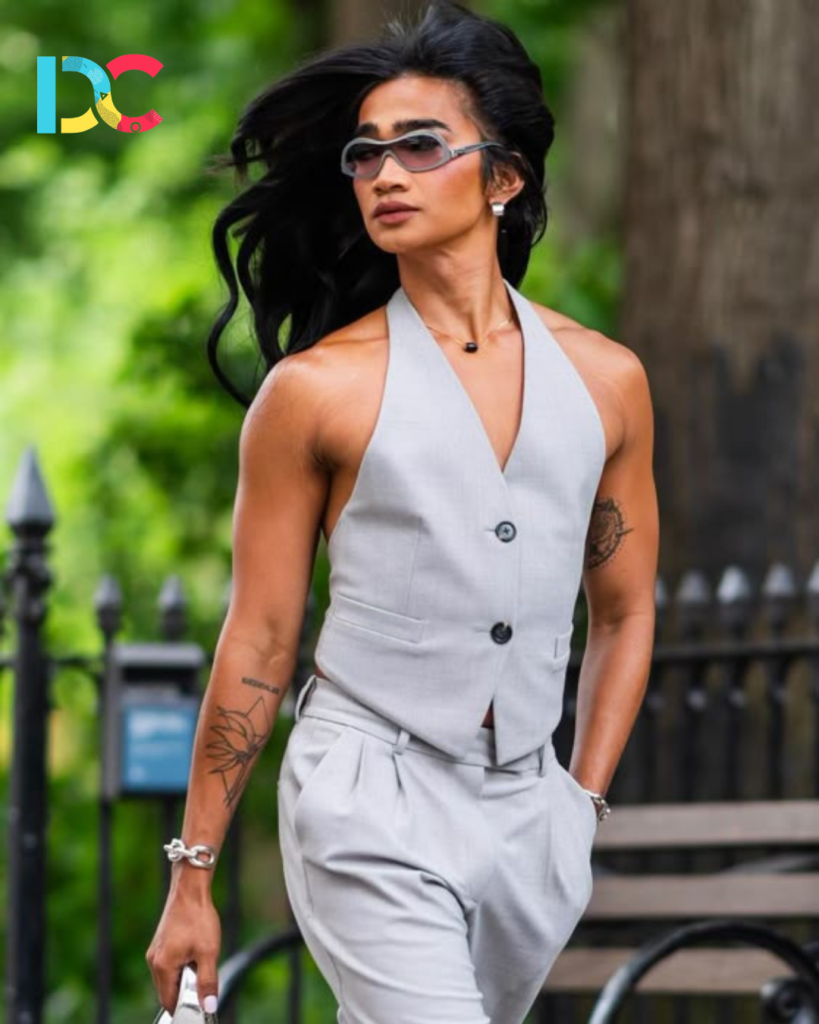
Bretman Rock approaches fashion with confidence, humour and complete freedom. His outfits regularly move between glamorous gowns, structured tailoring, resort wear and playful street style.
He is particularly influential because he refuses to let traditional gender expectations define his wardrobe. Every appearance feels expressive, energetic and personal, making him one of the most recognisable social media fashion icons.
6. Masoom Minawala
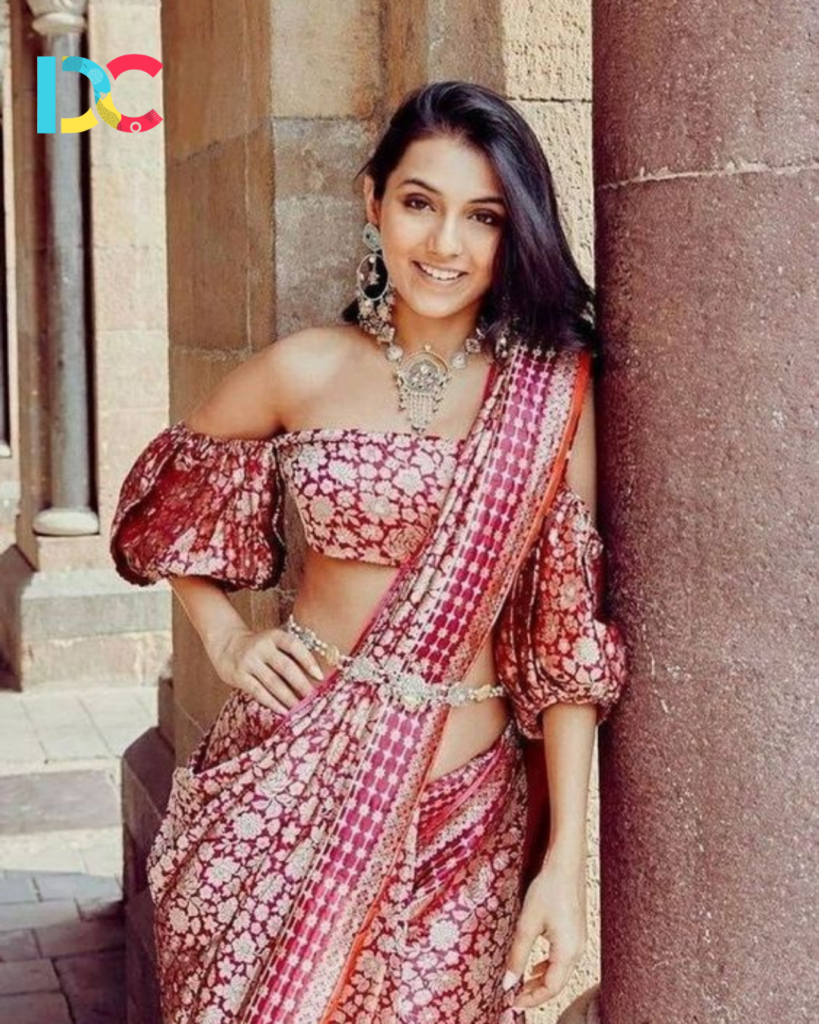
Masoom Minawala has created a distinctive space by connecting Indian craftsmanship with international luxury fashion. Her wardrobe regularly features contemporary sarees, embroidered ensembles, sculptural gowns and pieces by Indian designers.
Her fashion-week and red-carpet appearances often highlight Indian labels for a global audience. The result is a sophisticated style that feels international without losing its cultural identity.
7. Alix Earle
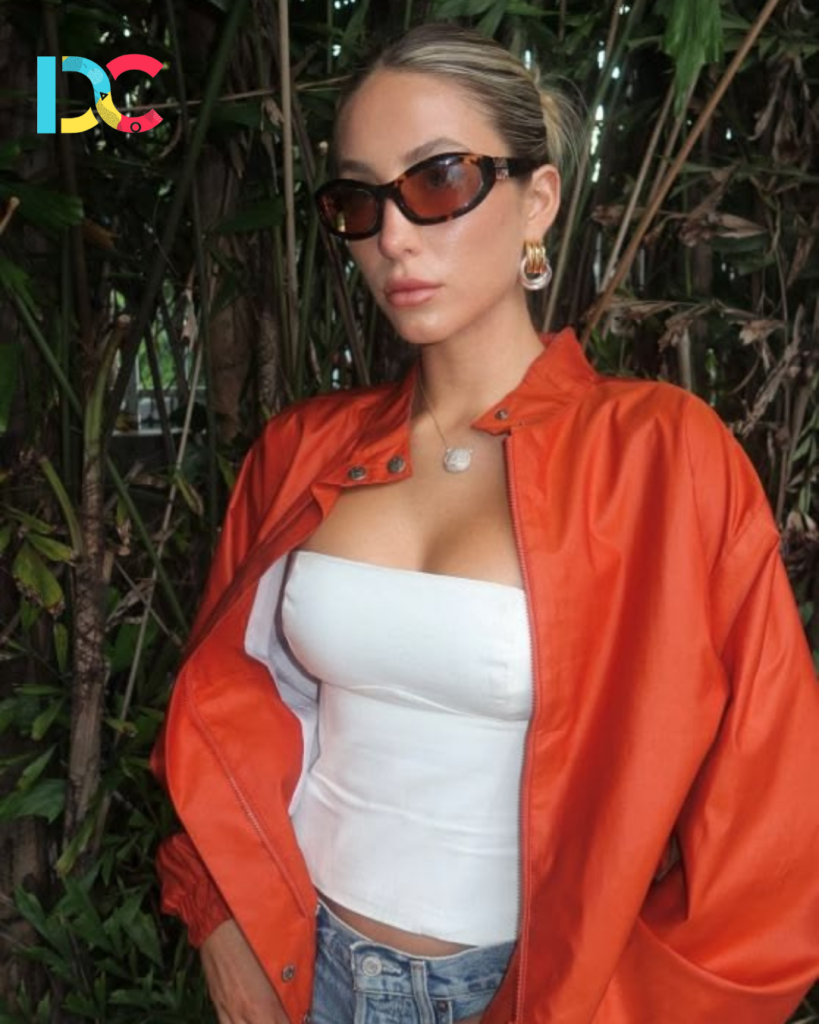
Alix Earle has become closely associated with the modern social media “It-girl” aesthetic. Her style combines going-out outfits, oversized streetwear, swimwear, beauty trends and polished event dressing.
Her popular “get ready with me” content makes followers feel involved in the complete styling process. The final outfit is important, but so are the beauty routine, accessories and personal story surrounding it.
8. Alex Consani
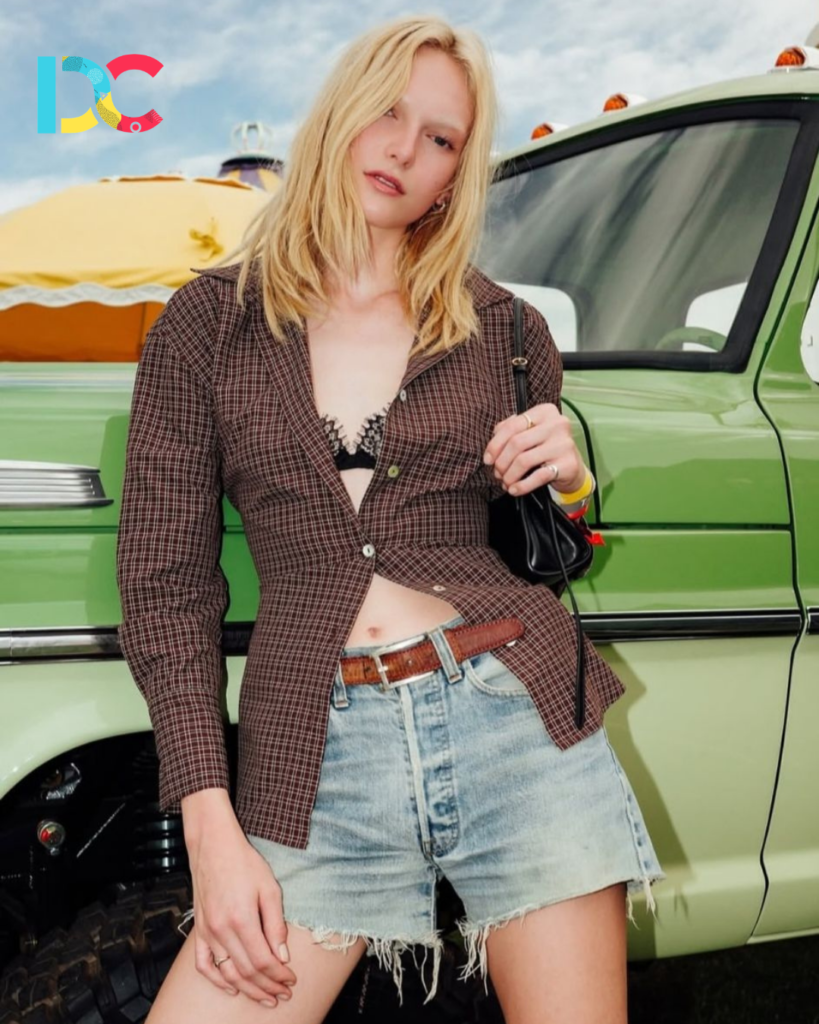
Alex Consani brings humour, personality and unpredictability to high fashion. Her content often moves between professional modelling, backstage moments and deliberately playful social media posts.
This combination makes luxury fashion feel more entertaining and less distant. Whether wearing an avant-garde runway look or a simple off-duty outfit, she maintains a strong sense of individuality.
9. Nara Smith
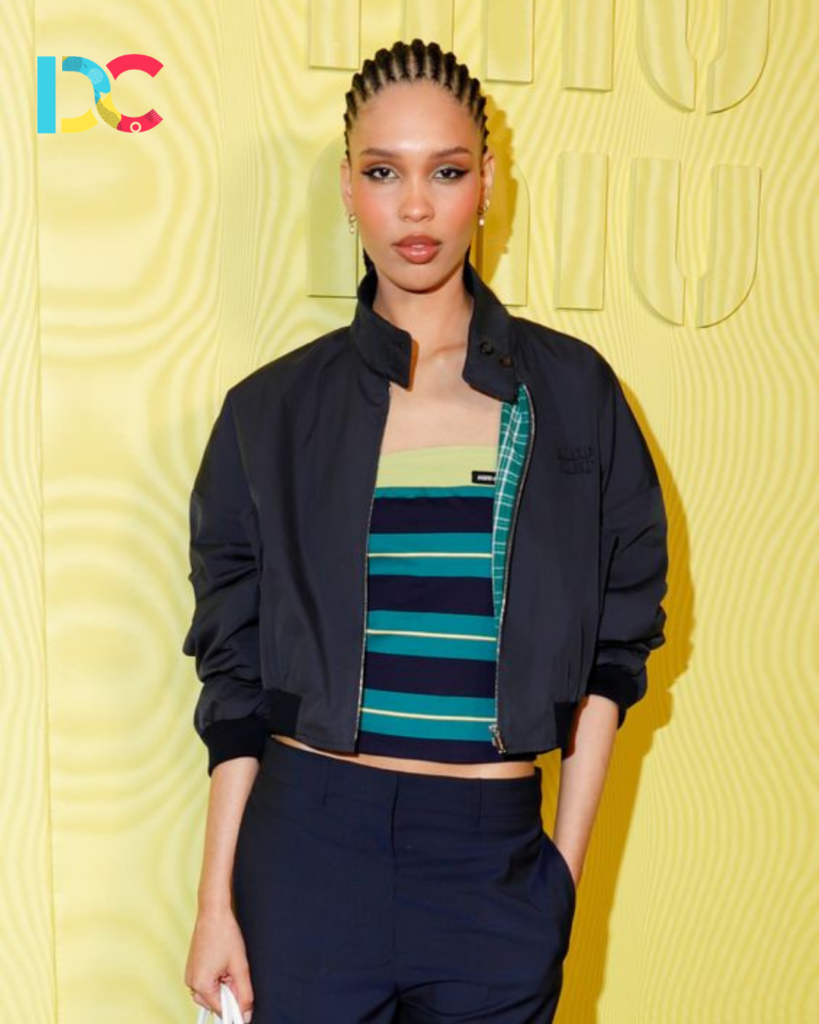
Nara Smith’s wardrobe is closely connected to her carefully composed visual world. She frequently wears polished dresses, feminine separates, coordinated sets and vintage-inspired silhouettes.
Her content demonstrates how clothing, interiors, beauty and lifestyle can work together to create a complete personal aesthetic. This consistency has helped her develop one of the most identifiable styles on social media.
10. Sakshi Sindwani
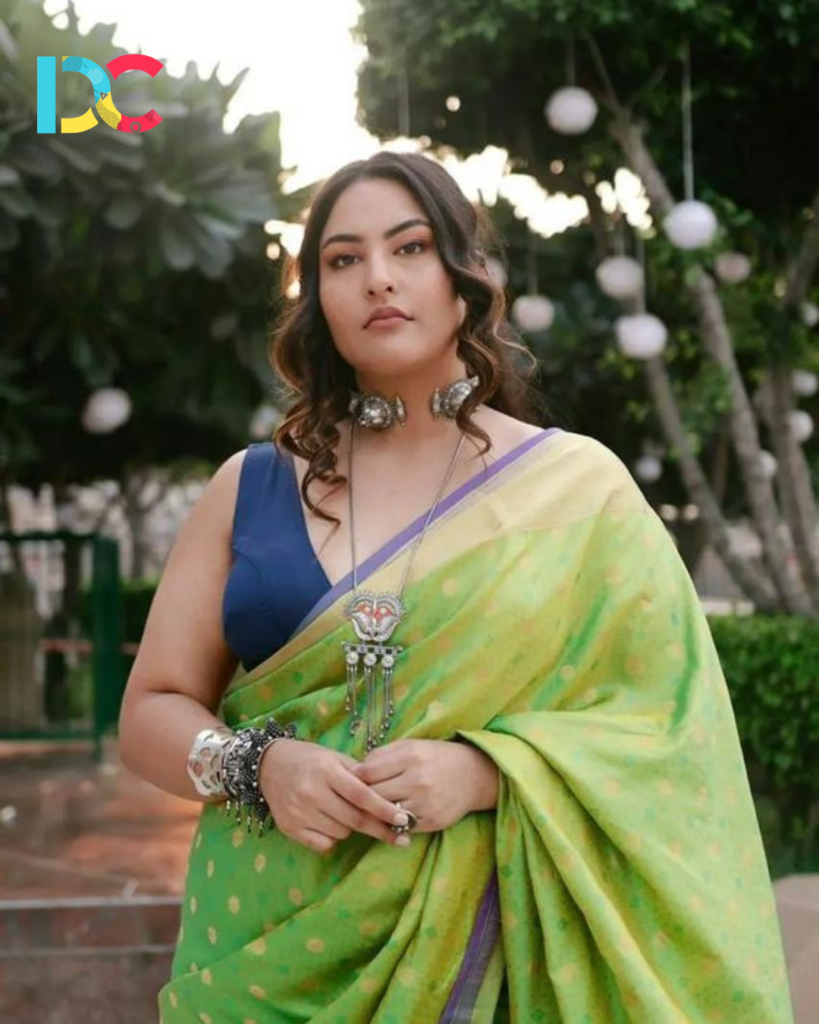
Sakshi Sindwani has become a powerful voice for inclusive fashion and confident personal style. She experiments with body-conscious dresses, contemporary sarees, colourful separates and dramatic red-carpet outfits.
Her content challenges restrictive fashion rules by encouraging people to wear trends without waiting for a particular body type or size. Confidence is not simply part of her styling it is the foundation of it.
The most stylish social media stars are changing fashion by making it more immediate, expressive and accessible. They are not waiting for traditional fashion institutions to define what looks good. Instead, they are building their own visual identities and inviting millions of followers into the process.
Whether it is Wisdom Kaye creating cinematic menswear, Nancy Tyagi constructing her own couture or Komal Pandey reinventing familiar Indian garments, today’s fashion influencers prove that true style is not determined by the price of an outfit. It comes from creativity, confidence and the ability to make every look feel personal.
Also Read: The Dark Side of Fake Spirituality on Social Media
Lifestyle
The Dark Side of Fake Spirituality on Social Media
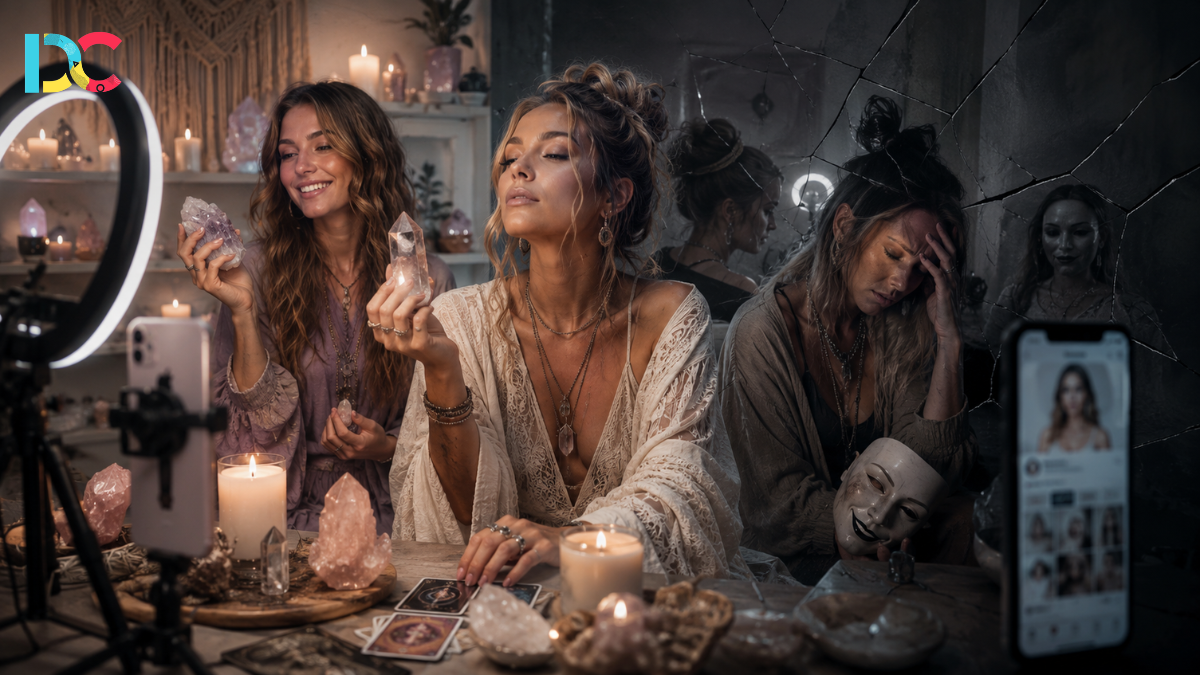
Spirituality on social media often looks peaceful, positive and inspiring. But behind the healing quotes, manifestation videos and “high-vibration” lifestyles, there can be manipulation, false promises and emotional exploitation.
When Spirituality Becomes a Performance
Many influencers present a perfectly healed and spiritually awakened version of themselves online. Their content makes followers believe that sadness, anger or anxiety are signs of weak energy.
Real spirituality does not demand constant positivity. It allows people to experience difficult emotions without shame.
The Rise of Fake Spiritual Gurus
Fake spiritual gurus often promise instant healing, love, wealth or success through paid courses, readings and rituals. They may use fear and emotional vulnerability to convince followers to keep spending money.
Warning signs include:
- Guaranteed results
- Expensive healing programmes
- Pressure to buy immediately
- Claims of having special powers
- Blaming followers when results do not appear
Toxic Positivity and Spiritual Bypassing
Statements like “just stay positive” or “everything happens for a reason” can dismiss real pain.
This is known as spiritual bypassing—using spiritual ideas to avoid grief, trauma, anger or personal responsibility. Healing is not about ignoring pain. It is about understanding and processing it.
Spiritual Narcissism
Some influencers use spirituality to appear superior. They call themselves “awakened” while labelling others as negative or unevolved.
They may reject criticism, demand blind trust and use spiritual language to avoid accountability. Genuine spirituality encourages humility, not superiority.
How to Protect Yourself
Before trusting a spiritual influencer:
- Question unrealistic claims
- Check their background and qualifications
- Avoid making major decisions based on viral videos
- Be careful of creators who constantly sell solutions
- Never replace professional medical or mental-health support with online advice
The dark side of fake spirituality on social media is not always easy to notice. It often hides behind beautiful visuals, motivational quotes and promises of a better life.
Real spirituality should make you more aware, independent and compassionate. It should never make you fearful, financially dependent or ashamed of being human.
Also Read: Top 5 Most Dangerous Zodiac Signs Based on Their Personality Traits
Horoscope
Top 5 Most Dangerous Zodiac Signs Based on Their Personality Traits

Every zodiac sign has positive qualities, hidden weaknesses and a darker side that may appear under pressure. While some signs react emotionally, others become calculating, impulsive or extremely competitive when they feel threatened.
So, what is the most dangerous zodiac sign? According to common astrological interpretations, certain signs are considered more intimidating because of their anger, intelligence, emotional intensity or ability to plan their moves carefully.
Here are the top five most dangerous zodiac signs based on personality traits.
1. Scorpio: The Secretive Strategist
Scorpio is frequently described as one of the most dangerous zodiac signs because of its emotional intensity, mysterious personality and strong memory.
People born under this water sign rarely reveal everything they are thinking. They observe people closely, notice small behavioural changes and remember how others have treated them. If a Scorpio feels betrayed, forgiving and forgetting may not come easily.
Dangerous Scorpio traits:
- Secretive and highly observant
- Emotionally intense
- Possessive in relationships
- Capable of holding grudges
- Strategic during conflict
However, Scorpio’s intensity can also make them loyal, passionate and protective. Their personality becomes difficult only when trust is broken or their emotions remain unresolved.
2. Aries: The Fearless Fire Sign
Aries is bold, competitive and ruled by action. As the first sign of the zodiac, Aries personalities often prefer taking the lead rather than waiting for someone else to make a decision.
What makes Aries one of the most intimidating zodiac signs is their impulsive temper. They may react immediately during an argument without considering the consequences. Their anger can be powerful, although it usually disappears as quickly as it arrives.
Dangerous Aries traits:
- Short-tempered and impulsive
- Highly competitive
- Fearless during confrontation
- Unpredictable when angry
- Likely to act before thinking
Aries individuals are not naturally harmful. Their confidence, bravery and ambition can help them become excellent leaders. Problems usually begin when their fiery energy is combined with frustration or impatience.
3. Gemini: The Master of Words
Gemini may not appear dangerous at first. They are usually social, intelligent, entertaining and excellent communicators. However, their ability to understand different perspectives can also make them difficult to predict.
Geminis know how to use words effectively. During disagreements, they may influence a conversation, expose someone’s weaknesses or change their approach within seconds. Their unpredictable nature is why Gemini often appears in discussions about zodiac signs with dark personality traits.
Dangerous Gemini traits:
- Highly persuasive
- Emotionally unpredictable
- Skilled at reading conversations
- Capable of hiding their real intentions
- May use information strategically
At their best, Geminis are creative, adaptable and mentally stimulating. Their darker traits may emerge when they feel bored, restricted or emotionally disconnected.
4. Capricorn: The Cold and Calculated Planner
Capricorn is disciplined, practical and extremely ambitious. Unlike signs that react emotionally, Capricorn may remain calm during conflict and carefully consider every possible outcome.
This controlled personality can make Capricorn one of the most powerful and dangerous zodiac signs when someone stands between them and their goals. They rarely waste energy on unnecessary arguments. Instead, they focus on long-term results.
Dangerous Capricorn traits:
- Emotionally reserved
- Extremely ambitious
- Patient and calculating
- Difficult to manipulate
- Willing to make tough decisions
Capricorn’s determination is also one of their greatest strengths. They are dependable, hardworking and committed to success. Their personality becomes intimidating when ambition turns into emotional coldness or excessive control.
5. Leo: The Powerful and Proud Leader
Leo is confident, charismatic and naturally drawn to leadership. They enjoy appreciation and often want their presence to be recognised.
While Leos can be generous and protective, their pride may become dangerous when they feel ignored, insulted or publicly embarrassed. They may respond dramatically or become controlling when their authority is questioned.
Dangerous Leo traits:
- Strong pride and ego
- Dominant personality
- Sensitive to disrespect
- Highly protective of their reputation
- Can become dramatic during conflict
A balanced Leo uses confidence to inspire others. An insecure Leo, however, may demand attention and react strongly when they do not receive the respect they expect.
Which Is the Most Dangerous Zodiac Sign?
Scorpio is often considered the most dangerous zodiac sign based on traits because of its secrecy, emotional depth and strategic approach to conflict. Aries may be more explosive, while Gemini can be mentally unpredictable and Capricorn more calculating.
However, no zodiac sign is automatically dangerous. A person’s behaviour is influenced by upbringing, environment, emotional maturity, personal experiences and individual choices not merely their sun sign.
Astrology is best used as a form of entertainment and self-reflection rather than as a method for judging someone’s character.

Best Indian Designers Redefining Global Luxury

Most Stylish Social Media Stars: Digital Fashion Icons Defining 2026

The Dark Side of Fake Spirituality on Social Media

Top 5 Most Dangerous Zodiac Signs Based on Their Personality Traits

Most Iconic FIFA World Cup Jerseys of All Time

Why Aquarius Signs Are Visionaries Ahead of Their Time

Shakira and FIFA World Cup: From Waka Waka to Dai Dai 2026

The Rise of Spiritual Luxury Travel: Retreats, Wellness & Culture

Top Female Entrepreneurs Who Started as Influencers

Signs You’re Going Through a Spiritual Awakening

Dorsia, Gurgaon’s One Of The Biggest BYOBs
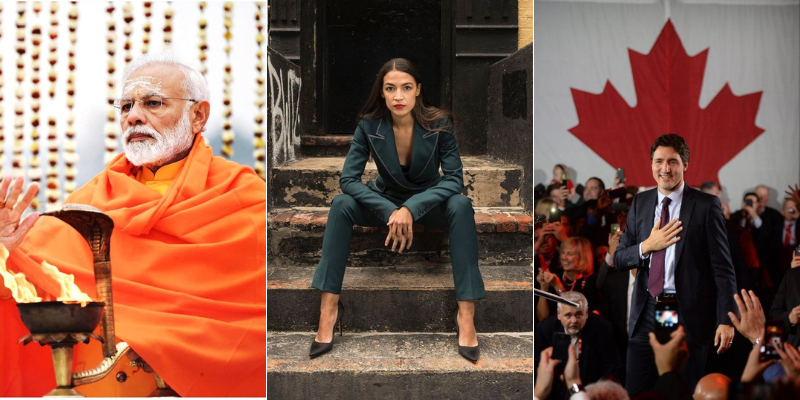
Top 10 Best Dressed Politicians In The World

Breaking the Mold: How Demon Slayer Redefines the Shonen Genre?

15 Best Quotes Of Toy Story About Friendship.

Sabrina Carpenter’s Man’s Best Friend and the Politics of Pop Imagery

The NOU Walk Of Life : New Talk of Town in Luxury Footwear
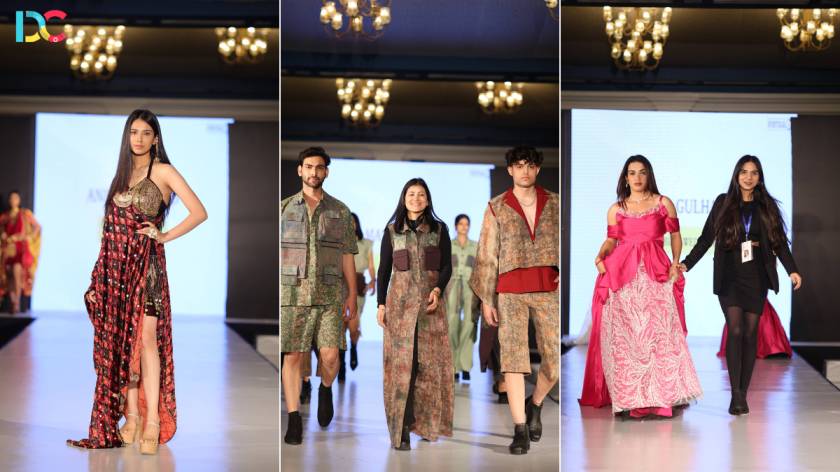
Emerging Fashion Designers India Contest Wraps Up in the Most Spectacular Fashion
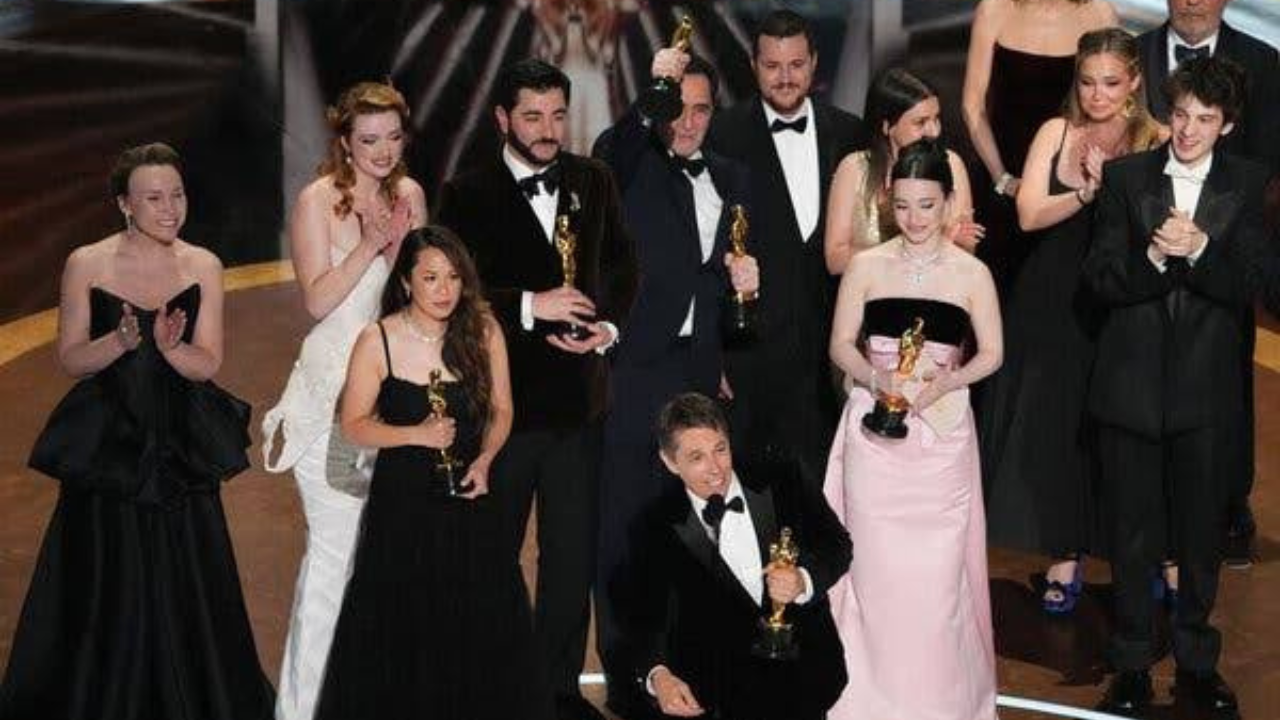
The Most Memorable Highlights from the 2025 Academy Awards
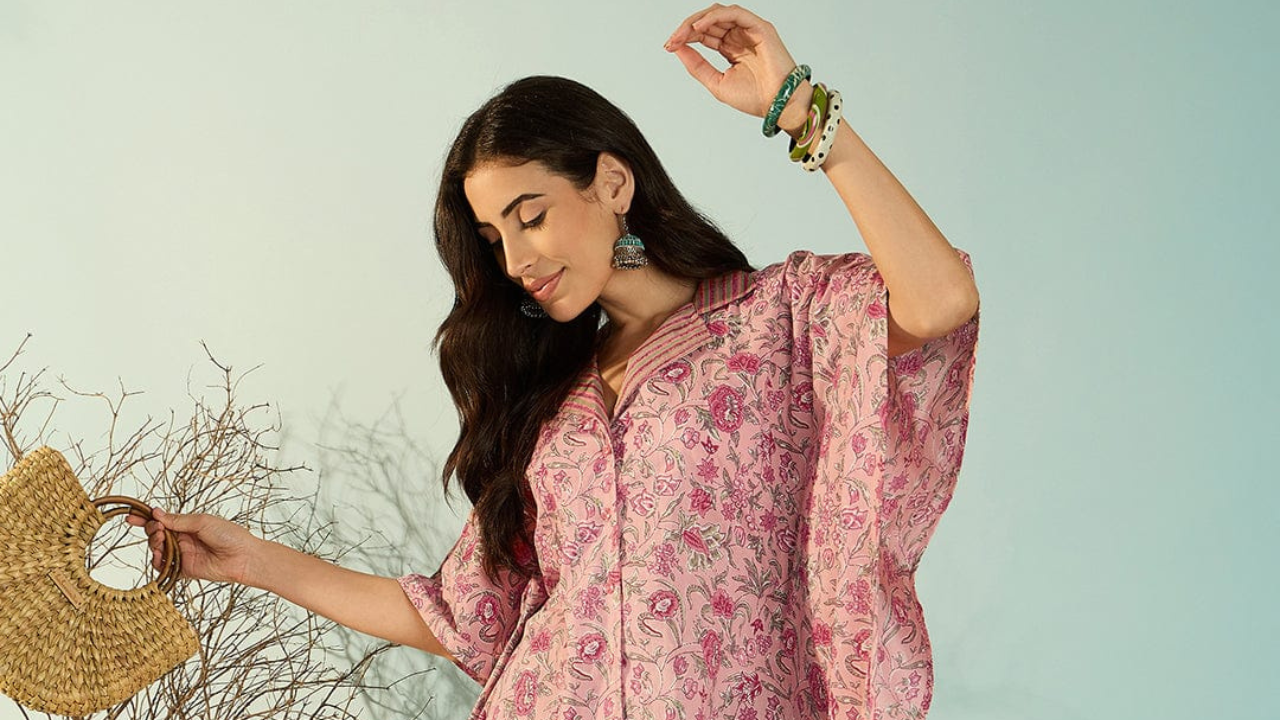
Kaftans: The New Festive Staple Taking Over Indian Wardrobes

Are Live-Action Adaptations a Risky Bet for Studios?
-

 Entertainment6 months ago
Inside the Creator Economy: Who’s Making Millions in 2026?
-
 Events6 months ago
Top 10 Best Dressed Female Politicians in the World
-

 Horoscope6 months ago
Why Scorpio Is So Attractive And Hard to Handle
-
 Fashion6 months ago
Best Mother’s Day Gifts 2026
-

 Events6 months ago
7 Ways to Make Your Mom Feel Special This Mother’s Day
-
 Beauty5 months ago
Most Stylish Indian Female News Anchors Who Redefine Glamour & Journalism
-
 Horoscope5 months ago
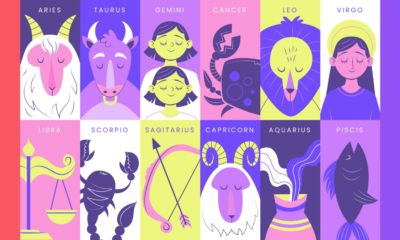
The Dark Side of Every Zodiac Sign
-

 Horoscope5 months ago
AI Gurus & Digital Faith: Is Technology Changing Spirituality?
osbornehartlinejvp4u1+6g5ipqkusk5a@gmail.com
13.07.2024 at 8:48 am
eligendi est ut maiores in tempore vel sunt est atque quo tenetur. inventore rem eaque quia enim perspiciatis officiis magni quia et veniam vel rerum corporis eos ipsam iusto. natus odio dolorem tempo
wetzelmhoonjgq1a2+6g5ippn65hkd@gmail.com
03.08.2024 at 2:43 am
minus dolores eos qui dolore omnis quia rerum qui veritatis beatae necessitatibus repellat libero quos. qui at et atque placeat dolorem commodi et. sit magnam quibusdam iusto maxime aliquid earum poss
เครดิตฟรี188บาท
07.10.2024 at 5:48 pm
This website was… how do you say it? Relevant!!
Finally I’ve found something that helped me. Many
thanks!
สล็อต เครดิตฟรี 50 ไม่ต้องฝากก่อน ไม่ต้องแชร์ ยืนยันเบอร์โทรศัพท์
12.10.2024 at 10:57 am
I have been browsing online more than 3 hours
today, yet I never found any interesting article like yours.
It is pretty worth enough for me. In my opinion, if all site owners and bloggers made good content as
you did, the net will be much more useful than ever before.
ufabet888
12.10.2024 at 11:11 am
I think the admin of this site is in fact working hard in favor of his website,
because here every stuff is quality based stuff.