
Entertainment
Sabrina Carpenter’s Man’s Best Friend and the Politics of Pop Imagery
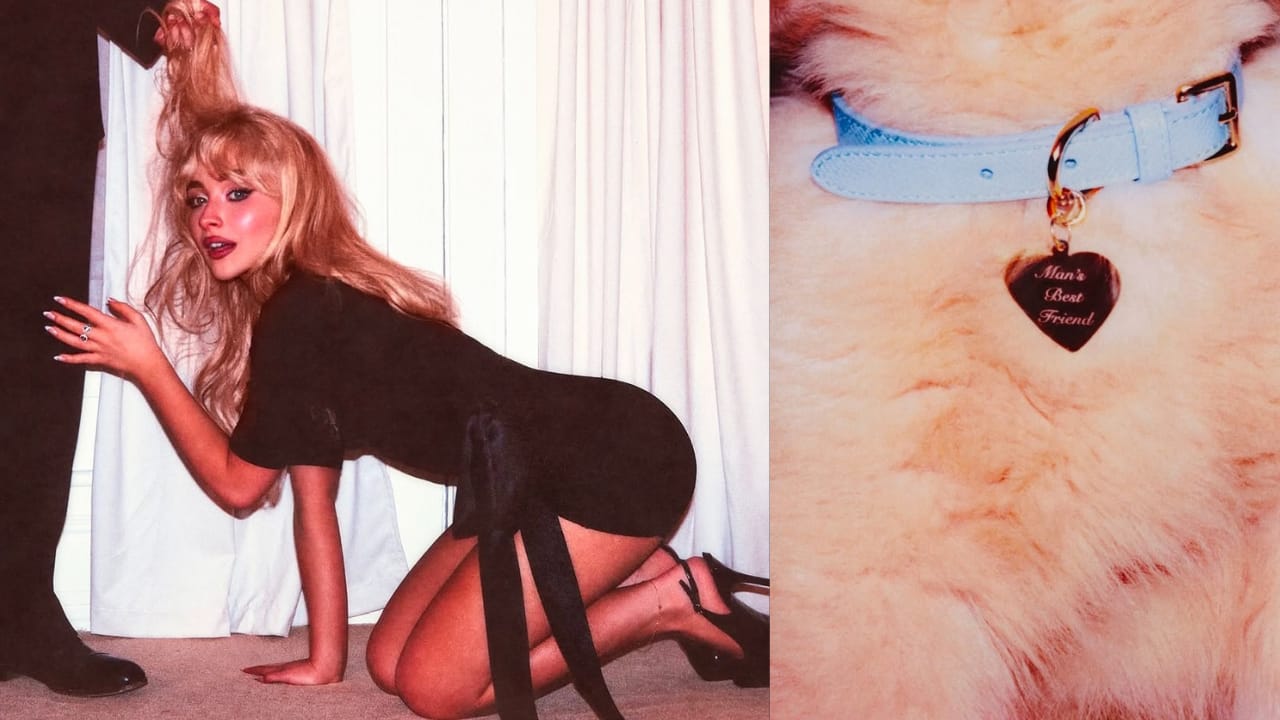
In the days following the reveal of Sabrina Carpenter’s new album cover, the internet did what it does best. It reacted, dissected, and divided. Here we unpack the cultural tensions beneath the surface, reading the album art as a lens through which broader anxieties about power, femininity, and performance in pop culture come into focus.
In an era where pop feminism coexists uneasily with the commodification of outrage, cultural lines are being redrawn by the churn of online discourse. On the internet, where context is scarce and opinion is currency, anything can lead to a global debate. The internet can crown a feminist icon on Monday and call for her cancellation by Wednesday, all while parsing a single image. That tension between performance and power, irony and impact is at the heart of the controversy surrounding Sabrina Carpenter’s forthcoming album, Man’s Best Friend.
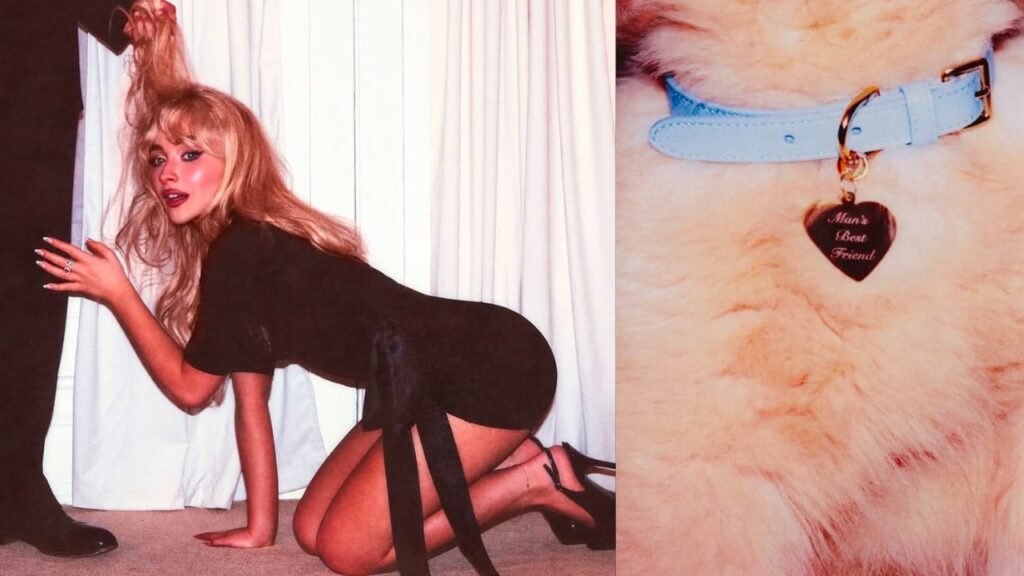
Unveiled on June 11, 2025, the cover art didn’t whisper for attention but demanded it. Sabrina Carpenter, on her hands and knees in a black mini-dress and stilettos, is shown with her hair being pulled by an unseen man. The second picture posted had a dog wearing a collar that reads, unmistakably, “Man’s Best Friend.” The visual struck a nerve and not just one.
The Outrage: Misogyny in the Name of Art?
For many, the image crossed a line. Critics called it “degrading,” “tone-deaf,” and even “dangerously close to abuse imagery,” pointing to the submissive pose and hair-pulling as problematic signifiers. In a time where conversations about gender, consent, and objectification are more talked about than ever, the cover was accused of glorifying the very power imbalances feminism fights to dismantle.
What stung most for some was the perceived trivialization of violence against women (intentional or not). Sabrina Carpenter’s sizable young, largely female fanbase only amplified concerns, raising questions about the messages embedded in pop culture’s most shareable content. After all, in the age of the algorithm, an image rarely comes with its intended context.
The Defense: Satire, Subversion, and a Pop Provocateur
Yet, to others, the outrage missed the point entirely. Supporters argue the image is a satirical send-up of how women are reduced, infantilized, and leashed (figuratively and literally) by societal expectations. Placed alongside the lead single Manchild, which skewers immature male behavior, the cover reads to many as a deliberate, exaggerated critique of the roles women are made to play.
Her defenders have compared her to artists like Madonna, whose 1980s provocations once drew similar ire but are now seen as landmarks of feminist disruption. Carly Simon even entered the fray, calling Carpenter’s image “tame” compared to her own controversial Playing Possum cover from 1975, and reminding critics that art and outrage have always danced closely.
What This Debate Really Reveals
More than a debate about one pop star’s choices, the Man’s Best Friend controversy highlights the increasingly fragile space where art meets activism, and where interpretation often overrides intention. It’s not just that the image divided audiences but also revealed the divisions within feminism itself. On one side is a cautionary stance: artists have responsibility, and imagery matters, particularly when consumed by millions when many of them are young and impressionable. On the other is a belief in feminist autonomy, in the power of women to use even the language of submission to challenge the systems that created it.
These aren’t new debates but the speed and volume of digital culture mean they play out faster, louder, and with fewer shades of gray. As we all know the internet leaves a very little room for nuance. What might have once been an artistic provocation now becomes a 10-second flashpoint, judged not in essays or reviews, but in quote tweets and comment sections.
Between Empowerment and Exploitation
So where does Man’s Best Friend really land in the ongoing conversation about power, gender, and performance in pop culture? The answer depends largely on whether one interprets Sabrina Carpenter’s choices as a reinforcement of a long-standing power fantasy or a subversive attempt to expose and dismantle it from within. Perhaps the discomfort the image provokes is itself the point which is an intentional provocation meant to challenge viewers to confront the contradictions embedded in popular representations of femininity and control. Whether it ultimately reads as a misjudged gesture or a sharp piece of cultural critique, the cover has undeniably started a necessary dialogue about how these dynamics are communicated, consumed, and contested.
It also reveals a deeper generational and ideological divide that has become increasingly pronounced in the digital age. For younger audiences who understand irony, meme culture, and postmodern self-awareness, the image might register as a playful form of rebellion, one that knowingly exaggerates in order to critique. For others, particularly those more attuned to the realities of lived inequality and the ongoing struggles against gender-based violence, the visual treads dangerously close to territory that feels all too real and raw, regardless of artistic intention. As pop culture continues to collapse the distance between commentary and consumption, between performance and lived experience, Man’s Best Friend functions as a cultural litmus test, measuring not just our opinions about one artist’s creative vision, but our broader anxieties and expectations surrounding representation itself.
Whether the cover is ultimately embraced as a feminist statement or condemned as a lapse in judgment, its ability to provoke such wide-reaching discourse underscores a simple but powerful reality: even in 2025, a single pop image retains the power to disrupt, divide, and demand attention, revealing just as much about the culture interpreting it as about the artist who created it.
Also Read: Your Wardrobe Might Be Reflecting a Recession
Follow us for more : Dis_cultured
Entertainment
Shakira and FIFA World Cup: From Waka Waka to Dai Dai 2026
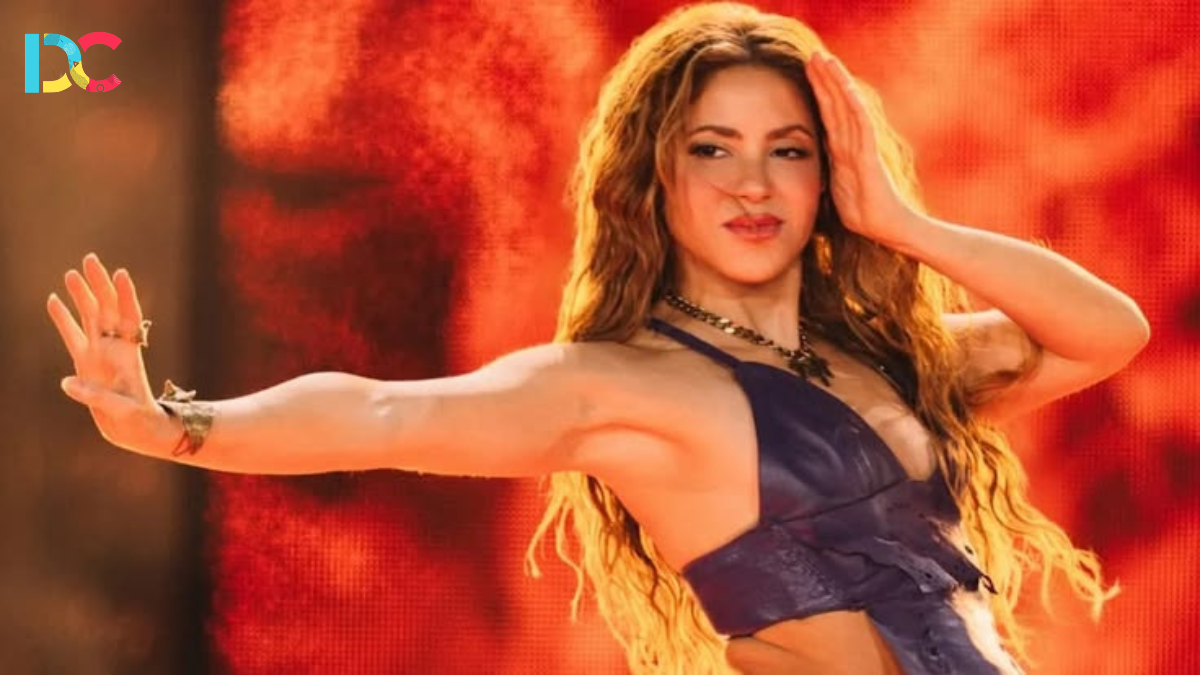
When it comes to FIFA World Cup music, few artists have created a legacy as powerful as Shakira. From the unforgettable energy of “Waka Waka (This Time for Africa)” in 2010 to her latest World Cup connection with “Dai Dai” for FIFA World Cup 2026, Shakira has become more than a global pop star. She has become one of the most recognizable voices of football celebration.
With search interest rising around terms like “Shakira FIFA World Cup,” “Shakira World Cup song,” “FIFA World Cup 2026 song,” and “Shakira Waka Waka,” fans are once again revisiting her iconic journey with the world’s biggest sporting event.
Shakira’s Special Connection With the FIFA World Cup
Shakira’s association with the FIFA World Cup is not new. Over the years, she has performed at multiple World Cup events and has given football fans some of the most memorable musical moments in tournament history.
Her biggest World Cup moment came in 2010 with “Waka Waka (This Time for Africa),” the official song of the FIFA World Cup in South Africa. The song became a global hit because it had everything a World Cup anthem needed: rhythm, energy, culture, dance, and a chorus that fans across languages could sing together.
Even today, “Waka Waka” remains one of the most searched and remembered World Cup songs of all time. For many football fans, the song is not just music; it is nostalgia. It brings back memories of stadium celebrations, global unity, African culture, and the emotional power of football.
Why Waka Waka Still Dominates World Cup Searches
The reason “Shakira Waka Waka” continues to trend during every FIFA World Cup season is simple: the song became part of football history. Unlike many tournament songs that fade after the event, “Waka Waka” has lived on through YouTube, Instagram reels, TikTok edits, football montages, school performances, sports events, and fan celebrations.
It is one of those rare songs that connects generations. People who watched the 2010 World Cup remember it as a cultural moment, while younger audiences discover it every time World Cup content starts trending again.
That is why keywords such as “Waka Waka World Cup song,” “Shakira World Cup anthem,” and “best FIFA World Cup songs” continue to perform strongly in search demand whenever the tournament returns.
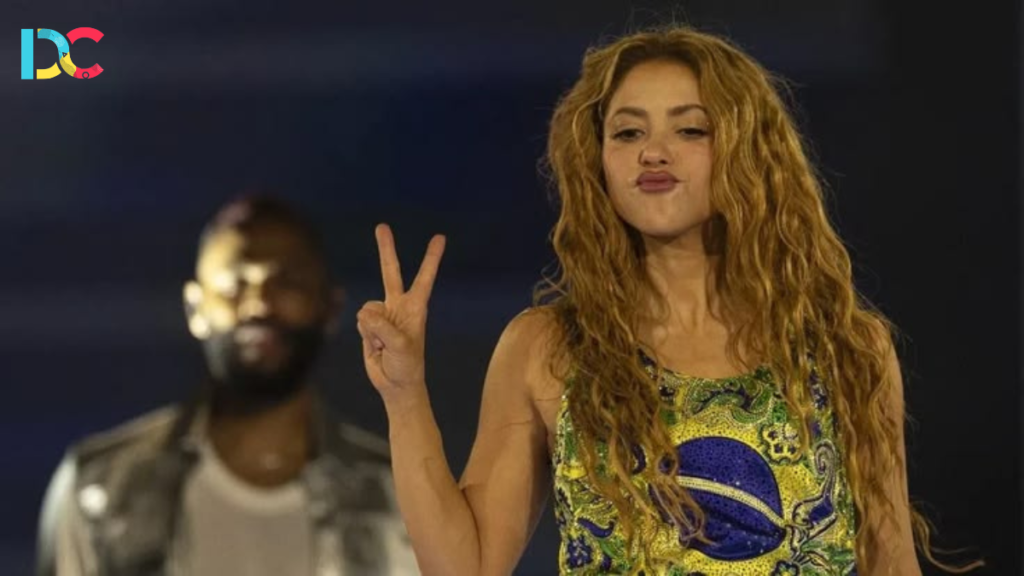
Shakira Returns With Dai Dai for FIFA World Cup 2026
For FIFA World Cup 2026, Shakira has returned to the World Cup music conversation with “Dai Dai,” a collaboration with Nigerian superstar Burna Boy. The song brings together Latin pop, Afrobeats, global rhythm, and the emotional energy that fans expect from a World Cup anthem.
This return is important because Shakira is not just another artist performing at the tournament. She already has a proven emotional connection with football audiences. Her name instantly reminds fans of “Waka Waka,” making her 2026 comeback a powerful trend across search and social media.
The FIFA World Cup 2026 is being hosted across Mexico, the United States, and Canada, making it one of the biggest and most globally marketed editions of the tournament. With Shakira and Burna Boy leading the official song conversation, “Dai Dai” has the potential to become one of the biggest music moments of the tournament.
Why Shakira Is the Perfect World Cup Artist
A successful World Cup song needs more than celebrity value. It needs rhythm, recall, emotion, and global appeal. Shakira brings all of these elements naturally.
Her music blends Latin, pop, dance, and world sounds. Her stage presence is energetic, and her songs often carry a celebratory spirit. Most importantly, her World Cup songs are easy to remember. A strong hook is what turns a normal song into a stadium anthem.
This is why Shakira’s FIFA World Cup journey stands out. She understands that a World Cup anthem must make people move, sing, celebrate, and feel connected, no matter where they come from.
Shakira, Burna Boy and the Global Sound of Football
The collaboration between Shakira and Burna Boy for “Dai Dai” also reflects the changing sound of global football culture. The FIFA World Cup is no longer just about one region or one style of music. It is a global celebration where Latin music, Afrobeats, pop, hip-hop, dance, and local cultural sounds all come together.
Burna Boy adds African rhythm and Afrobeats energy to the song, while Shakira brings her signature Latin-pop style and World Cup legacy. Together, the two artists represent the international spirit of football.
This makes “Dai Dai” a highly searchable topic for fans looking for the “FIFA World Cup 2026 song,” “Shakira Burna Boy song,” “Dai Dai World Cup anthem,” and “new Shakira World Cup song.”
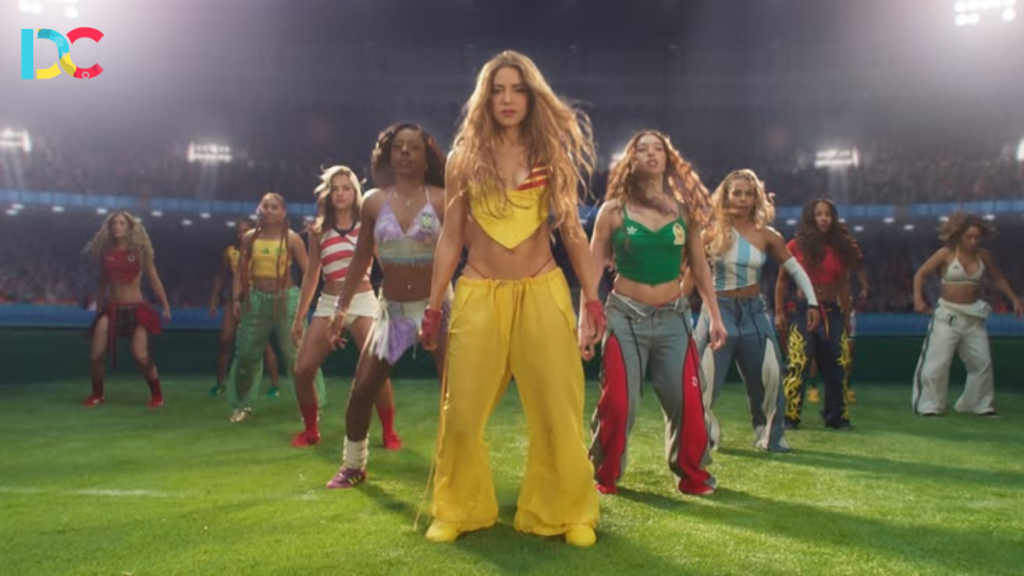
The Power of Nostalgia in Shakira’s World Cup Legacy
One of the biggest reasons Shakira keeps trending during World Cup seasons is nostalgia. “Waka Waka” created a memory that fans still associate with joy, unity, and football fever.
Every time Shakira appears at another FIFA World Cup event, fans compare the new song with “Waka Waka.” This creates fresh search demand around old and new keywords together. People search for “Shakira Waka Waka,” then move to “Shakira FIFA World Cup 2026,” “Dai Dai Shakira,” and “World Cup opening ceremony 2026.”
For publishers, this is a strong SEO opportunity because the topic combines entertainment, sports, music, nostalgia, and trending news in one article.
Why Shakira Still Owns the World Cup Music Moment
Many artists have contributed songs to the FIFA World Cup, but Shakira’s name continues to stand out because her music became part of the tournament’s emotional identity. She gave fans a song that was easy to dance to, easy to sing, and easy to remember.
With “Dai Dai,” she is once again stepping into the World Cup spotlight. Whether the new anthem reaches the same legendary status as “Waka Waka” or not, one thing is clear: Shakira remains one of the most powerful musical figures in FIFA World Cup history.
Her return proves that football is not only about the match on the field. It is also about the culture around it — the songs, the celebrations, the opening ceremonies, the memories, and the global emotions that bring millions of people together.
Shakira’s FIFA World Cup journey is a rare example of music and sports coming together to create global cultural moments. From “Waka Waka” in 2010 to “Dai Dai” in 2026, she has built a World Cup legacy that continues to trend across search engines and social media.
As FIFA World Cup 2026 unfolds, keywords like “Shakira FIFA World Cup,” “Shakira World Cup song,” “Dai Dai Shakira,” and “FIFA World Cup 2026 anthem” are likely to remain strong search topics. For fans, Shakira represents celebration. For football culture, she represents unity. And for World Cup music, she remains one of the most iconic voices ever.
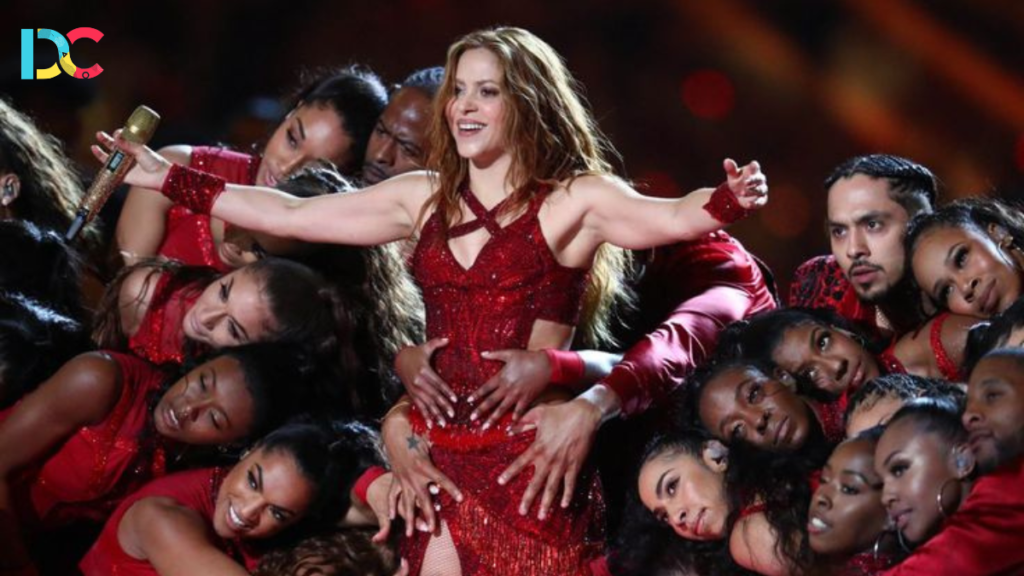
FAQs
What is Shakira’s FIFA World Cup 2026 song?
Shakira’s FIFA World Cup 2026 song is “Dai Dai,” a collaboration with Nigerian artist Burna Boy.
Which Shakira song became famous during the FIFA World Cup?
“Waka Waka (This Time for Africa)” became Shakira’s most famous FIFA World Cup song after the 2010 tournament in South Africa.
Did Shakira perform at the FIFA World Cup 2026 opening ceremony?
Yes, Shakira performed “Dai Dai” with Burna Boy at the FIFA World Cup 2026 opening ceremony in Mexico City.
Why is Shakira connected with the FIFA World Cup?
Shakira has performed at multiple FIFA World Cup events and created one of the most iconic World Cup songs of all time, “Waka Waka.”
Is Waka Waka still popular?
Yes, “Waka Waka” remains one of the most remembered and searched FIFA World Cup songs because of its strong rhythm, global appeal, and nostalgic value.
Also Read: How Football Became the New Fashion Week
Entertainment
Top 10 Most Stylish Celebrities in the World
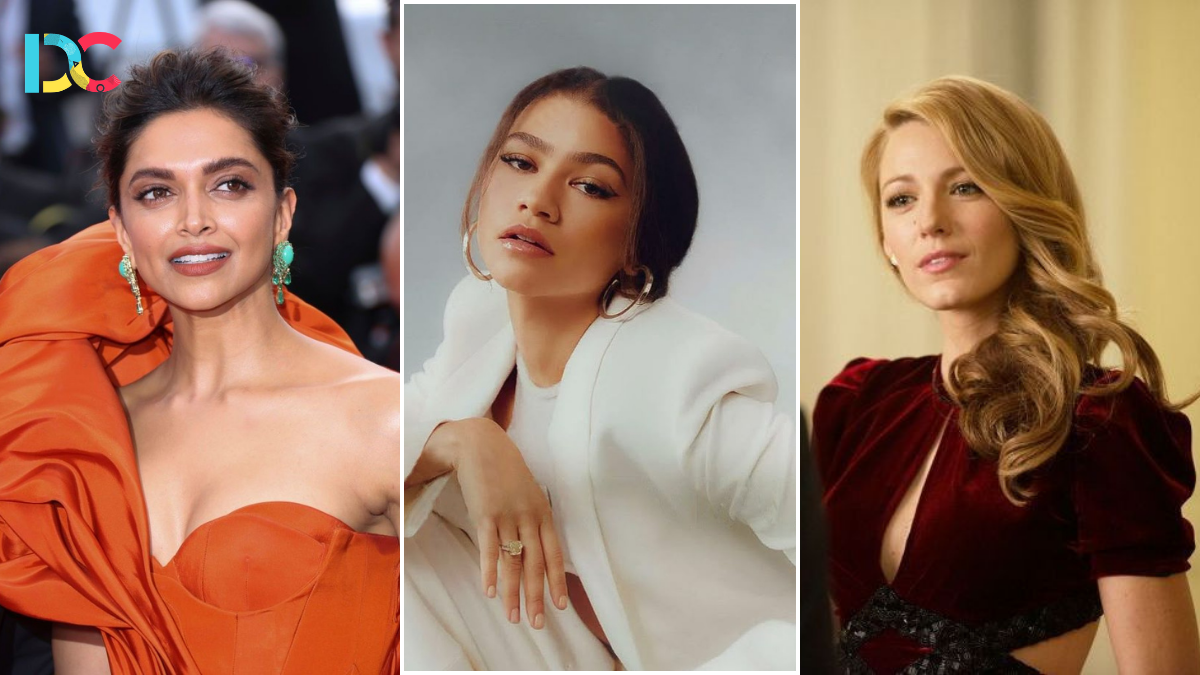
Fashion trends may come and go, but true style icons leave a lasting impact on global culture. From red carpet appearances and luxury fashion campaigns to street style moments and social media influence, these celebrities consistently redefine modern fashion.
In this list, we explore the top 10 most stylish celebrities in the world who continue to inspire millions with their unique sense of style, trendsetting outfits, and fashion-forward personalities.
Zendaya
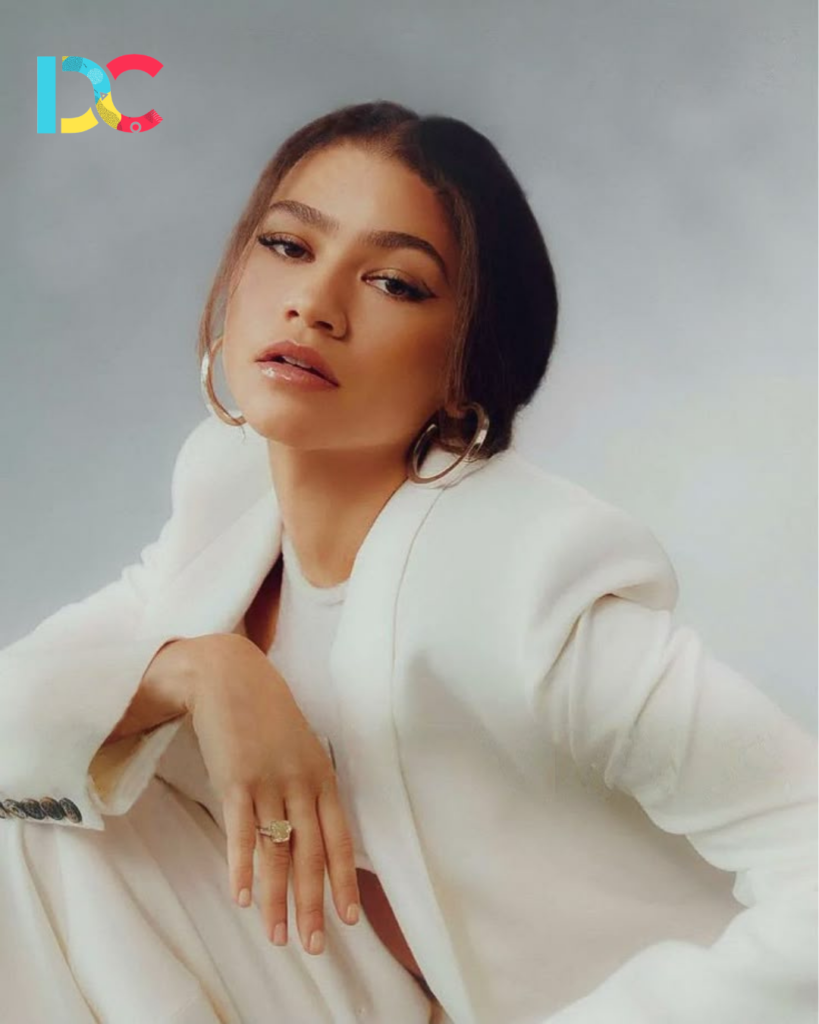
Zendaya has become one of the most influential fashion figures globally. Whether she’s attending a movie premiere, fashion week, or major awards show, her outfits consistently dominate headlines.
Her collaborations with luxury fashion houses and fearless experimentation with silhouettes, colors, and couture designs have cemented her place among the world’s best-dressed celebrities.
Timothée Chalamet
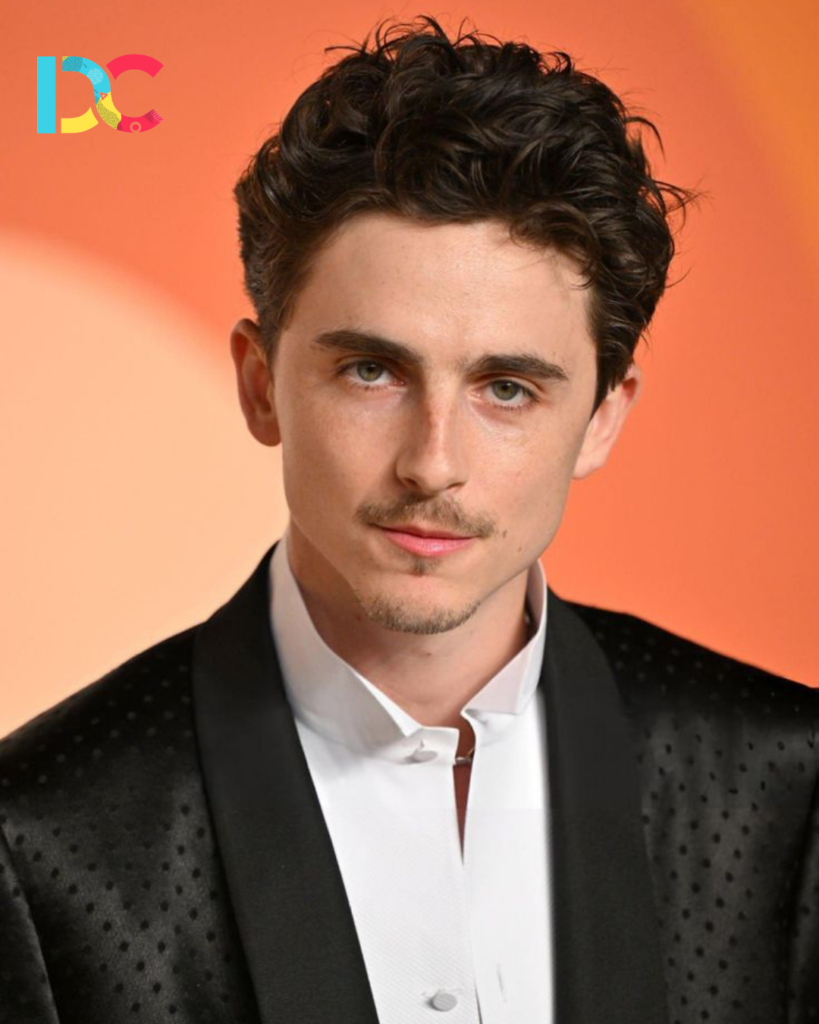
Timothée Chalamet has transformed men’s fashion by embracing bold colors, unconventional tailoring, and avant-garde luxury looks. He regularly challenges traditional menswear norms while maintaining elegance and sophistication.
His fashion choices have made him one of the most stylish male celebrities in the world.
Rihanna
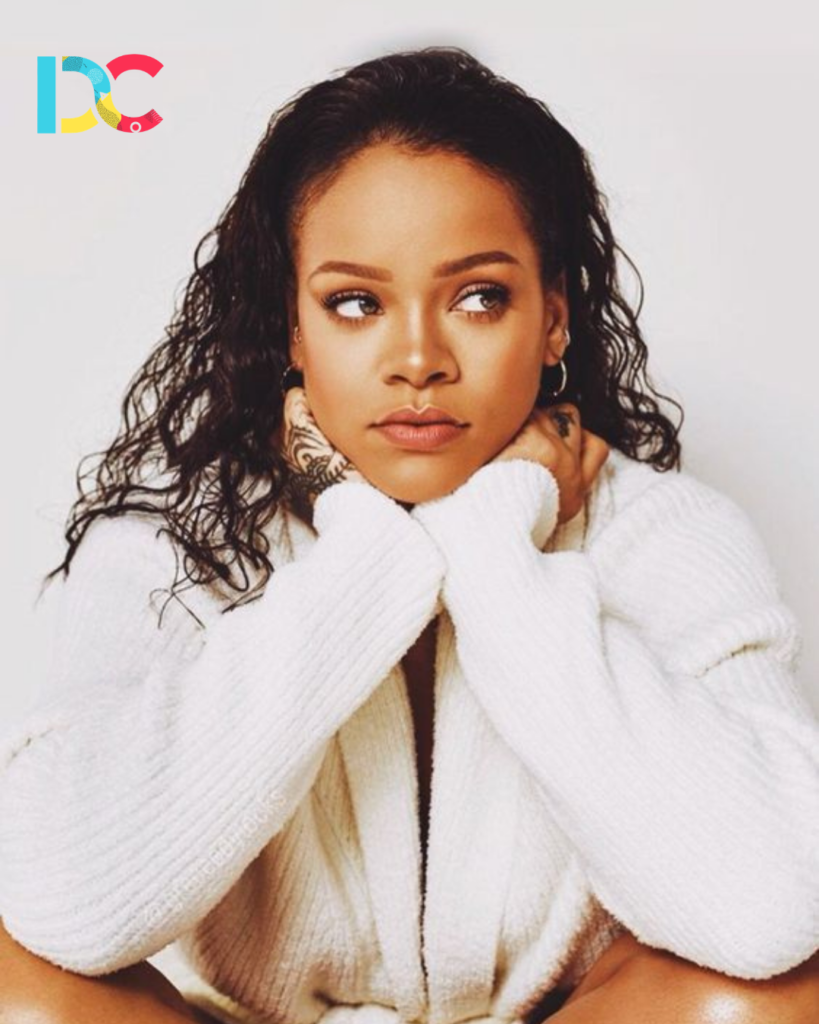
Rihanna is widely regarded as one of the greatest style icons of her generation. Her ability to effortlessly switch between streetwear, luxury couture, and maternity fashion has made her a global trendsetter.
Her influence extends beyond entertainment into fashion entrepreneurship and beauty.
David Beckham
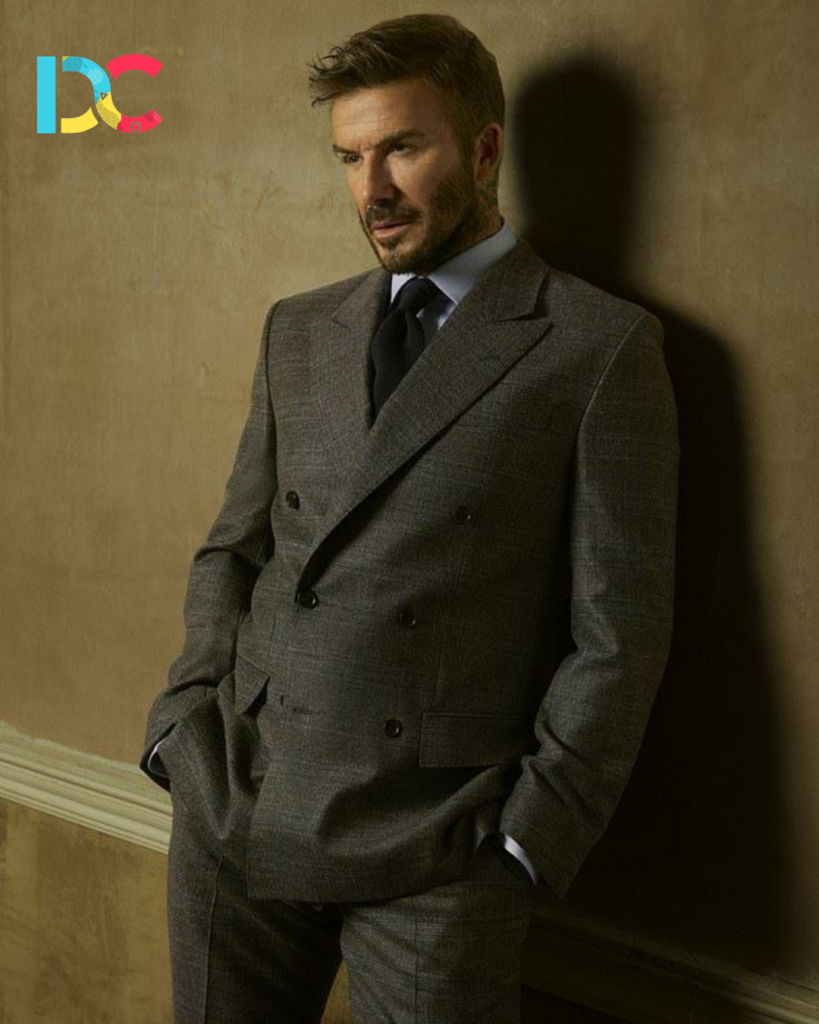
David Beckham remains one of the most stylish men on the planet. From tailored suits and luxury watches to smart casual looks, Beckham continues to inspire modern menswear enthusiasts worldwide.
His timeless style proves that sophistication never goes out of fashion.
Deepika Padukone
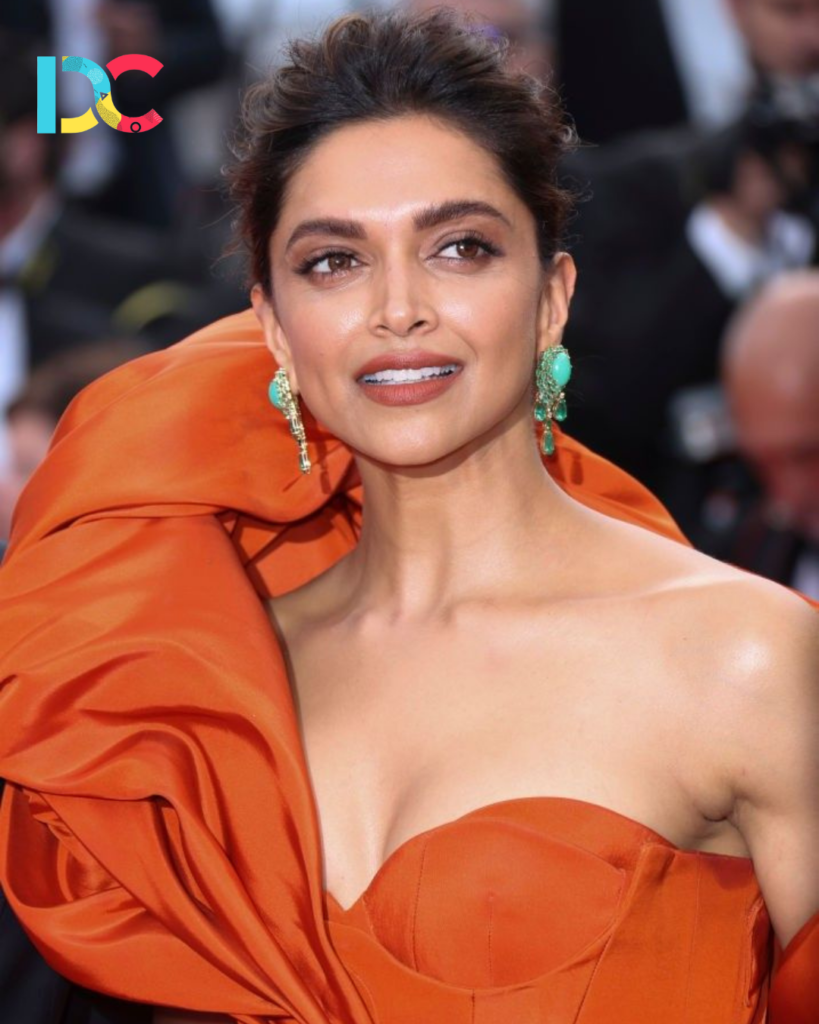
Representing India on the global fashion stage, Deepika Padukone has become a favorite at international fashion events. Her elegant red carpet appearances and luxury brand partnerships have elevated her status as a global style icon.
She effortlessly combines contemporary trends with classic sophistication.
Harry Styles
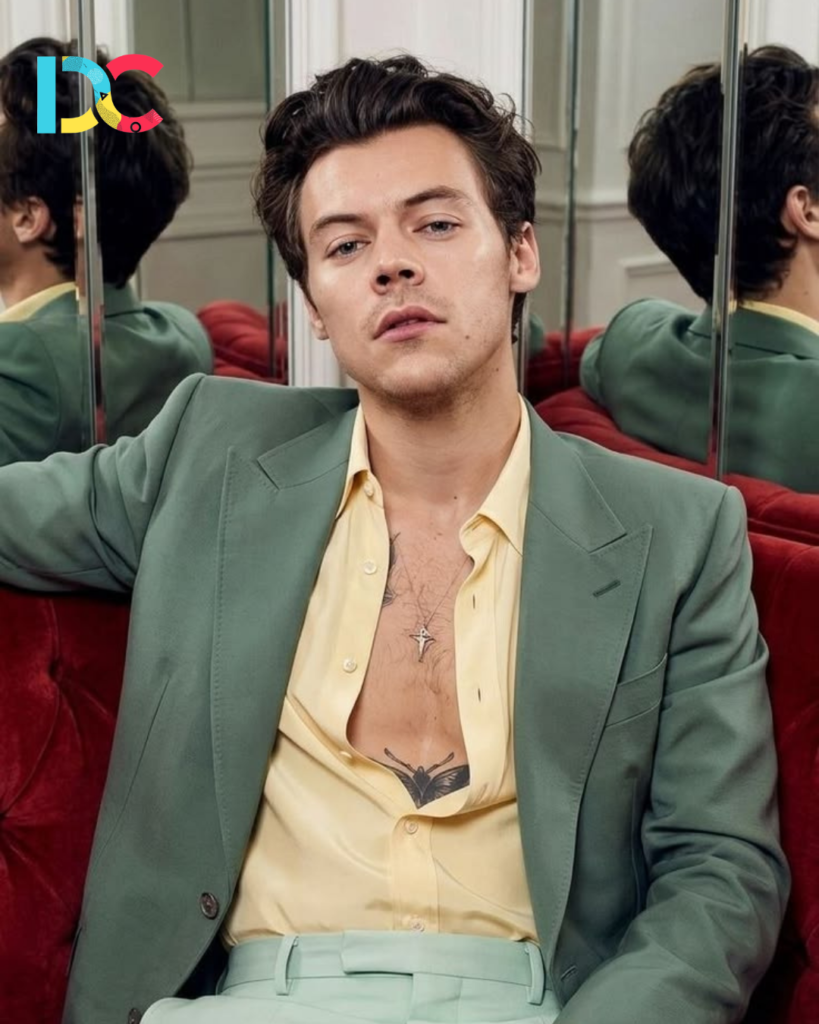
Harry Styles has revolutionized modern fashion through gender-fluid clothing and bold style experimentation. His fearless wardrobe choices have inspired a new generation to embrace individuality and self-expression.
Fashion critics frequently praise his ability to blend vintage aesthetics with contemporary luxury.
Kim Kardashian
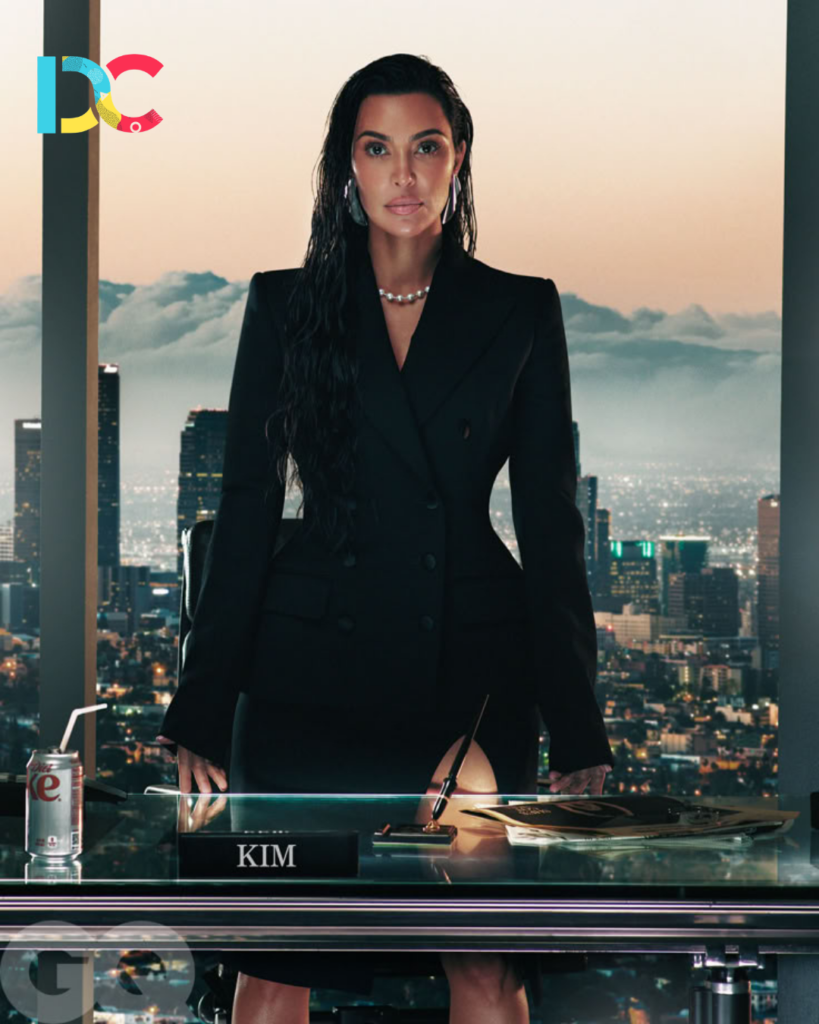
Kim Kardashian’s influence on fashion and beauty trends is undeniable. From monochromatic looks to luxury couture, she continues to shape global fashion conversations through her social media presence and business ventures.
Her minimalist luxury aesthetic remains highly influential.
BTS V
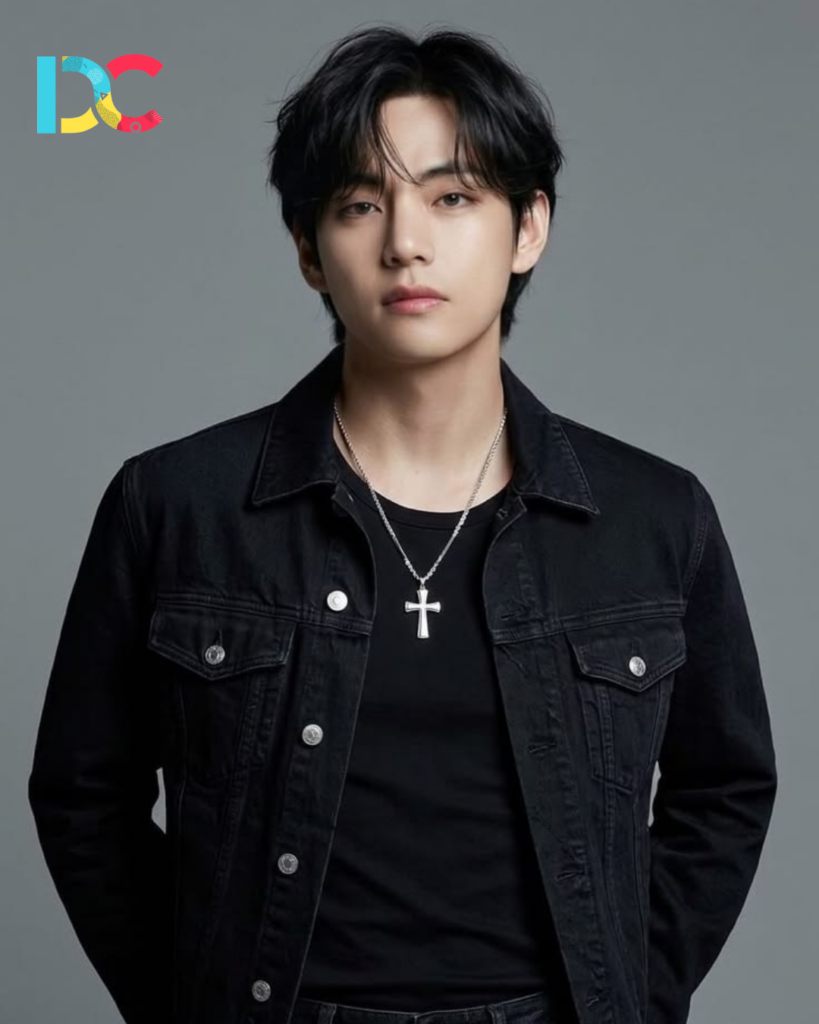
Kim Taehyung, popularly known as V, has emerged as one of the most fashionable K-pop stars in the world. His blend of classic tailoring, luxury fashion, and effortless streetwear has made him a favorite among fashion enthusiasts.
His influence extends across Asia, Europe, and North America.
Blake Lively
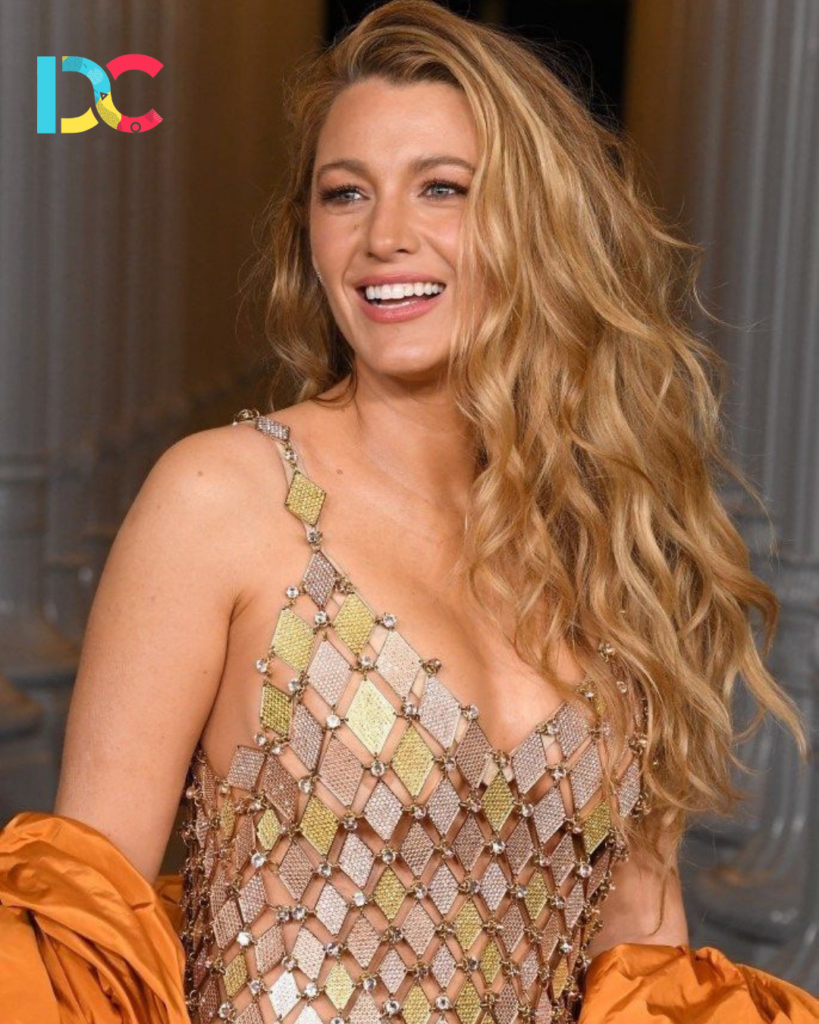
Blake Lively is known for her sophisticated and glamorous style. She often styles herself without a personal stylist, showcasing remarkable fashion instincts.
Her elegant red carpet appearances consistently earn praise from fashion critics.
Diljit Dosanjh
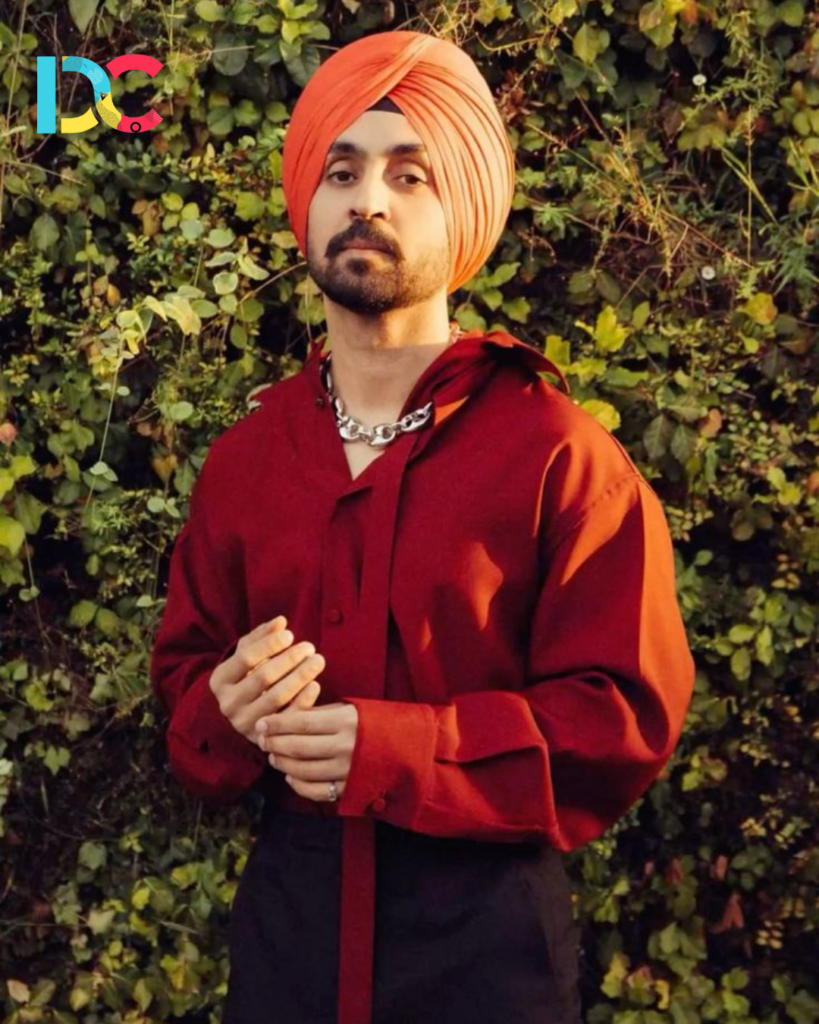
Diljit Dosanjh has emerged as a global fashion force by blending Punjabi culture with luxury streetwear and high-end fashion. His appearances at international fashion events and collaborations with luxury brands have made him one of the most stylish celebrities from India.
His unique style reflects cultural pride and contemporary fashion innovation.
Celebrity fashion significantly influences consumer behavior, luxury fashion trends, and social media conversations. Today’s style icons don’t just wear clothes they shape global fashion movements.
From sustainable fashion and gender-fluid styling to luxury streetwear and digital fashion trends, celebrities continue to drive innovation in the fashion industry.
The world’s most stylish celebrities are more than entertainers; they are cultural trendsetters. Whether it’s Zendaya’s red carpet dominance, Harry Styles’ fashion experimentation, Rihanna’s fearless creativity, or Deepika Padukone’s global elegance, each celebrity on this list has redefined what it means to be fashionable in the modern era.
As fashion continues to evolve, these style icons will undoubtedly remain at the forefront of global trends and inspire future generations of fashion enthusiasts.
Also Read: Most Stylish K-Pop Stars Dominating Global Fashion
Entertainment
Most Stylish Footballers in the World
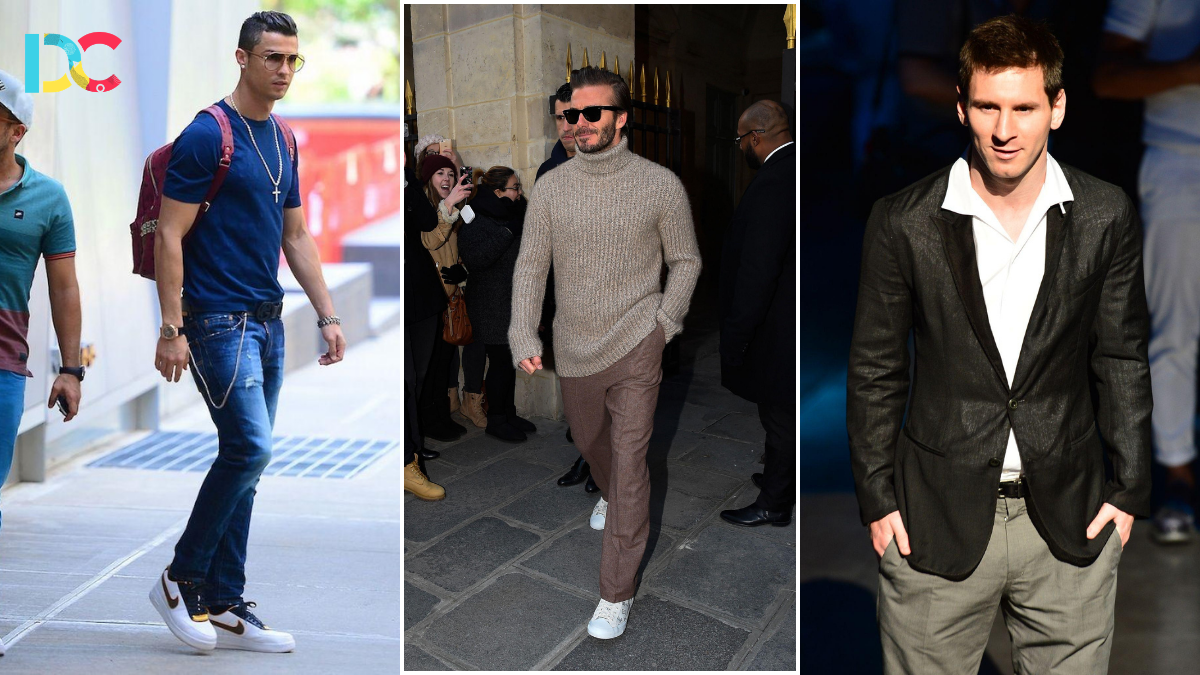
Football is no longer just about goals, trophies, and match-winning performances. Today’s biggest football stars are also global fashion icons, luxury trendsetters, and social media influencers. From red carpet appearances to designer collaborations, stylish footballers are redefining modern celebrity culture. Their hairstyles, watches, sneakers, suits, and streetwear choices inspire millions of fans across the world.
In this article, we explore some of the most stylish footballers in the world who dominate both the football pitch and the fashion scene.
Why Footballers Are Global Fashion Icons
Modern footballers enjoy massive global visibility. With millions of followers on Instagram and partnerships with luxury fashion brands, players are constantly in the spotlight. Their lifestyles blend sports, luxury travel, fashion, grooming, and high-end living.
Fashion brands now actively collaborate with football stars because they influence youth culture, luxury buyers, and streetwear trends worldwide. From tailored suits to casual airport looks, footballers have become style references for an entire generation.
Cristiano Ronaldo: The Luxury Style King
Cristiano Ronaldo represents sophistication, luxury, and confidence. Known for his perfectly tailored suits, premium watches, and polished grooming, Ronaldo has built a fashion image that reflects elegance and power.
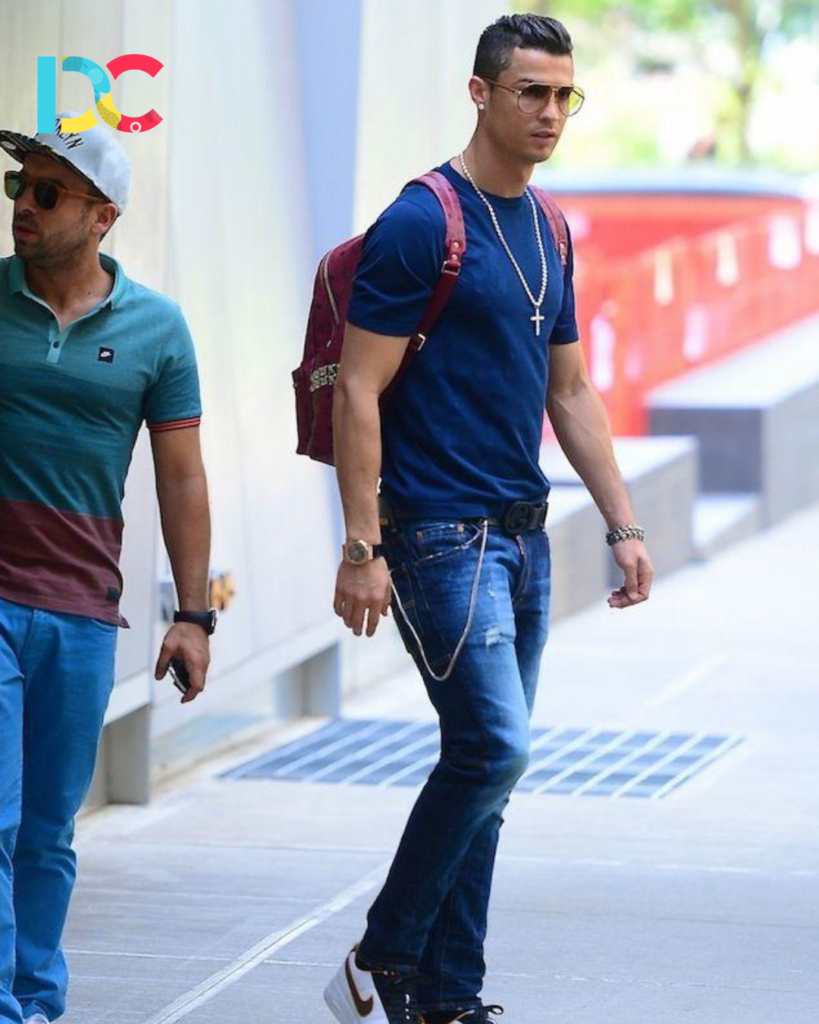
His collaborations with luxury brands and lifestyle ventures have made him one of the most fashionable athletes globally.
Lionel Messi: Minimal, Elegant & Timeless
Lionel Messi’s style is clean, classy, and effortlessly elegant. Unlike louder fashion personalities, Messi prefers refined luxury with subtle sophistication. His suit appearances, luxury casual outfits, and premium watches reflect understated class.
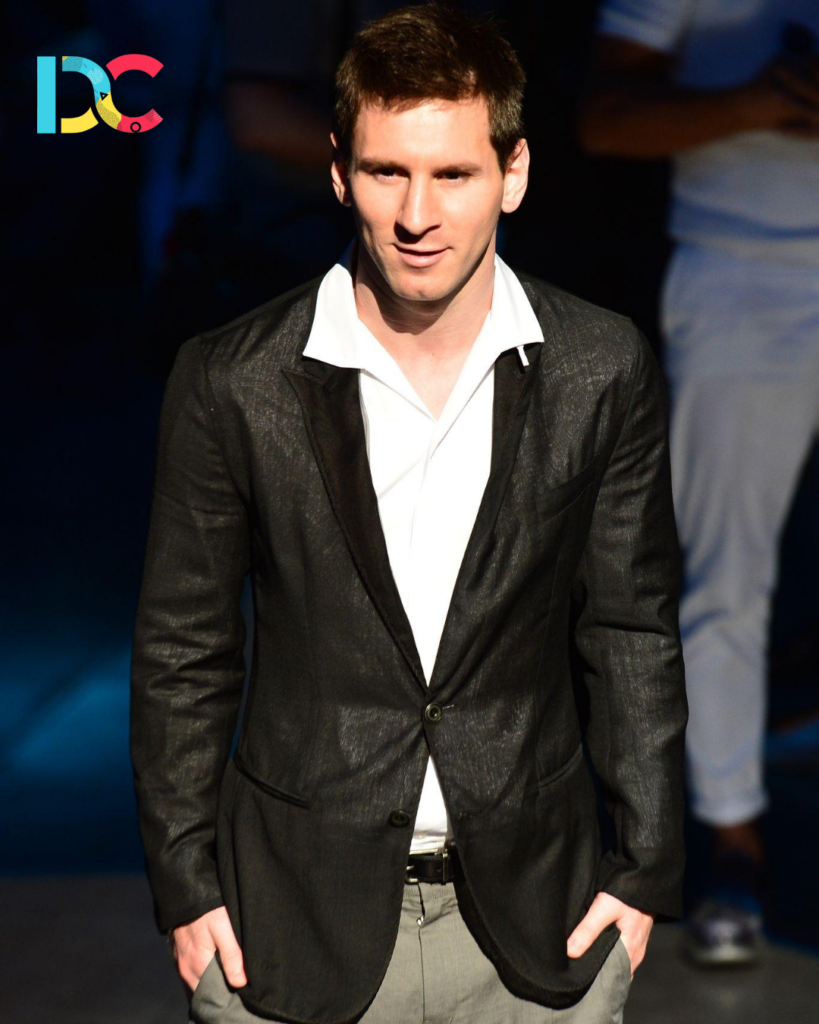
Over the years, Messi has evolved into one of football’s most respected style icons while maintaining his humble image.
David Beckham: Football’s Original Fashion Superstar
David Beckham changed football fashion forever. From hairstyles and tattoos to luxury menswear and casual street style, Beckham became a global men’s fashion icon long before social media existed.
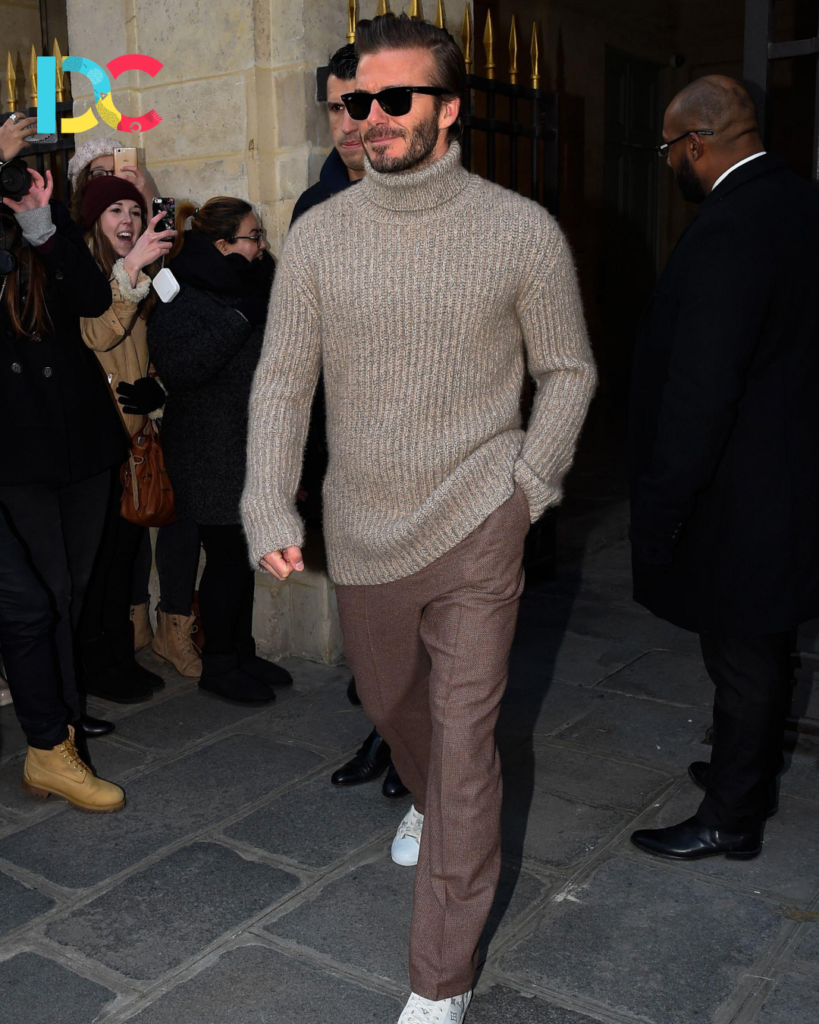
Even after retirement, Beckham remains one of the most stylish athletes in the world.
Neymar Jr: Streetwear Meets Luxury
Neymar Jr brings bold energy to football fashion. From colorful outfits and designer sneakers to statement accessories, Neymar combines streetwear culture with luxury fashion effortlessly.
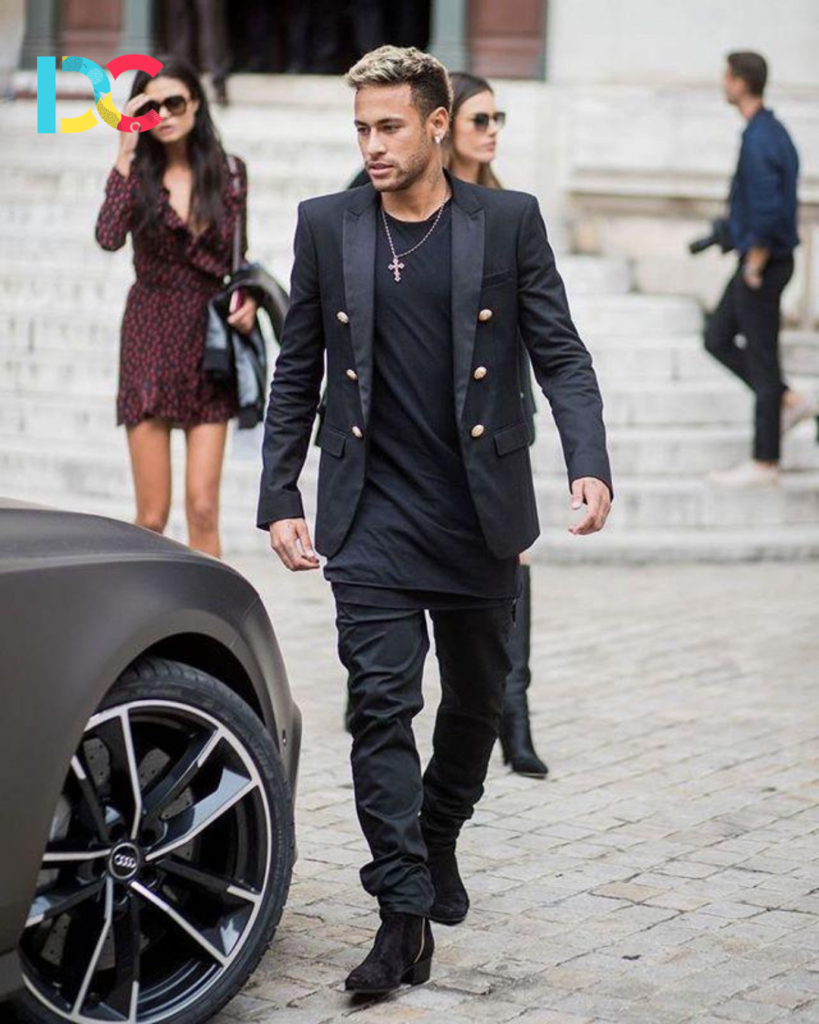
His youthful and fearless style makes him highly influential among younger audiences.
Kylian Mbappé: The Modern Fashion Face
Kylian Mbappé represents modern luxury fashion with a clean and youthful approach. His polished casual outfits and smart styling reflect the new generation of athlete fashion culture.
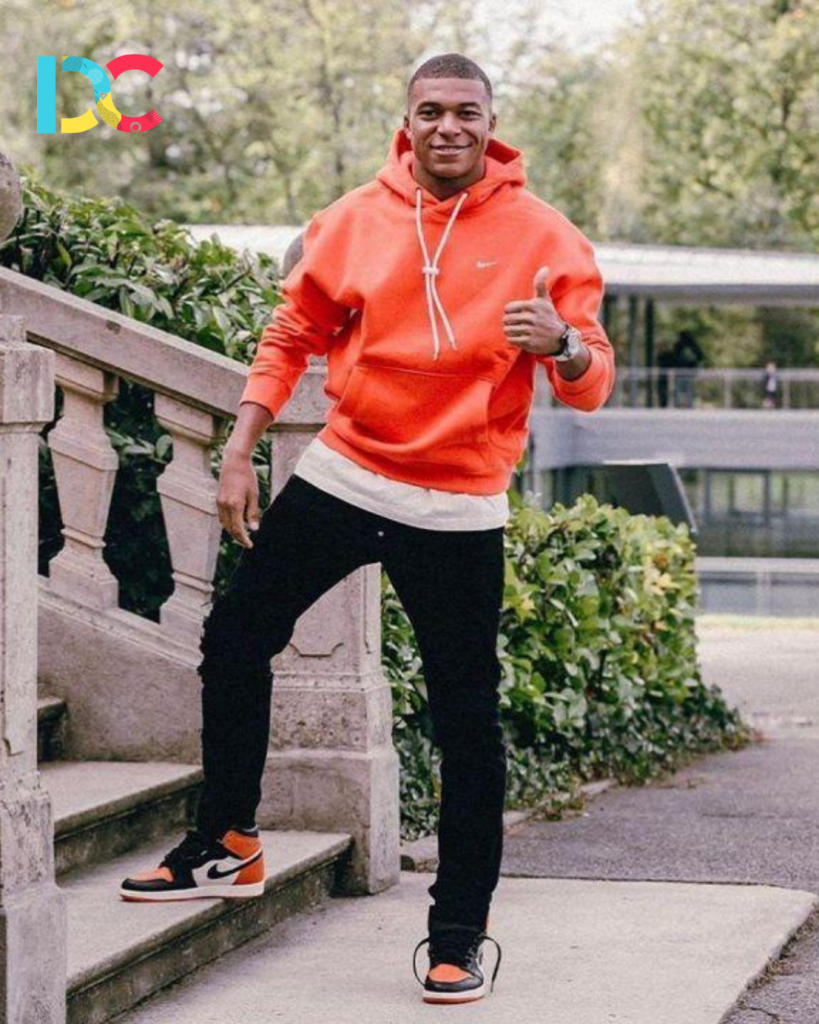
Mbappé’s growing influence in fashion continues to make him a global youth icon.
Paul Pogba: Bold, Fearless & Trendy
Paul Pogba is famous for his daring hairstyles, vibrant outfits, and luxury streetwear fashion. He embraces individuality and creativity through his style choices.
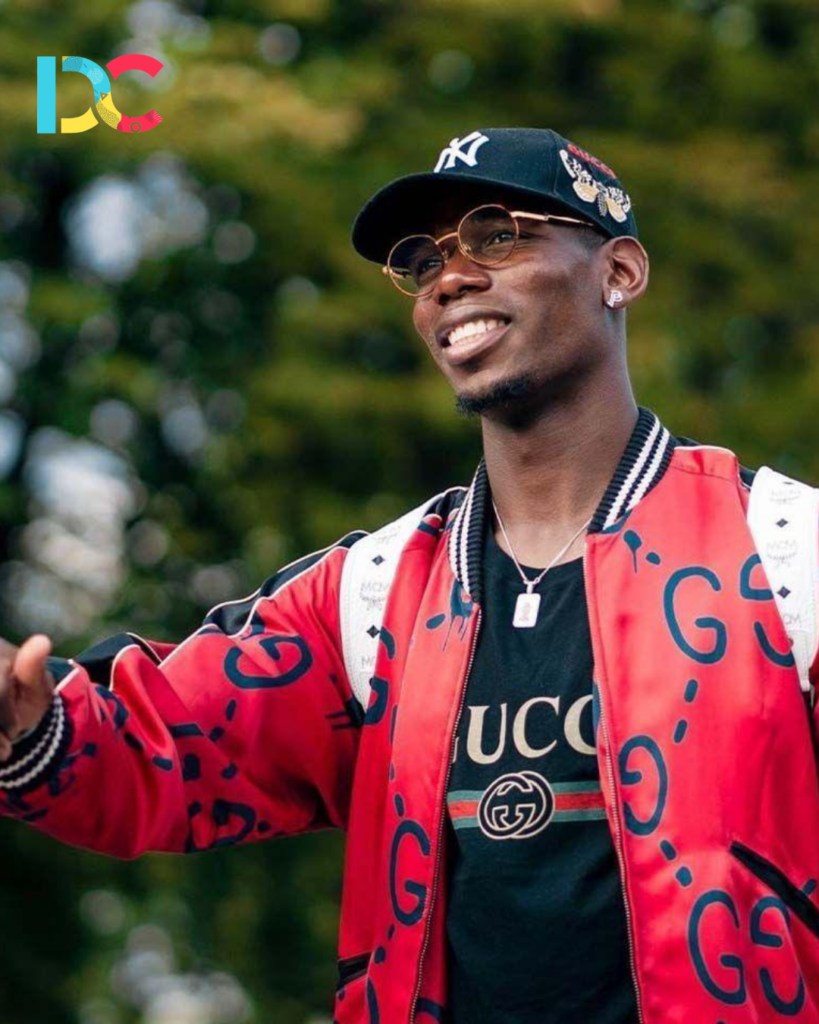
Pogba’s confident fashion sense has made him one of football’s most expressive personalities.
Héctor Bellerín: High Fashion & Sustainable Style
Héctor Bellerín is widely respected in the fashion world for his experimental and runway-inspired looks. He frequently attends global fashion events and supports sustainable fashion.
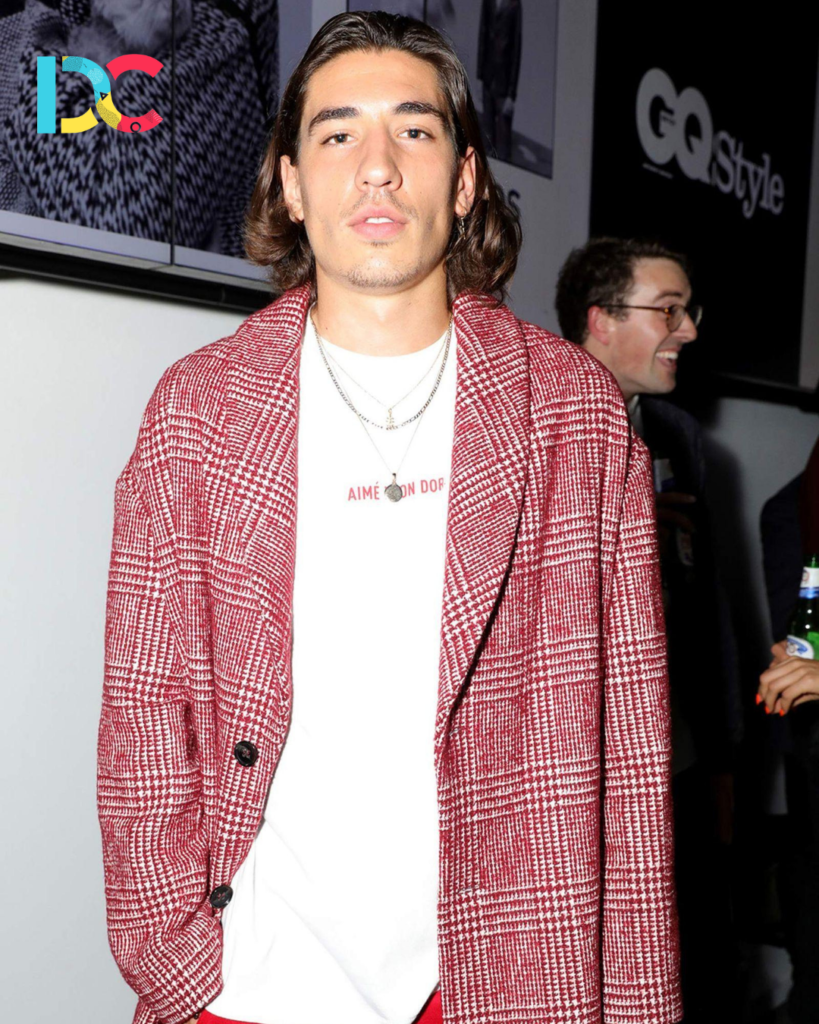
His fashion-forward personality makes him stand out from traditional athlete styling.
Sergio Ramos: Rugged Luxury Style
Sergio Ramos combines masculine elegance with luxury street fashion. His beard styles, tattoos, and sharp outfits create a strong and confident image.
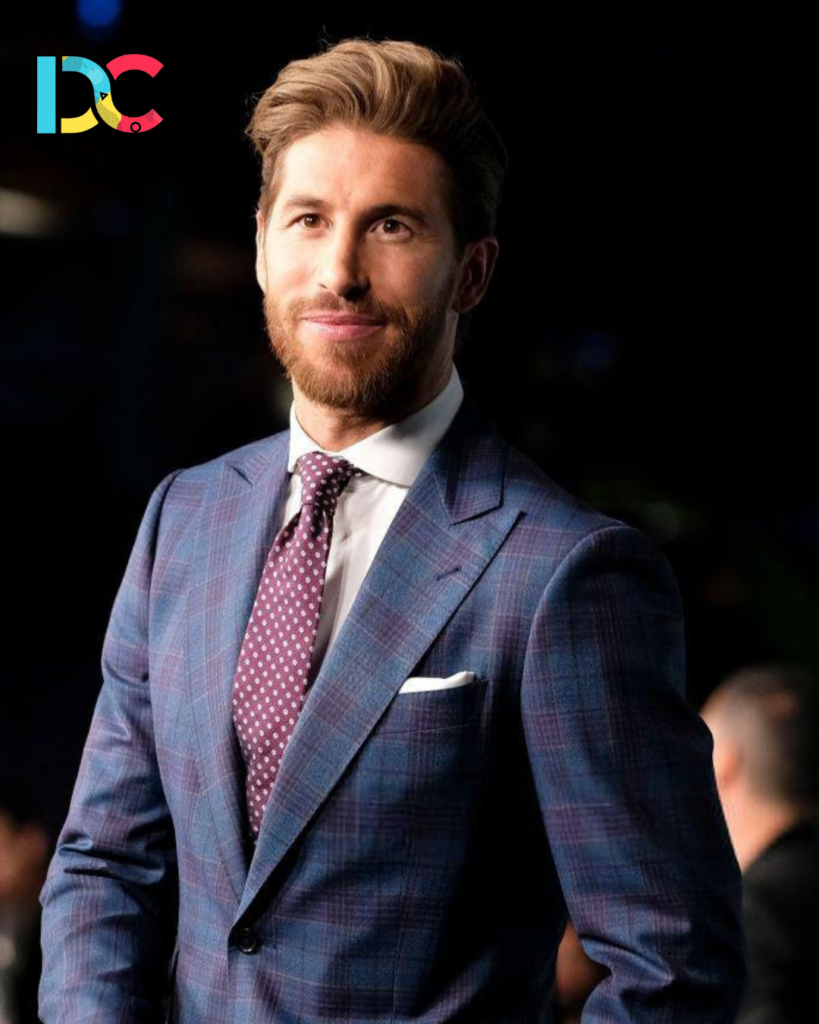
Ramos is especially admired for blending classic menswear with edgy styling.
Antoine Griezmann: Cool & Casual Trendsetter
Antoine Griezmann is known for his playful and stylish personality. His relaxed luxury fashion choices and sneaker culture influence make him popular among fans.
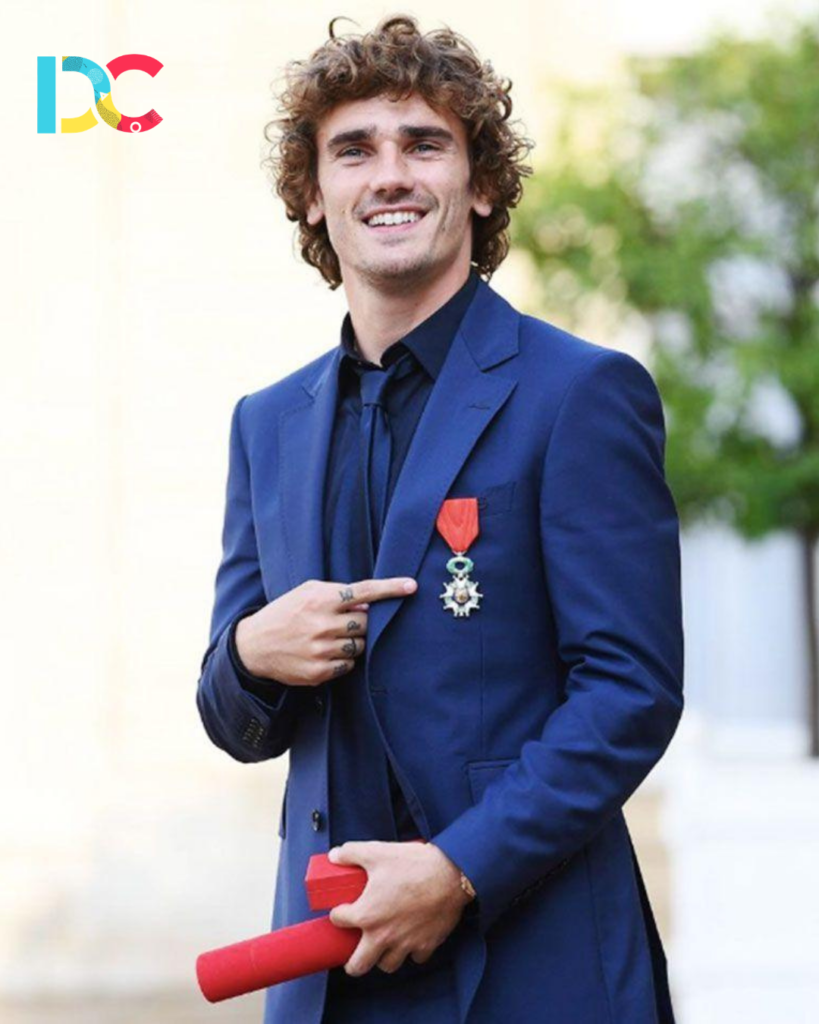
His fashion sense balances comfort, trendiness, and personality.
Jude Bellingham: Gen Z Fashion Influence
Jude Bellingham is quickly becoming one of football’s most stylish young stars. His modern streetwear looks, luxury collaborations, and confident personality appeal strongly to Gen Z audiences.
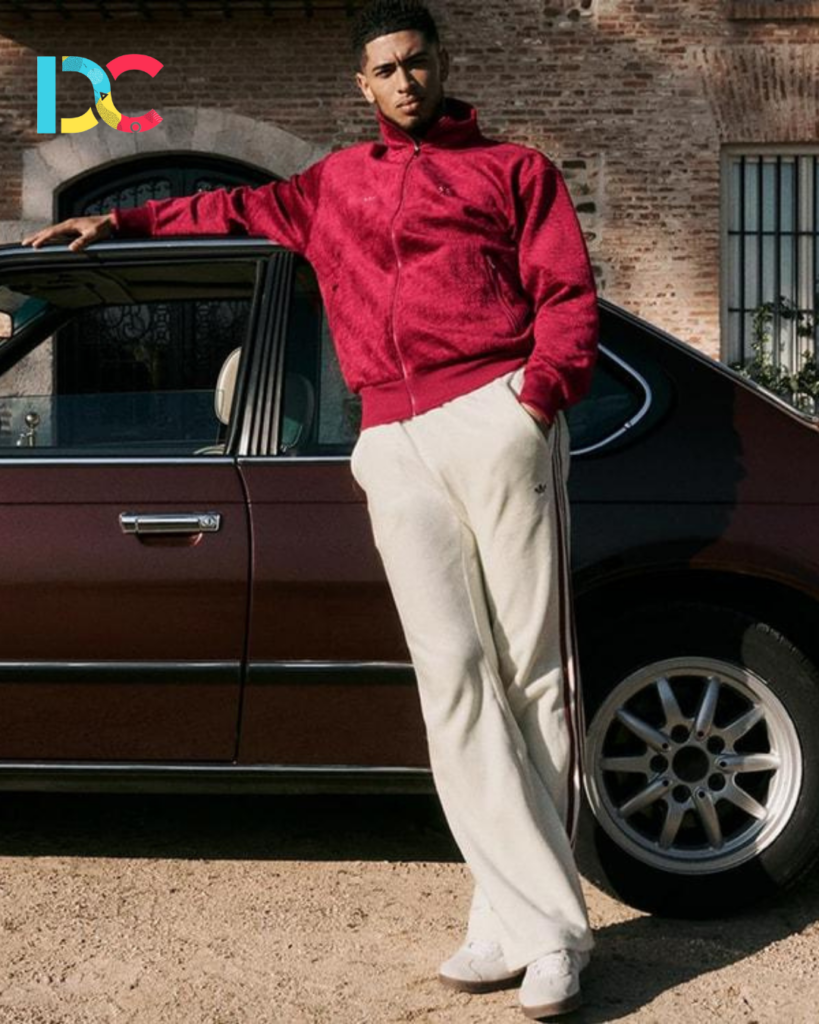
He represents the future of football fashion culture.
The most stylish footballers in the world prove that fashion and football now go hand in hand. Whether it is Cristiano Ronaldo’s luxury elegance, Messi’s timeless sophistication, Neymar’s bold streetwear, or Beckham’s classic style, these players continue to inspire millions beyond the football pitch.
As sports and luxury culture continue to merge, footballers will remain among the biggest trendsetters in global fashion and lifestyle industries.
Also Read: Most Stylish Cricketers in the World

Best Indian Designers Redefining Global Luxury

Most Stylish Social Media Stars: Digital Fashion Icons Defining 2026

The Dark Side of Fake Spirituality on Social Media

Top 5 Most Dangerous Zodiac Signs Based on Their Personality Traits

Most Iconic FIFA World Cup Jerseys of All Time

Why Aquarius Signs Are Visionaries Ahead of Their Time

Shakira and FIFA World Cup: From Waka Waka to Dai Dai 2026

The Rise of Spiritual Luxury Travel: Retreats, Wellness & Culture

Top Female Entrepreneurs Who Started as Influencers

Signs You’re Going Through a Spiritual Awakening

Dorsia, Gurgaon’s One Of The Biggest BYOBs
Top 10 Best Dressed Politicians In The World
Breaking the Mold: How Demon Slayer Redefines the Shonen Genre?
15 Best Quotes Of Toy Story About Friendship.

Sabrina Carpenter’s Man’s Best Friend and the Politics of Pop Imagery

The NOU Walk Of Life : New Talk of Town in Luxury Footwear
Emerging Fashion Designers India Contest Wraps Up in the Most Spectacular Fashion
The Most Memorable Highlights from the 2025 Academy Awards
Kaftans: The New Festive Staple Taking Over Indian Wardrobes
Are Live-Action Adaptations a Risky Bet for Studios?
-
 Entertainment7 months ago
Inside the Creator Economy: Who’s Making Millions in 2026?
-
 Events6 months ago
Top 10 Best Dressed Female Politicians in the World
-
 Horoscope6 months ago
Why Scorpio Is So Attractive And Hard to Handle
-

 Fashion6 months ago
Best Mother’s Day Gifts 2026
-

 Events7 months ago
7 Ways to Make Your Mom Feel Special This Mother’s Day
-
 Beauty5 months ago
Most Stylish Indian Female News Anchors Who Redefine Glamour & Journalism
-
 Horoscope6 months ago
The Dark Side of Every Zodiac Sign
-
 Horoscope5 months ago
Why Scorpio Are Magnetic in Love and Leadership
Pingback: Weekly Pop Culture Recap: Beyoncé Wears Custom Manish Malhotra at Cowboy Carter Tour Stop in Paris, Prada SS26 Criticized for Uncredited Use of Kolhapuri-Inspired Sandals - The Pop Culture Revolution
Pingback: The Rise of Micro-Influencers: Why Big Celebs Are Losing Power - The Pop Culture Revolution