
Lifestyle
Luxury Mindset: How Rich People Think Differently
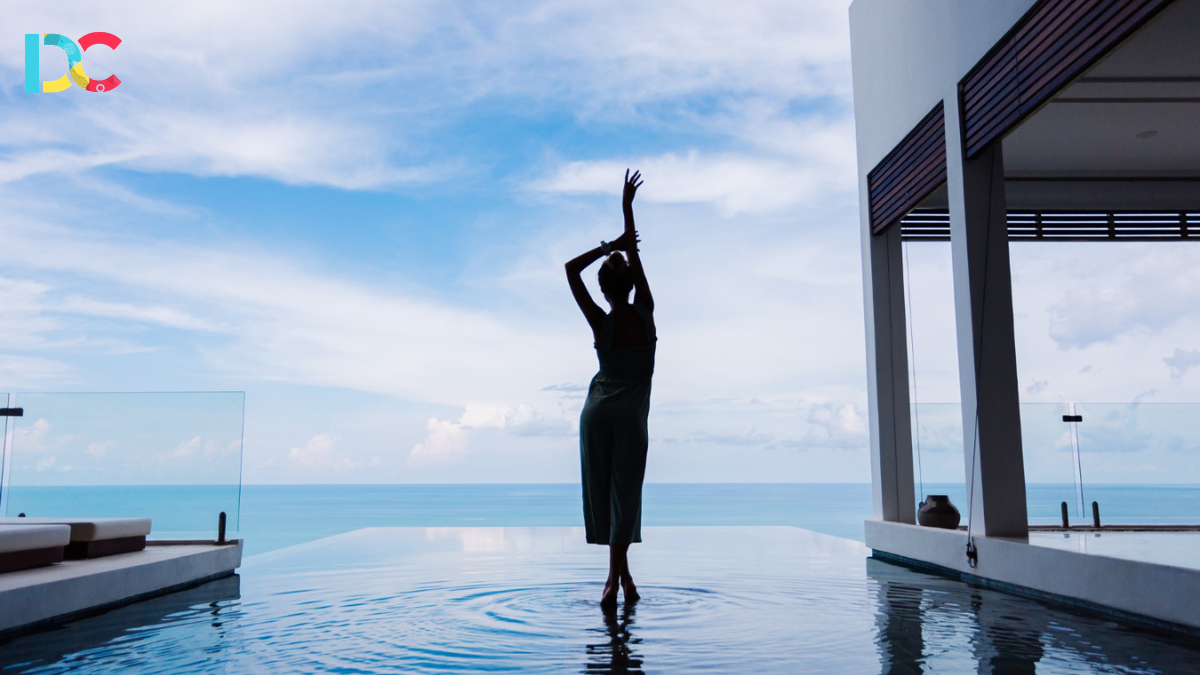
Success is rarely just about money it begins with mindset. Wealthy individuals often approach life, decisions, and opportunities differently than the average person. The “luxury mindset” is not merely about owning expensive cars, designer brands, or lavish homes; it’s about thinking strategically, valuing time, and building lasting wealth.
They Focus on Assets, Not Appearances
Wealthy people often prioritize building assets over chasing appearances. Instead of spending most of their income on luxury cars, designer brands, or temporary status symbols, they focus on investments that appreciate or generate income over time. They are more likely to put money into businesses, real estate, stocks, or valuable skills that create financial growth. Their mindset is centered on ownership and wealth creation, understanding that true luxury comes from financial strength rather than simply looking successful.
They Value Time More Than Money
Rich people often see time as their most valuable resource because unlike money, time cannot be recovered. This is why they focus on efficiency, delegation, and scalability. They invest in systems, teams, or services that allow them to free up their schedule for bigger opportunities. Instead of working endlessly for income, they think about how to make their time produce greater returns through smart decisions, investments, and strategic action.
They Think Long-Term
One of the defining traits of wealthy thinking is long-term vision. Rather than focusing only on immediate pleasure or short-term rewards, rich people often make decisions based on future outcomes. They are willing to wait for larger gains, understanding the value of patience, compound growth, and strategic planning. Whether it’s investing, business building, or personal branding, they often think years ahead while others focus only on today.

They See Opportunities Where Others See Risk
Many wealthy individuals think differently about uncertainty. While others may avoid risk completely, rich people often study it, understand it, and use it to their advantage. They know that major opportunities often exist where others hesitate. Instead of being paralyzed by fear, they focus on informed decision-making. Their ability to recognize potential in changing markets, emerging industries, or unconventional ideas often allows them to stay ahead.
They Build Powerful Networks
Rich people understand that success is rarely built alone. They place great value on relationships, connections, and strategic networking. By surrounding themselves with ambitious, knowledgeable, and influential individuals, they increase access to opportunities, partnerships, and insights. They know that the right environment can elevate their growth and that valuable connections often open doors faster than effort alone.
They Invest in Themselves
Wealthy thinkers often treat self-development as one of the highest-return investments. They continuously improve their knowledge, communication, leadership, and financial intelligence. They read, learn, hire mentors, and develop skills that increase their value in the marketplace. They understand that the more capable and informed they become, the more opportunities they can create.

They Control Emotions Around Money
A luxury mindset often includes emotional discipline. Rich people generally avoid impulsive financial decisions driven by ego, pressure, or trends. They think strategically, relying on logic and data more than emotion. This allows them to preserve wealth, avoid unnecessary losses, and make smarter long-term financial choices.
They Build Multiple Income Streams
Wealthy people rarely depend on a single source of income. They often create multiple streams through investments, businesses, partnerships, or passive income sources. This approach not only increases wealth but also creates financial security. Their mindset is focused on expansion, ensuring money works for them from different directions.
They Understand the Power of Branding
Rich people often recognize that perception and positioning matter. They invest in personal branding, reputation, and authority because they know opportunities are often attracted to those seen as credible and valuable. Whether in business or career, they understand that how they present themselves can significantly influence their earning potential.
They Define Luxury as Freedom
Above all, wealthy individuals often view luxury not just as material abundance but as freedom. Freedom of time, freedom of choice, and freedom from constant financial stress become their ultimate goal. For them, true wealth is the ability to live life on their own terms, making decisions based on desire rather than necessity.
The luxury mindset is less about spending and more about strategic thinking. Rich people often think differently because they prioritize growth, ownership, discipline, and long-term freedom.
You don’t need millions to start thinking like the wealthy you need perspective, strategy, and consistent action.
Also Read: Michael (2026): The King of Pop’s Epic Biopic Is Here And It’s Breaking Records
Business
Best Indian Designers Redefining Global Luxury
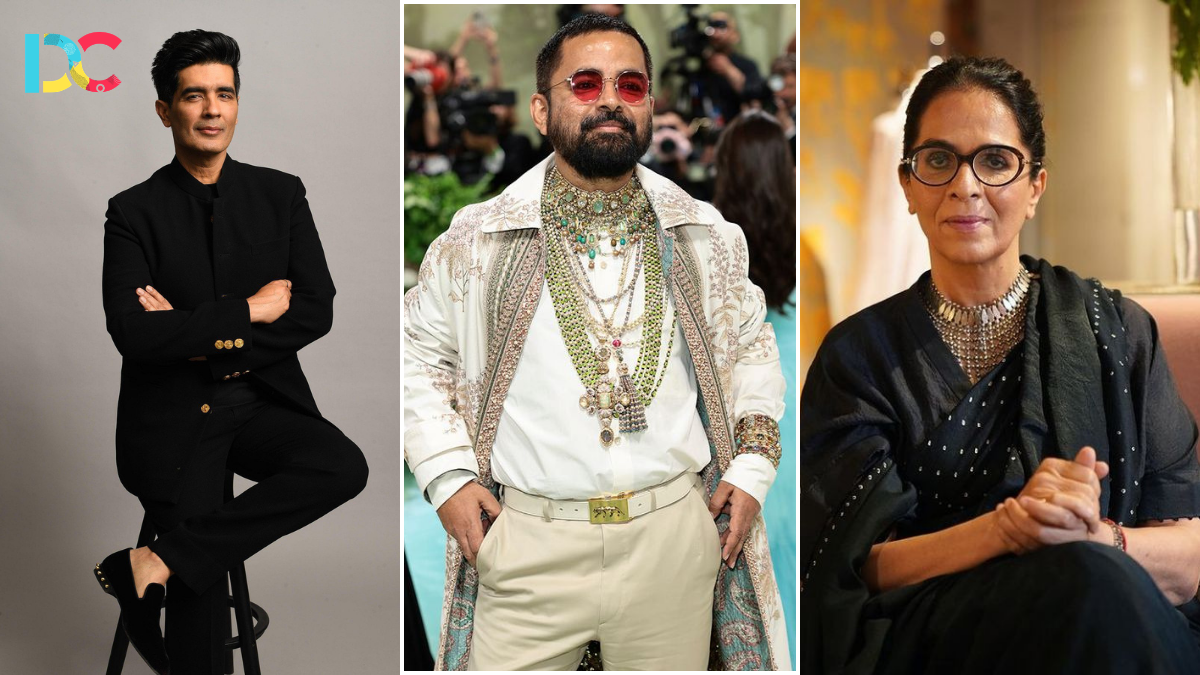
Global luxury is no longer defined only by Paris, Milan, London, and New York. Today, India is becoming one of the most powerful voices in the world of couture, bridal fashion, sustainable luxury, handcrafted textiles, and red-carpet glamour. The new definition of luxury is not just about expensive labels; it is about storytelling, craftsmanship, cultural identity, exclusivity, and emotional value. This is exactly where Indian designers are leading the conversation.
From Sabyasachi’s royal Indian aesthetic to Rahul Mishra’s couture storytelling, from Gaurav Gupta’s sculptural red-carpet gowns to Manish Malhotra’s glamorous global expansion, Indian designers are proving that luxury can be deeply rooted in heritage while still looking modern, international, and aspirational.
In 2026, India’s presence in global couture became even stronger, with Indian names such as Rahul Mishra, Gaurav Gupta, Vaishali S, and Manish Malhotra being discussed around Paris Couture Week, one of the most prestigious fashion platforms in the world.
Why Indian Designers Are Becoming Global Luxury Leaders
Indian fashion has always had the ingredients of luxury: hand embroidery, rare textiles, regal silhouettes, jewellery-inspired detailing, and generations of artisanal knowledge. What has changed now is global recognition. Earlier, Indian craftsmanship often worked behind the scenes for international luxury houses. Today, Indian designers and ateliers are claiming their own space on the global stage.
A Financial Times report recently highlighted how Indian embroidery and craftsmanship continue to play a major role in French couture and luxury ready-to-wear, while designers like Rahul Mishra and Indian craft houses are increasingly bringing Indian artistry to the front of the global fashion conversation.
This shift is important because Indian luxury is not trying to copy Western luxury. Instead, it is building its own identity through heritage, emotion, handwork, sustainability, and cultural storytelling.
1. Sabyasachi Mukherjee: The King of Indian Luxury Fashion
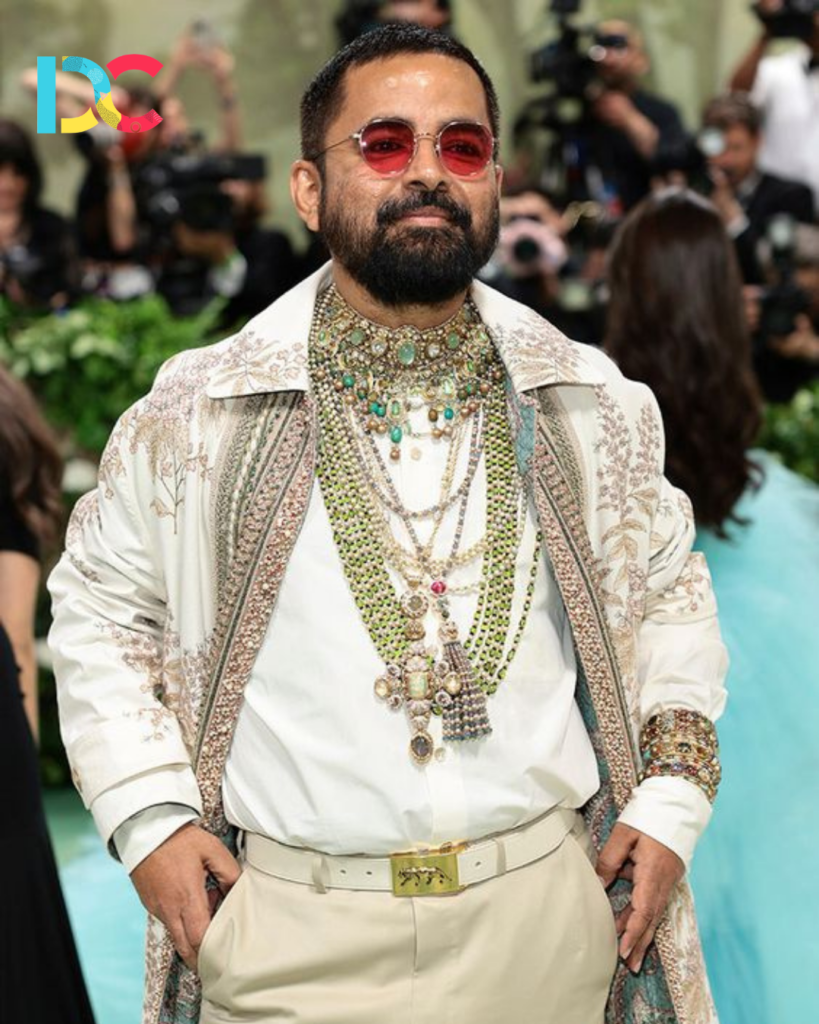
When people search for Indian luxury fashion designers, Sabyasachi is often the first name that comes to mind. His brand has become synonymous with royal bridal wear, heritage jewellery, rich textiles, and a strong Indian visual identity.
Sabyasachi has successfully turned Indian bridal fashion into a global luxury language. His designs are worn by celebrities, brides, collectors, and luxury consumers across the world. What makes Sabyasachi special is his ability to create an entire universe around Indian opulence. His stores, campaigns, jewellery, handbags, and couture collections all carry a signature world of vintage glamour, Bengal-inspired artistry, and regal India.
The brand’s international growth has also strengthened its position as a global Indian luxury house. Sabyasachi’s official history notes the launch of its first international flagship store in New York, with a mission to shift the perception from “made in India” to “designed and made in India.” The brand has also presented at Bergdorf Goodman and Harrods, bringing Indian craftsmanship to premium international luxury audiences.
2. Rahul Mishra: India’s Couture Storyteller at Paris Haute Couture Week
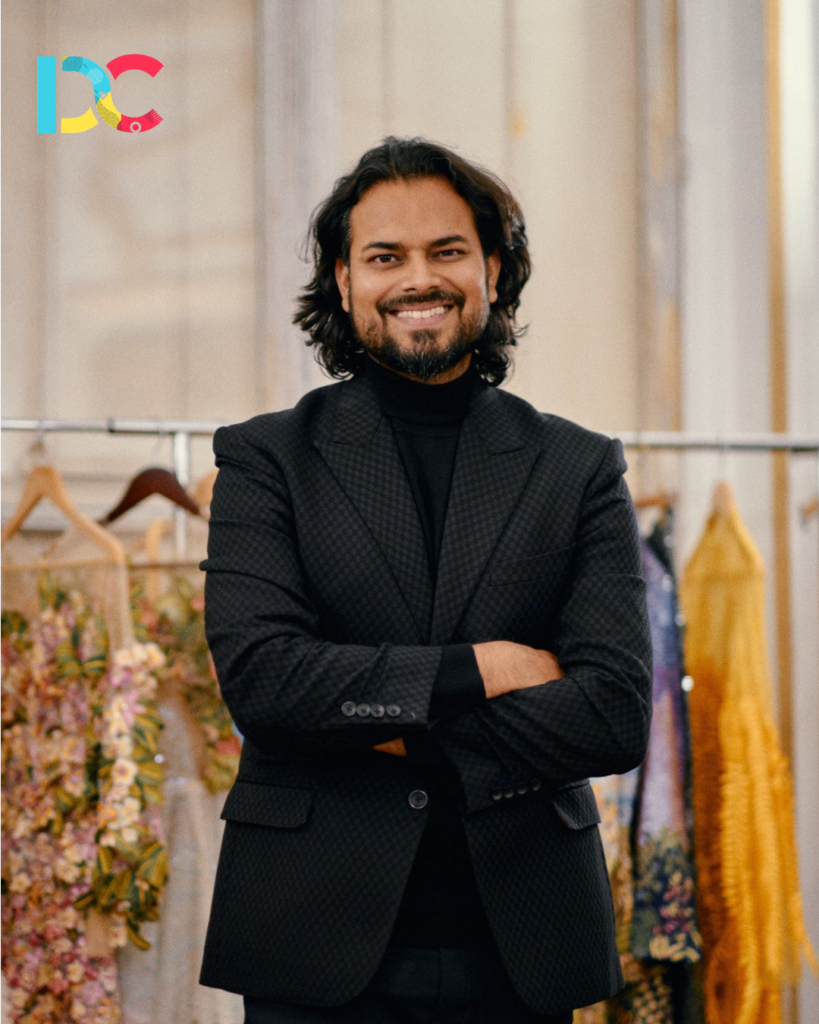
Rahul Mishra is one of the strongest Indian names in global couture. Known for slow fashion, intricate handwork, nature-inspired designs, and deeply artistic storytelling, he has brought Indian craftsmanship into the most respected couture spaces.
Rahul Mishra’s official brand profile states that he was the first Indian designer invited to showcase at Paris Haute Couture Week and that his work is rooted in sustainability, empowerment, and local craft communities. His brand philosophy of “As Slow As Possible” places craft, time, and human skill at the centre of luxury.
In July 2026, Rahul Mishra’s “Devi: The Eternal Muse” collection at Paris Haute Couture Week again put Indian mythology, temple art, embroidery, and sculpture-inspired design in the global spotlight. Cardi B appeared in a custom Rahul Mishra gown inspired by Indian temple sculpture, creating a strong pop-culture moment for Indian couture.
3. Gaurav Gupta: The Sculptor of Modern Indian Couture
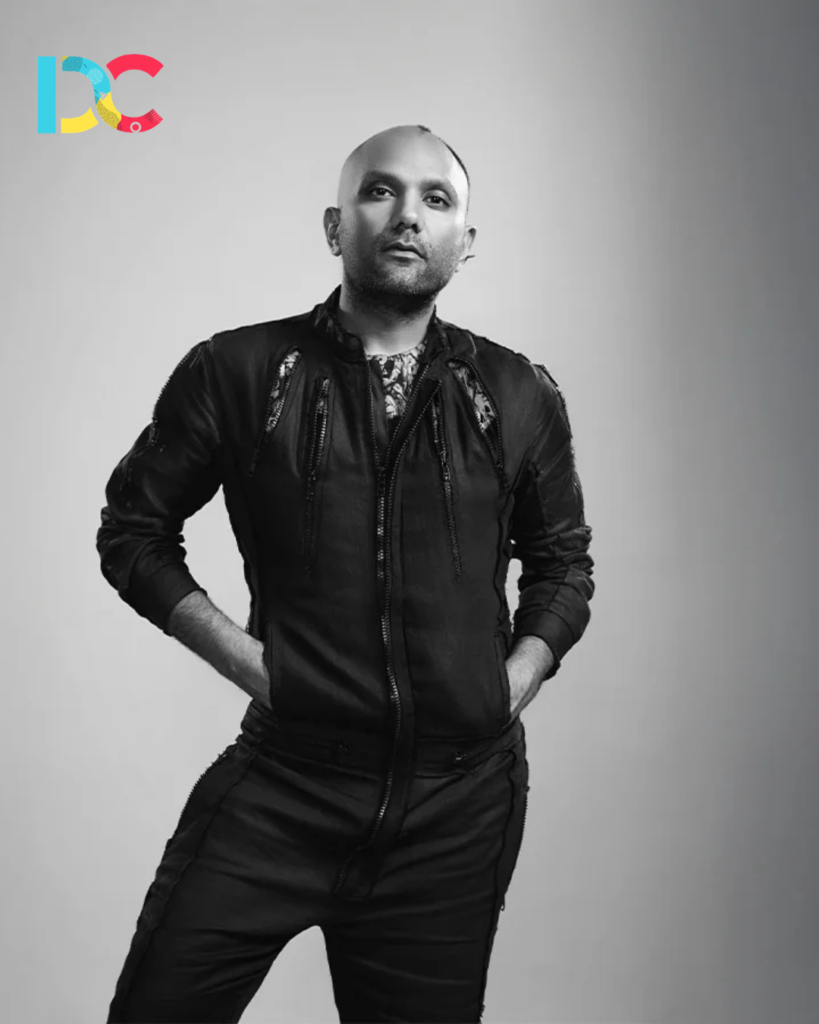
Gaurav Gupta represents the bold, futuristic side of Indian luxury fashion. His work is dramatic, sculptural, fluid, and red-carpet ready. Unlike traditional bridal-heavy Indian couture, Gaurav Gupta has built a strong identity through experimental shapes, metallic finishes, cosmic themes, and architectural gowns.
His designs have become popular among global celebrities because they photograph beautifully and create instant impact. At Paris Haute Couture Week Spring/Summer 2026, Gaurav Gupta returned with “Divine Androgyne,” a collection inspired by Indian spiritual philosophy, cosmic duality, and the idea of Ardhanarishvara.
This is where Gaurav Gupta stands apart. He does not present Indian fashion only through embroidery or ethnic silhouettes. Instead, he translates Indian philosophy into futuristic global couture. His work shows that Indian luxury can be conceptual, avant-garde, and international.
4. Manish Malhotra: Bollywood Glamour Goes Global
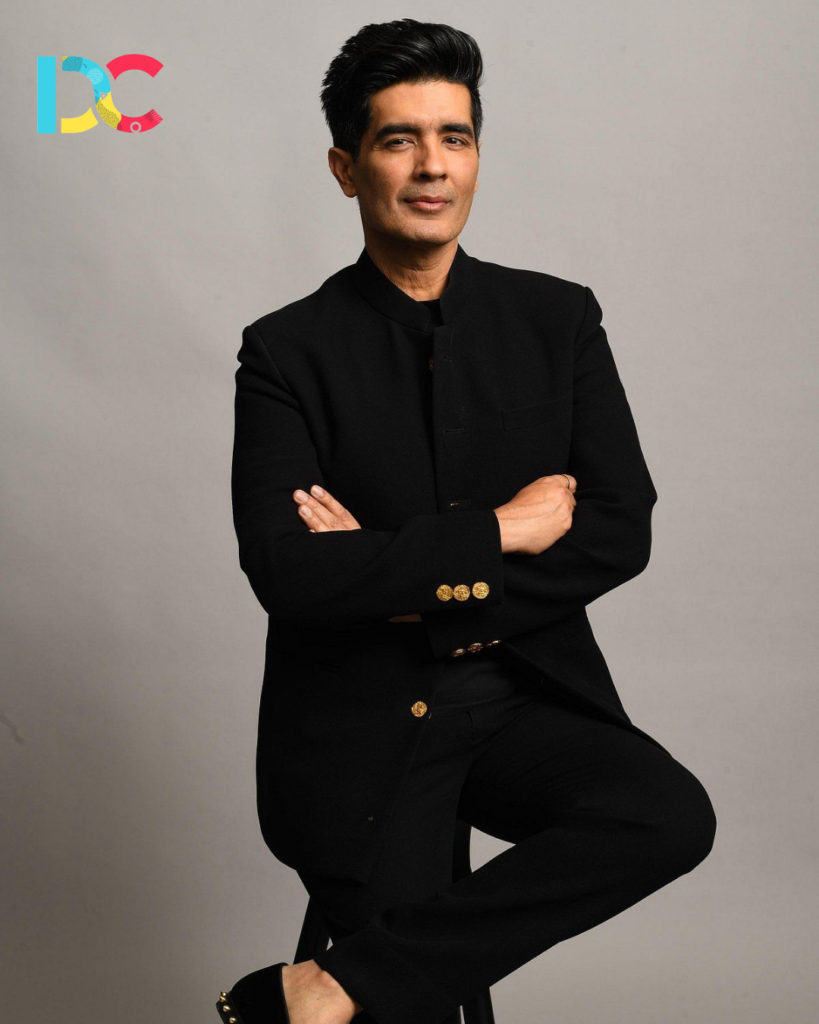
Manish Malhotra has played a huge role in shaping modern Indian glamour. For decades, his designs have defined Bollywood fashion, celebrity style, bridal wear, and occasion dressing. Today, his brand is expanding from Indian film-inspired luxury to a global couture identity.
Manish Malhotra opened his first global flagship store at Dubai Mall’s Fashion Avenue in 2023, marking a major step in taking Indian couture to international luxury retail. In 2026, he was also listed as a guest house at Paris Haute Couture Week Fall/Winter 2026, showing how Indian couture is entering more formal global fashion institutions.
His strength lies in combining cinematic glamour with Indian embroidery, modern silhouettes, festive wear, and luxury occasion dressing. For global Indian consumers, especially NRIs and luxury wedding buyers, Manish Malhotra represents celebration, scale, glamour, and star power.
5. Anita Dongre: Sustainable Indian Luxury for the Global Woman
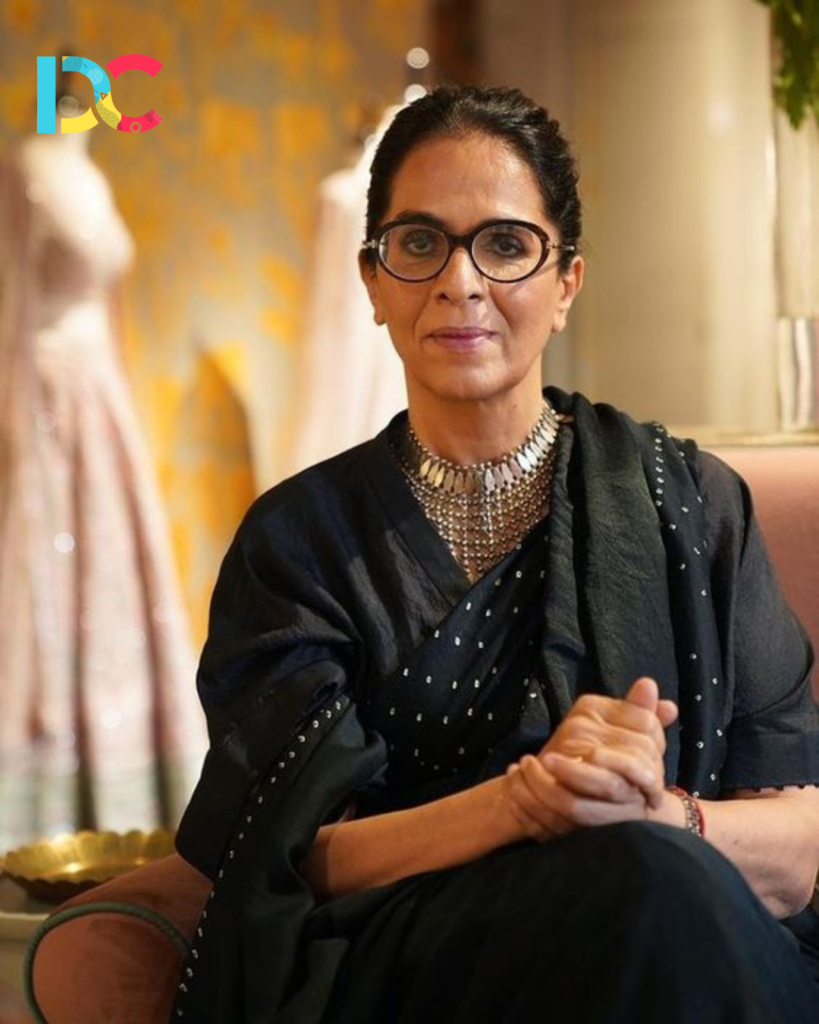
Anita Dongre brings a softer, more conscious side to Indian luxury fashion. Her brand focuses on heritage crafts, handlooms, sustainability, and wearable elegance. She has built a fashion empire that connects Indian artisanship with modern lifestyle dressing.
The House of Anita Dongre highlights Indian handlooms, handicrafts, textures, and traditional design on its official platform, while the Anita Dongre Foundation works toward artisan training and sustainable livelihood creation. Her global presence has also expanded through stores and international retail visibility, including New York and other luxury markets.
Anita Dongre’s importance lies in the fact that she makes Indian luxury feel wearable, ethical, and globally approachable. Her designs appeal to women who want elegance without excessive heaviness.
6. Vaishali S: Textile Innovation Meets Global Couture
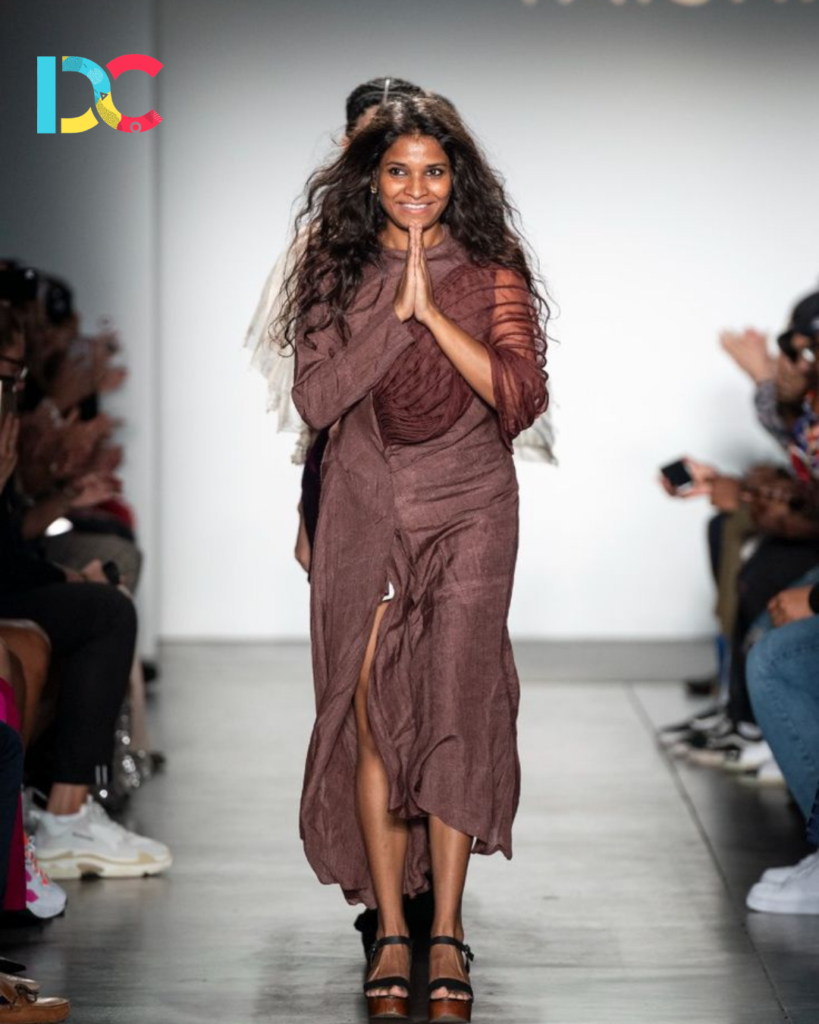
Vaishali S is another important Indian designer gaining international recognition. Her work is known for textile experimentation, handwoven structures, and sculptural forms. She brings a deeply craft-led but contemporary approach to couture.
Her presence alongside names like Rahul Mishra, Gaurav Gupta, and Manish Malhotra in Paris Couture Week conversations shows that Indian designers are no longer limited to bridal wear or domestic fashion weeks. They are becoming part of the global couture system.
7. Ritu Kumar: The Heritage Pioneer of Indian Designer Fashion
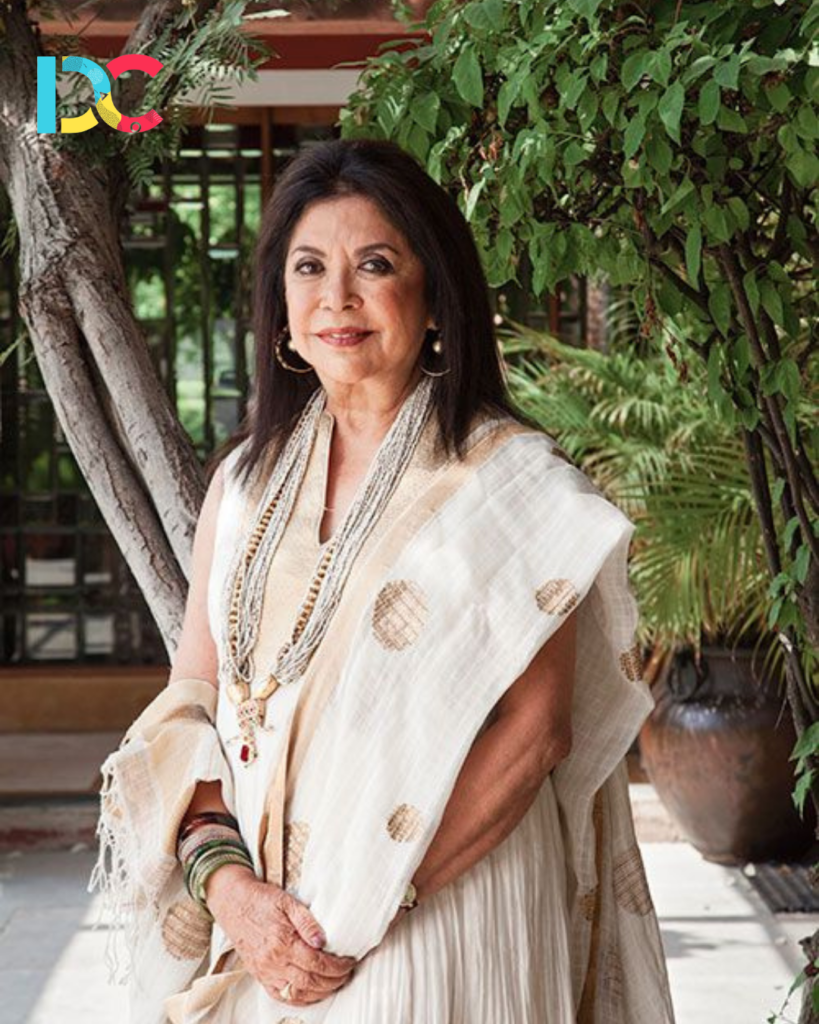
Ritu Kumar is one of the most respected names in Indian fashion. Long before Indian luxury became a global conversation, she worked with traditional textiles, embroidery, prints, and Indian silhouettes. Her brand helped build the foundation of India’s designer fashion industry.
Her labels continue to offer designer dresses, suits, lehengas, sarees, accessories, and bridal collections, keeping Indian heritage relevant for modern consumers. For global luxury, Ritu Kumar’s importance lies in preservation. She helped prove that India’s textile history could become premium fashion, not just costume or craft.
The Bigger Trend: Indian Craftsmanship Is the New Luxury Code
The rise of Indian designers is not just about famous names. It is also about the rise of Indian artisans, embroidery houses, textile communities, and craft clusters. Luxury consumers today are looking for authenticity, handmade value, cultural meaning, and sustainability. Indian fashion naturally offers all of this.
Global fashion is also becoming more transparent about the role of Indian craftsmanship. Vogue recently reported on Chanakya International, an Indian textile house known for its embroidery work with luxury houses such as Dior, Prada, and Fendi, launching its own label, Chorus, with international ambitions. This shows a bigger shift: Indian craft is no longer staying behind the curtain. It is becoming the main story.
India Is Not Following Global Luxury, It Is Redefining It
The best Indian designers redefining global luxury are not simply creating expensive clothes. They are changing the meaning of luxury itself. Sabyasachi brings royal Indian grandeur to the world. Rahul Mishra brings poetic couture and sustainability. Gaurav Gupta brings futuristic sculpture. Manish Malhotra brings cinematic glamour. Anita Dongre brings conscious elegance. Vaishali S brings textile innovation. Ritu Kumar brings heritage and legacy.
Together, they prove that Indian luxury is not a trend. It is a global movement built on craft, culture, emotion, artistry, and identity.
As the world looks for fashion with meaning, India’s designers are offering something far more powerful than logos: they are offering stories stitched by hand, shaped by history, and designed for the future.
FAQs
1. Who are the best Indian designers redefining global luxury?
Some of the best Indian designers redefining global luxury include Sabyasachi Mukherjee, Rahul Mishra, Gaurav Gupta, Manish Malhotra, Anita Dongre, Vaishali S, and Ritu Kumar.
2. Why are Indian fashion designers becoming globally popular?
Indian fashion designers are becoming globally popular because they combine heritage craftsmanship, hand embroidery, luxury textiles, sustainability, storytelling, and modern silhouettes.
3. Which Indian designers have showcased at Paris Couture Week?
Indian designers such as Rahul Mishra, Gaurav Gupta, Vaishali S, and Manish Malhotra have been part of Paris Couture Week conversations and showcases, strengthening India’s position in global couture.
4. Is Indian luxury fashion only about bridal wear?
No. While Indian bridal couture is globally famous, Indian luxury fashion now includes red-carpet gowns, ready-to-wear, jewellery, handbags, sustainable fashion, textile couture, and global occasion wear.
5. What makes Indian luxury fashion unique?
Indian luxury fashion is unique because of its handmade craftsmanship, embroidery, textile heritage, cultural storytelling, emotional value, and ability to merge tradition with modern global design.
Also Read : Most Stylish Social Media Stars: Digital Fashion Icons Defining 2026
Lifestyle
The Dark Side of Fake Spirituality on Social Media
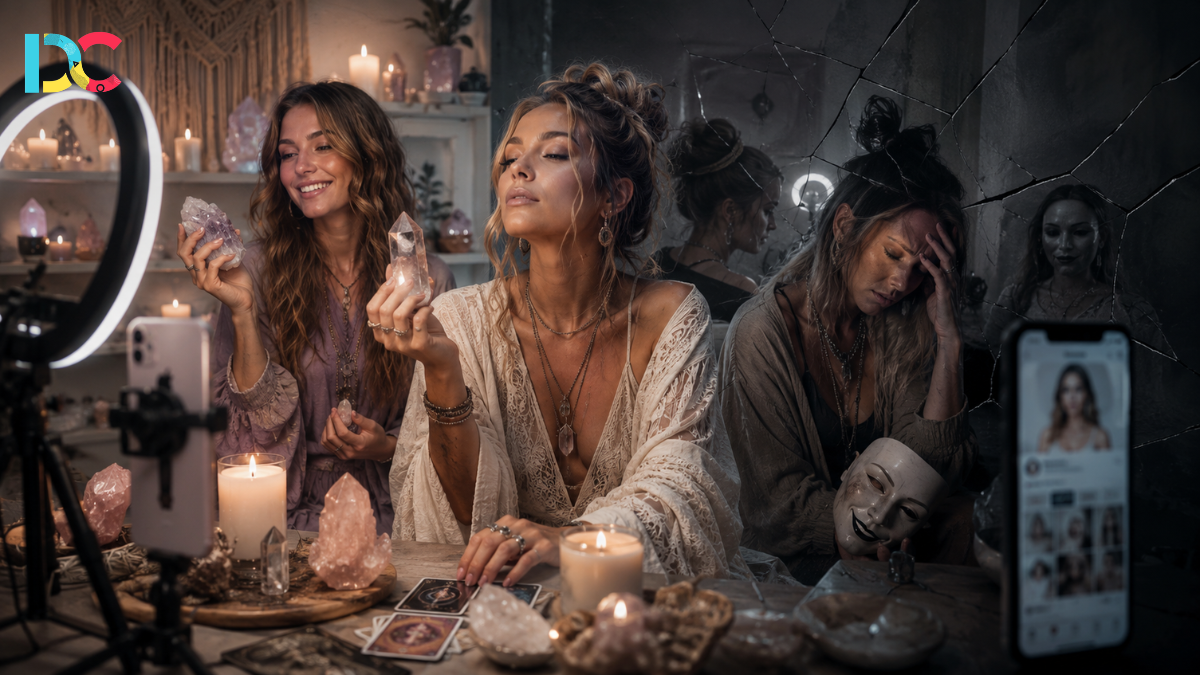
Spirituality on social media often looks peaceful, positive and inspiring. But behind the healing quotes, manifestation videos and “high-vibration” lifestyles, there can be manipulation, false promises and emotional exploitation.
When Spirituality Becomes a Performance
Many influencers present a perfectly healed and spiritually awakened version of themselves online. Their content makes followers believe that sadness, anger or anxiety are signs of weak energy.
Real spirituality does not demand constant positivity. It allows people to experience difficult emotions without shame.
The Rise of Fake Spiritual Gurus
Fake spiritual gurus often promise instant healing, love, wealth or success through paid courses, readings and rituals. They may use fear and emotional vulnerability to convince followers to keep spending money.
Warning signs include:
- Guaranteed results
- Expensive healing programmes
- Pressure to buy immediately
- Claims of having special powers
- Blaming followers when results do not appear
Toxic Positivity and Spiritual Bypassing
Statements like “just stay positive” or “everything happens for a reason” can dismiss real pain.
This is known as spiritual bypassing—using spiritual ideas to avoid grief, trauma, anger or personal responsibility. Healing is not about ignoring pain. It is about understanding and processing it.
Spiritual Narcissism
Some influencers use spirituality to appear superior. They call themselves “awakened” while labelling others as negative or unevolved.
They may reject criticism, demand blind trust and use spiritual language to avoid accountability. Genuine spirituality encourages humility, not superiority.
How to Protect Yourself
Before trusting a spiritual influencer:
- Question unrealistic claims
- Check their background and qualifications
- Avoid making major decisions based on viral videos
- Be careful of creators who constantly sell solutions
- Never replace professional medical or mental-health support with online advice
The dark side of fake spirituality on social media is not always easy to notice. It often hides behind beautiful visuals, motivational quotes and promises of a better life.
Real spirituality should make you more aware, independent and compassionate. It should never make you fearful, financially dependent or ashamed of being human.
Also Read: Top 5 Most Dangerous Zodiac Signs Based on Their Personality Traits
Horoscope
Top 5 Most Dangerous Zodiac Signs Based on Their Personality Traits
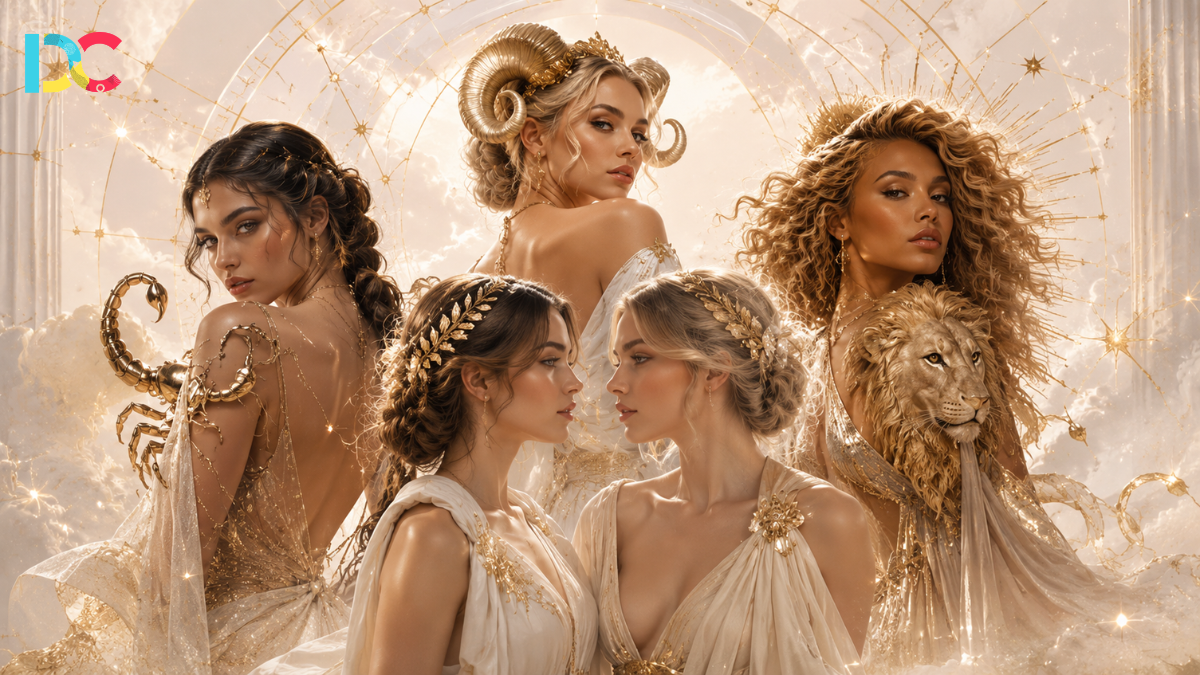
Every zodiac sign has positive qualities, hidden weaknesses and a darker side that may appear under pressure. While some signs react emotionally, others become calculating, impulsive or extremely competitive when they feel threatened.
So, what is the most dangerous zodiac sign? According to common astrological interpretations, certain signs are considered more intimidating because of their anger, intelligence, emotional intensity or ability to plan their moves carefully.
Here are the top five most dangerous zodiac signs based on personality traits.
1. Scorpio: The Secretive Strategist
Scorpio is frequently described as one of the most dangerous zodiac signs because of its emotional intensity, mysterious personality and strong memory.
People born under this water sign rarely reveal everything they are thinking. They observe people closely, notice small behavioural changes and remember how others have treated them. If a Scorpio feels betrayed, forgiving and forgetting may not come easily.
Dangerous Scorpio traits:
- Secretive and highly observant
- Emotionally intense
- Possessive in relationships
- Capable of holding grudges
- Strategic during conflict
However, Scorpio’s intensity can also make them loyal, passionate and protective. Their personality becomes difficult only when trust is broken or their emotions remain unresolved.
2. Aries: The Fearless Fire Sign
Aries is bold, competitive and ruled by action. As the first sign of the zodiac, Aries personalities often prefer taking the lead rather than waiting for someone else to make a decision.
What makes Aries one of the most intimidating zodiac signs is their impulsive temper. They may react immediately during an argument without considering the consequences. Their anger can be powerful, although it usually disappears as quickly as it arrives.
Dangerous Aries traits:
- Short-tempered and impulsive
- Highly competitive
- Fearless during confrontation
- Unpredictable when angry
- Likely to act before thinking
Aries individuals are not naturally harmful. Their confidence, bravery and ambition can help them become excellent leaders. Problems usually begin when their fiery energy is combined with frustration or impatience.
3. Gemini: The Master of Words
Gemini may not appear dangerous at first. They are usually social, intelligent, entertaining and excellent communicators. However, their ability to understand different perspectives can also make them difficult to predict.
Geminis know how to use words effectively. During disagreements, they may influence a conversation, expose someone’s weaknesses or change their approach within seconds. Their unpredictable nature is why Gemini often appears in discussions about zodiac signs with dark personality traits.
Dangerous Gemini traits:
- Highly persuasive
- Emotionally unpredictable
- Skilled at reading conversations
- Capable of hiding their real intentions
- May use information strategically
At their best, Geminis are creative, adaptable and mentally stimulating. Their darker traits may emerge when they feel bored, restricted or emotionally disconnected.
4. Capricorn: The Cold and Calculated Planner
Capricorn is disciplined, practical and extremely ambitious. Unlike signs that react emotionally, Capricorn may remain calm during conflict and carefully consider every possible outcome.
This controlled personality can make Capricorn one of the most powerful and dangerous zodiac signs when someone stands between them and their goals. They rarely waste energy on unnecessary arguments. Instead, they focus on long-term results.
Dangerous Capricorn traits:
- Emotionally reserved
- Extremely ambitious
- Patient and calculating
- Difficult to manipulate
- Willing to make tough decisions
Capricorn’s determination is also one of their greatest strengths. They are dependable, hardworking and committed to success. Their personality becomes intimidating when ambition turns into emotional coldness or excessive control.
5. Leo: The Powerful and Proud Leader
Leo is confident, charismatic and naturally drawn to leadership. They enjoy appreciation and often want their presence to be recognised.
While Leos can be generous and protective, their pride may become dangerous when they feel ignored, insulted or publicly embarrassed. They may respond dramatically or become controlling when their authority is questioned.
Dangerous Leo traits:
- Strong pride and ego
- Dominant personality
- Sensitive to disrespect
- Highly protective of their reputation
- Can become dramatic during conflict
A balanced Leo uses confidence to inspire others. An insecure Leo, however, may demand attention and react strongly when they do not receive the respect they expect.
Which Is the Most Dangerous Zodiac Sign?
Scorpio is often considered the most dangerous zodiac sign based on traits because of its secrecy, emotional depth and strategic approach to conflict. Aries may be more explosive, while Gemini can be mentally unpredictable and Capricorn more calculating.
However, no zodiac sign is automatically dangerous. A person’s behaviour is influenced by upbringing, environment, emotional maturity, personal experiences and individual choices not merely their sun sign.
Astrology is best used as a form of entertainment and self-reflection rather than as a method for judging someone’s character.

Best Indian Designers Redefining Global Luxury

Most Stylish Social Media Stars: Digital Fashion Icons Defining 2026

The Dark Side of Fake Spirituality on Social Media

Top 5 Most Dangerous Zodiac Signs Based on Their Personality Traits

Most Iconic FIFA World Cup Jerseys of All Time

Why Aquarius Signs Are Visionaries Ahead of Their Time

Shakira and FIFA World Cup: From Waka Waka to Dai Dai 2026

The Rise of Spiritual Luxury Travel: Retreats, Wellness & Culture

Top Female Entrepreneurs Who Started as Influencers

Signs You’re Going Through a Spiritual Awakening

Dorsia, Gurgaon’s One Of The Biggest BYOBs
Top 10 Best Dressed Politicians In The World

Breaking the Mold: How Demon Slayer Redefines the Shonen Genre?

15 Best Quotes Of Toy Story About Friendship.

Sabrina Carpenter’s Man’s Best Friend and the Politics of Pop Imagery

The NOU Walk Of Life : New Talk of Town in Luxury Footwear

Emerging Fashion Designers India Contest Wraps Up in the Most Spectacular Fashion
The Most Memorable Highlights from the 2025 Academy Awards
Kaftans: The New Festive Staple Taking Over Indian Wardrobes

Are Live-Action Adaptations a Risky Bet for Studios?
-

 Entertainment6 months ago
Inside the Creator Economy: Who’s Making Millions in 2026?
-
 Events6 months ago
Top 10 Best Dressed Female Politicians in the World
-
 Horoscope6 months ago
Why Scorpio Is So Attractive And Hard to Handle
-

 Fashion6 months ago
Best Mother’s Day Gifts 2026
-

 Events6 months ago
7 Ways to Make Your Mom Feel Special This Mother’s Day
-
 Beauty5 months ago
Most Stylish Indian Female News Anchors Who Redefine Glamour & Journalism
-
 Horoscope5 months ago
The Dark Side of Every Zodiac Sign
-

 Horoscope5 months ago
AI Gurus & Digital Faith: Is Technology Changing Spirituality?
Pingback: Best Mother’s Day Gifts 2026
Pingback: Work-Life Balance: The Reality of Today’s Mothers