
Events
What Indian Celebrities Wore to the Met Gala 2025

Indian celebrities made a powerful style statement at the Met Gala 2025, turning heads with looks that beautifully fused tradition, tailoring, and modern glamour.
The Met Gala 2025, held on May 5 at the Metropolitan Museum of Art in New York City, was a dazzling spectacle of fashion, art, and cultural commentary. This year’s theme, “Superfine: Tailoring Black Style,” drew inspiration from Monica L. Miller’s 2009 book Slaves to Fashion: Black Dandyism and the Styling of Black Diasporic Identity. It celebrated Black dandyism, a sartorial movement rooted in the 18th century that challenged social hierarchies through polished menswear and expressive style. The dress code, “Tailored for You,” encouraged personalized interpretations of tailoring, emphasizing identity, creativity, and cultural resonance.
Marking the first Costume Institute exhibition focused solely on menswear since 2003’s Men in Skirts, the 2025 edition was curated by Monica Miller herself. It explored Black dandyism as both an aesthetic and political construct, highlighting its influence on Black identities across the Atlantic diaspora. Organized around 12 characteristics—Ownership, Presence, Distinction, Disguise, Freedom, Champion, Respectability, Jook, Heritage, Beauty, Cool, and Cosmopolitanism—the exhibition invited attendees to reimagine tailored silhouettes with individual flair.
Historically a subversive act of self-expression, Black dandyism used impeccable style to assert identity and defy stereotypes—making it a powerful lens for this year’s fashion narrative. Indian celebrities made a historic impact on the red carpet, seamlessly blending global glamour with Indian craftsmanship.
Here’s an in-depth look at their standout looks, the designers behind them, and how they interpreted the theme.
Shah Rukh Khan

Bollywood’s “King Khan” made a historic debut as the first Indian male actor to attend the Met Gala, commanding attention in a custom black sherwani by Sabyasachi. Featuring a structured silhouette with intricate embroidery, the ensemble was styled with talismanic chains, a jewelled brooch, and a vintage-inspired cane—evoking old-world charm with modern gravitas. The look fused Indian tradition with Parisian tailoring, nodding to the exhibition’s themes of Heritage and Distinction. A bold, oversized ‘K’ necklace added a personal statement, solidifying his presence as a global fashion icon.
Shah Rukh’s outfit captured the dandy’s signature Presence and Cosmopolitanism, blending regal Indian aesthetics with the tailored precision emblematic of Black dandyism. The sherwani’s clean lines and lavish detailing honored the theme’s celebration of polished menswear, while his accessories introduced a theatrical flair, echoing the dandy’s love for bold self-expression.
Kiara Advani

Kiara Advani, expecting her first child with Sidharth Malhotra, made a radiant Met Gala debut in a breathtaking Gaurav Gupta gown. The sleek black dress featured an antique gold breastplate adorned with crystals and droplets, forming a sculptural silhouette that celebrated both strength and vulnerability. The flowing train and intricate embellishments narrated a deeply personal story of motherhood, aligning with the theme’s focus on tailored self-expression and identity.
Merging Indian craftsmanship with the dandy’s flair for bold, refined silhouettes, the look embodied themes of Freedom and Beauty. The structured breastplate evoked power and resilience, while the soft drapery symbolized creation and transformation—making her appearance a poignant tribute to life, femininity, and evolving identity.
Diljit Dosanjh

Diljit Dosanjh, the singer-actor with global acclaim, made a powerful Met Gala debut in a custom sherwani suit by Prabal Gurung. The all-black ensemble featured sharp tailoring paired with a majestic cape embroidered in Sikh Gurmukhi script, a tribute to his Punjabi roots. A handcrafted turban by Indian artisans completed the look, adding a regal touch that stood out on the red carpet.
Diljit’s outfit wasn’t just fashion—it was a statement. Inspired by Maharaja Bhupinder Singh, his look honored the legacy of a royal who lived in exile, representing resilience and cultural pride. The sharp sherwani silhouette reflected the polished elegance of Black dandyism, while the script and turban made his identity unmistakably clear. The flowing cape added drama and distinction, turning his appearance into a bold celebration of heritage, strength, and self-expression.
Priyanka Chopra Jonas

Priyanka Chopra Jonas, making her fifth Met Gala appearance, turned heads in a striking polka-dot Balmain suit-dress designed in collaboration with Olivier Rousteing. The look featured a sharply tailored blazer with exaggerated shoulders, paired with a flowing skirt that added movement and drama. Styled with statement Bvlgari jewellery, the outfit brought together elegance and attitude, channeling a retro mob-wife vibe with a touch of old-money glamour.
Her ensemble reimagined the classic dandy suit through a feminine lens, blending structure with softness. The bold polka dots and vintage styling echoed the playful confidence of Black dandyism, while the strong tailoring kept it rooted in the theme’s menswear core. With her signature confidence, high-shine jewels, and effortless presence, Priyanka delivered a look that was cool, cosmopolitan, and completely her own.
Isha Ambani

Isha Ambani stunned at the Met Gala in a stunning Anamika Khanna creation that mixed vintage elegance with modern style. The outfit featured a perfectly tailored jacket with a crisp collar and a beautifully embroidered waistcoat, blending sophistication with artistry. Drawing inspiration from African textiles and global craftsmanship, the design was a true tribute to cultural artistry. The corset, detailed with geometric patterns, subtly tied into the evening’s theme, adding depth to her look.
For her beauty, Isha kept it fresh with dewy makeup and a sleek, long braid that complemented the outfit perfectly. The gown took an impressive 20,000 hours to create, with pearls, semi-precious stones, and heirloom gems—some of which came from the Ambani family’s private collection—giving it a truly personal and luxurious touch.
Natasha Poonawalla

Natasha Poonawalla, styled by Anaita Shroff Adajania and Lakshmi Lehr, wowed at the Met Gala with a Manish Malhotra look that was a true masterpiece of storytelling through fashion. The outfit featured a corseted, sculpted silhouette that beautifully merged the intricate tradition of Indian Gara embroidery with the bold structure of Western tailoring. The standout piece was a reimagined fishtail skirt, crafted from two antique Gara saris. The hand-embroidered fabric carried the weight of generations, each stitch telling a tale of craftsmanship and artistry.
The black Gara jacket, embroidered with the rare ektaar technique, symbolized a seamless flow of tradition and modernity, with its continuous pattern serving as a quiet act of defiance. Underneath, Natasha paired a vintage French lace bralette, delicately finished with pearls, with a corset-cummerbund. The result was a harmonious blend of understated elegance and the flamboyant flair typical of dandyism.
Mona Patel
Mona Patel made a bold statement at the Met Gala 2025, wearing a custom Thom Browne creation that perfectly blended bespoke tailoring with cultural storytelling and a futuristic edge. Her red carpet look stood out for its precision and creativity, fusing traditional craftsmanship with a forward-thinking vision. Accompanied by a robotic dog on a diamond leash, Patel’s entrance was as cinematic as it was stylish, redefining the art of making a memorable impact on the red carpet
Manish Malhotra

Renowned designer Manish Malhotra made his Met Gala debut in a majestic black tailored tuxedo from his own label. The tuxedo featured subtle embellishments and a modern cut, exuding understated elegance. Statement jewellery, including a bold brooch, added a touch of Bollywood bling.
Manish’s look embodied Respectability and Cool, using classic tailoring to honor the theme’s menswear focus while infusing it with Indian flair. The tuxedo’s clean lines and luxurious details reflected the dandy’s polished aesthetic, making a strong case for Indian designers on the global stage.
Sabyasachi Mukherjee

Sabyasachi Mukherjee, attending his second Met Gala, graced the red carpet in a bespoke ensemble from his own label, reaffirming his stature as both a designer and a style icon. His look was a masterclass in understated opulence, featuring a hand-quilted oversized court jacket and sherwani crafted from hand-dyed Murshidabad silk, layered over a satin shirt. He completed the outfit with black quilted trousers, a kamarbandh, and custom-embroidered shoes from Sabyasachi Accessories.
Met Gala 2025 was a triumph of style and substance, with Indian celebrities stealing the spotlight through thoughtful, theme-driven looks. The “Superfine: Tailoring Black Style” theme, rooted in the legacy of Black dandyism, provided a rich framework for creativity, and India’s representatives rose to the occasion with unparalleled elegance.
Follow Us : Dis_Cultured
Also Read: Dupatta Labeled as European Aesthetic is a Case of Cultural Erasure



Entertainment
Shakira and FIFA World Cup: From Waka Waka to Dai Dai 2026
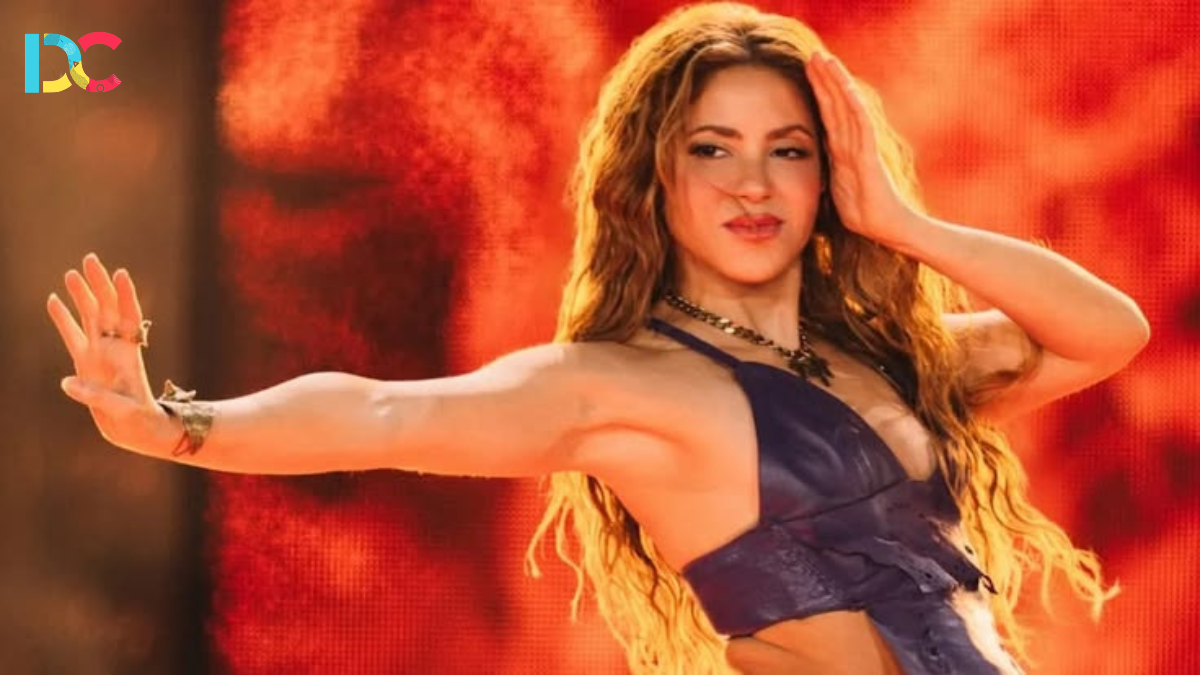
When it comes to FIFA World Cup music, few artists have created a legacy as powerful as Shakira. From the unforgettable energy of “Waka Waka (This Time for Africa)” in 2010 to her latest World Cup connection with “Dai Dai” for FIFA World Cup 2026, Shakira has become more than a global pop star. She has become one of the most recognizable voices of football celebration.
With search interest rising around terms like “Shakira FIFA World Cup,” “Shakira World Cup song,” “FIFA World Cup 2026 song,” and “Shakira Waka Waka,” fans are once again revisiting her iconic journey with the world’s biggest sporting event.
Shakira’s Special Connection With the FIFA World Cup
Shakira’s association with the FIFA World Cup is not new. Over the years, she has performed at multiple World Cup events and has given football fans some of the most memorable musical moments in tournament history.
Her biggest World Cup moment came in 2010 with “Waka Waka (This Time for Africa),” the official song of the FIFA World Cup in South Africa. The song became a global hit because it had everything a World Cup anthem needed: rhythm, energy, culture, dance, and a chorus that fans across languages could sing together.
Even today, “Waka Waka” remains one of the most searched and remembered World Cup songs of all time. For many football fans, the song is not just music; it is nostalgia. It brings back memories of stadium celebrations, global unity, African culture, and the emotional power of football.
Why Waka Waka Still Dominates World Cup Searches
The reason “Shakira Waka Waka” continues to trend during every FIFA World Cup season is simple: the song became part of football history. Unlike many tournament songs that fade after the event, “Waka Waka” has lived on through YouTube, Instagram reels, TikTok edits, football montages, school performances, sports events, and fan celebrations.
It is one of those rare songs that connects generations. People who watched the 2010 World Cup remember it as a cultural moment, while younger audiences discover it every time World Cup content starts trending again.
That is why keywords such as “Waka Waka World Cup song,” “Shakira World Cup anthem,” and “best FIFA World Cup songs” continue to perform strongly in search demand whenever the tournament returns.
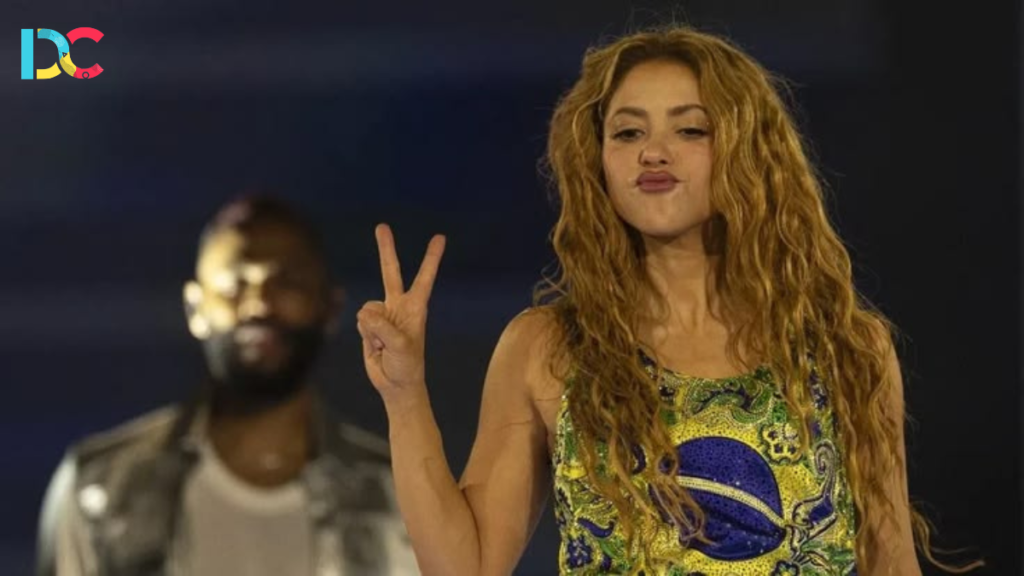
Shakira Returns With Dai Dai for FIFA World Cup 2026
For FIFA World Cup 2026, Shakira has returned to the World Cup music conversation with “Dai Dai,” a collaboration with Nigerian superstar Burna Boy. The song brings together Latin pop, Afrobeats, global rhythm, and the emotional energy that fans expect from a World Cup anthem.
This return is important because Shakira is not just another artist performing at the tournament. She already has a proven emotional connection with football audiences. Her name instantly reminds fans of “Waka Waka,” making her 2026 comeback a powerful trend across search and social media.
The FIFA World Cup 2026 is being hosted across Mexico, the United States, and Canada, making it one of the biggest and most globally marketed editions of the tournament. With Shakira and Burna Boy leading the official song conversation, “Dai Dai” has the potential to become one of the biggest music moments of the tournament.
Why Shakira Is the Perfect World Cup Artist
A successful World Cup song needs more than celebrity value. It needs rhythm, recall, emotion, and global appeal. Shakira brings all of these elements naturally.
Her music blends Latin, pop, dance, and world sounds. Her stage presence is energetic, and her songs often carry a celebratory spirit. Most importantly, her World Cup songs are easy to remember. A strong hook is what turns a normal song into a stadium anthem.
This is why Shakira’s FIFA World Cup journey stands out. She understands that a World Cup anthem must make people move, sing, celebrate, and feel connected, no matter where they come from.
Shakira, Burna Boy and the Global Sound of Football
The collaboration between Shakira and Burna Boy for “Dai Dai” also reflects the changing sound of global football culture. The FIFA World Cup is no longer just about one region or one style of music. It is a global celebration where Latin music, Afrobeats, pop, hip-hop, dance, and local cultural sounds all come together.
Burna Boy adds African rhythm and Afrobeats energy to the song, while Shakira brings her signature Latin-pop style and World Cup legacy. Together, the two artists represent the international spirit of football.
This makes “Dai Dai” a highly searchable topic for fans looking for the “FIFA World Cup 2026 song,” “Shakira Burna Boy song,” “Dai Dai World Cup anthem,” and “new Shakira World Cup song.”
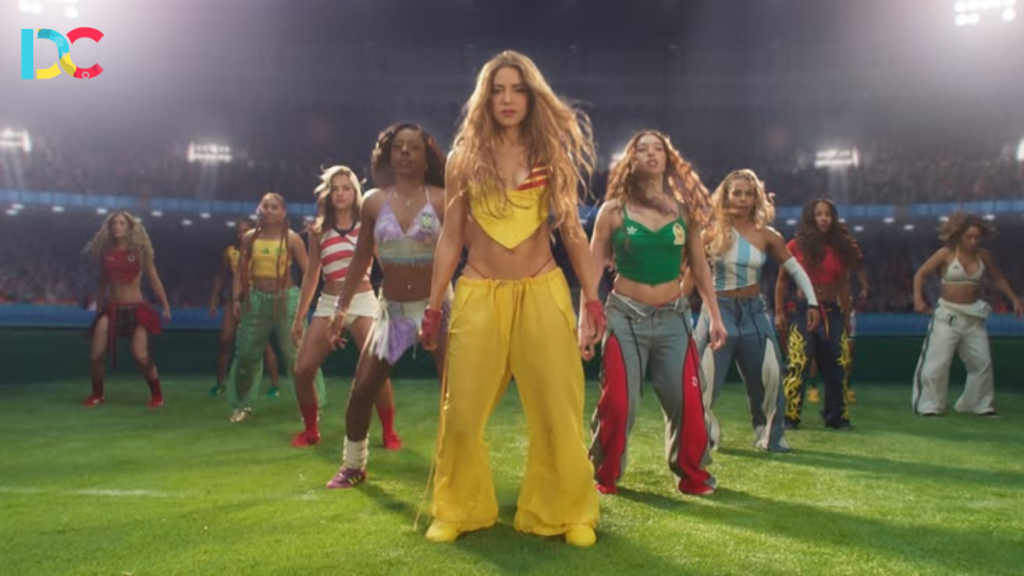
The Power of Nostalgia in Shakira’s World Cup Legacy
One of the biggest reasons Shakira keeps trending during World Cup seasons is nostalgia. “Waka Waka” created a memory that fans still associate with joy, unity, and football fever.
Every time Shakira appears at another FIFA World Cup event, fans compare the new song with “Waka Waka.” This creates fresh search demand around old and new keywords together. People search for “Shakira Waka Waka,” then move to “Shakira FIFA World Cup 2026,” “Dai Dai Shakira,” and “World Cup opening ceremony 2026.”
For publishers, this is a strong SEO opportunity because the topic combines entertainment, sports, music, nostalgia, and trending news in one article.
Why Shakira Still Owns the World Cup Music Moment
Many artists have contributed songs to the FIFA World Cup, but Shakira’s name continues to stand out because her music became part of the tournament’s emotional identity. She gave fans a song that was easy to dance to, easy to sing, and easy to remember.
With “Dai Dai,” she is once again stepping into the World Cup spotlight. Whether the new anthem reaches the same legendary status as “Waka Waka” or not, one thing is clear: Shakira remains one of the most powerful musical figures in FIFA World Cup history.
Her return proves that football is not only about the match on the field. It is also about the culture around it — the songs, the celebrations, the opening ceremonies, the memories, and the global emotions that bring millions of people together.
Shakira’s FIFA World Cup journey is a rare example of music and sports coming together to create global cultural moments. From “Waka Waka” in 2010 to “Dai Dai” in 2026, she has built a World Cup legacy that continues to trend across search engines and social media.
As FIFA World Cup 2026 unfolds, keywords like “Shakira FIFA World Cup,” “Shakira World Cup song,” “Dai Dai Shakira,” and “FIFA World Cup 2026 anthem” are likely to remain strong search topics. For fans, Shakira represents celebration. For football culture, she represents unity. And for World Cup music, she remains one of the most iconic voices ever.
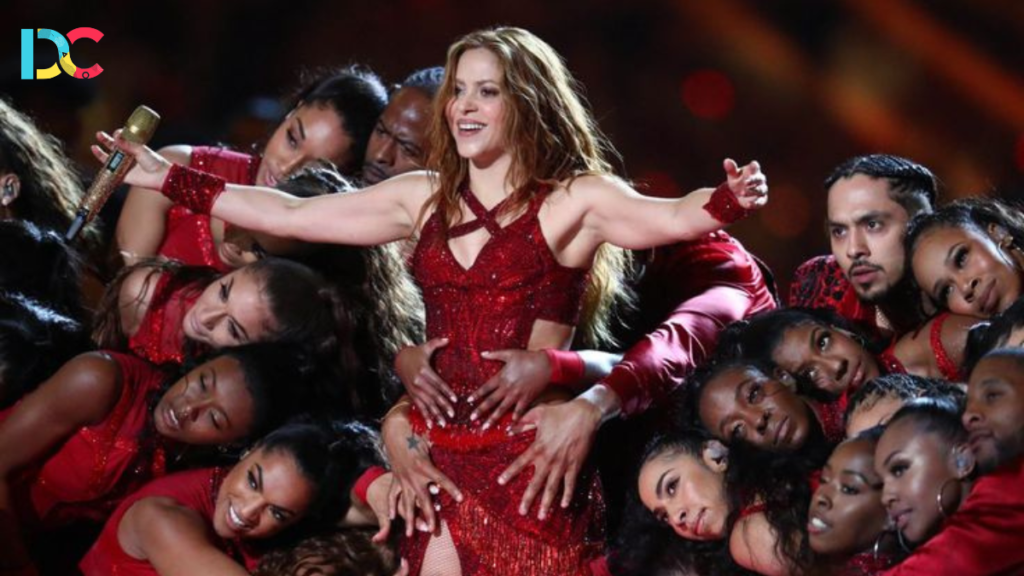
FAQs
What is Shakira’s FIFA World Cup 2026 song?
Shakira’s FIFA World Cup 2026 song is “Dai Dai,” a collaboration with Nigerian artist Burna Boy.
Which Shakira song became famous during the FIFA World Cup?
“Waka Waka (This Time for Africa)” became Shakira’s most famous FIFA World Cup song after the 2010 tournament in South Africa.
Did Shakira perform at the FIFA World Cup 2026 opening ceremony?
Yes, Shakira performed “Dai Dai” with Burna Boy at the FIFA World Cup 2026 opening ceremony in Mexico City.
Why is Shakira connected with the FIFA World Cup?
Shakira has performed at multiple FIFA World Cup events and created one of the most iconic World Cup songs of all time, “Waka Waka.”
Is Waka Waka still popular?
Yes, “Waka Waka” remains one of the most remembered and searched FIFA World Cup songs because of its strong rhythm, global appeal, and nostalgic value.
Also Read: How Football Became the New Fashion Week
Events
How Sacred Gatherings Are Becoming the New Social Scene for Gen Z, Millennials, and Modern Seekers
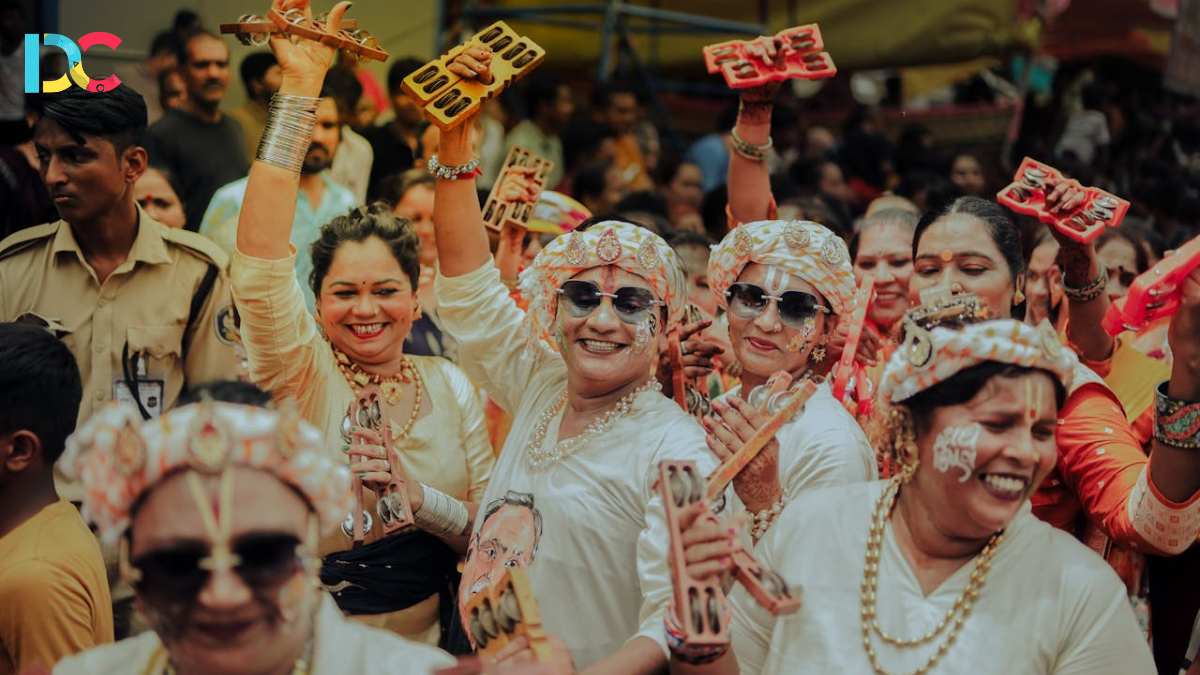
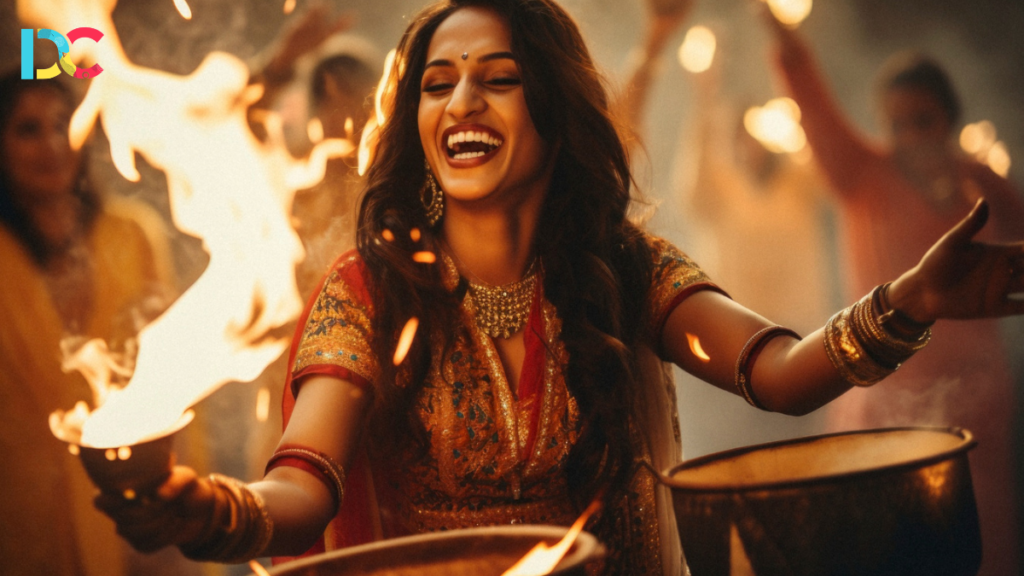
In an era where nightlife once revolved around loud clubs, expensive parties, and digital overload, a surprising cultural shift is redefining how people connect. Across urban hubs, wellness spaces, rooftop venues, and cultural festivals, Bhajan clubs, Kirtan nights, mantra circles, and spiritual social gatherings are emerging as the newest social trend.
From Mumbai to London, Delhi to Los Angeles, spiritual socializing is no longer limited to temples or traditional gatherings. It has evolved into a vibrant lifestyle movement blending music, mindfulness, fashion, community, and conscious living. What was once considered old-school devotion is now becoming modern, aesthetic, and socially magnetic.
The Rise of Spiritual Socializing in Modern Culture
Young people are increasingly seeking deeper, more meaningful experiences over superficial entertainment. Kirtan nights offer exactly that soulful music, collective chanting, emotional release, and a sense of belonging.
Unlike conventional party culture, these gatherings focus on inner peace, cultural roots, and emotional connection. The result is a powerful combination of spirituality and social wellness.
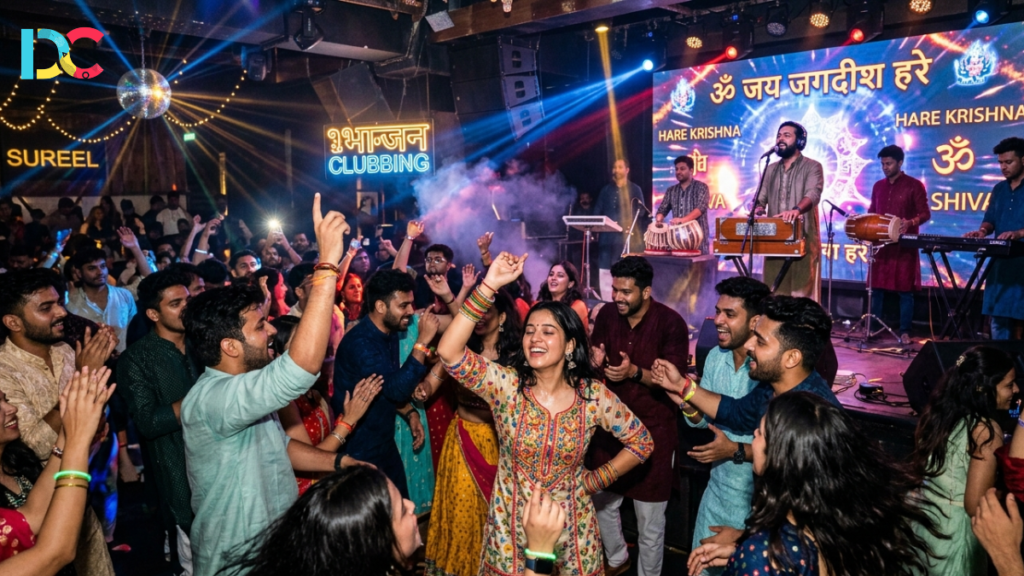
Bhajan clubs today often feature live fusion bands, candle-lit settings, ethnic dress codes, vegan food pop-ups, meditation zones, and even curated spiritual travel experiences. This blend of tradition with trend is making devotional spaces culturally cool again.
Why Bhajan Clubs Are Trending
1. A Break From Burnout Culture
With rising stress, anxiety, and digital fatigue, people are craving spaces that feel grounding. Bhajan and kirtan events provide a calming alternative where music heals instead of overwhelms.
2. Cultural Pride Meets Modern Aesthetic
Younger generations are reconnecting with Indian spiritual heritage in a stylish, contemporary way. Wearing handloom fashion, attending mantra festivals, and participating in sacred music circles is becoming both spiritually enriching and socially relevant.
3. Community Without Pressure
Unlike nightlife scenes often centered around status or indulgence, spiritual gatherings create authentic connection without social performance. People come to sing, meditate, network, and feel.
4. Influence of Wellness and Conscious Living
Yoga culture, Ayurveda, meditation apps, and spiritual influencers have all contributed to making spiritual socializing mainstream.
Kirtan Nights: Where Music Meets Healing
Kirtan is especially resonating because it combines live music with emotional energy. Whether it’s traditional Hare Krishna chants, Sufi-inspired bhajans, or indie devotional fusion, these nights often feel like concerts with soul.
For many attendees, it’s not strictly religious it’s experiential. The repetitive rhythms, sacred sounds, and group participation can feel meditative, euphoric, and deeply therapeutic.
Fashion, Travel & The Spiritual Lifestyle Boom
This trend is also influencing fashion and travel industries.
Spiritual fashion including flowy ethnic wear, handcrafted jewelry, sustainable fabrics, and temple-inspired aesthetics is becoming increasingly popular.
Travel brands are curating retreats around spiritual festivals, river aartis, yoga villages, and kirtan experiences. Destinations like Rishikesh, Vrindavan, Varanasi, Bali, and Dharamshala are becoming social wellness hotspots for modern travelers.
Social Media’s Role in Making Spirituality Trendy
Instagram reels of ecstatic chanting, moonlit kirtans, aesthetic temple decor, and spiritual retreats have transformed devotional culture into shareable lifestyle content.
This visibility has made spirituality feel more accessible, fashionable, and community-driven especially for those who may never have engaged traditionally.
Is This Just a Trend or a Cultural Shift?
While some may see it as a phase, the rise of Bhajan clubs and spiritual socializing reflects something deeper: a generational desire for purpose, grounding, and authentic connection.
People are not abandoning social culture they are redefining it.
Where previous generations sought escape, this generation increasingly seeks alignment.
Bhajan clubs, Kirtan nights, and spiritual socializing are shaping a new social era where devotion meets design, mindfulness meets music, and culture meets connection.
This movement proves that spirituality is no longer confined to rituals it is becoming a lifestyle, a community, and for many, the new definition of modern social luxury.
As the world searches for deeper meaning, spiritual gatherings may just be the future of social culture.
Events
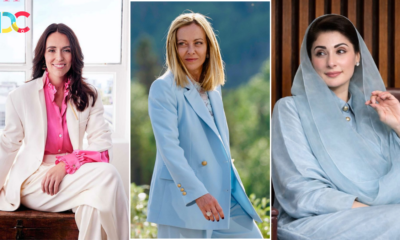
Top 10 Best Dressed Female Politicians in the World
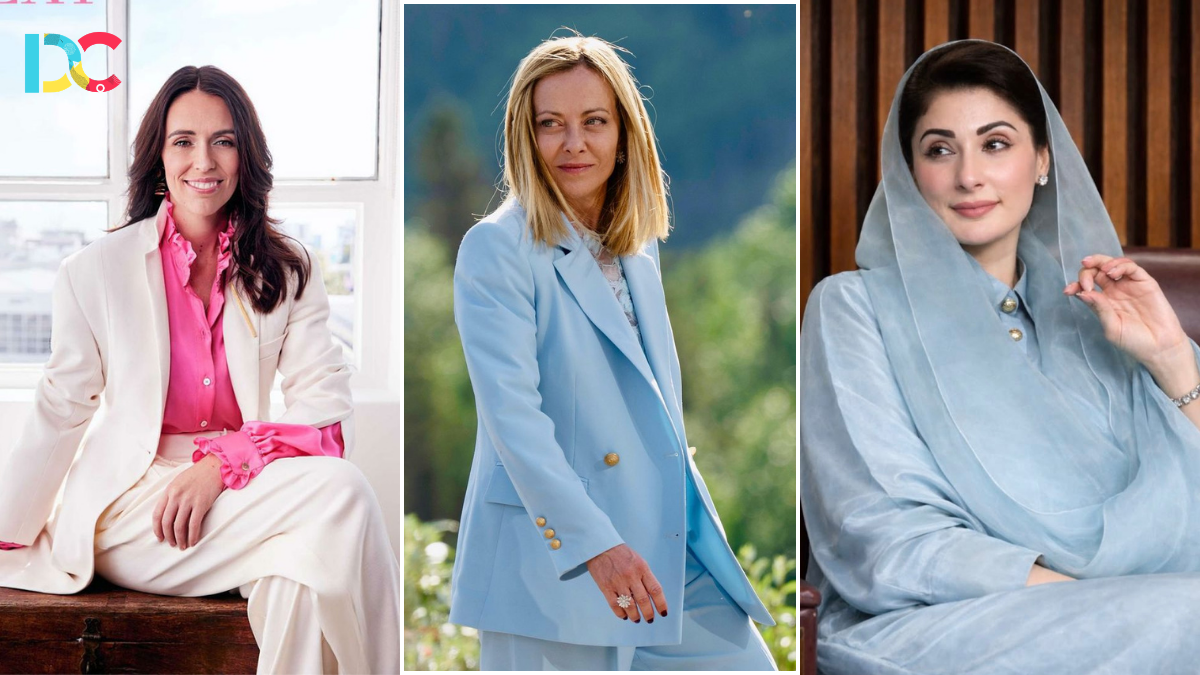
In today’s modern political landscape, style is more than just appearance it’s a powerful form of communication. The world’s most influential women leaders are not only shaping policies but also redefining fashion in politics. From tailored power suits to culturally rooted ensembles, these women command attention with both their words and their wardrobe.
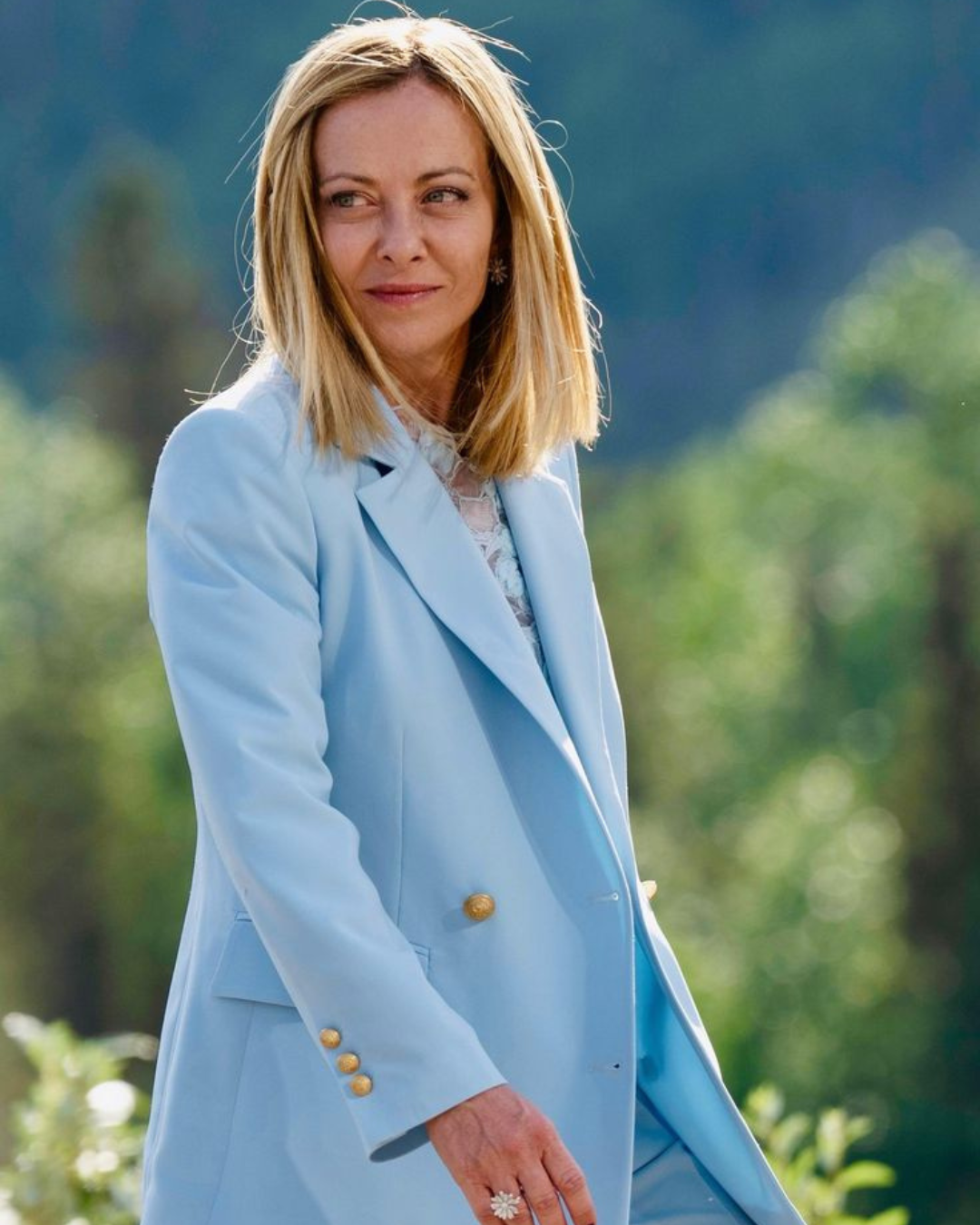
Giorgia Meloni
Italy’s Prime Minister is known for her polished and sophisticated style. She often opts for well-tailored blazers, neutral tones, and minimal accessories exuding quiet confidence and authority.
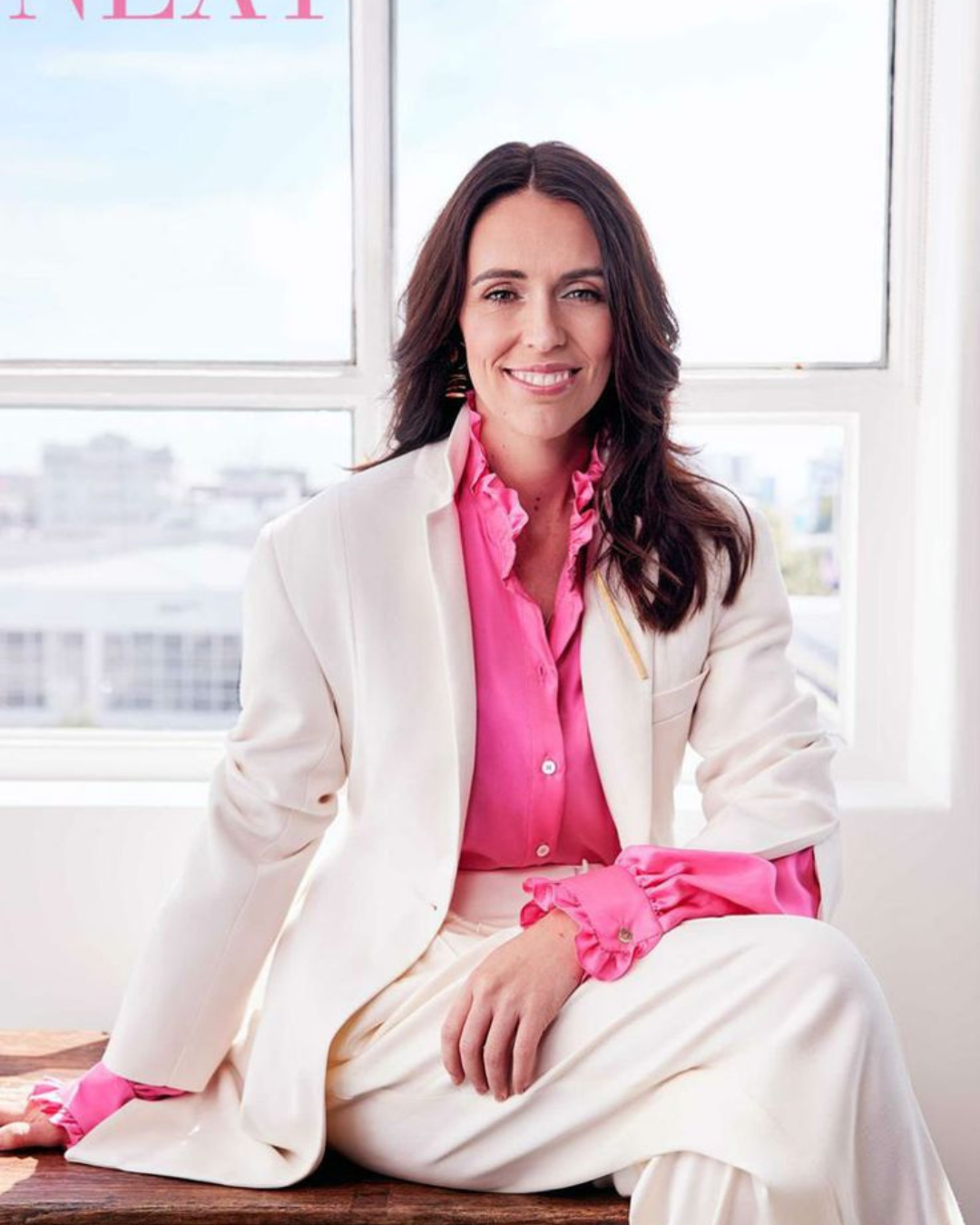
Jacinda Ardern
Even after stepping down, Jacinda Ardern remains a global fashion inspiration. Her understated elegance, monochrome outfits, and effortless styling reflect authenticity and relatability.
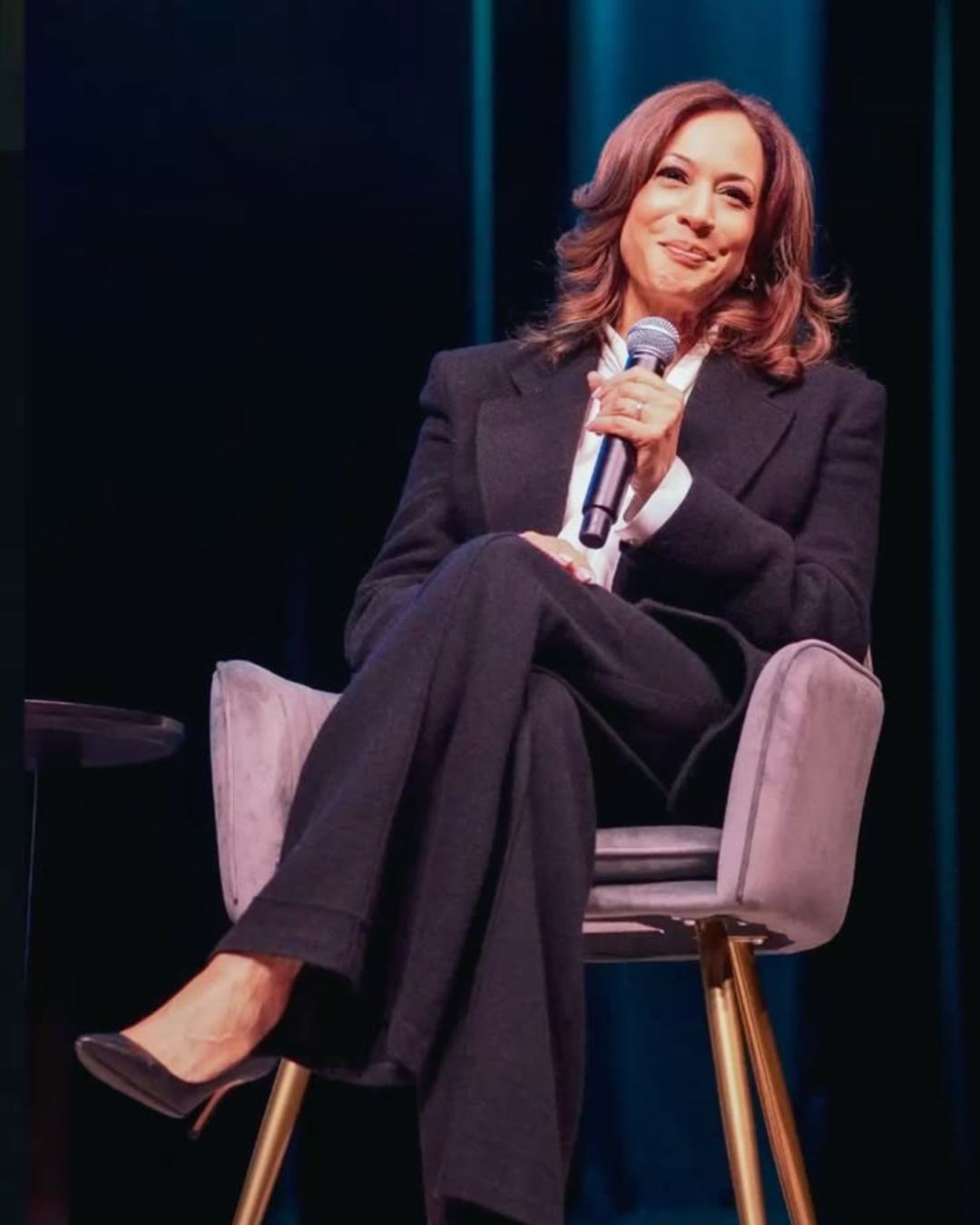
Kamala Harris
Known for her iconic pantsuits and pearls, Kamala Harris blends professionalism with modern relatability, making her a global style icon.
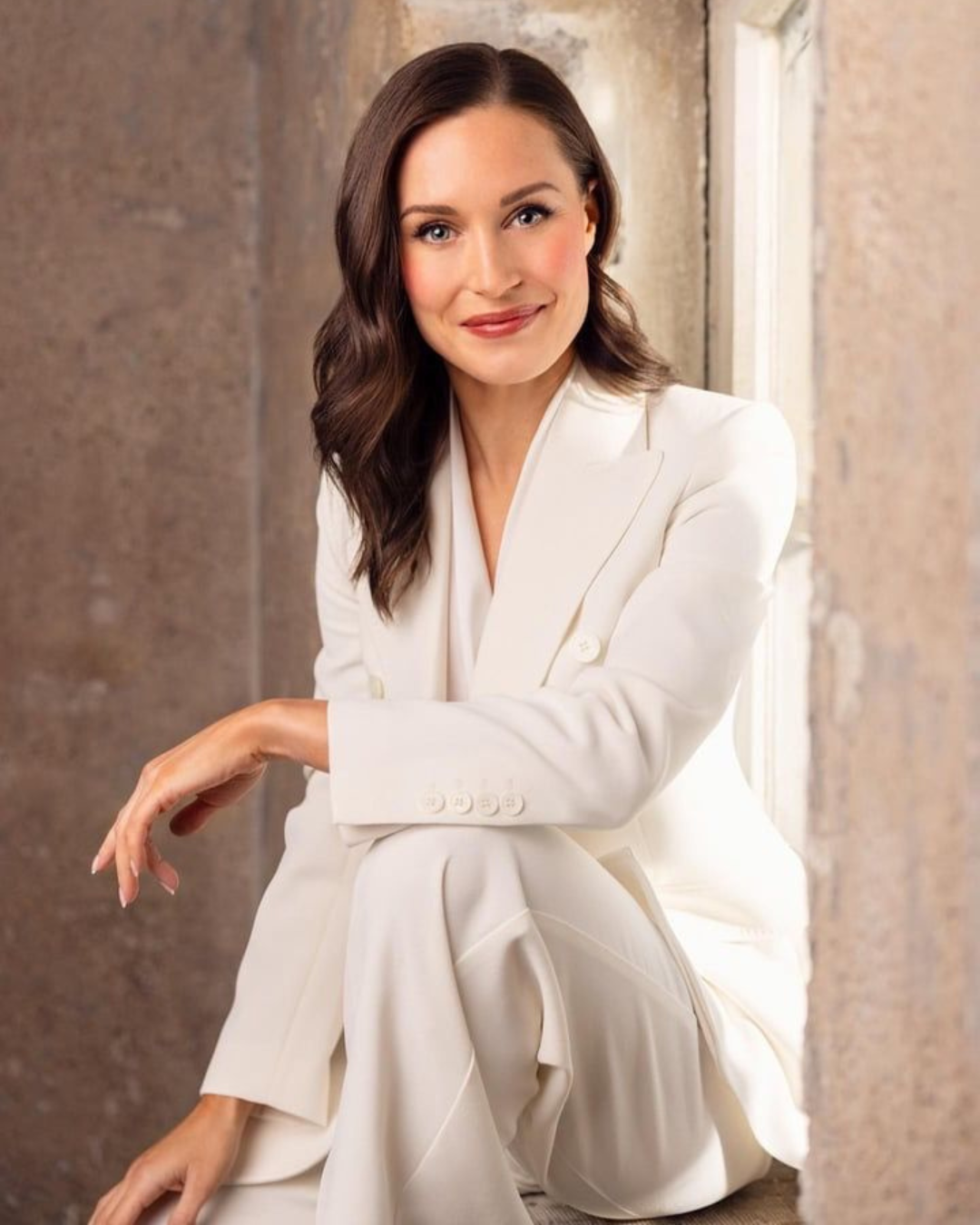
Sanna Marin
Sanna Marin continues to influence global fashion with her minimalist yet bold styling, redefining contemporary political aesthetics.
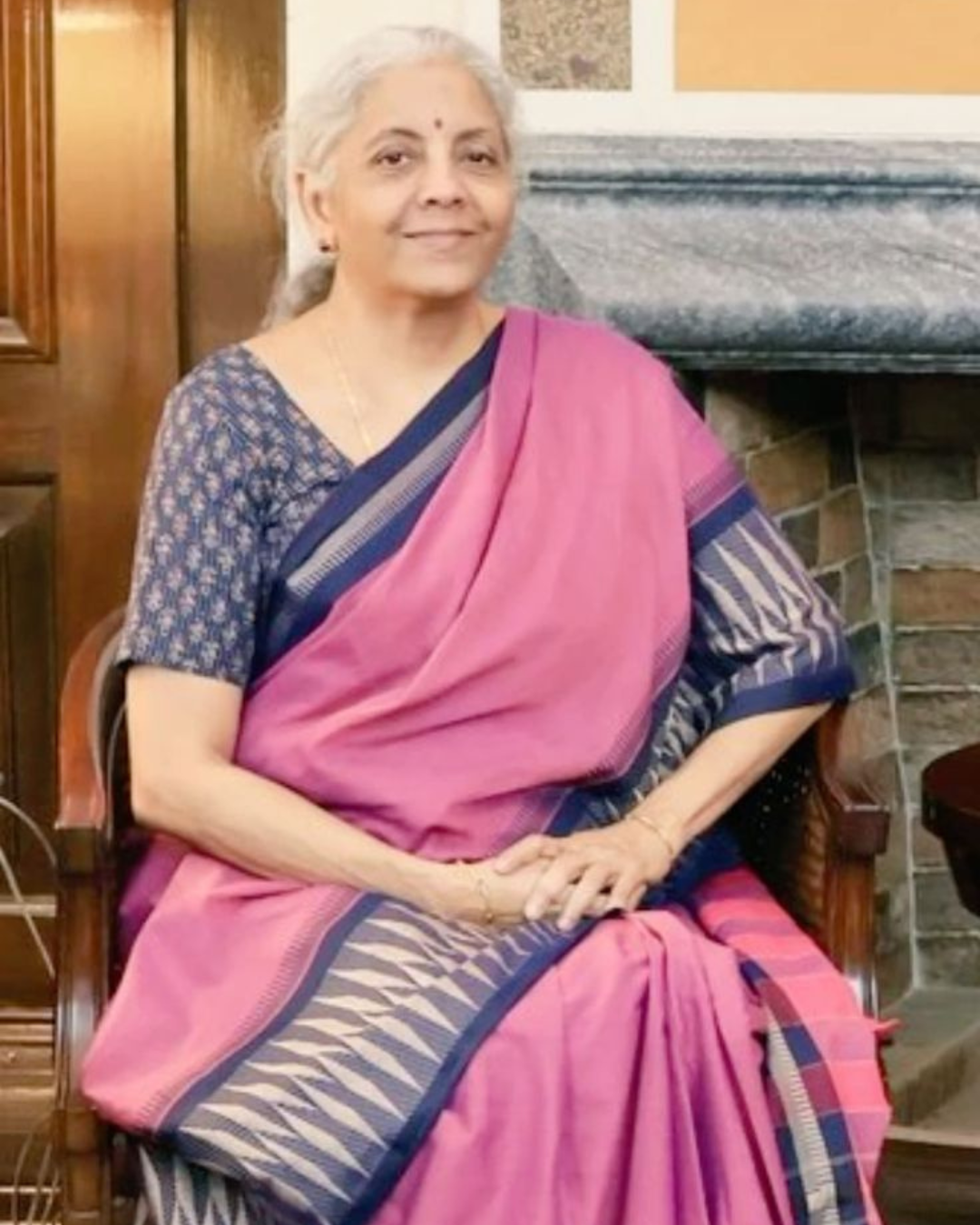
Nirmala Sitharaman
Known for her graceful sarees, Nirmala Sitharaman represents Indian tradition with a modern touch. Her wardrobe reflects simplicity, authority, and cultural identity.
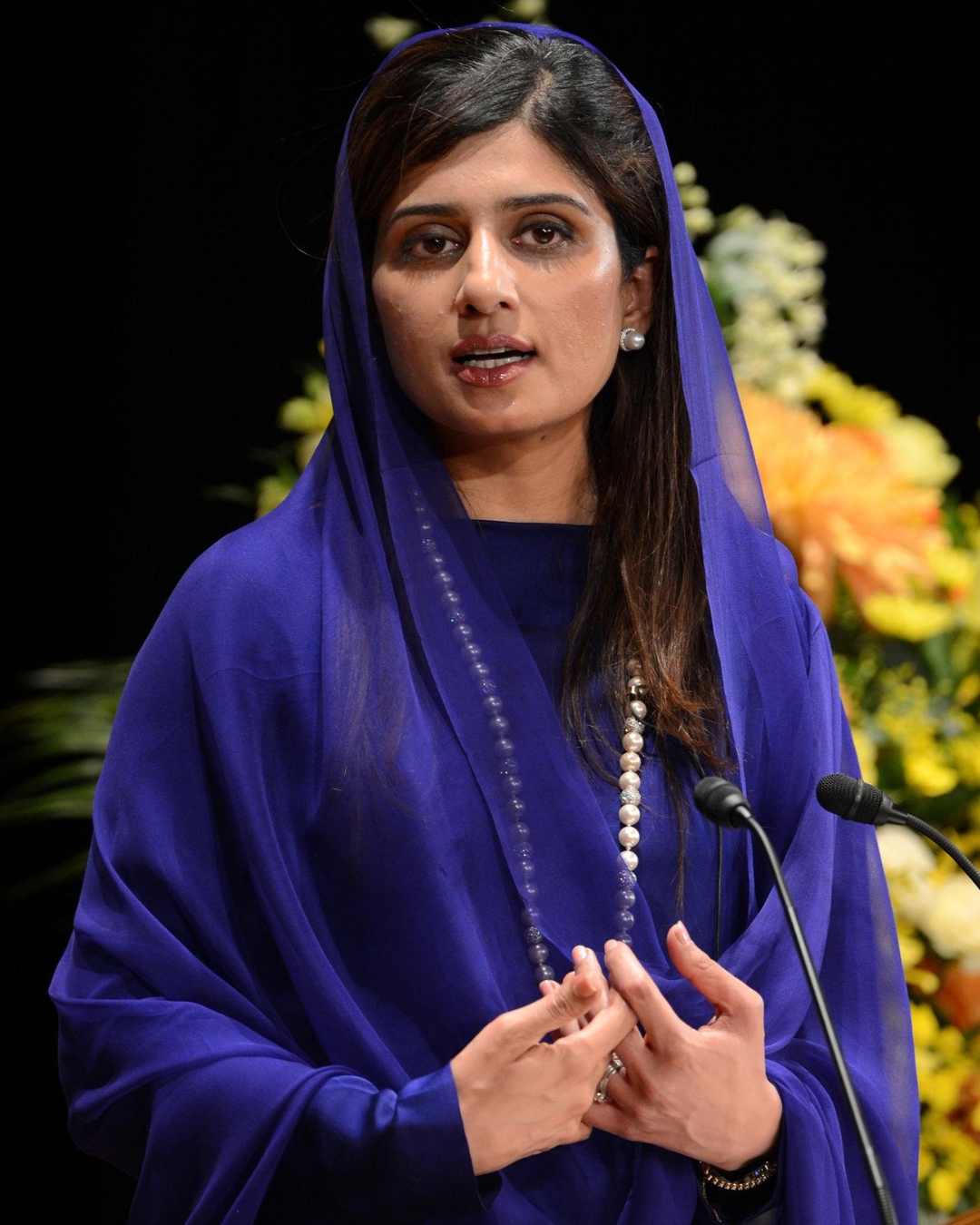
Hina Rabbani Khar
Known globally for her luxury handbags and refined outfits, she is one of the most stylish politicians from Pakistan.
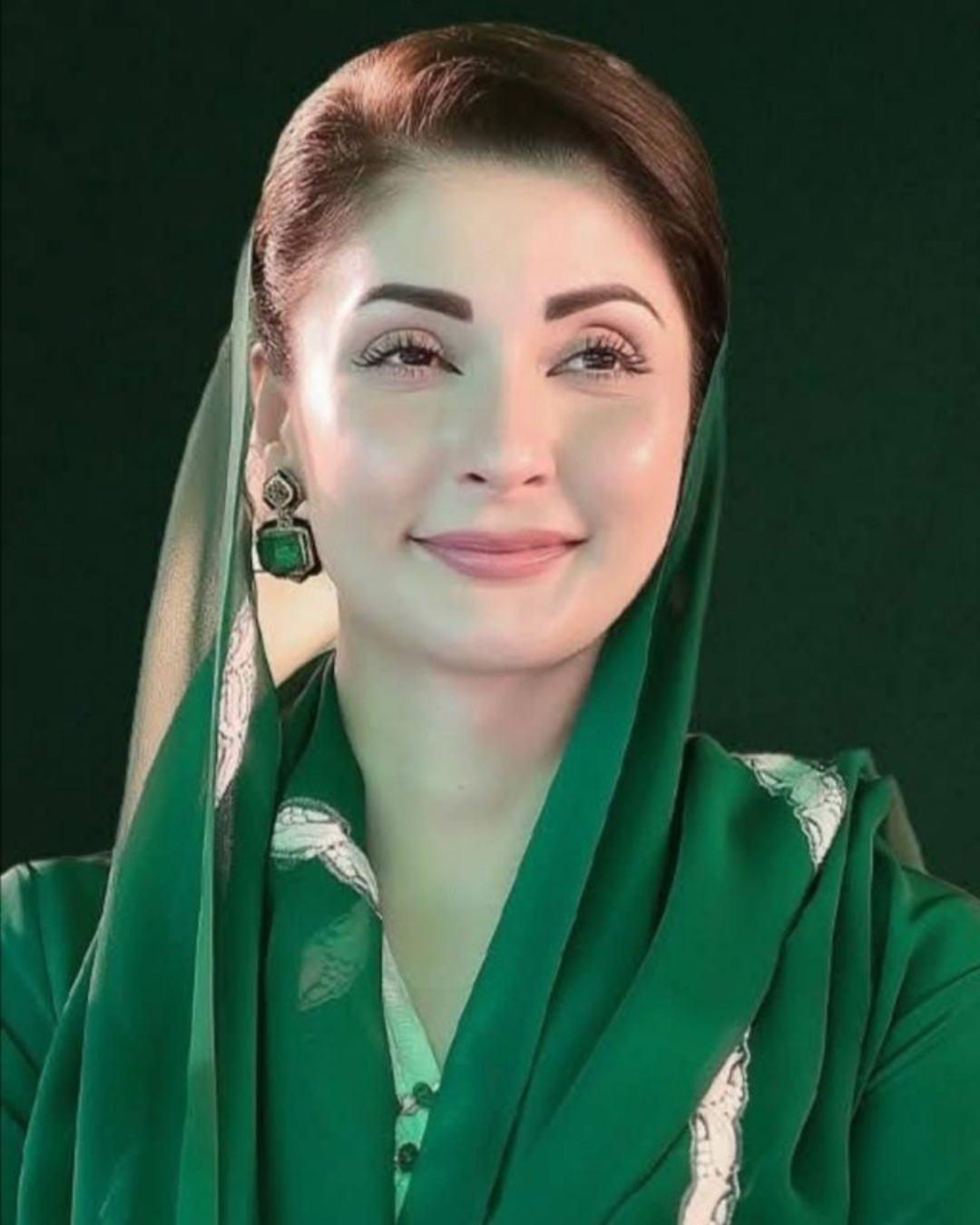
Maryam Nawaz
Maryam Nawaz is admired for her elegant traditional wear and graceful public appearances.
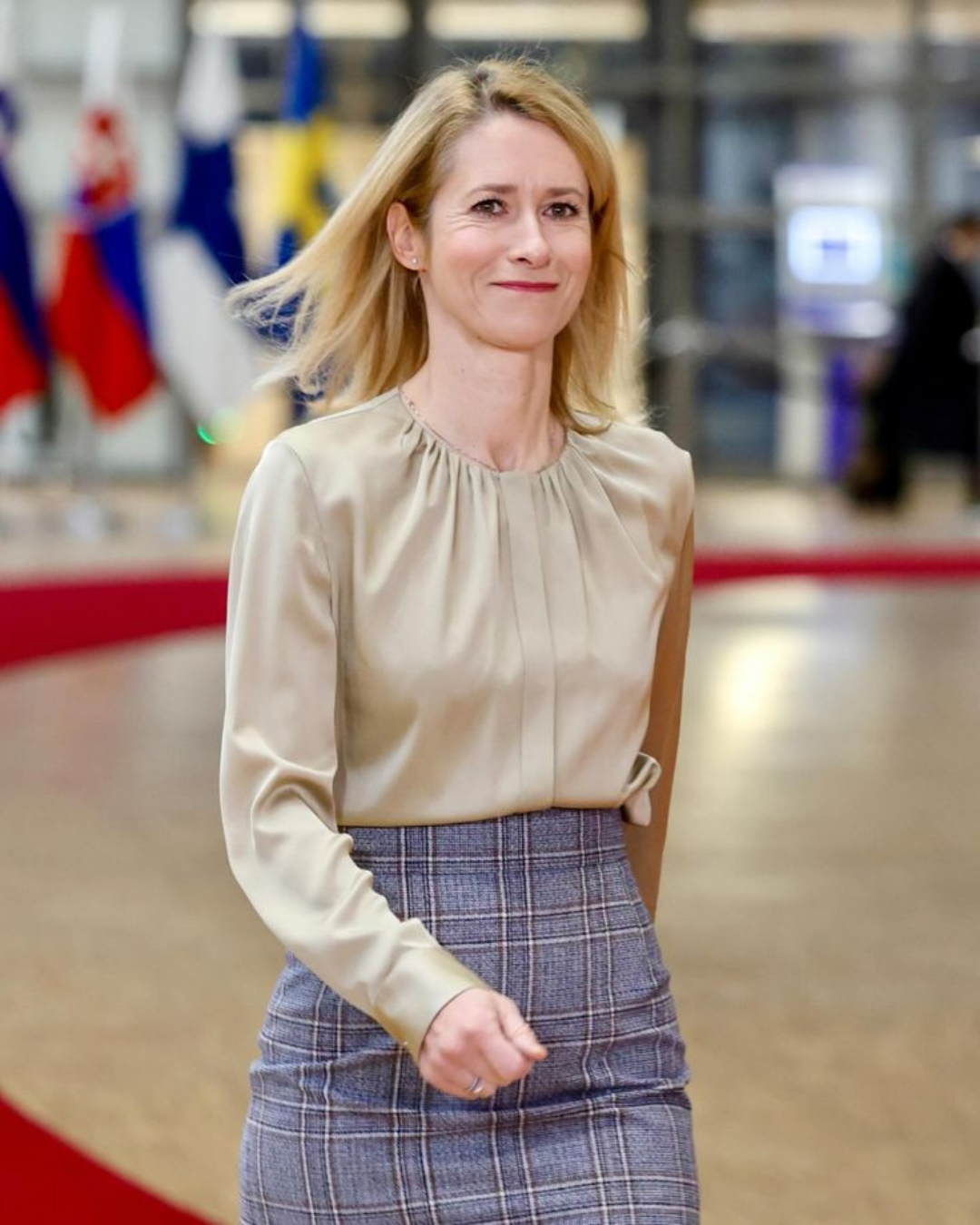
Kaja Kallas
Kaja Kallas is known for her sleek, modern European style favoring clean lines and contemporary silhouettes.
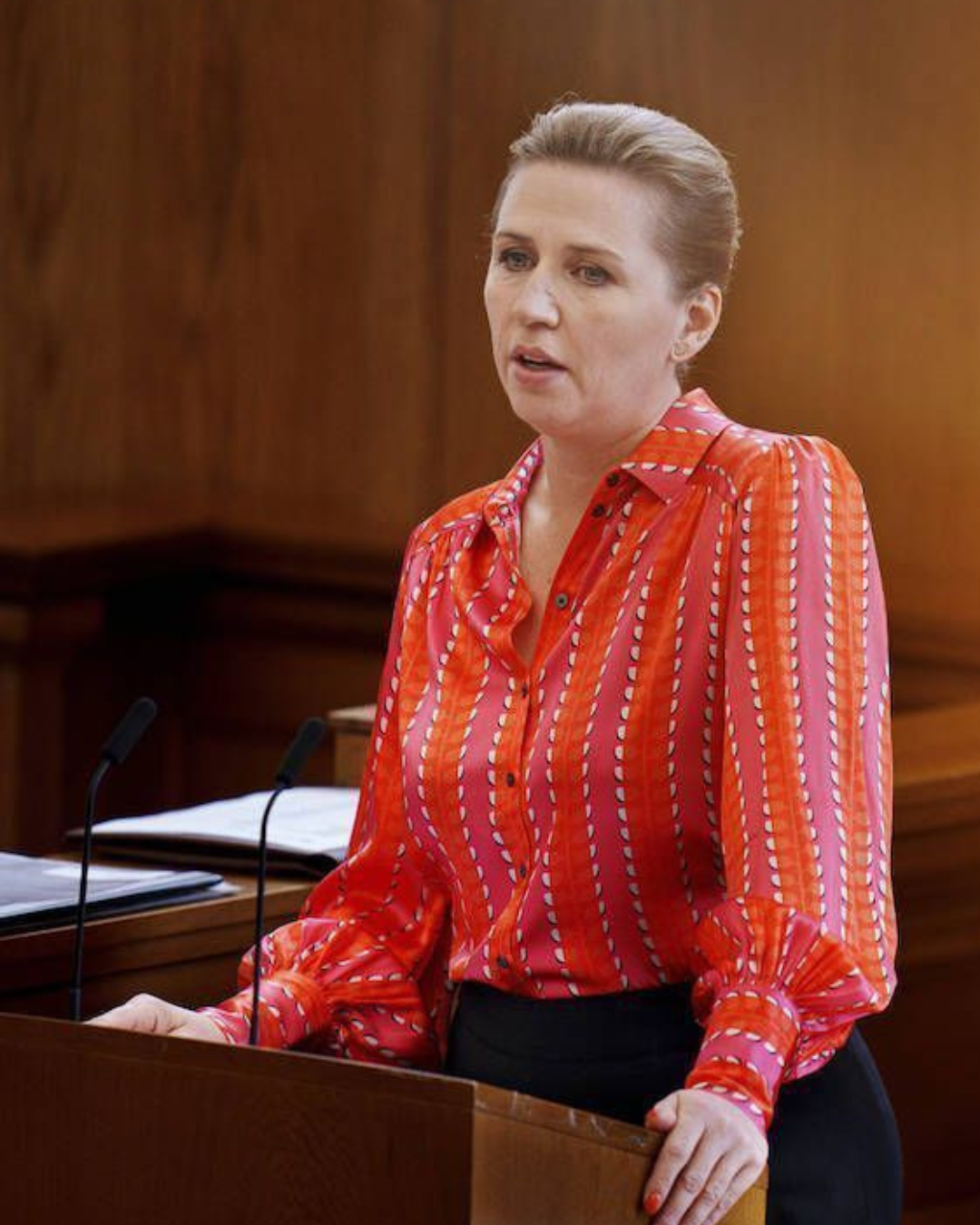
Mette Frederiksen
Her Scandinavian minimalism, neutral tones, and sharp tailoring reflect understated elegance and leadership.
Alexandria Ocasio-Cortez
AOC brings boldness to political fashion with statement outfits and relatable styling that resonates with younger audiences.
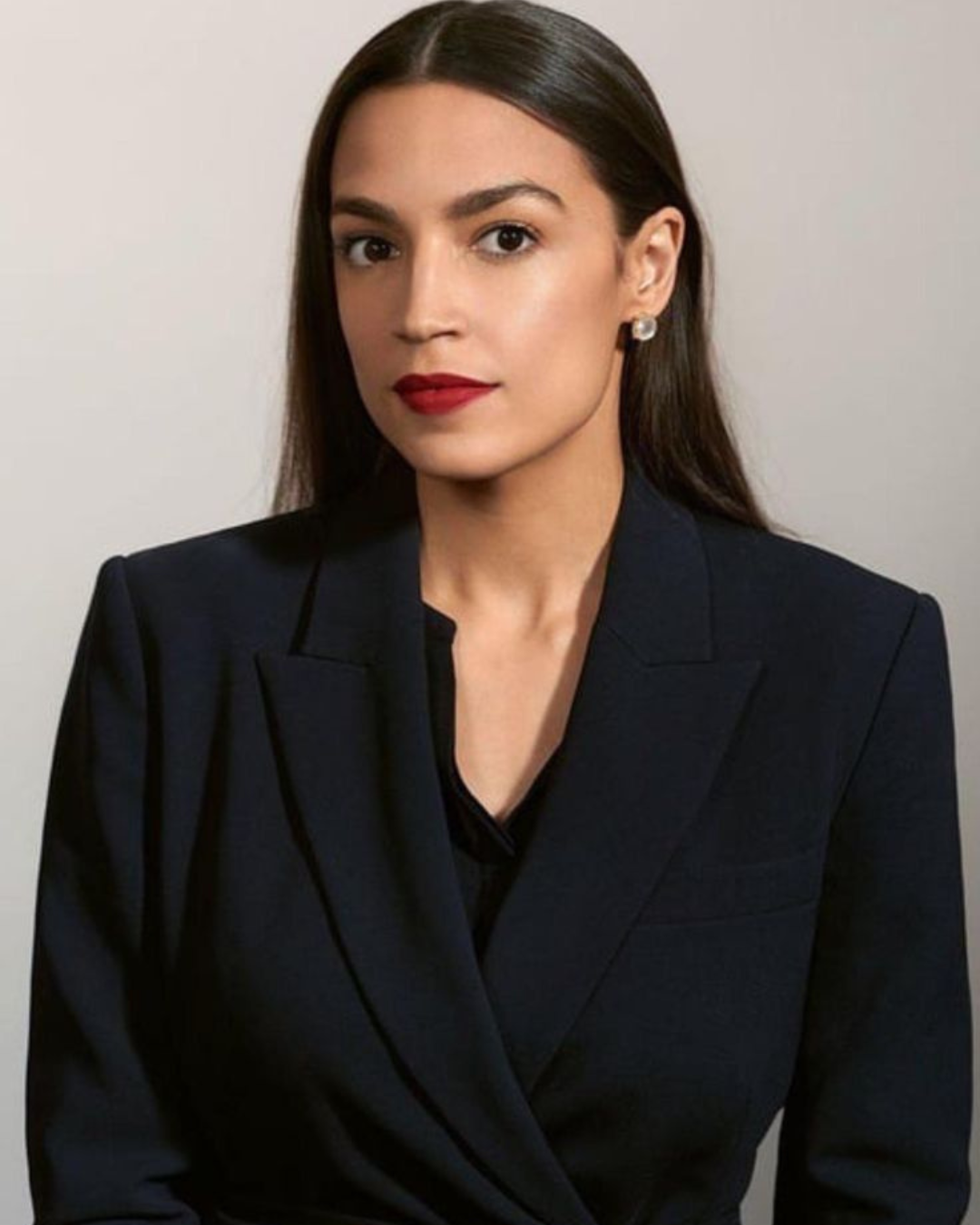
The best dressed female politicians in the world are proving that leadership and style go hand in hand. Whether through traditional attire or modern power dressing, these women are setting global fashion benchmarks while leading nations and inspiring millions.
Also Read: Minimalism vs Maximalism: What’s Trending in Lifestyle (2026)

Best Indian Designers Redefining Global Luxury

Most Stylish Social Media Stars: Digital Fashion Icons Defining 2026

The Dark Side of Fake Spirituality on Social Media

Top 5 Most Dangerous Zodiac Signs Based on Their Personality Traits

Most Iconic FIFA World Cup Jerseys of All Time

Why Aquarius Signs Are Visionaries Ahead of Their Time

Shakira and FIFA World Cup: From Waka Waka to Dai Dai 2026

The Rise of Spiritual Luxury Travel: Retreats, Wellness & Culture

Top Female Entrepreneurs Who Started as Influencers

Signs You’re Going Through a Spiritual Awakening
Dorsia, Gurgaon’s One Of The Biggest BYOBs
Top 10 Best Dressed Politicians In The World

Breaking the Mold: How Demon Slayer Redefines the Shonen Genre?
15 Best Quotes Of Toy Story About Friendship.

Sabrina Carpenter’s Man’s Best Friend and the Politics of Pop Imagery
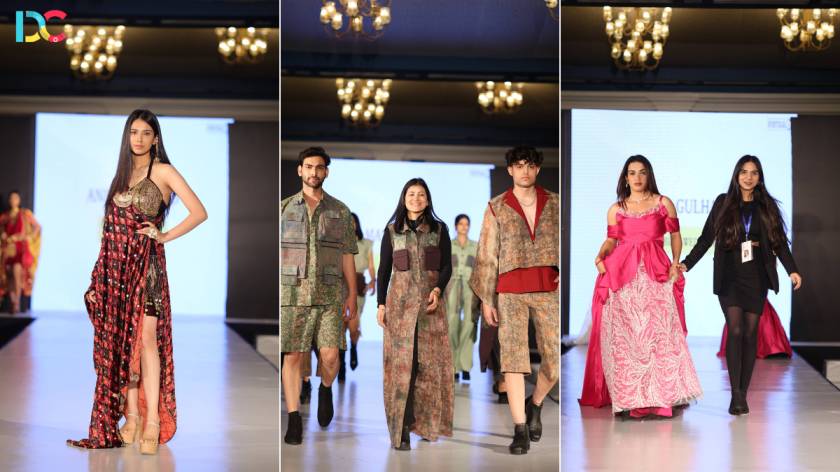
Emerging Fashion Designers India Contest Wraps Up in the Most Spectacular Fashion

The NOU Walk Of Life : New Talk of Town in Luxury Footwear
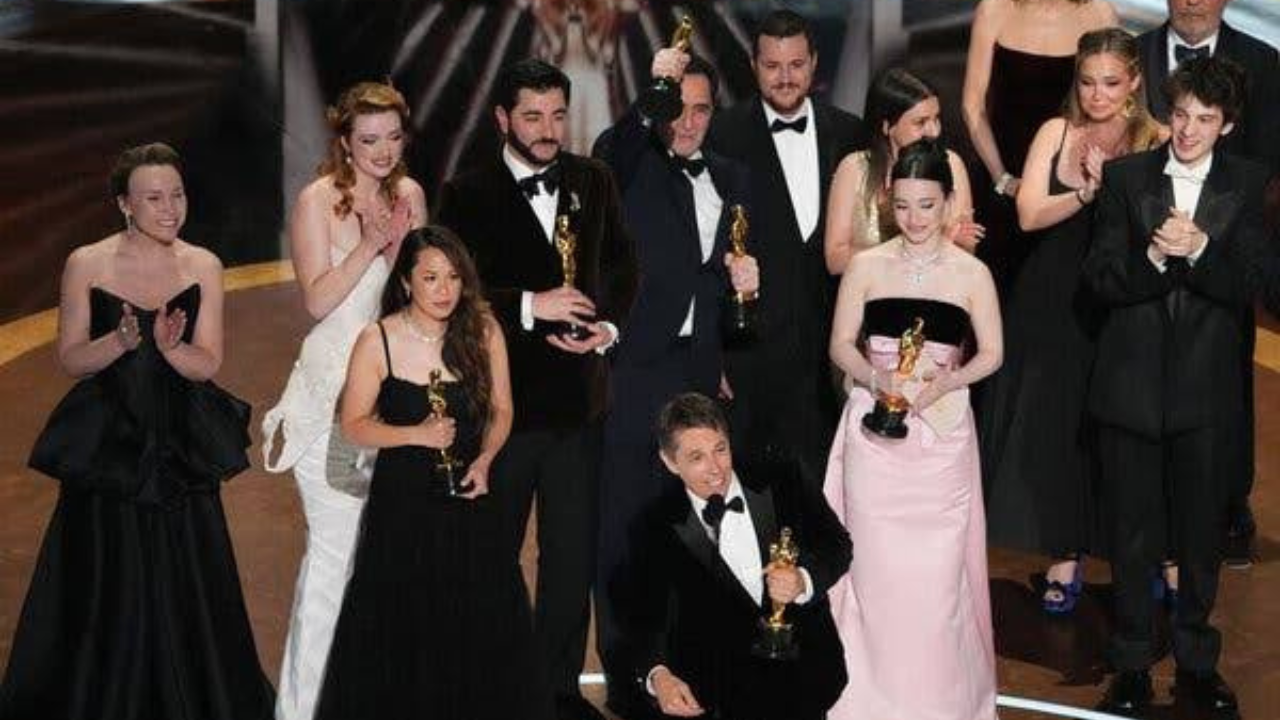
The Most Memorable Highlights from the 2025 Academy Awards
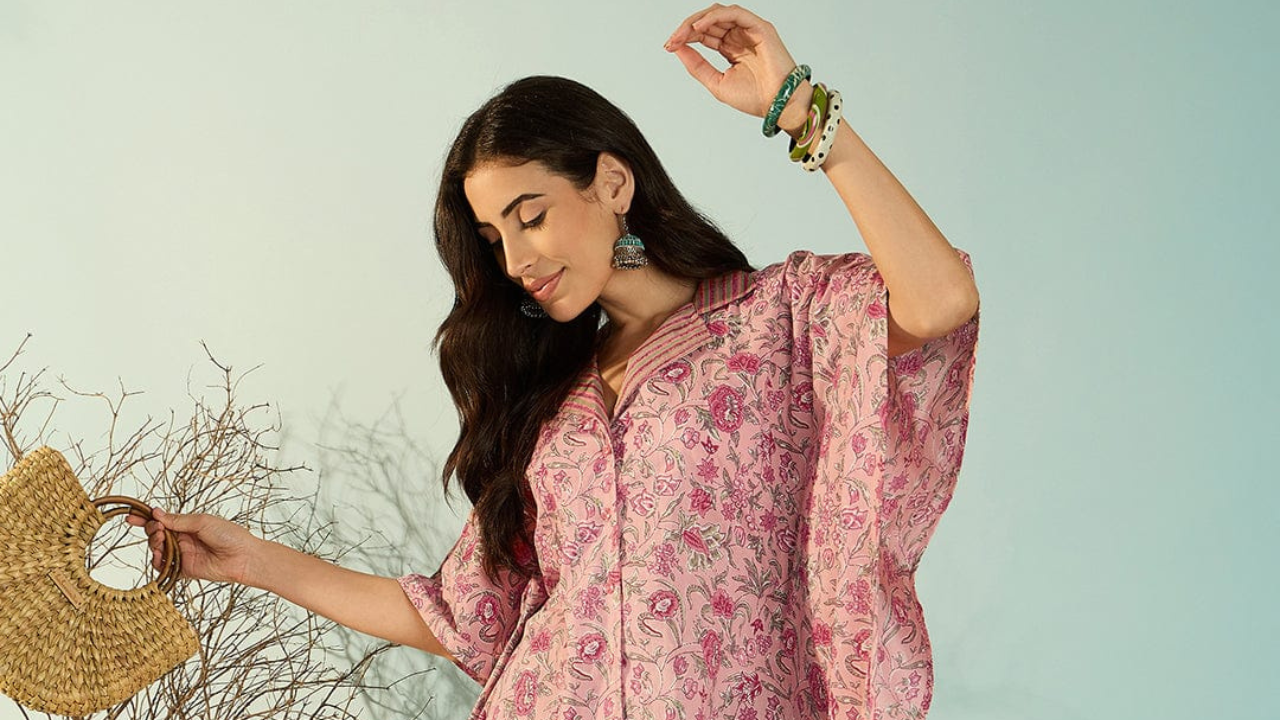
Kaftans: The New Festive Staple Taking Over Indian Wardrobes
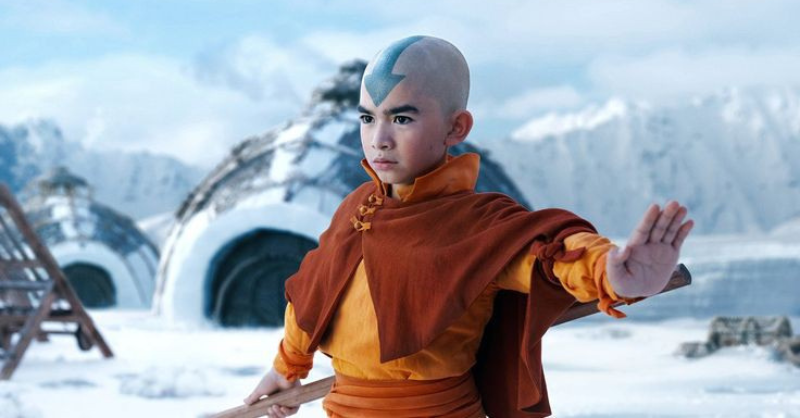
Are Live-Action Adaptations a Risky Bet for Studios?
-
 Entertainment6 months ago
Inside the Creator Economy: Who’s Making Millions in 2026?
-
 Events5 months ago
Top 10 Best Dressed Female Politicians in the World
-
 Horoscope5 months ago
Why Scorpio Is So Attractive And Hard to Handle
-
 Fashion5 months ago
Best Mother’s Day Gifts 2026
-
 Events6 months ago
7 Ways to Make Your Mom Feel Special This Mother’s Day
-
 Beauty4 months ago
Most Stylish Indian Female News Anchors Who Redefine Glamour & Journalism
-
 Horoscope5 months ago
The Dark Side of Every Zodiac Sign
-
 Horoscope4 months ago
AI Gurus & Digital Faith: Is Technology Changing Spirituality?