
Business
Best Indian Designers Redefining Global Luxury
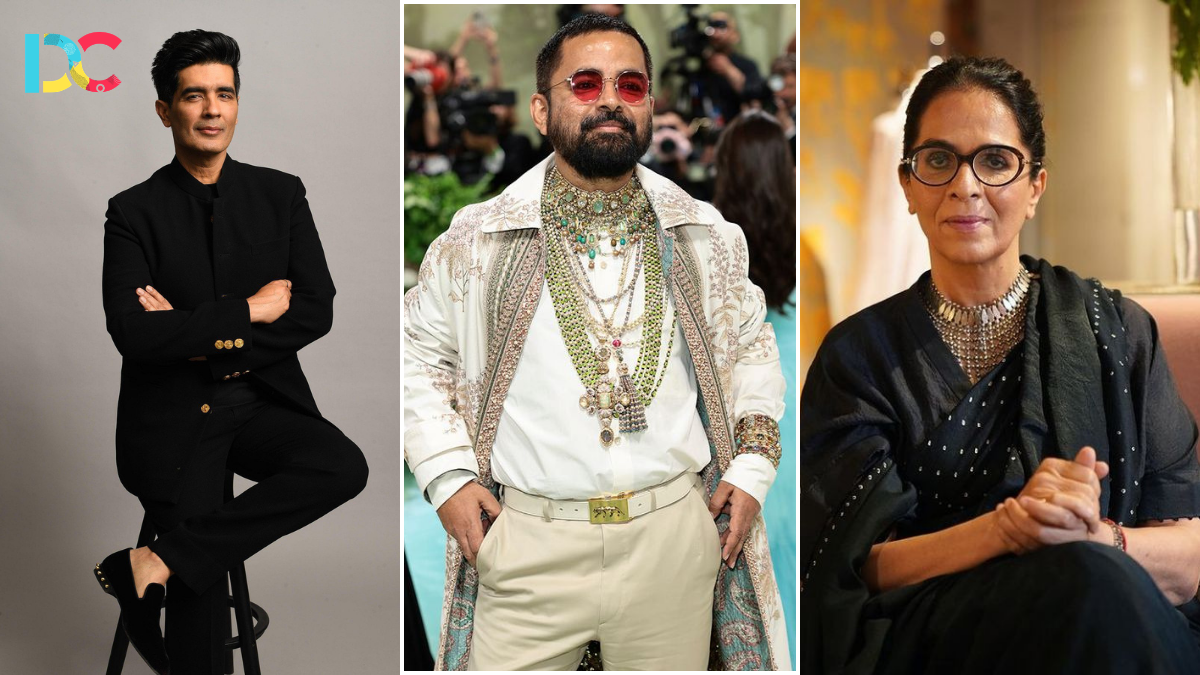
Global luxury is no longer defined only by Paris, Milan, London, and New York. Today, India is becoming one of the most powerful voices in the world of couture, bridal fashion, sustainable luxury, handcrafted textiles, and red-carpet glamour. The new definition of luxury is not just about expensive labels; it is about storytelling, craftsmanship, cultural identity, exclusivity, and emotional value. This is exactly where Indian designers are leading the conversation.
From Sabyasachi’s royal Indian aesthetic to Rahul Mishra’s couture storytelling, from Gaurav Gupta’s sculptural red-carpet gowns to Manish Malhotra’s glamorous global expansion, Indian designers are proving that luxury can be deeply rooted in heritage while still looking modern, international, and aspirational.
In 2026, India’s presence in global couture became even stronger, with Indian names such as Rahul Mishra, Gaurav Gupta, Vaishali S, and Manish Malhotra being discussed around Paris Couture Week, one of the most prestigious fashion platforms in the world.
Why Indian Designers Are Becoming Global Luxury Leaders
Indian fashion has always had the ingredients of luxury: hand embroidery, rare textiles, regal silhouettes, jewellery-inspired detailing, and generations of artisanal knowledge. What has changed now is global recognition. Earlier, Indian craftsmanship often worked behind the scenes for international luxury houses. Today, Indian designers and ateliers are claiming their own space on the global stage.
A Financial Times report recently highlighted how Indian embroidery and craftsmanship continue to play a major role in French couture and luxury ready-to-wear, while designers like Rahul Mishra and Indian craft houses are increasingly bringing Indian artistry to the front of the global fashion conversation.
This shift is important because Indian luxury is not trying to copy Western luxury. Instead, it is building its own identity through heritage, emotion, handwork, sustainability, and cultural storytelling.
1. Sabyasachi Mukherjee: The King of Indian Luxury Fashion
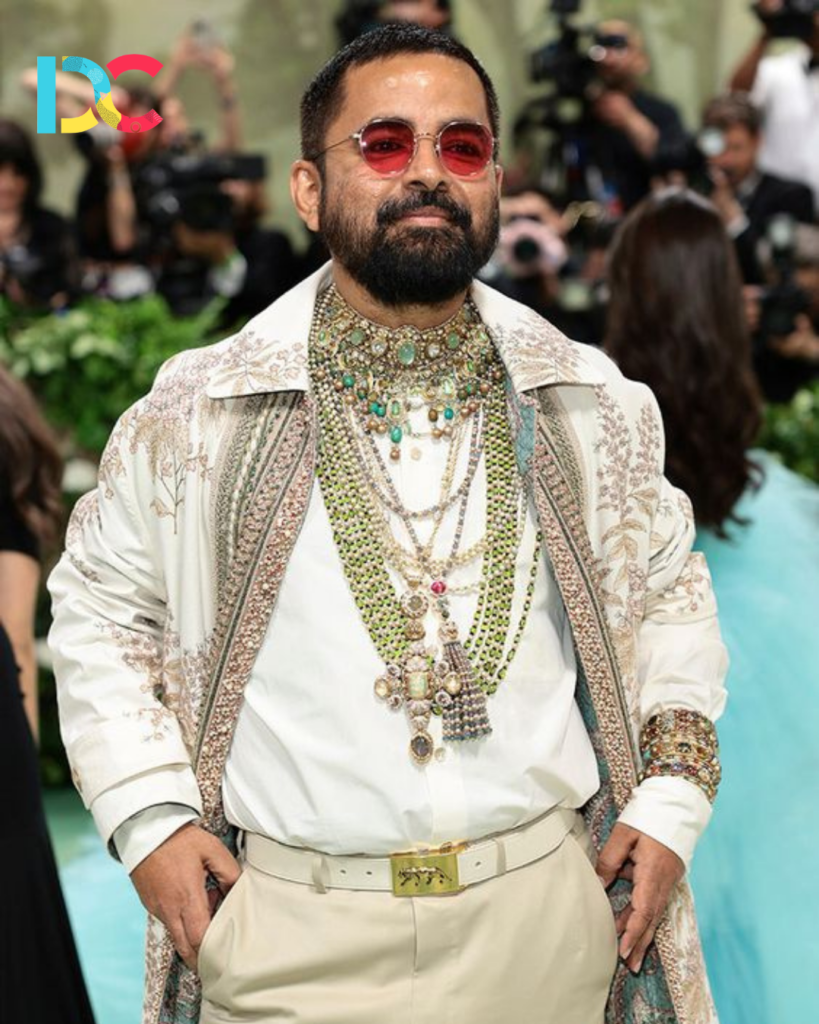
When people search for Indian luxury fashion designers, Sabyasachi is often the first name that comes to mind. His brand has become synonymous with royal bridal wear, heritage jewellery, rich textiles, and a strong Indian visual identity.
Sabyasachi has successfully turned Indian bridal fashion into a global luxury language. His designs are worn by celebrities, brides, collectors, and luxury consumers across the world. What makes Sabyasachi special is his ability to create an entire universe around Indian opulence. His stores, campaigns, jewellery, handbags, and couture collections all carry a signature world of vintage glamour, Bengal-inspired artistry, and regal India.
The brand’s international growth has also strengthened its position as a global Indian luxury house. Sabyasachi’s official history notes the launch of its first international flagship store in New York, with a mission to shift the perception from “made in India” to “designed and made in India.” The brand has also presented at Bergdorf Goodman and Harrods, bringing Indian craftsmanship to premium international luxury audiences.
2. Rahul Mishra: India’s Couture Storyteller at Paris Haute Couture Week
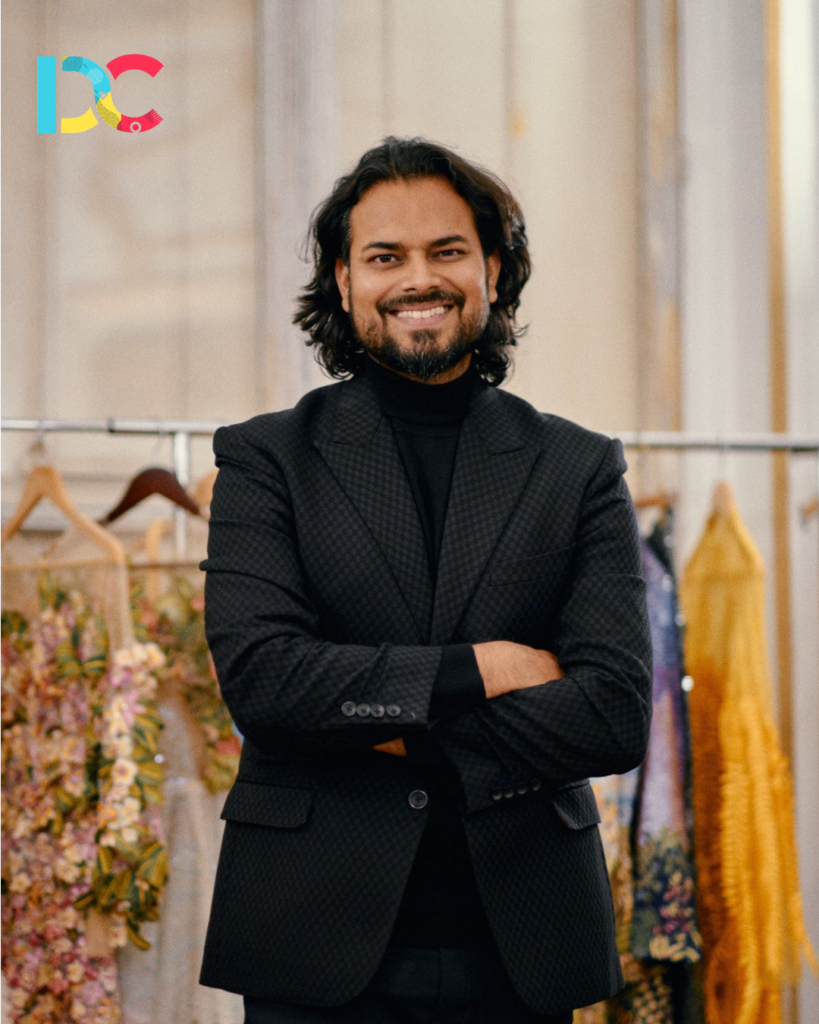
Rahul Mishra is one of the strongest Indian names in global couture. Known for slow fashion, intricate handwork, nature-inspired designs, and deeply artistic storytelling, he has brought Indian craftsmanship into the most respected couture spaces.
Rahul Mishra’s official brand profile states that he was the first Indian designer invited to showcase at Paris Haute Couture Week and that his work is rooted in sustainability, empowerment, and local craft communities. His brand philosophy of “As Slow As Possible” places craft, time, and human skill at the centre of luxury.
In July 2026, Rahul Mishra’s “Devi: The Eternal Muse” collection at Paris Haute Couture Week again put Indian mythology, temple art, embroidery, and sculpture-inspired design in the global spotlight. Cardi B appeared in a custom Rahul Mishra gown inspired by Indian temple sculpture, creating a strong pop-culture moment for Indian couture.
3. Gaurav Gupta: The Sculptor of Modern Indian Couture
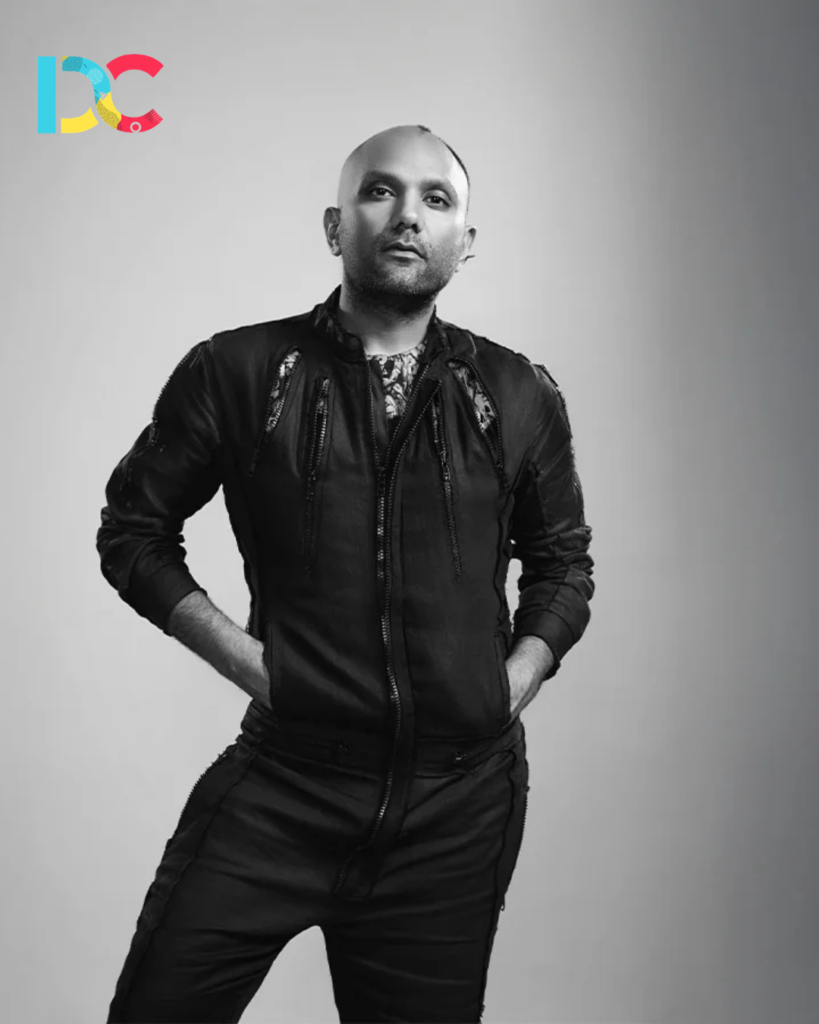
Gaurav Gupta represents the bold, futuristic side of Indian luxury fashion. His work is dramatic, sculptural, fluid, and red-carpet ready. Unlike traditional bridal-heavy Indian couture, Gaurav Gupta has built a strong identity through experimental shapes, metallic finishes, cosmic themes, and architectural gowns.
His designs have become popular among global celebrities because they photograph beautifully and create instant impact. At Paris Haute Couture Week Spring/Summer 2026, Gaurav Gupta returned with “Divine Androgyne,” a collection inspired by Indian spiritual philosophy, cosmic duality, and the idea of Ardhanarishvara.
This is where Gaurav Gupta stands apart. He does not present Indian fashion only through embroidery or ethnic silhouettes. Instead, he translates Indian philosophy into futuristic global couture. His work shows that Indian luxury can be conceptual, avant-garde, and international.
4. Manish Malhotra: Bollywood Glamour Goes Global
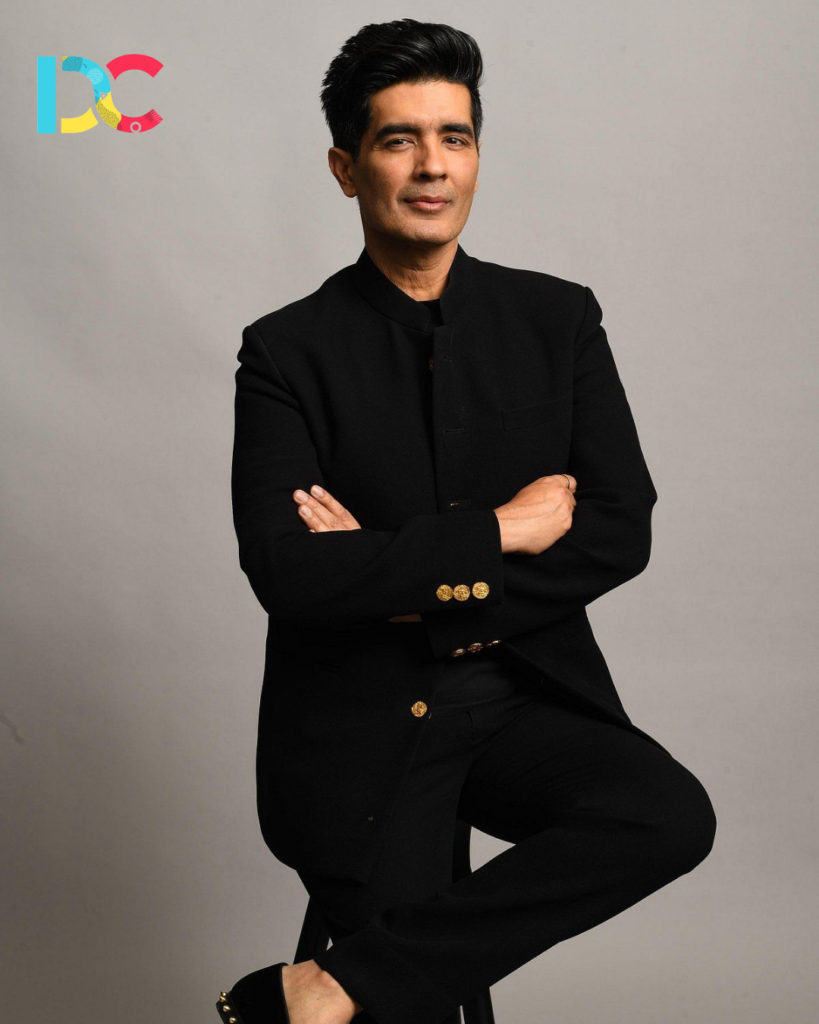
Manish Malhotra has played a huge role in shaping modern Indian glamour. For decades, his designs have defined Bollywood fashion, celebrity style, bridal wear, and occasion dressing. Today, his brand is expanding from Indian film-inspired luxury to a global couture identity.
Manish Malhotra opened his first global flagship store at Dubai Mall’s Fashion Avenue in 2023, marking a major step in taking Indian couture to international luxury retail. In 2026, he was also listed as a guest house at Paris Haute Couture Week Fall/Winter 2026, showing how Indian couture is entering more formal global fashion institutions.
His strength lies in combining cinematic glamour with Indian embroidery, modern silhouettes, festive wear, and luxury occasion dressing. For global Indian consumers, especially NRIs and luxury wedding buyers, Manish Malhotra represents celebration, scale, glamour, and star power.
5. Anita Dongre: Sustainable Indian Luxury for the Global Woman
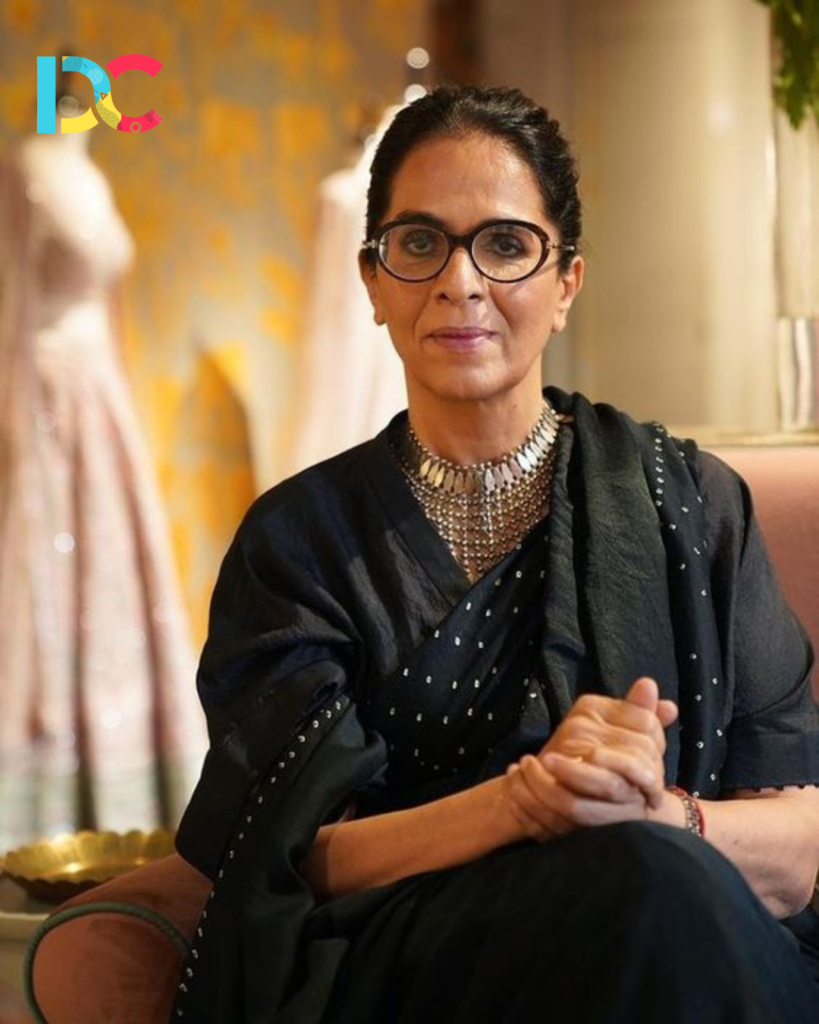
Anita Dongre brings a softer, more conscious side to Indian luxury fashion. Her brand focuses on heritage crafts, handlooms, sustainability, and wearable elegance. She has built a fashion empire that connects Indian artisanship with modern lifestyle dressing.
The House of Anita Dongre highlights Indian handlooms, handicrafts, textures, and traditional design on its official platform, while the Anita Dongre Foundation works toward artisan training and sustainable livelihood creation. Her global presence has also expanded through stores and international retail visibility, including New York and other luxury markets.
Anita Dongre’s importance lies in the fact that she makes Indian luxury feel wearable, ethical, and globally approachable. Her designs appeal to women who want elegance without excessive heaviness.
6. Vaishali S: Textile Innovation Meets Global Couture
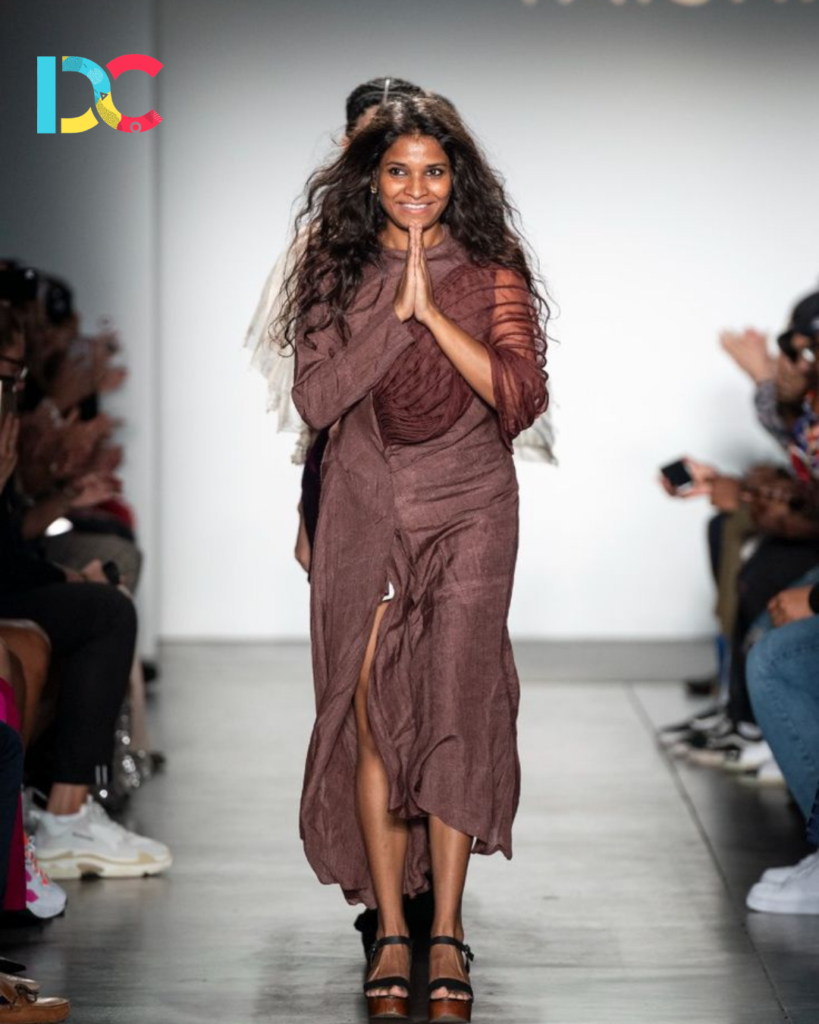
Vaishali S is another important Indian designer gaining international recognition. Her work is known for textile experimentation, handwoven structures, and sculptural forms. She brings a deeply craft-led but contemporary approach to couture.
Her presence alongside names like Rahul Mishra, Gaurav Gupta, and Manish Malhotra in Paris Couture Week conversations shows that Indian designers are no longer limited to bridal wear or domestic fashion weeks. They are becoming part of the global couture system.
7. Ritu Kumar: The Heritage Pioneer of Indian Designer Fashion
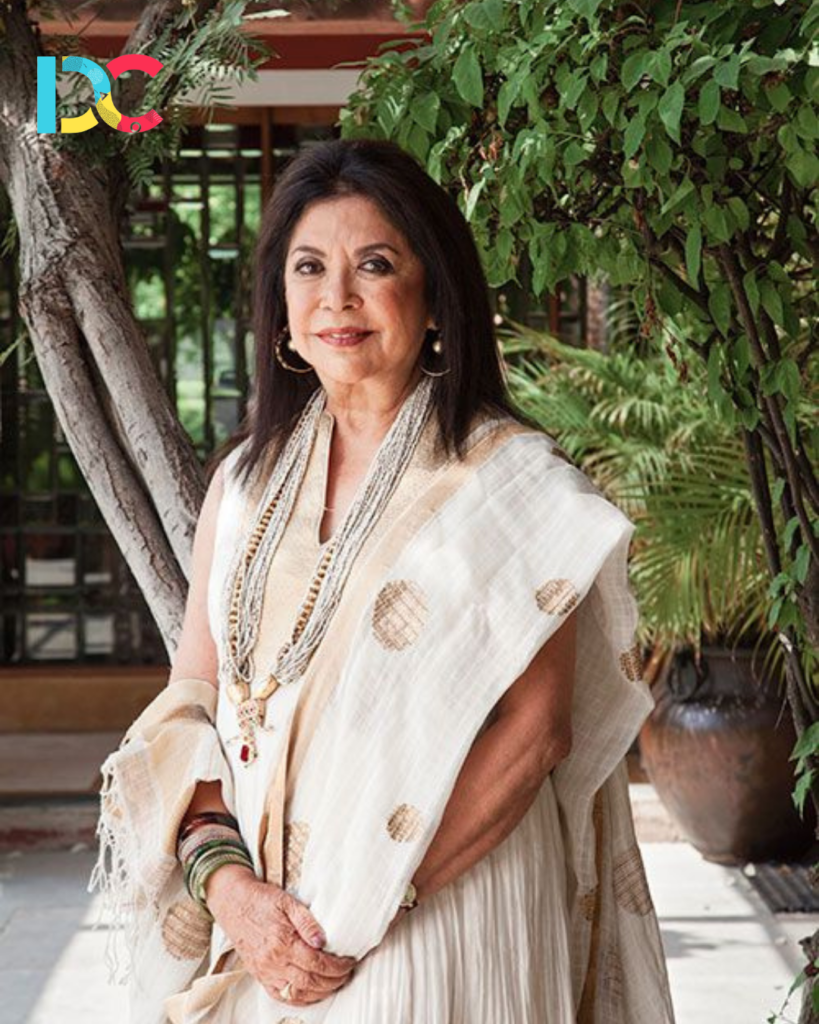
Ritu Kumar is one of the most respected names in Indian fashion. Long before Indian luxury became a global conversation, she worked with traditional textiles, embroidery, prints, and Indian silhouettes. Her brand helped build the foundation of India’s designer fashion industry.
Her labels continue to offer designer dresses, suits, lehengas, sarees, accessories, and bridal collections, keeping Indian heritage relevant for modern consumers. For global luxury, Ritu Kumar’s importance lies in preservation. She helped prove that India’s textile history could become premium fashion, not just costume or craft.
The Bigger Trend: Indian Craftsmanship Is the New Luxury Code
The rise of Indian designers is not just about famous names. It is also about the rise of Indian artisans, embroidery houses, textile communities, and craft clusters. Luxury consumers today are looking for authenticity, handmade value, cultural meaning, and sustainability. Indian fashion naturally offers all of this.
Global fashion is also becoming more transparent about the role of Indian craftsmanship. Vogue recently reported on Chanakya International, an Indian textile house known for its embroidery work with luxury houses such as Dior, Prada, and Fendi, launching its own label, Chorus, with international ambitions. This shows a bigger shift: Indian craft is no longer staying behind the curtain. It is becoming the main story.
India Is Not Following Global Luxury, It Is Redefining It
The best Indian designers redefining global luxury are not simply creating expensive clothes. They are changing the meaning of luxury itself. Sabyasachi brings royal Indian grandeur to the world. Rahul Mishra brings poetic couture and sustainability. Gaurav Gupta brings futuristic sculpture. Manish Malhotra brings cinematic glamour. Anita Dongre brings conscious elegance. Vaishali S brings textile innovation. Ritu Kumar brings heritage and legacy.
Together, they prove that Indian luxury is not a trend. It is a global movement built on craft, culture, emotion, artistry, and identity.
As the world looks for fashion with meaning, India’s designers are offering something far more powerful than logos: they are offering stories stitched by hand, shaped by history, and designed for the future.
FAQs
1. Who are the best Indian designers redefining global luxury?
Some of the best Indian designers redefining global luxury include Sabyasachi Mukherjee, Rahul Mishra, Gaurav Gupta, Manish Malhotra, Anita Dongre, Vaishali S, and Ritu Kumar.
2. Why are Indian fashion designers becoming globally popular?
Indian fashion designers are becoming globally popular because they combine heritage craftsmanship, hand embroidery, luxury textiles, sustainability, storytelling, and modern silhouettes.
3. Which Indian designers have showcased at Paris Couture Week?
Indian designers such as Rahul Mishra, Gaurav Gupta, Vaishali S, and Manish Malhotra have been part of Paris Couture Week conversations and showcases, strengthening India’s position in global couture.
4. Is Indian luxury fashion only about bridal wear?
No. While Indian bridal couture is globally famous, Indian luxury fashion now includes red-carpet gowns, ready-to-wear, jewellery, handbags, sustainable fashion, textile couture, and global occasion wear.
5. What makes Indian luxury fashion unique?
Indian luxury fashion is unique because of its handmade craftsmanship, embroidery, textile heritage, cultural storytelling, emotional value, and ability to merge tradition with modern global design.
Also Read : Most Stylish Social Media Stars: Digital Fashion Icons Defining 2026

Beauty
Top Female Entrepreneurs Who Started as Influencers
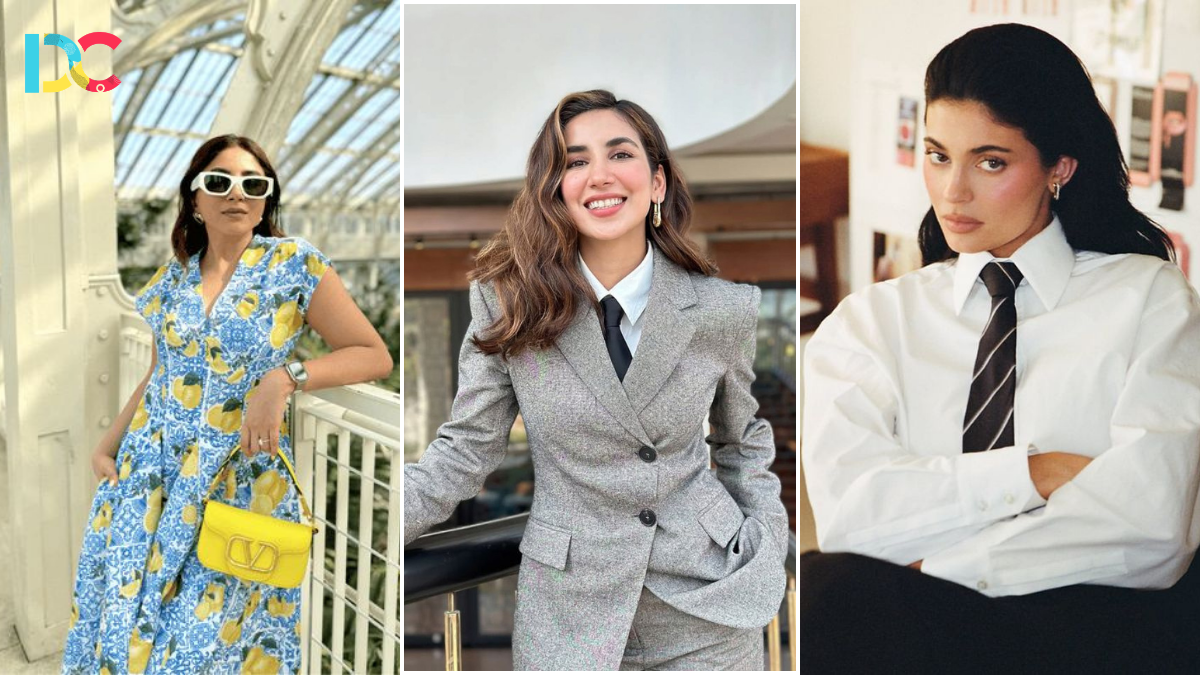
The rise of social media has completely changed the meaning of entrepreneurship. Earlier, building a brand required heavy investment, retail presence, and traditional advertising. Today, many women are proving that a loyal community, strong personal branding, and authentic content can become the foundation of powerful businesses.
From beauty and fashion to wellness, lifestyle, and direct-to-consumer brands, several female influencers have successfully turned their digital influence into profitable companies. These women did not just promote products; they understood their audience deeply, identified market gaps, and built brands around trust.
Here are some of the top female entrepreneurs who started as influencers and became successful business leaders.
1. Huda Kattan – Founder of Huda Beauty
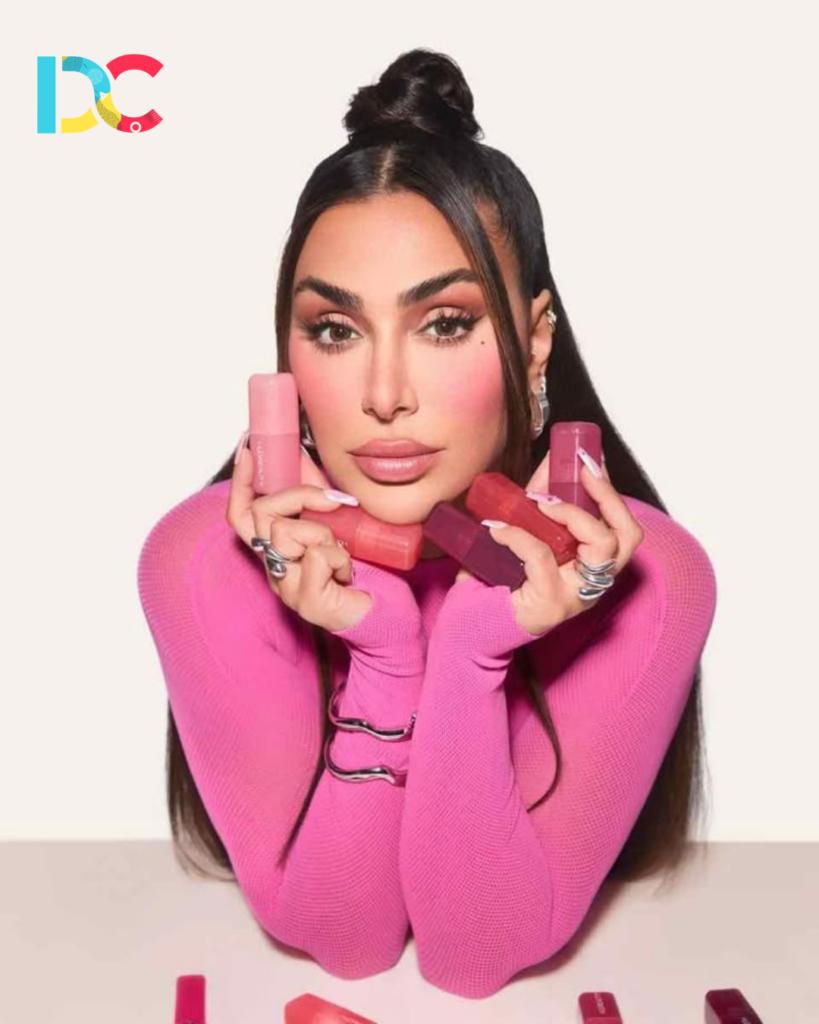
Huda Kattan is one of the most powerful examples of an influencer turning into a global entrepreneur. She started as a beauty blogger and makeup artist, sharing tutorials, product reviews, and beauty tips online. Her honest content and strong connection with beauty lovers helped her build a loyal community.
In 2013, she launched Huda Beauty with her sisters, starting with false eyelashes. The brand later expanded into foundations, lipsticks, eyeshadow palettes, skincare, and fragrance. Today, Huda Beauty is one of the most recognized beauty brands in the world.
Why she stands out: Huda used content as a trust-building tool before selling products. Her audience already believed in her expertise, which made the transition from influencer to founder natural.
2. Kylie Jenner – Founder of Kylie Cosmetics
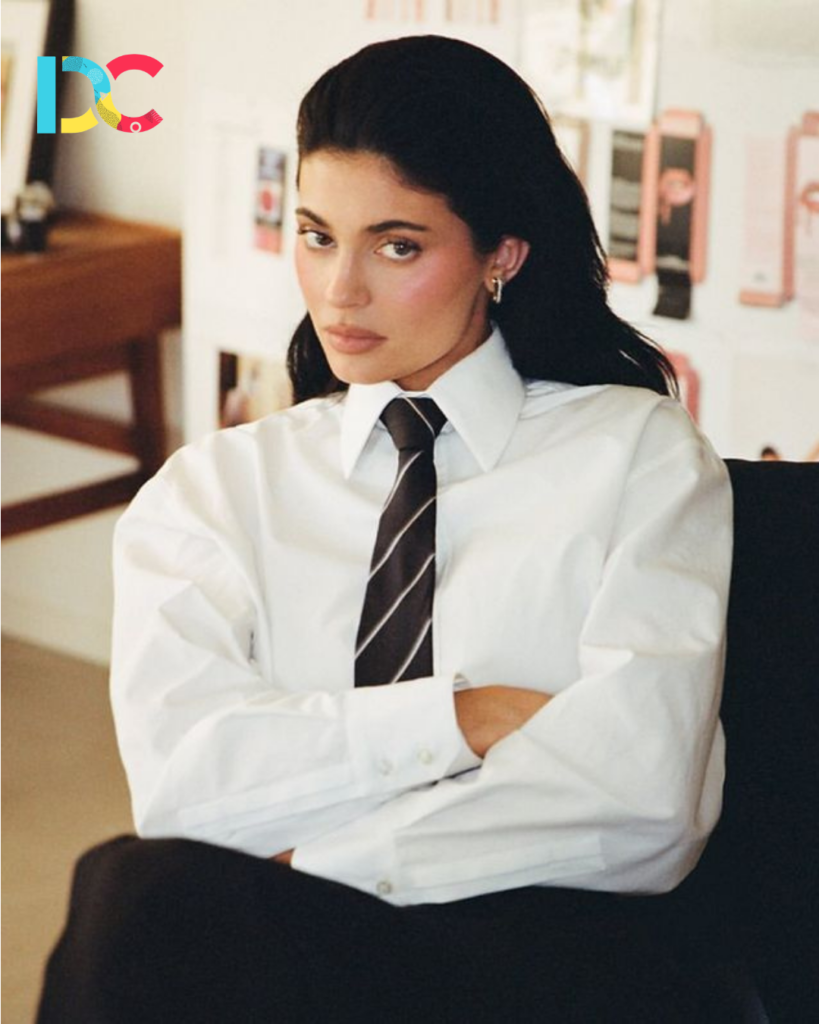
Kylie Jenner became famous through reality television and later built a massive social media following. Her influence in beauty, fashion, and lifestyle helped her create a strong personal brand at a young age.
She launched Kylie Cosmetics with her famous lip kits, which became a major success almost instantly. Her social media presence played a huge role in the brand’s marketing, product launches, and customer engagement.
Why she stands out: Kylie proved that personal branding can become a direct sales engine when combined with strong product positioning and social media hype.
3. Chiara Ferragni – Founder of The Blonde Salad and Chiara Ferragni Brand
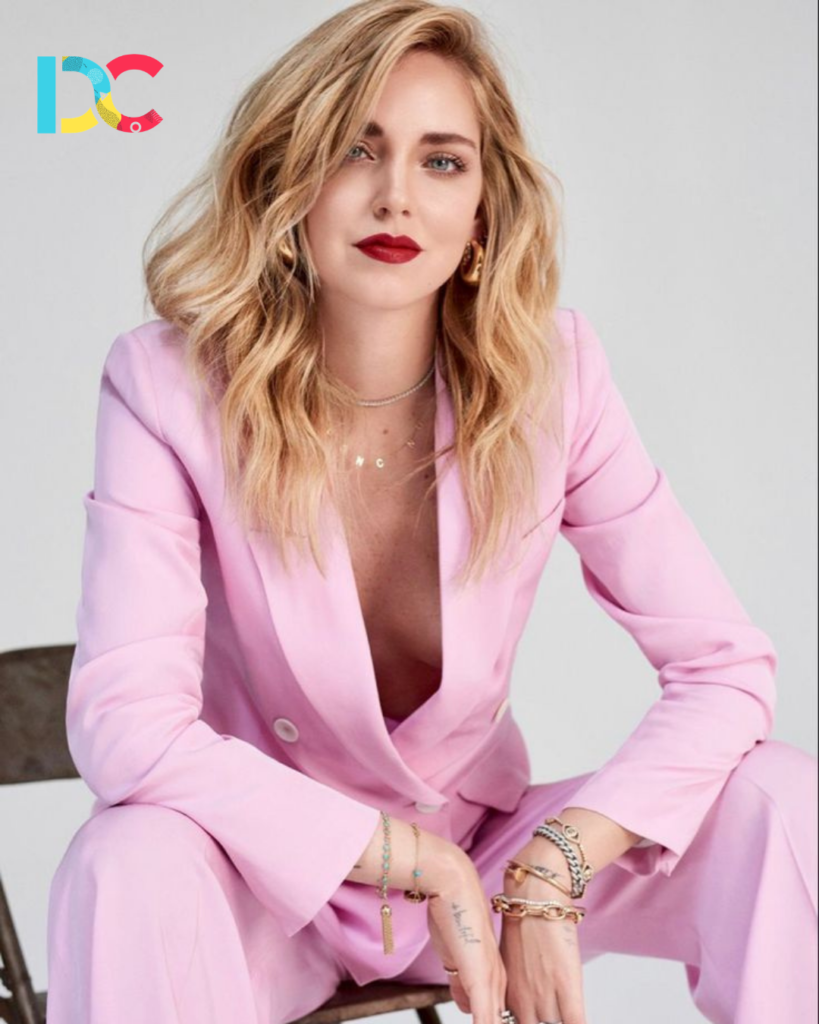
Chiara Ferragni began as a fashion blogger with The Blonde Salad, where she shared her personal style and fashion inspiration. Over time, she became one of the most influential fashion personalities in the world.
She later built the Chiara Ferragni Brand, turning her fashion influence into a business. Her journey shows how blogging, styling, and digital storytelling can become the foundation for a global fashion empire.
Why she stands out: Chiara was among the early digital creators who proved that fashion influence could become a serious business model.
4. Camila Coelho – Founder of Camila Coelho Collection and Elaluz
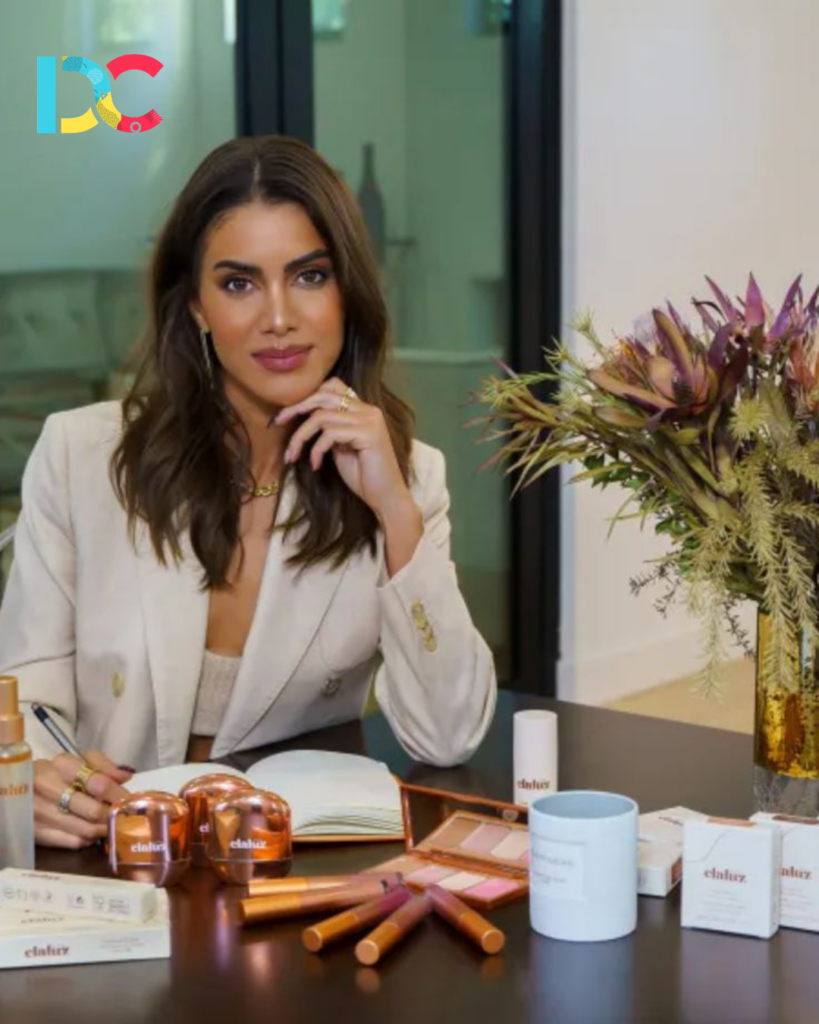
Camila Coelho started her journey as a beauty and fashion influencer, creating makeup tutorials and style content. Her charm, consistency, and beauty expertise helped her build a strong international audience.
She later launched her fashion line, Camila Coelho Collection, and beauty brand Elaluz. Her brands reflect her personal aesthetic: elegant, feminine, and aspirational.
Why she stands out: Camila successfully expanded from content creation into both fashion and beauty, showing the power of niche authority.
5. Danielle Bernstein – Founder of WeWoreWhat
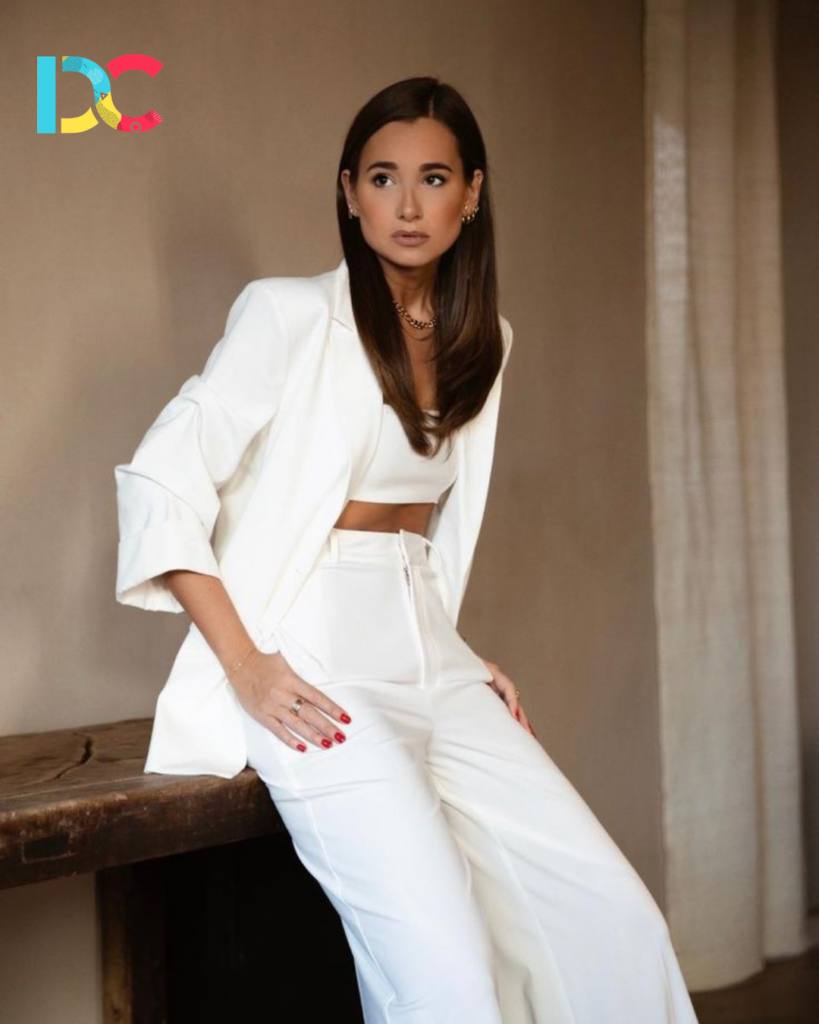
Danielle Bernstein began as a fashion blogger through WeWoreWhat, where she shared outfit inspiration and personal style content. Her fashion influence helped her build a strong audience and collaborations with major brands.
She later turned WeWoreWhat into a business, launching fashion collections and lifestyle products. Her journey reflects how personal style content can evolve into a full-scale fashion label.
Why she stands out: Danielle built a business by converting her personal fashion identity into a recognizable brand.
6. Arielle Charnas – Founder of Something Navy
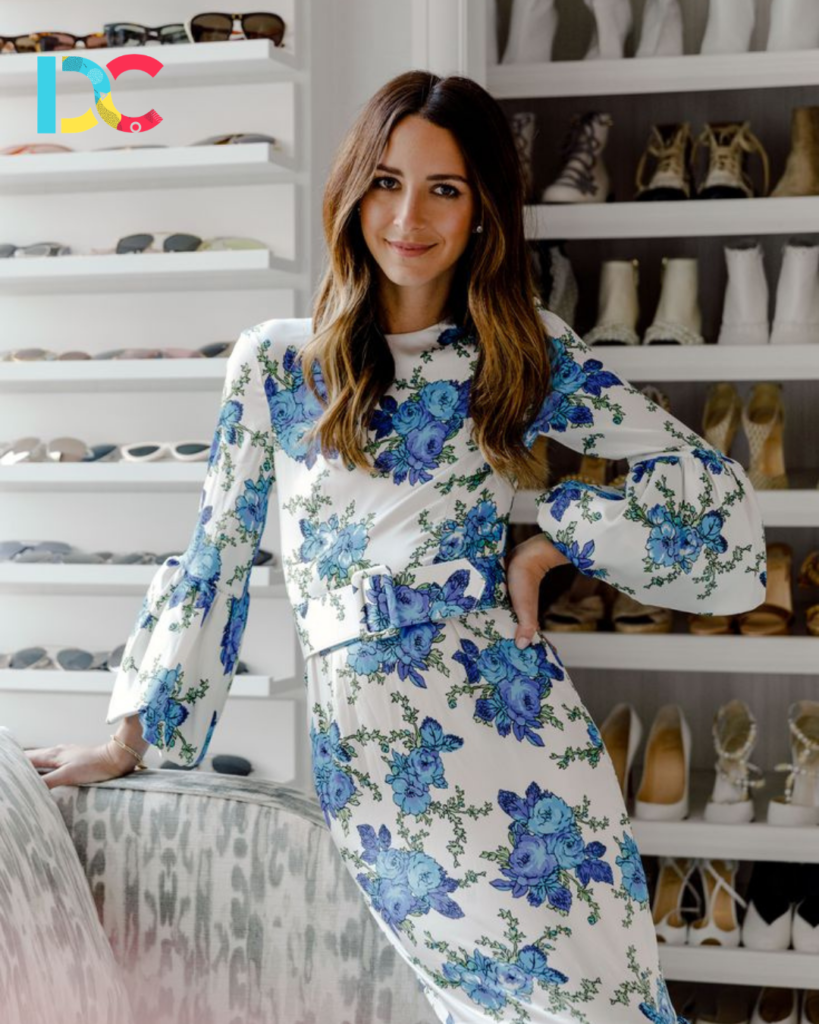
Arielle Charnas started as a fashion blogger with Something Navy. Her relatable fashion content and everyday style recommendations helped her gain a loyal audience.
Something Navy later became a fashion brand, selling clothing inspired by Arielle’s personal style. Her journey shows how creators can transform audience trust into a retail business.
Why she stands out: Arielle built her business around relatability, making her audience feel like they were part of her fashion journey.
7. Parul Gulati – Founder of Nish Hair
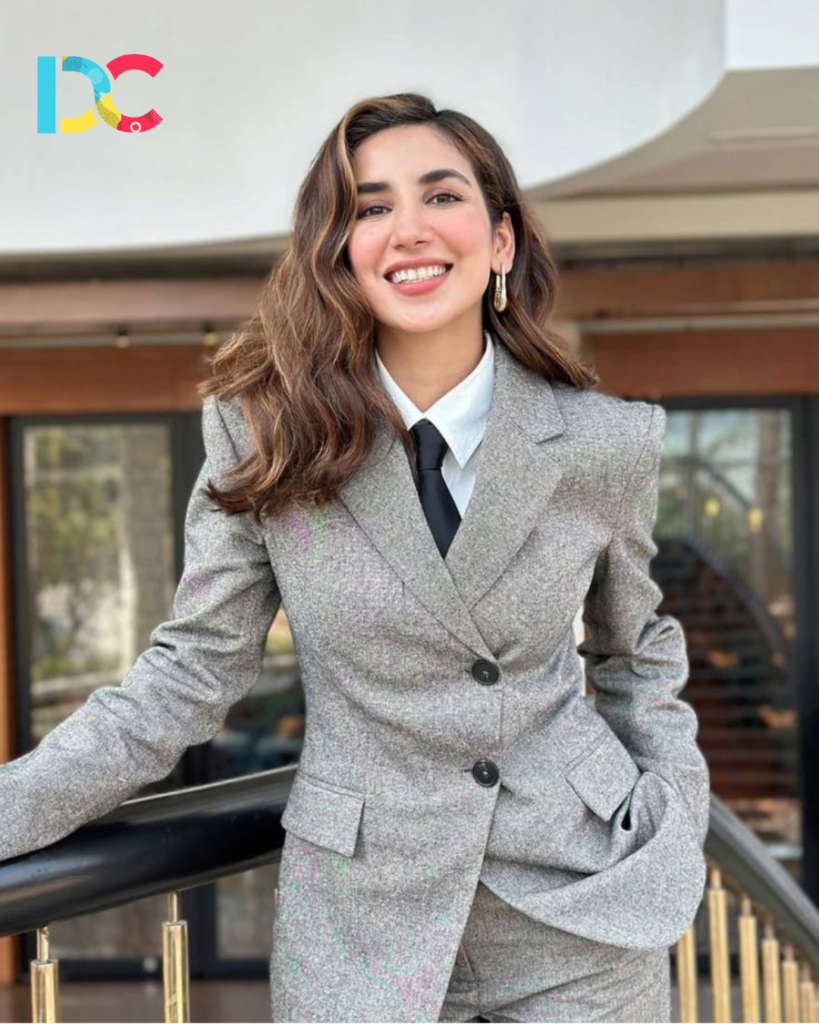
Parul Gulati, an actress and digital personality, became widely known not only for her screen presence but also for building Nish Hair, a hair extension and hair solutions brand. She used her visibility and personal brand to create awareness around hair extensions, toppers, and wigs in India.
Her appearance on Shark Tank India gave the brand wider recognition, while her social media presence helped normalize conversations around hair confidence and beauty solutions.
Why she stands out: Parul used storytelling, personal branding, and bold marketing to build a strong beauty business in a niche category.
8. Aashna Shroff – Founder of The Snob Journal and The Snob Shop
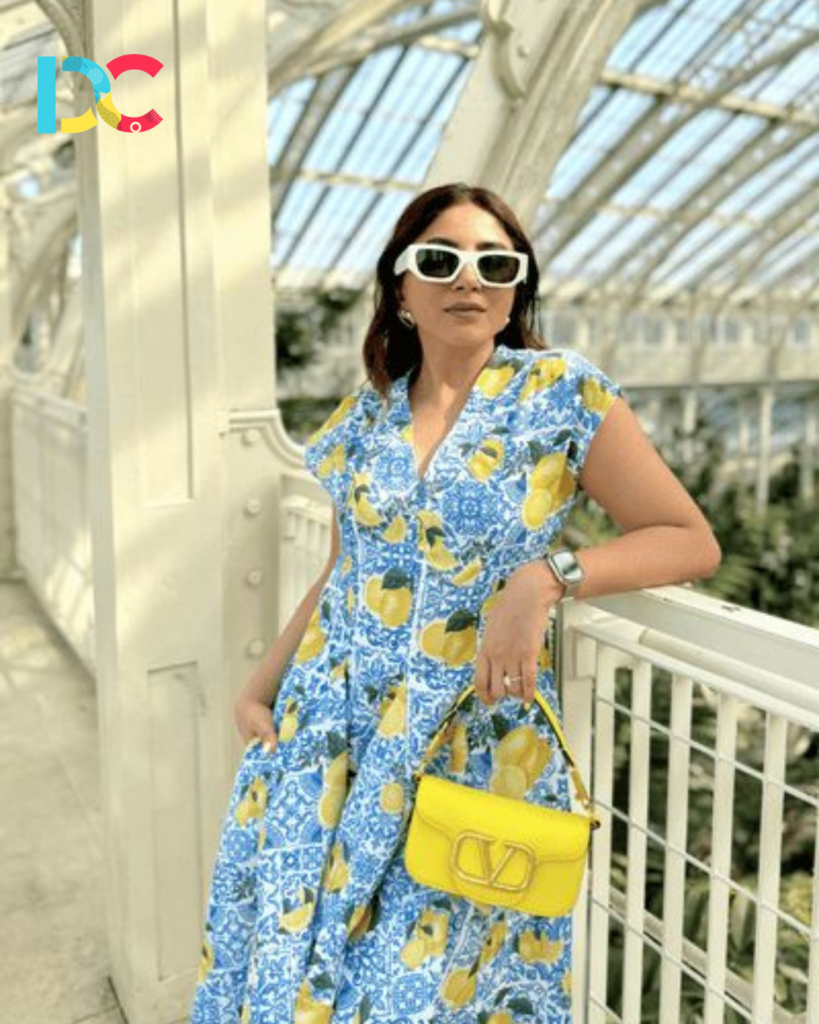
Aashna Shroff started as a fashion and lifestyle creator, sharing her personal style, beauty looks, and travel content. She later built The Snob Journal as a digital fashion identity and also worked on entrepreneurial ventures such as The Snob Shop.
Her journey is a strong example of how Indian influencers have used digital platforms to build lifestyle-led businesses.
Why she stands out: Aashna turned her taste, styling, and content identity into a fashion-focused business presence.
9. Juhi Godambe Jain – Founder of Arabellaa
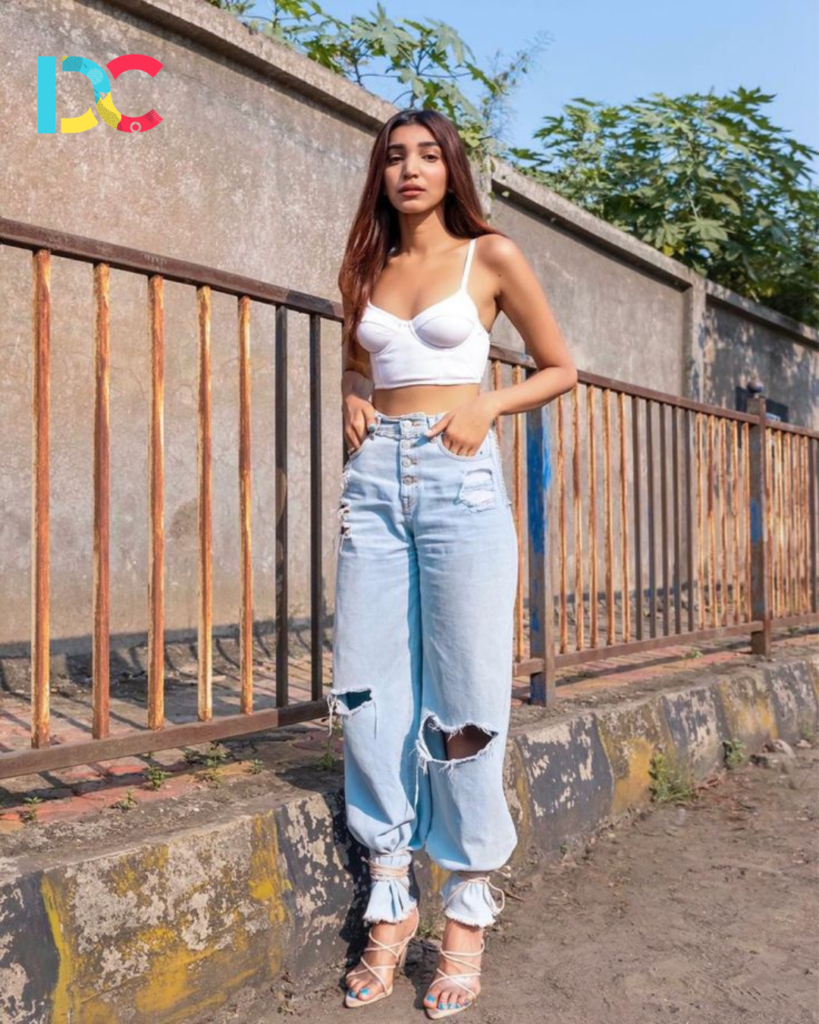
Juhi Godambe Jain is a fashion creator and entrepreneur who built her influence through style-led content. She later founded Arabellaa, a homegrown fashion brand focused on modern, wearable fashion.
Her journey reflects the rise of Indian fashion influencers who are moving beyond collaborations and building their own labels.
Why she stands out: Juhi used her fashion credibility to create a direct-to-consumer brand with a clear personal touch.
10. Aanam Chashmawala – Founder of Wearified

Aanam Chashmawala, popularly known as Aanam C, started as a beauty, fashion, and lifestyle content creator. Over the years, she built a strong community around honest reviews, personal storytelling, and relatable content.
She later launched Wearified, a beauty brand built around real, everyday beauty needs. Her creator-first journey helped her understand what consumers wanted before entering the product market.
Why she stands out: Aanam built a beauty brand backed by years of audience insight and content credibility.
11. Diipa Büller-Khosla – Co-Founder of indē wild
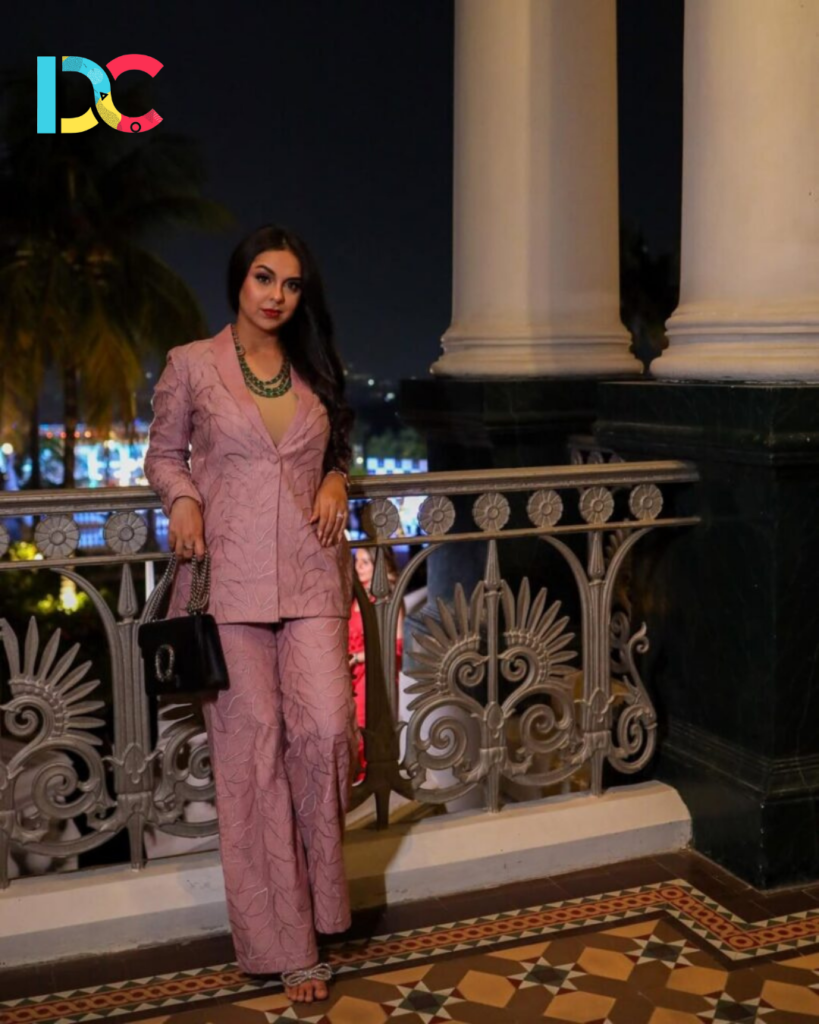
Diipa Büller-Khosla started as a fashion, beauty, and lifestyle influencer, building a strong global community through her content around style, self-expression, beauty, and South Asian representation.
She later co-founded indē wild, a beauty and wellness brand inspired by Indian rituals and modern skincare science. The brand focuses on products that blend traditional ingredients with contemporary beauty needs, making it one of the most recognized creator-led beauty brands with Indian roots.
Why she stands out: Diipa turned her influence into a purpose-led beauty brand that celebrates South Asian identity, clean beauty, and global community-driven entrepreneurship.
Business
France’s Reckoning With Ultra-Fast Fashion: Why Shein Is at the Center of a Larger Conversation?
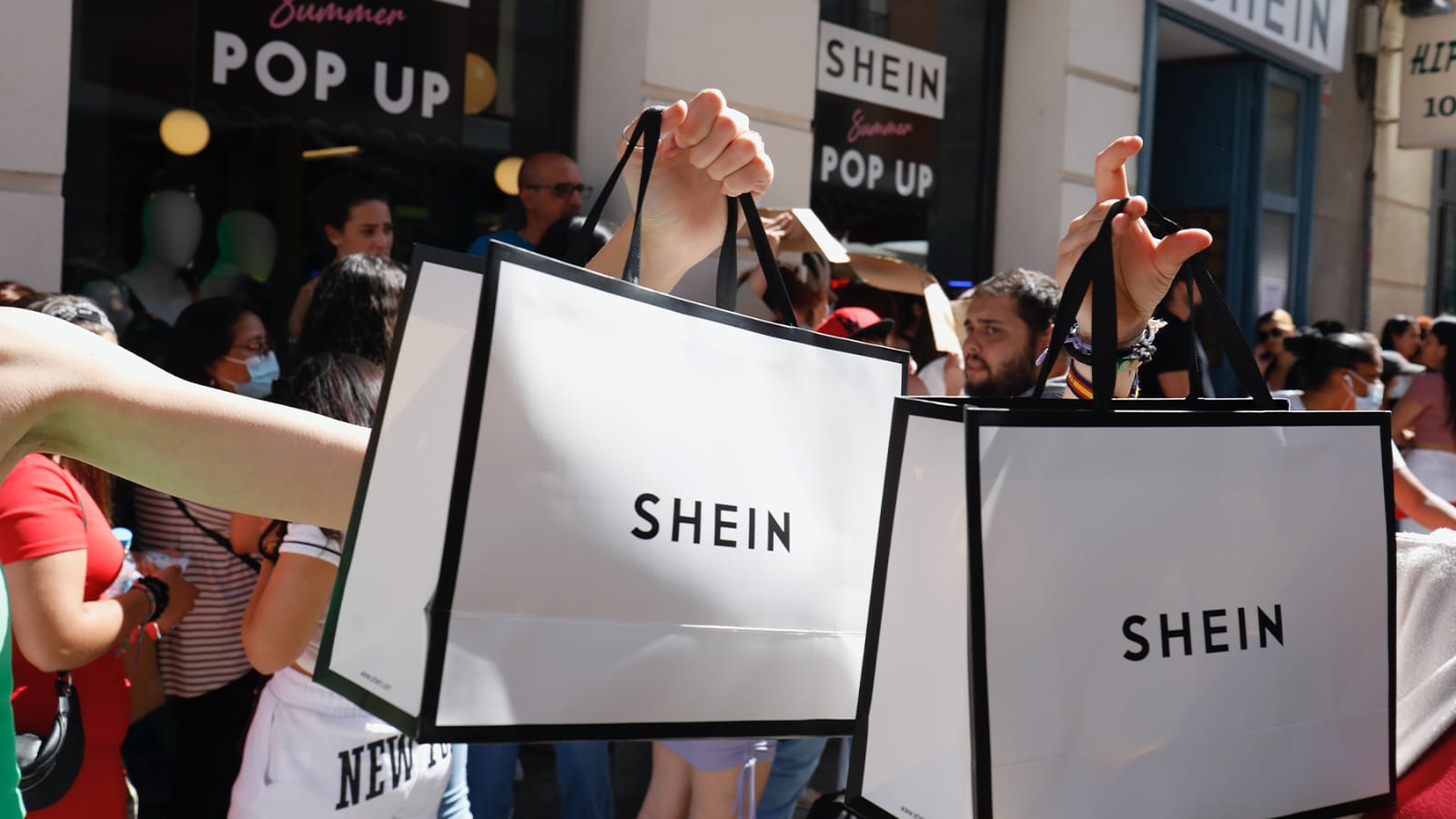
There appears to be a quiet yet undeniable shift underway in how nations are beginning to reckon with the fashion industry, particularly the segment that thrives on speed, relentless volume, and the seductive promise of impossibly low prices. In 2025, France has emerged as one of the first major economies to confront this hyper-accelerated model head-on, not merely by issuing fines or launching investigations, but by challenging the very system that enables it. At the center of this reckoning stands Shein, the Chinese retail juggernaut that has become synonymous with algorithm-driven production. Yet, what makes this moment in France especially significant is not only the legal action being taken against a single company, it is the broader cultural and ethical inquiry being posed. With growing urgency, the country seems to be asking whether we can continue to dress ourselves at this breakneck pace, cloaked in convenience and novelty, without confronting the environmental, human, and psychological costs that are too often obscured by polished interfaces.
€40 Million Fine for Misleading Practices
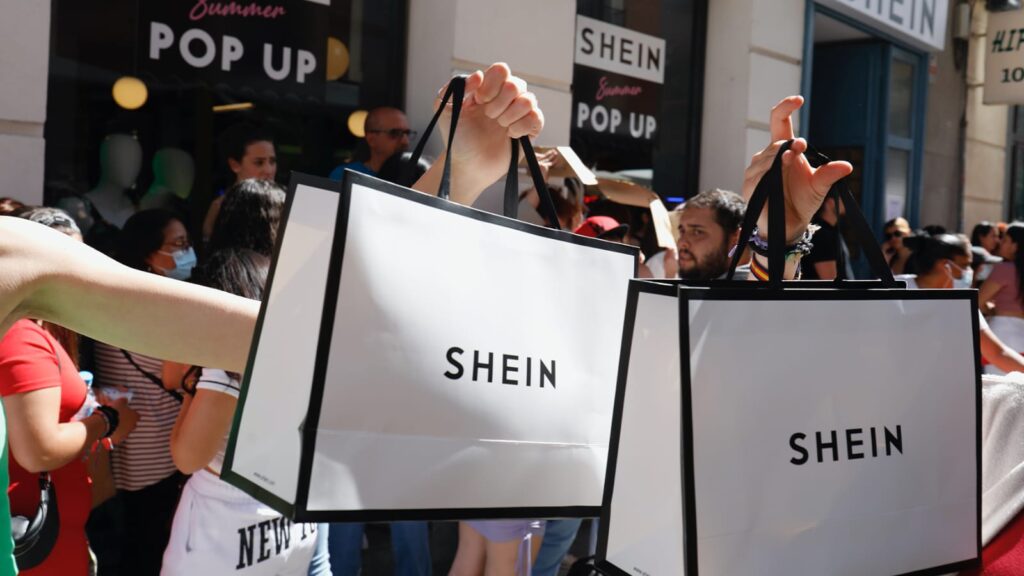
In July 2025, France’s Directorate General for Competition, Consumer Affairs and Fraud Control (DGCCRF), the country’s principal consumer protection authority, levied a €40 million fine against Shein, marking one of the most high-profile regulatory actions yet against a fast fashion giant. The fine followed an extensive investigation conducted between October 2022 and August 2023, which uncovered a pattern of misleading business practices at the centre of Shein’s digital storefront. More than half of the discounts promoted on its website were found to be deceptive, offering no tangible benefit to the consumer, while others relied on inflated original prices to manufacture the illusion of savings. Even more concerning to regulators were the company’s sustainability claims: bold assurances of a 25% reduction in greenhouse gas emissions and microfiber pollution were, as the DGCCRF concluded, entirely unsubstantiated and unsupported by verifiable data. Though Shein, through its European subsidiary Infinite Style Ecommerce Co Ltd (ISEL), accepted the penalty and claimed to have implemented corrective measures by May 2023, the underlying message from French authorities rang louder than any corporate statement.
Proposed Legislation Signals a Larger Shift
While the €40 million fine made headlines, it represents just one facet of the mounting scrutiny Shein now faces in France. In June 2025, the French Senate took a more structural approach by passing a groundbreaking bill that, if enacted, could fundamentally alter the way ultra-fast fashion brands operate within the country. At the centre of this proposed legislation is an eco-contribution tax. The bill also lays out stringent new requirements for sustainability reporting, alongside tough advertising regulations that aim to limit visibility for brands that fail to meet clear environmental standards. One of the most notable implications of the legislation lies in its potential to curtail influencer-led marketing strategies, a pillar of customer acquisition for companies like Shein that rely heavily on social media virality and affiliate promotions. Although advocacy groups have raised concerns about a perceived disparity in how European retailers, including Zara and H&M, are being treated under the same regulatory lens, the passage of this bill signals something deeper. It reflects a growing legislative will to confront not just the ecological toll of ultra-fast fashion, but also its broader cultural, ethical, and economic footprint, raising the question of whether the era of unchecked consumerism is nearing its limits.
The Environmental Impact Can’t Be Ignored
One of the driving forces behind the intensified scrutiny Shein now faces lies in the sheer scale of its environmental impact, an impact that reflects not only the brand’s rapid growth but also the systemic problems embedded within the ultra-fast fashion model. The fashion industry as a whole is already responsible for an estimated 10 percent of global carbon emissions, and Shein’s contribution to that figure is anything but marginal. In parallel, French authorities have flagged more than 700 Shein products for failing to adequately disclose environmental risks, particularly those related to microfiber pollution which is an increasingly urgent concern as microplastics continue to infiltrate aquatic ecosystems and public water systems. Beyond environmental violations, the company also remains entangled in serious allegations of labor abuses, including reported connections to forced labor in China’s Xinjiang region, which have only amplified the demand for a more enforceable supply chain transparency. Taken together, these issues have not only galvanized French regulators but are also prompting broader conversations across the European Union about whether the time has come to rein in the unchecked dominance of platforms that have long operated at the intersection of convenience, opacity, and cost-cutting excess.
EU Expands Regulatory Focus on Digital Fashion Platforms
The regulatory pressure mounting against Shein is no longer confined to France alone. The company is now being closely scrutinized at the European level, where its practices are being examined under the framework of the European Union’s Digital Services Act (DSA). In July, French Trade Minister Véronique Louwagie confirmed that formal investigations had been initiated to determine whether Shein is deploying so-called “dark patterns”. These tactics, while not always illegal, are increasingly seen as ethically questionable, especially when used at the scale and speed that Shein commands. The European Commission has already expressed concern over misleading pricing strategies and a general lack of transparency in the platform’s operations, signaling that the company may soon face regulatory consequences that extend well beyond French jurisdiction. What initially began as a case rooted in consumer rights has turned into a far-reaching conversation about digital ethics, platform accountability, and the environmental consequences of unchecked e-commerce, placing Shein at the center of a growing movement to hold digital-first fashion retailers to a higher standard of responsibility.
The Reaction: Divided but Loud
The public reaction to France’s regulatory moves against Shein has been swift, impassioned, and divided, reflecting the complexity of the issues at hand. Many people have welcomed the measures as a long-overdue reckoning for a fashion industry that has long operated in the shadows of overproduction, exploitative labor practices, and environmentally damaging shortcuts. For these voices, the crackdown represents a necessary step toward holding global retailers accountable for the true cost of low-cost fashion. Yet, not everyone sees it that way. Critics of the legislation have expressed concern that such regulations could disproportionately affect low-income consumers, many of whom turn to platforms like Shein for affordable access to clothing and personal expression. Through this lens, Shein can attempt to shift the conversation toward themes of economic inclusion and consumer freedom, portraying itself as a platform that democratizes fashion rather than undermines it. At its core, the debate is about far more than a single company. It is a larger tug-of-war between the urgent need for accountability and the equally pressing question of affordability.
Why This Matters
France’s actions in 2025 are not merely a response to the conduct of a single company but represent a deeper interrogation of the values, compromises, and contradictions that lie at the heart of the global fashion industry. When a country with as much cultural and political influence as France begins to layer financial penalties, proposed eco-taxes, advertising restrictions, and cross-border regulatory cooperation into a cohesive strategy, it signals more than just regulatory intent. It marks the beginning of a broader shift in how we understand fashion’s role in society. The question now is whether brands like Shein will evolve in response to this changing situation or attempt to maintain their dominance through speed, affordability, and mass appeal alone. Just as importantly, it remains to be seen how consumers will react when asked to look beyond the immediate gratification of the checkout page and confront the realities of where, how, and at what cost their garments are made. France may not bring the era of ultra-fast fashion to a halt overnight. But it may well be laying the groundwork for something more enduring.
Also Read: Your Wardrobe Might Be Reflecting a Recession
Follow us for more : Dis_cultured
Business
Pop Culture Recap: Robert De Niro received an honorary Palme d’Or, Gucci unveiled its Cruise 2026 collection in Florence.

From iconic celebrations and creative showcases to innovative product launches and highly anticipated tours, there has been a lot that grabbed people’s attention all around the world. Here’s a brief recap of some of the most talked-about pop culture moments this week.
Robert De Niro Honored at Cannes 2025

At the 78th Cannes Film Festival, which took place from May 13 to May 24, 2025, legendary actor Robert De Niro was given an honorary Palme d’Or during the opening ceremony on May 13, in recognition of his incredible contributions to cinema throughout his life, and the award was presented to him by fellow actor Leonardo DiCaprio, who has worked with him in several films. During his speech, De Niro did not hold back as he criticized U.S. President Donald Trump by calling him “America’s philistine president” and also spoke out against the proposed tariffs on foreign films, saying that such policies are harmful to both art and democracy and should be challenged.
Gucci Cruise 2026: A Return to Where It All Began

On May 15, Gucci presented its Cruise 2026 collection at the historic Palazzo Settimanni in Florence, which holds a special place in the brand’s story because it is where the House’s archive is located and where its journey began back in 1921. The brand’s decision to return to Florence for this collection felt like a full-circle moment, especially now as it enters a new creative phase with Demna Gvasalia taking over as creative director in just a few months.
The setting in Florence, a city known for its rich cultural heritage and strong connection with fashion, was the perfect choice for this show, and even the CEO Stefano Cantino mentioned how deeply Gucci and Florence are connected by saying “Gucci is Florence and Florence is Gucci,” which highlights how much the city has shaped the brand’s identity and vision over the years. The Cruise 2026 collection felt fresh and playful while still keeping the elegance and glamour that Gucci is known for, with materials like leather, velvet, and fur making a strong impression along with long gowns that stood out on the runway, especially one dramatic polka-dot gown that had a sculpted triple bow on one shoulder, which was one of the highlights of the show.
This collection gave a glimpse into what fashion might look like in 2026, with styles that felt soft, quiet, and chic but still left room for bold shapes and silhouettes, as seen in the use of structured cigarette pants, formal-looking skirts, floral and leather bottoms, and the return of the iconic GG belt from the archives. The overall colour palette was subtle and elegant, with shades of khaki and other neutral tones bringing calmness and depth to the collection, which showed that Gucci is moving toward a more refined and thoughtful direction while still celebrating its roots and embracing a modern sense of creativity.
In the end, this Cruise 2026 show was not just about showcasing a new collection but also about revisiting the House’s origins, reconnecting with its history, and stepping into a new chapter with confidence and style.
Kim Kardashian’s SKIMS Unveils Needle-Free Nipple Piercing Collection

In May 2025, Kim Kardashian’s brand SKIMS launched a bold new product that quickly grabbed attention on social media, as the brand introduced needle-free nipple piercings that are designed to look like real piercings without the need for any actual piercing, making it a fun and temporary way for people to try the look without any long-term change. This new drop fits perfectly with SKIMS’ daring and modern style, as the brand continues to push the boundaries of what intimate clothing and accessories can be by mixing fashion with innovation in a way that gets people talking.
BLACKPINK’s 2025 Deadline World Tour

On Friday, May 23, Blackpink gave their fans a glimpse of what’s coming next by dropping a short teaser video for their upcoming stadium tour, which they have officially named the “Deadline World Tour,” and in this dramatic 30-second clip, the word “DEADLINE” slowly rises out of a sparkling pink glitter pool while intense music plays in the background, building excitement around their return to the stage. The teaser comes around three months after the group first revealed that they would be touring again after three years, with concerts planned across North America, Europe, and Asia. The tour will begin in their home city of Seoul and then continue with shows in four major North American cities—Los Angeles, Toronto, Chicago, and New York—scheduled for mid-July, and to wrap up, the group is also set to perform at the Tokyo Dome in Japan in mid-January 2026, making this comeback tour one of the most anticipated events in K-pop.
Also Read: Dupatta Labeled as European Aesthetic is a Case of Cultural Erasure
Follow us for more : Dis_cultured

Best Indian Designers Redefining Global Luxury

Most Stylish Social Media Stars: Digital Fashion Icons Defining 2026

The Dark Side of Fake Spirituality on Social Media

Top 5 Most Dangerous Zodiac Signs Based on Their Personality Traits

Most Iconic FIFA World Cup Jerseys of All Time

Why Aquarius Signs Are Visionaries Ahead of Their Time

Shakira and FIFA World Cup: From Waka Waka to Dai Dai 2026

The Rise of Spiritual Luxury Travel: Retreats, Wellness & Culture

Top Female Entrepreneurs Who Started as Influencers

Signs You’re Going Through a Spiritual Awakening

Dorsia, Gurgaon’s One Of The Biggest BYOBs
Top 10 Best Dressed Politicians In The World

Breaking the Mold: How Demon Slayer Redefines the Shonen Genre?
15 Best Quotes Of Toy Story About Friendship.

Sabrina Carpenter’s Man’s Best Friend and the Politics of Pop Imagery

The NOU Walk Of Life : New Talk of Town in Luxury Footwear
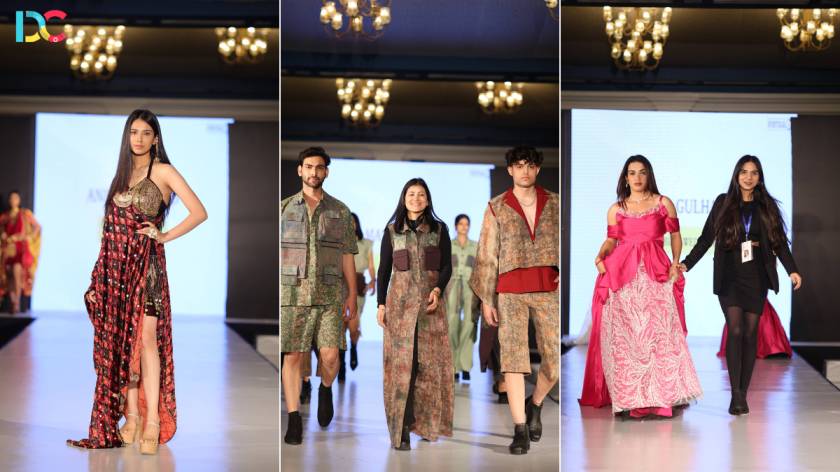
Emerging Fashion Designers India Contest Wraps Up in the Most Spectacular Fashion
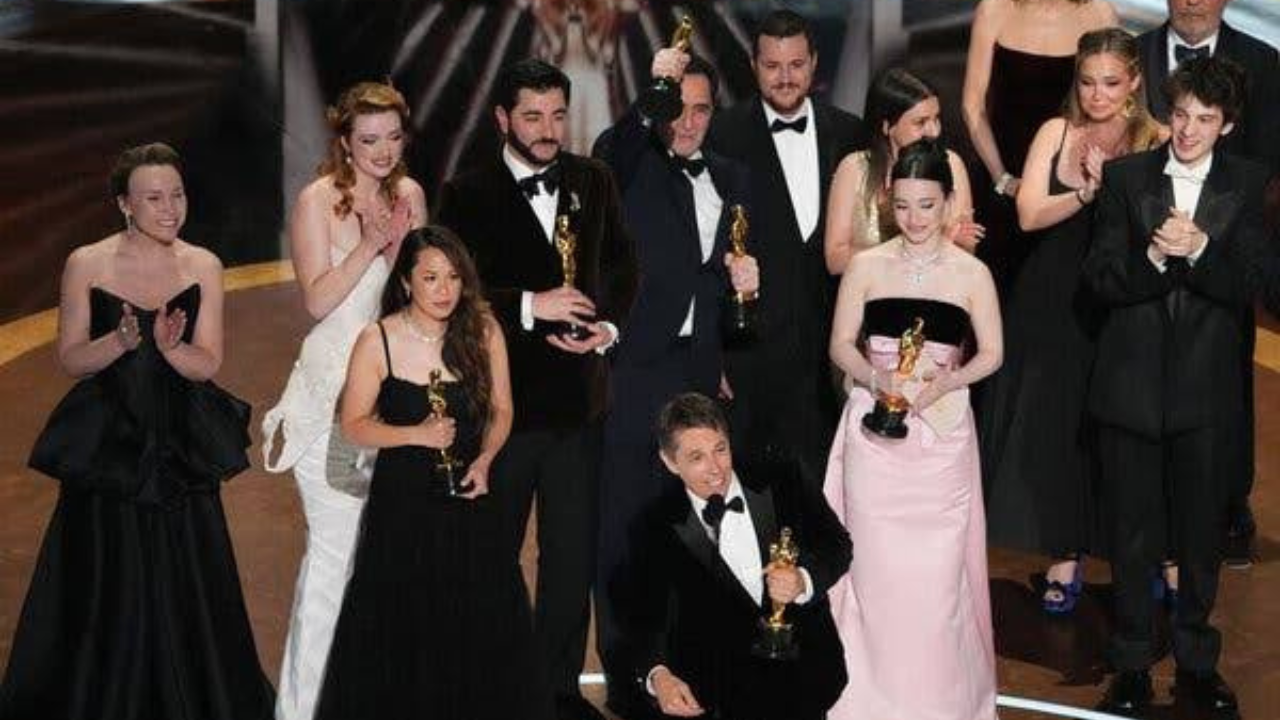
The Most Memorable Highlights from the 2025 Academy Awards
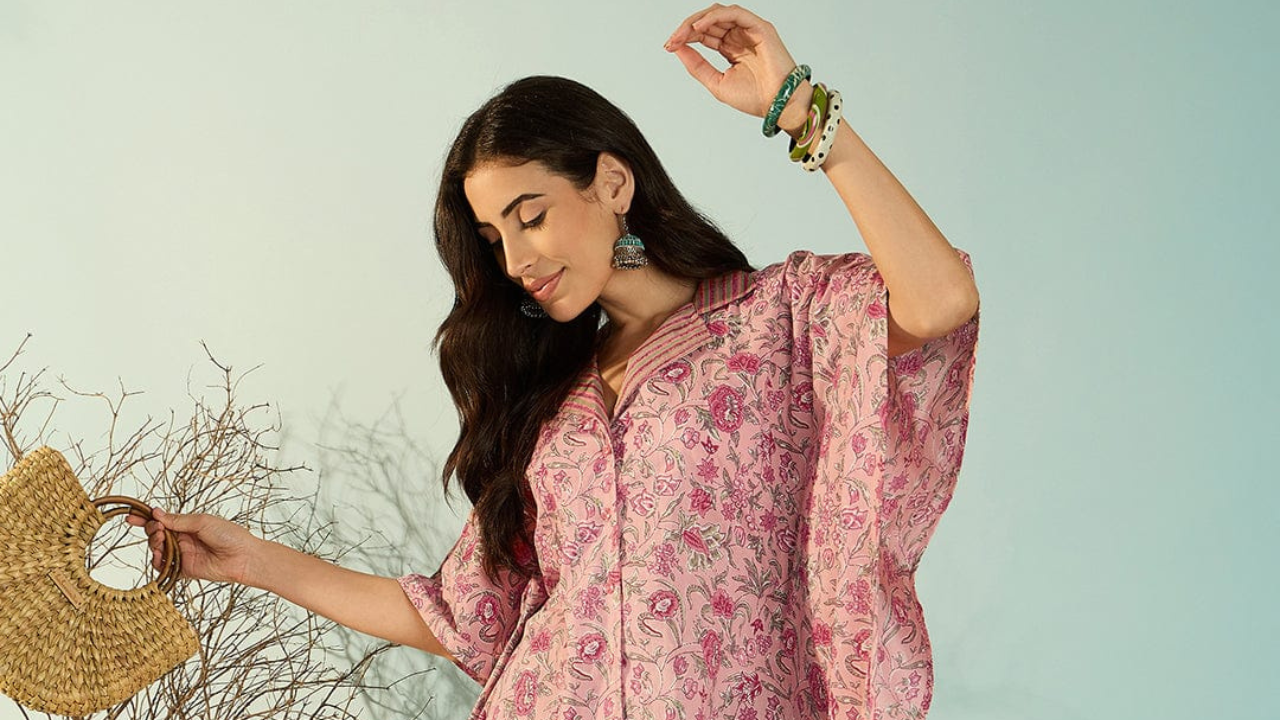
Kaftans: The New Festive Staple Taking Over Indian Wardrobes

Are Live-Action Adaptations a Risky Bet for Studios?
-
 Entertainment7 months ago
Inside the Creator Economy: Who’s Making Millions in 2026?
-
 Events6 months ago
Top 10 Best Dressed Female Politicians in the World
-
 Horoscope6 months ago
Why Scorpio Is So Attractive And Hard to Handle
-
 Fashion6 months ago
Best Mother’s Day Gifts 2026
-
 Events7 months ago
7 Ways to Make Your Mom Feel Special This Mother’s Day
-
 Beauty5 months ago
Most Stylish Indian Female News Anchors Who Redefine Glamour & Journalism
-
 Horoscope6 months ago
The Dark Side of Every Zodiac Sign
-
 Horoscope5 months ago
Why Scorpio Are Magnetic in Love and Leadership