
Events
Everything to know about the Cannes Film Festival
Cannes Film Festival again has proved itself to be a world center of art and creativity. Read the article to catch up with the updates.
The whole month was about people talking about films and art and that’s obvious as the Cannes Film Festival came with an opportunity for it. It’s that one event that seems unmissable for cinema enthusiasts. The prestigious festival of Cannes has also crossed the mark of 75 years since the first event was held in 1946. It’s that time of the year when art and cinema take the center stage and shine in their way. It’s the festival that makes sure that art finds a way to our minds and hearts and with having a list of brilliant films and documentaries screened this year, it did make a way to our heads and hearts. This year, Cannes celebrated art and artists in the most glamorized way possible. We had a number of Indian pieces that were screened at the festival and getting global recognition on such a platform has truly moved us all. Anurag Kashyap’s “Kennedy” also received a 7-minute long standing ovation at the event. Some of us might have recently discovered their love for art and cinema and want to know more about the Cannes Film Festival. Here we have tried to take you through a few things that you should know about the festival.
Historical significance and how did it start?
Art has always done the job of activism by acting as a mirror of society but did you know that the same thought gave birth to the most famous film festivals of all time? When the world was between wars, people in power used to try their best to have a grip on the media. The Cannes Film festival was started to oppose the idea of Venice Film festival that was being biased at that time by simply pushing and promoting the propaganda films that supported the Nazi ideologies. The Cannes Film festival which was known as the International film festival was started in 1939 but unfortunately it took several years before it could be held officially in 1946. Earlier, it was kind of an invite-only event, held to encourage and give recognition to filmmakers. Though it started in 1946, it wasn’t till the 1950’s when the festival actually started gaining international recognition when big stars started showing up at it. At that time, the networking between the filmmakers was held secret until the Cannes Film market became official in 1959. But who came up with the idea of Cannes? The idea came from the French Association of Artistic Action Director (AFAA), Philippe Erlanger, and the film critics, Emile Vuillermoz and Rene Jeanne.
Things to know about the Palm d’Or trophy
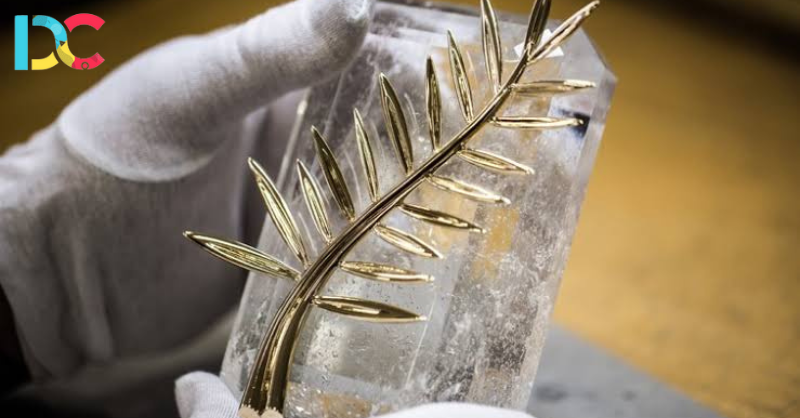
Palm d’Or (Golden Palm) was created in 1955 and is considered to be one of the highest honors to be earned by a filmmaker. It is also called the Grand Prix. Every year, the award is given to the winner and there are a lot of interesting things to know about it. At first, the organizers of the event invited a number of jewelers to finalize the design of the trophy out of which a Parisian jeweler, Lucienne Lazon won. The design of the trophy changed over the years. Since 1997, a Swiss company, Chopard, has been responsible for making the award which is made with 18-carat gold. Each year, the company makes two awards in case there are two winners.
Representation of Indian Films at Cannes
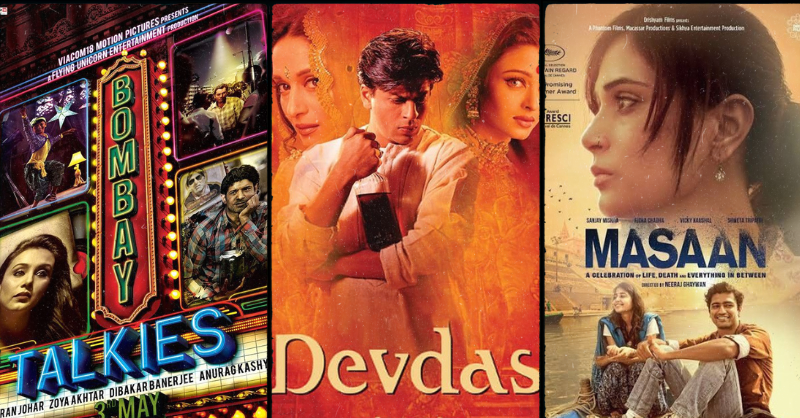
The relationship between the Indian cinema and the Cannes festival started long before you can even imagine. It all started in 1946 when Chetan Anand’s “Neecha Nagar” shared the top award, Grand Prix du Festival International du Film, with David Lean’s “Brief Encounters” while Bimal Roy’s “Do Bigha Zamin” won the award in 1954. Mrinal Sen was the first ever Indian to be a part of the Jury at the festival in 1982. Over the years, names like Vidya Balan, Nandita Das, Sharmila Tagore, Aishwarya Rai Bachchan, Deepika Padukone, Shekhar Kapur, and Arundhati Roy have also been a part of the prestigious jury of the festival. A number of films have been screened here and the list includes gems like Devdas, The Lunchbox, Bombay Talkies, Monsoon Shootout, Massan, Gangs of Wasseypur, All That Breathes etc. To show the tribute to the country’s 75 years of diplomatic relations, India was the ‘country of honor’ in the Cannes Market of Cinema last year.
Winners at Cannes 2023
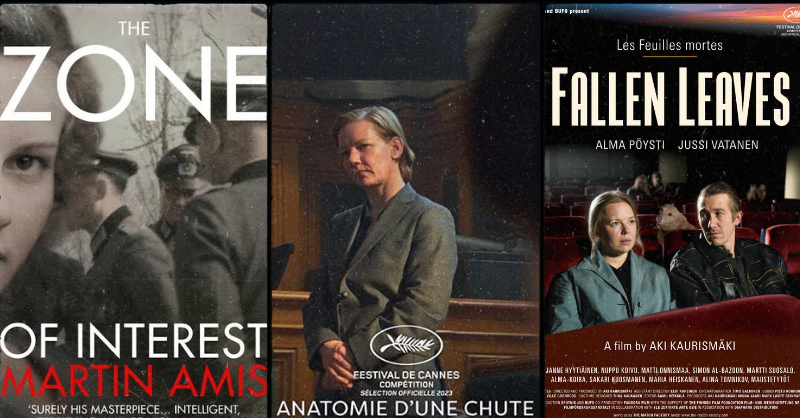
French courtroom thriller, “Anatomy of a Fall” by Justine Triet took the Palme d’Or for best film at the Cannes Film festival 2023 which makes her the third woman director to win Cannes’ top honor.
The best actor prize was received by Japanese acting legend Koji Yakusho for his phenomenal role in Wim Wenders’ Perfect Days, where he plays the role of a toilet cleaner. Merve Dizdar received the honor of best actress for her role as Nuray, a rural school teacher.
Aki Kaurismäki, a Finnish director won the Cannes jury prize for his romantic comedy “Fallen Leaves”.
Vietnamese-born filmmaker, Tràn Anh Hùng received the best director award for a period foodie drama, “The Pot-Au-Feu”
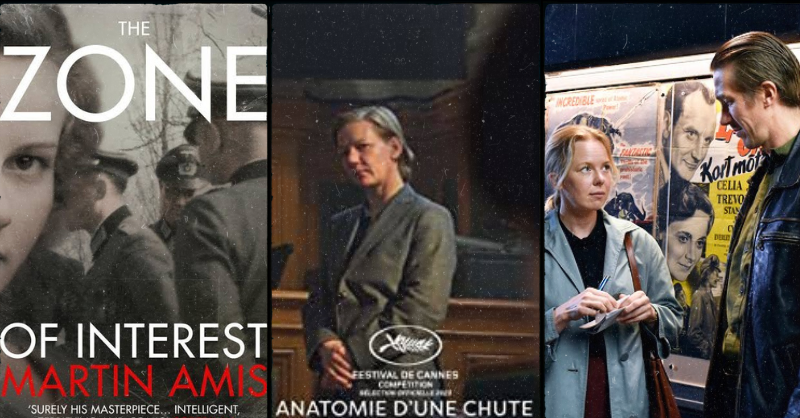
Filmmaker Roger Corman and Quentin Tarantino presented the runner-up Grand Jury prize together to “The Zone of Interest”, which is a bracing holocaust movie from Jonathan Glazer.
“Inside the Yellow Cocoon Shell” by Vietnamese writer/director Thien An Pham, received the prize for the best first film while the prize for the best short film went to director Flóra Anna Buda for “27”
Also Check: Looking forward to a blend of fantasy and reality after watching the new trailer of the Barbie movie
Follow us for more @discultured


Entertainment
Shakira and FIFA World Cup: From Waka Waka to Dai Dai 2026
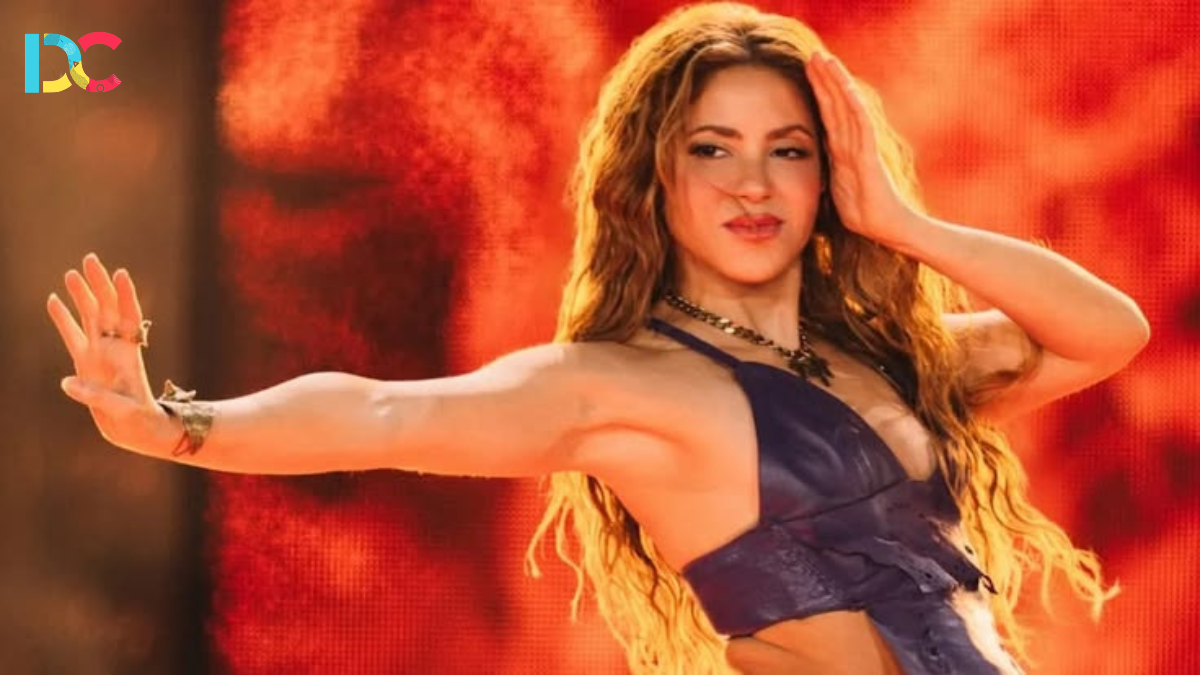
When it comes to FIFA World Cup music, few artists have created a legacy as powerful as Shakira. From the unforgettable energy of “Waka Waka (This Time for Africa)” in 2010 to her latest World Cup connection with “Dai Dai” for FIFA World Cup 2026, Shakira has become more than a global pop star. She has become one of the most recognizable voices of football celebration.
With search interest rising around terms like “Shakira FIFA World Cup,” “Shakira World Cup song,” “FIFA World Cup 2026 song,” and “Shakira Waka Waka,” fans are once again revisiting her iconic journey with the world’s biggest sporting event.
Shakira’s Special Connection With the FIFA World Cup
Shakira’s association with the FIFA World Cup is not new. Over the years, she has performed at multiple World Cup events and has given football fans some of the most memorable musical moments in tournament history.
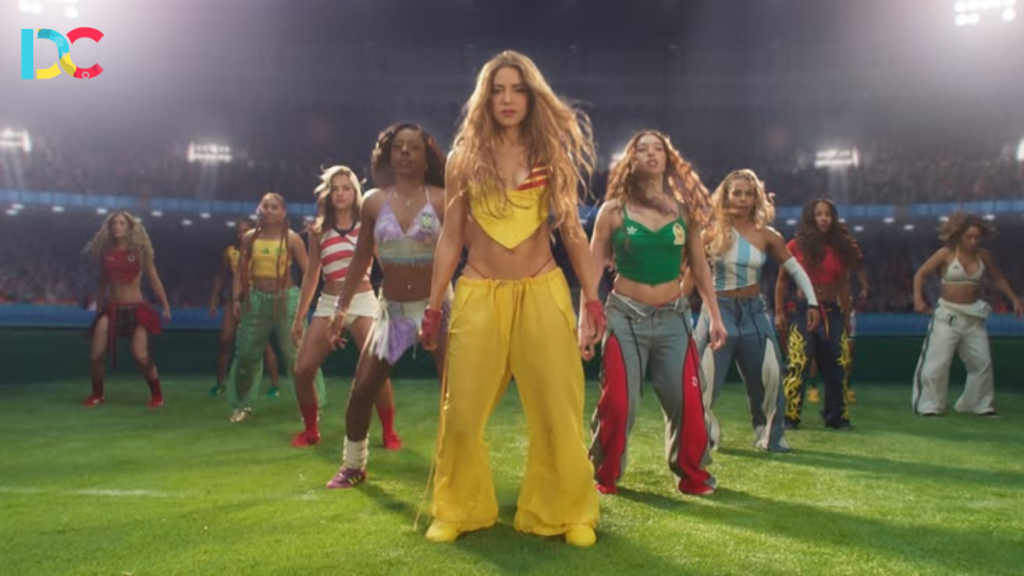
Her biggest World Cup moment came in 2010 with “Waka Waka (This Time for Africa),” the official song of the FIFA World Cup in South Africa. The song became a global hit because it had everything a World Cup anthem needed: rhythm, energy, culture, dance, and a chorus that fans across languages could sing together.
Even today, “Waka Waka” remains one of the most searched and remembered World Cup songs of all time. For many football fans, the song is not just music; it is nostalgia. It brings back memories of stadium celebrations, global unity, African culture, and the emotional power of football.
Why Waka Waka Still Dominates World Cup Searches
The reason “Shakira Waka Waka” continues to trend during every FIFA World Cup season is simple: the song became part of football history. Unlike many tournament songs that fade after the event, “Waka Waka” has lived on through YouTube, Instagram reels, TikTok edits, football montages, school performances, sports events, and fan celebrations.
It is one of those rare songs that connects generations. People who watched the 2010 World Cup remember it as a cultural moment, while younger audiences discover it every time World Cup content starts trending again.
That is why keywords such as “Waka Waka World Cup song,” “Shakira World Cup anthem,” and “best FIFA World Cup songs” continue to perform strongly in search demand whenever the tournament returns.
Shakira Returns With Dai Dai for FIFA World Cup 2026
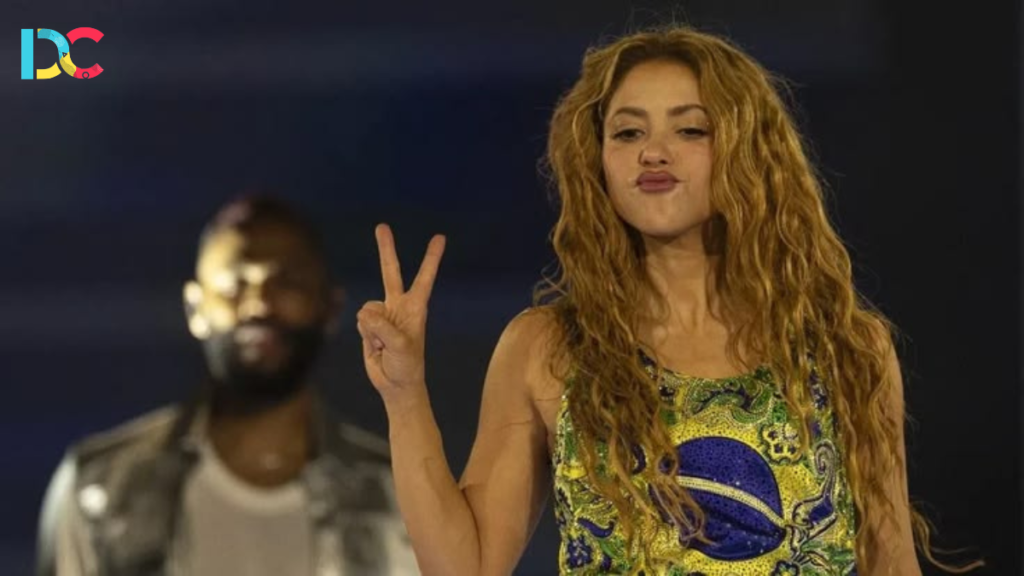
For FIFA World Cup 2026, Shakira has returned to the World Cup music conversation with “Dai Dai,” a collaboration with Nigerian superstar Burna Boy. The song brings together Latin pop, Afrobeats, global rhythm, and the emotional energy that fans expect from a World Cup anthem.
This return is important because Shakira is not just another artist performing at the tournament. She already has a proven emotional connection with football audiences. Her name instantly reminds fans of “Waka Waka,” making her 2026 comeback a powerful trend across search and social media.
The FIFA World Cup 2026 is being hosted across Mexico, the United States, and Canada, making it one of the biggest and most globally marketed editions of the tournament. With Shakira and Burna Boy leading the official song conversation, “Dai Dai” has the potential to become one of the biggest music moments of the tournament.
Why Shakira Is the Perfect World Cup Artist
A successful World Cup song needs more than celebrity value. It needs rhythm, recall, emotion, and global appeal. Shakira brings all of these elements naturally.
Her music blends Latin, pop, dance, and world sounds. Her stage presence is energetic, and her songs often carry a celebratory spirit. Most importantly, her World Cup songs are easy to remember. A strong hook is what turns a normal song into a stadium anthem.
This is why Shakira’s FIFA World Cup journey stands out. She understands that a World Cup anthem must make people move, sing, celebrate, and feel connected, no matter where they come from.
Shakira, Burna Boy and the Global Sound of Football
The collaboration between Shakira and Burna Boy for “Dai Dai” also reflects the changing sound of global football culture. The FIFA World Cup is no longer just about one region or one style of music. It is a global celebration where Latin music, Afrobeats, pop, hip-hop, dance, and local cultural sounds all come together.
Burna Boy adds African rhythm and Afrobeats energy to the song, while Shakira brings her signature Latin-pop style and World Cup legacy. Together, the two artists represent the international spirit of football.
This makes “Dai Dai” a highly searchable topic for fans looking for the “FIFA World Cup 2026 song,” “Shakira Burna Boy song,” “Dai Dai World Cup anthem,” and “new Shakira World Cup song.”
The Power of Nostalgia in Shakira’s World Cup Legacy
One of the biggest reasons Shakira keeps trending during World Cup seasons is nostalgia. “Waka Waka” created a memory that fans still associate with joy, unity, and football fever.
Every time Shakira appears at another FIFA World Cup event, fans compare the new song with “Waka Waka.” This creates fresh search demand around old and new keywords together. People search for “Shakira Waka Waka,” then move to “Shakira FIFA World Cup 2026,” “Dai Dai Shakira,” and “World Cup opening ceremony 2026.”
For publishers, this is a strong SEO opportunity because the topic combines entertainment, sports, music, nostalgia, and trending news in one article.
Why Shakira Still Owns the World Cup Music Moment
Many artists have contributed songs to the FIFA World Cup, but Shakira’s name continues to stand out because her music became part of the tournament’s emotional identity. She gave fans a song that was easy to dance to, easy to sing, and easy to remember.
With “Dai Dai,” she is once again stepping into the World Cup spotlight. Whether the new anthem reaches the same legendary status as “Waka Waka” or not, one thing is clear: Shakira remains one of the most powerful musical figures in FIFA World Cup history.
Her return proves that football is not only about the match on the field. It is also about the culture around it — the songs, the celebrations, the opening ceremonies, the memories, and the global emotions that bring millions of people together.
Shakira’s FIFA World Cup journey is a rare example of music and sports coming together to create global cultural moments. From “Waka Waka” in 2010 to “Dai Dai” in 2026, she has built a World Cup legacy that continues to trend across search engines and social media.
As FIFA World Cup 2026 unfolds, keywords like “Shakira FIFA World Cup,” “Shakira World Cup song,” “Dai Dai Shakira,” and “FIFA World Cup 2026 anthem” are likely to remain strong search topics. For fans, Shakira represents celebration. For football culture, she represents unity. And for World Cup music, she remains one of the most iconic voices ever.
FAQs
What is Shakira’s FIFA World Cup 2026 song?
Shakira’s FIFA World Cup 2026 song is “Dai Dai,” a collaboration with Nigerian artist Burna Boy.
Which Shakira song became famous during the FIFA World Cup?
“Waka Waka (This Time for Africa)” became Shakira’s most famous FIFA World Cup song after the 2010 tournament in South Africa.
Did Shakira perform at the FIFA World Cup 2026 opening ceremony?
Yes, Shakira performed “Dai Dai” with Burna Boy at the FIFA World Cup 2026 opening ceremony in Mexico City.
Why is Shakira connected with the FIFA World Cup?
Shakira has performed at multiple FIFA World Cup events and created one of the most iconic World Cup songs of all time, “Waka Waka.”
Is Waka Waka still popular?
Yes, “Waka Waka” remains one of the most remembered and searched FIFA World Cup songs because of its strong rhythm, global appeal, and nostalgic value.
Also Read: How Football Became the New Fashion Week
Events
How Sacred Gatherings Are Becoming the New Social Scene for Gen Z, Millennials, and Modern Seekers
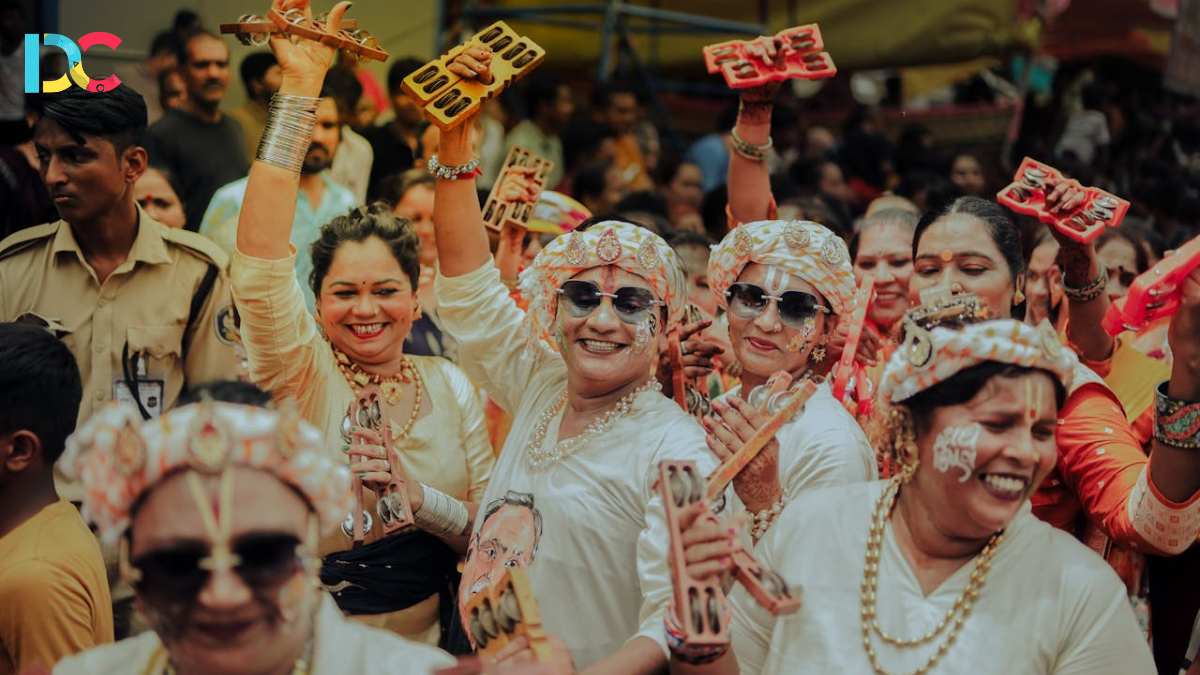
In an era where nightlife once revolved around loud clubs, expensive parties, and digital overload, a surprising cultural shift is redefining how people connect. Across urban hubs, wellness spaces, rooftop venues, and cultural festivals, Bhajan clubs, Kirtan nights, mantra circles, and spiritual social gatherings are emerging as the newest social trend.
From Mumbai to London, Delhi to Los Angeles, spiritual socializing is no longer limited to temples or traditional gatherings. It has evolved into a vibrant lifestyle movement blending music, mindfulness, fashion, community, and conscious living. What was once considered old-school devotion is now becoming modern, aesthetic, and socially magnetic.
The Rise of Spiritual Socializing in Modern Culture
Young people are increasingly seeking deeper, more meaningful experiences over superficial entertainment. Kirtan nights offer exactly that soulful music, collective chanting, emotional release, and a sense of belonging.
Unlike conventional party culture, these gatherings focus on inner peace, cultural roots, and emotional connection. The result is a powerful combination of spirituality and social wellness.
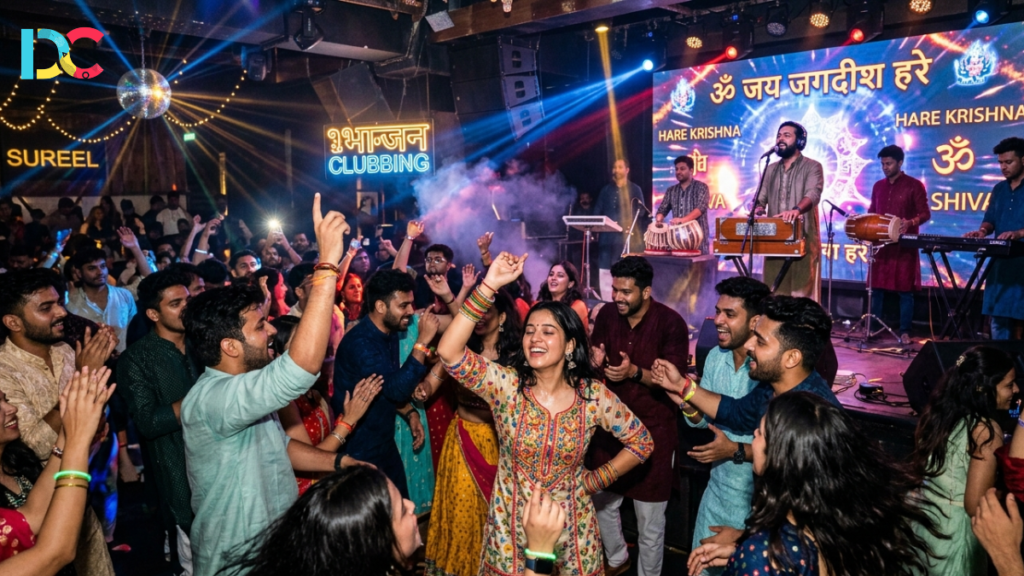
Bhajan clubs today often feature live fusion bands, candle-lit settings, ethnic dress codes, vegan food pop-ups, meditation zones, and even curated spiritual travel experiences. This blend of tradition with trend is making devotional spaces culturally cool again.
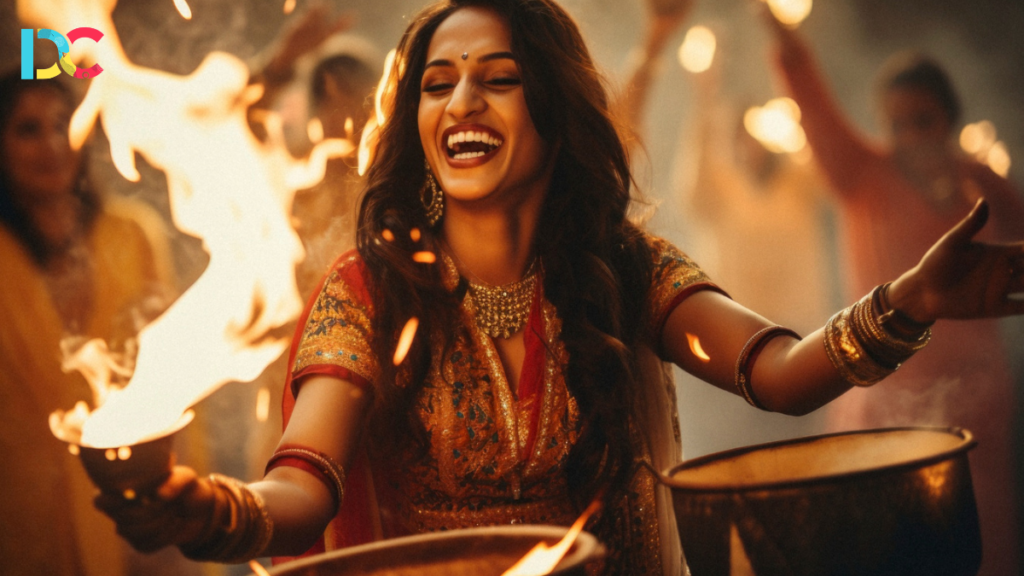
Why Bhajan Clubs Are Trending
1. A Break From Burnout Culture
With rising stress, anxiety, and digital fatigue, people are craving spaces that feel grounding. Bhajan and kirtan events provide a calming alternative where music heals instead of overwhelms.
2. Cultural Pride Meets Modern Aesthetic
Younger generations are reconnecting with Indian spiritual heritage in a stylish, contemporary way. Wearing handloom fashion, attending mantra festivals, and participating in sacred music circles is becoming both spiritually enriching and socially relevant.
3. Community Without Pressure
Unlike nightlife scenes often centered around status or indulgence, spiritual gatherings create authentic connection without social performance. People come to sing, meditate, network, and feel.
4. Influence of Wellness and Conscious Living
Yoga culture, Ayurveda, meditation apps, and spiritual influencers have all contributed to making spiritual socializing mainstream.
Kirtan Nights: Where Music Meets Healing
Kirtan is especially resonating because it combines live music with emotional energy. Whether it’s traditional Hare Krishna chants, Sufi-inspired bhajans, or indie devotional fusion, these nights often feel like concerts with soul.
For many attendees, it’s not strictly religious it’s experiential. The repetitive rhythms, sacred sounds, and group participation can feel meditative, euphoric, and deeply therapeutic.
Fashion, Travel & The Spiritual Lifestyle Boom
This trend is also influencing fashion and travel industries.
Spiritual fashion including flowy ethnic wear, handcrafted jewelry, sustainable fabrics, and temple-inspired aesthetics is becoming increasingly popular.
Travel brands are curating retreats around spiritual festivals, river aartis, yoga villages, and kirtan experiences. Destinations like Rishikesh, Vrindavan, Varanasi, Bali, and Dharamshala are becoming social wellness hotspots for modern travelers.
Social Media’s Role in Making Spirituality Trendy
Instagram reels of ecstatic chanting, moonlit kirtans, aesthetic temple decor, and spiritual retreats have transformed devotional culture into shareable lifestyle content.
This visibility has made spirituality feel more accessible, fashionable, and community-driven especially for those who may never have engaged traditionally.
Is This Just a Trend or a Cultural Shift?
While some may see it as a phase, the rise of Bhajan clubs and spiritual socializing reflects something deeper: a generational desire for purpose, grounding, and authentic connection.
People are not abandoning social culture they are redefining it.
Where previous generations sought escape, this generation increasingly seeks alignment.
Bhajan clubs, Kirtan nights, and spiritual socializing are shaping a new social era where devotion meets design, mindfulness meets music, and culture meets connection.
This movement proves that spirituality is no longer confined to rituals it is becoming a lifestyle, a community, and for many, the new definition of modern social luxury.
As the world searches for deeper meaning, spiritual gatherings may just be the future of social culture.
Events
Top 10 Best Dressed Female Politicians in the World
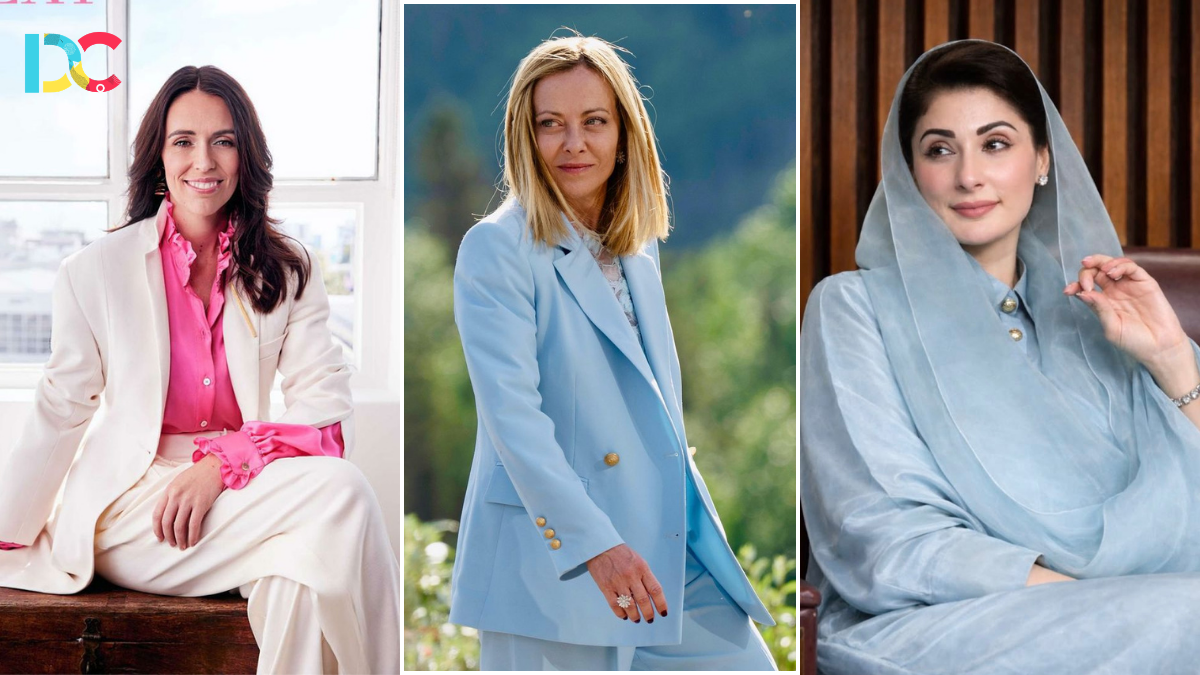
In today’s modern political landscape, style is more than just appearance it’s a powerful form of communication. The world’s most influential women leaders are not only shaping policies but also redefining fashion in politics. From tailored power suits to culturally rooted ensembles, these women command attention with both their words and their wardrobe.
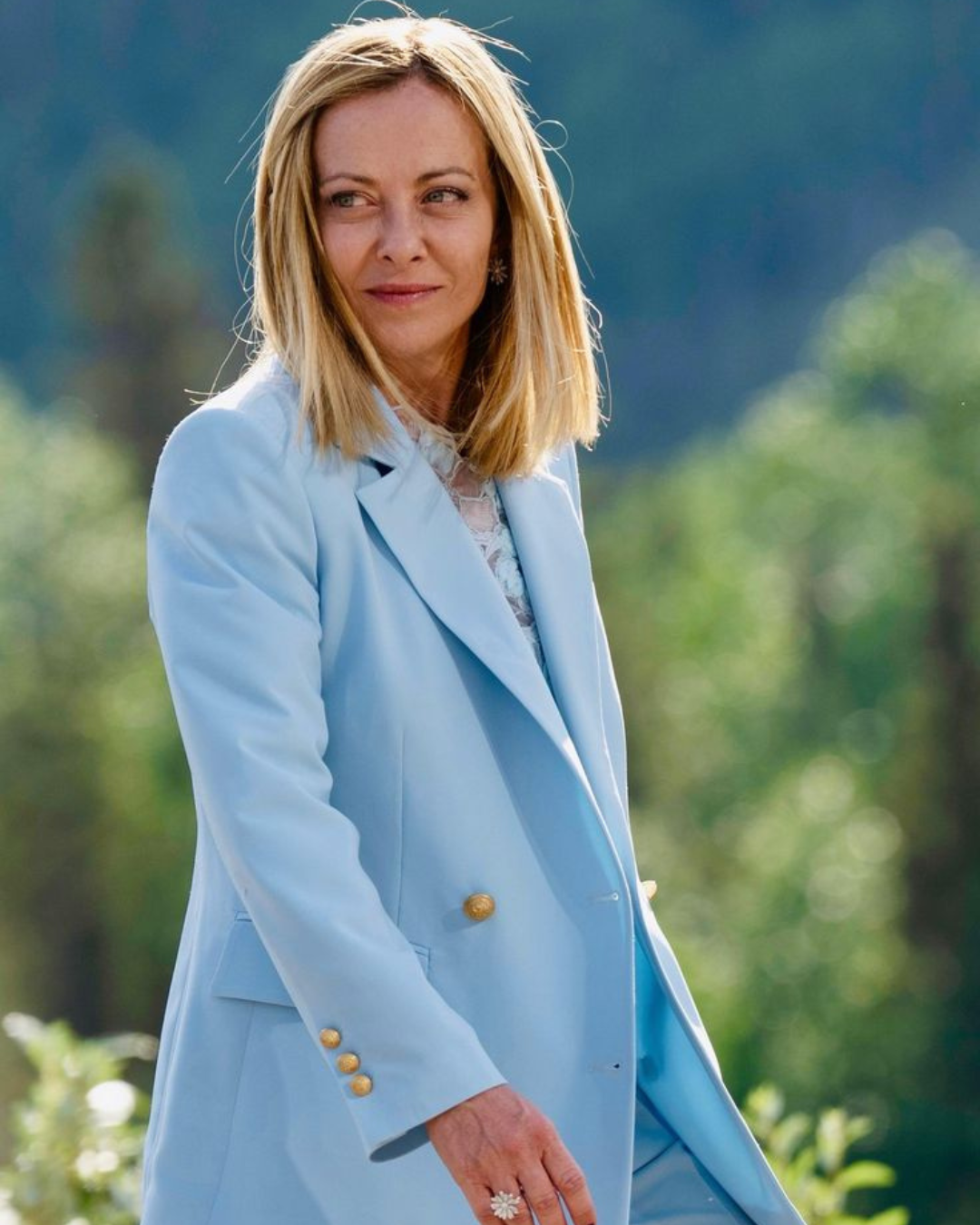
Giorgia Meloni
Italy’s Prime Minister is known for her polished and sophisticated style. She often opts for well-tailored blazers, neutral tones, and minimal accessories exuding quiet confidence and authority.
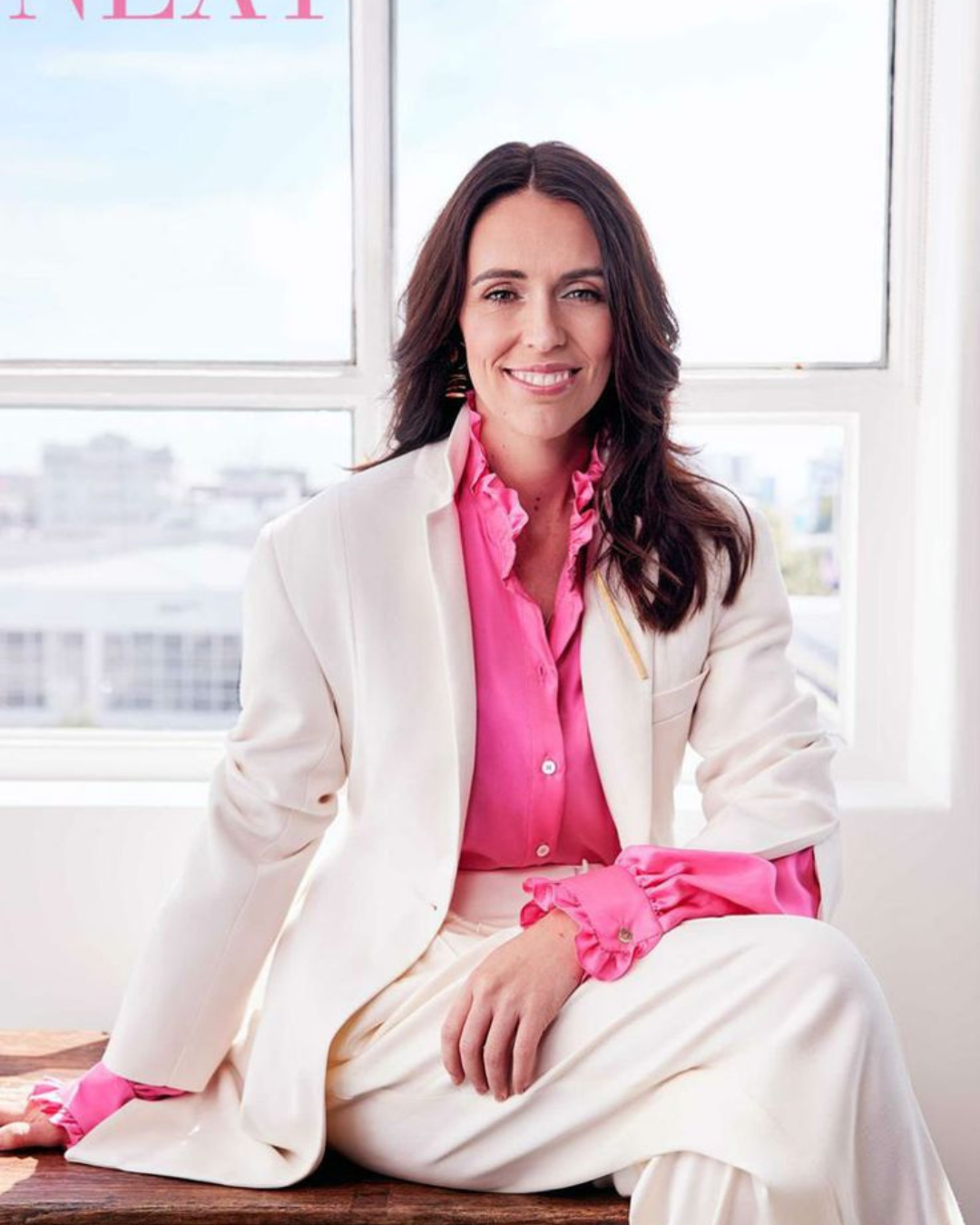
Jacinda Ardern
Even after stepping down, Jacinda Ardern remains a global fashion inspiration. Her understated elegance, monochrome outfits, and effortless styling reflect authenticity and relatability.
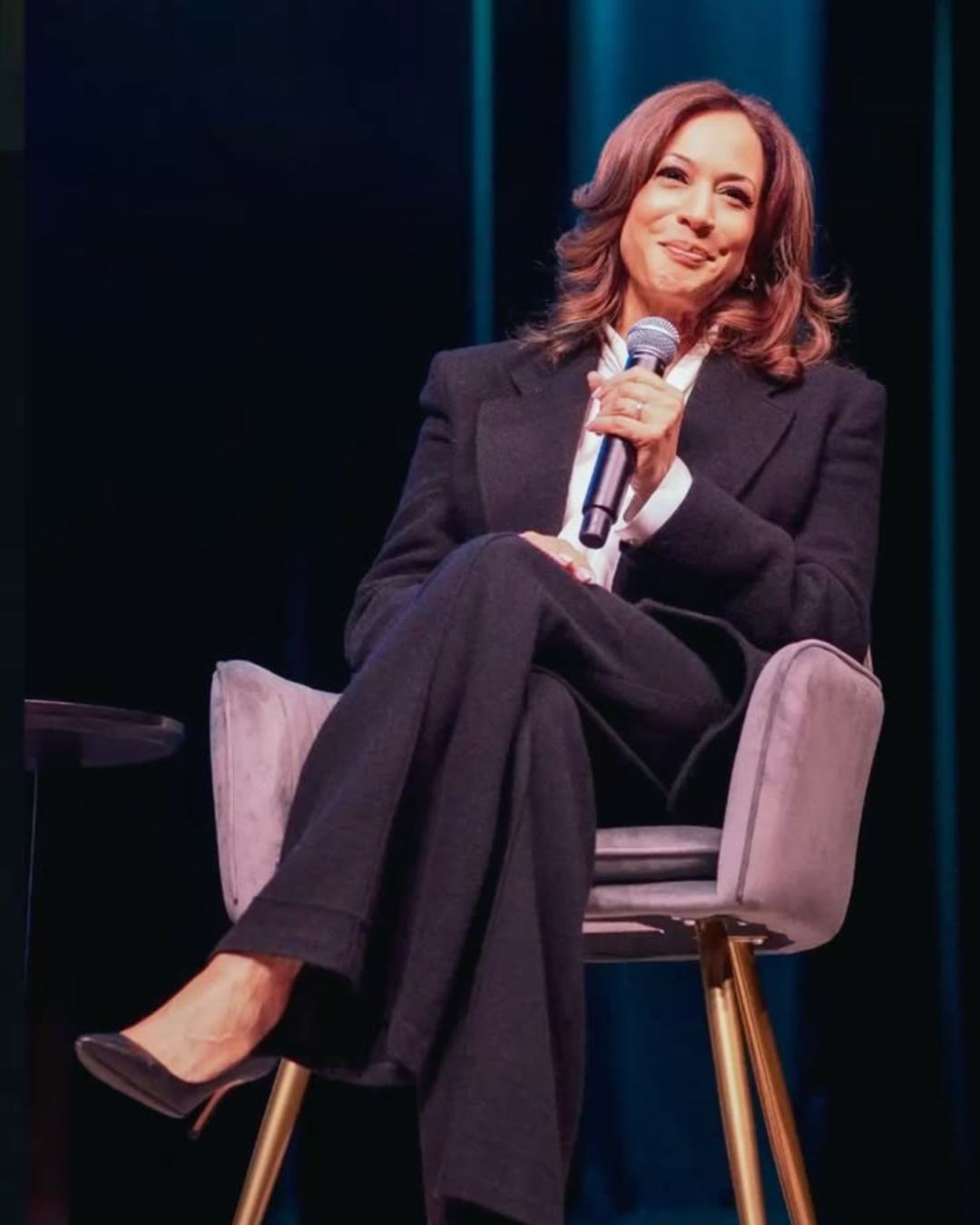
Kamala Harris
Known for her iconic pantsuits and pearls, Kamala Harris blends professionalism with modern relatability, making her a global style icon.
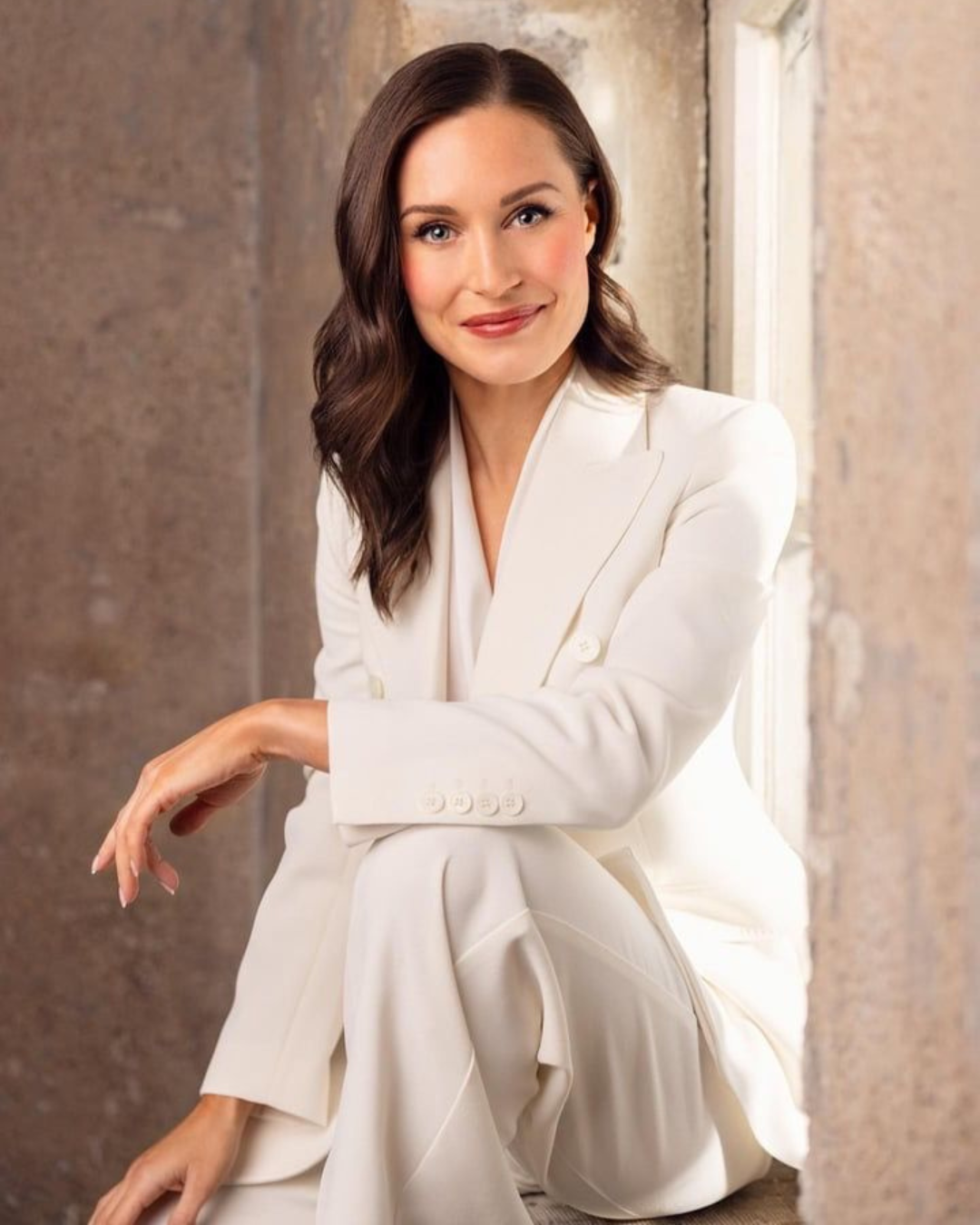
Sanna Marin
Sanna Marin continues to influence global fashion with her minimalist yet bold styling, redefining contemporary political aesthetics.
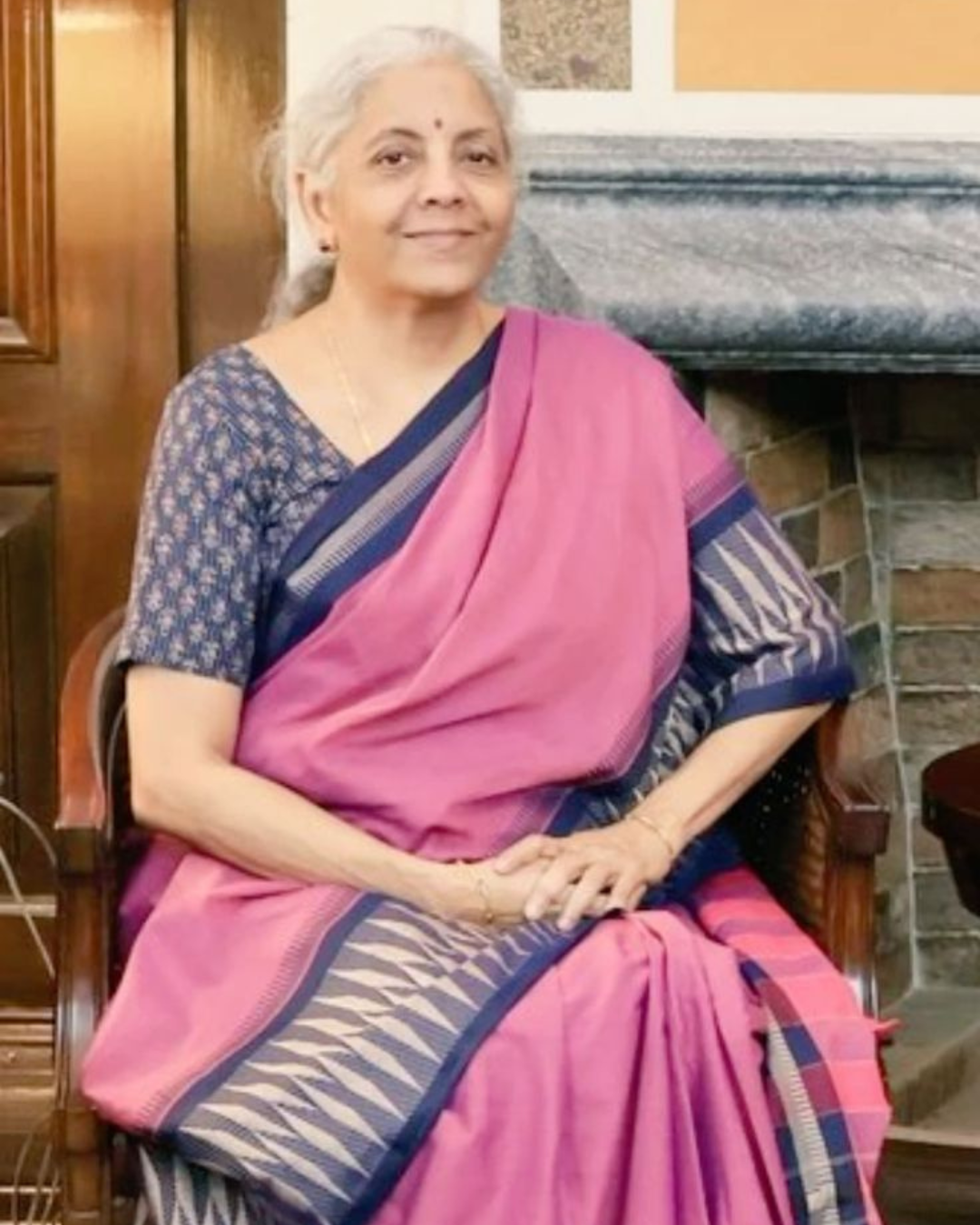
Nirmala Sitharaman
Known for her graceful sarees, Nirmala Sitharaman represents Indian tradition with a modern touch. Her wardrobe reflects simplicity, authority, and cultural identity.
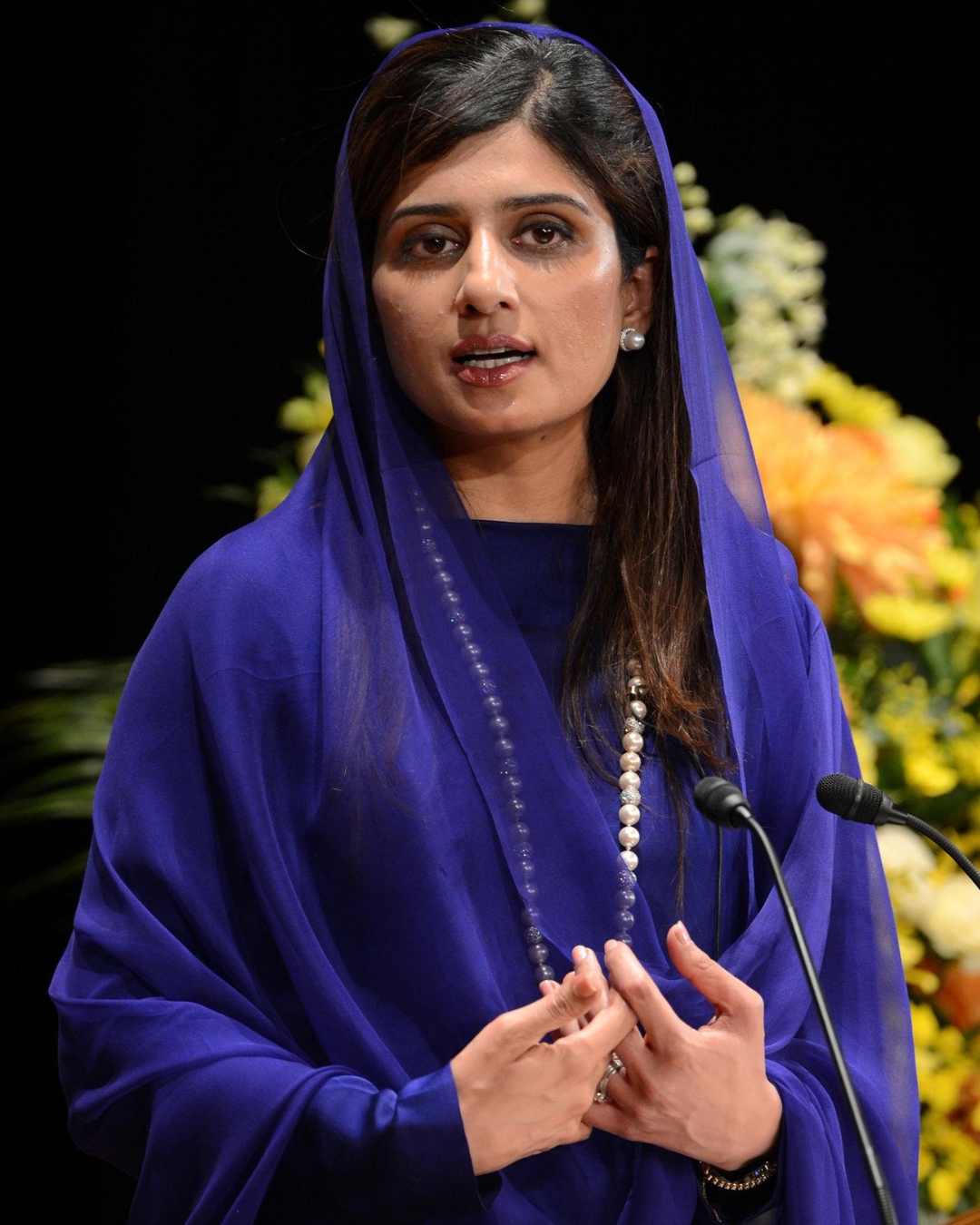
Hina Rabbani Khar
Known globally for her luxury handbags and refined outfits, she is one of the most stylish politicians from Pakistan.
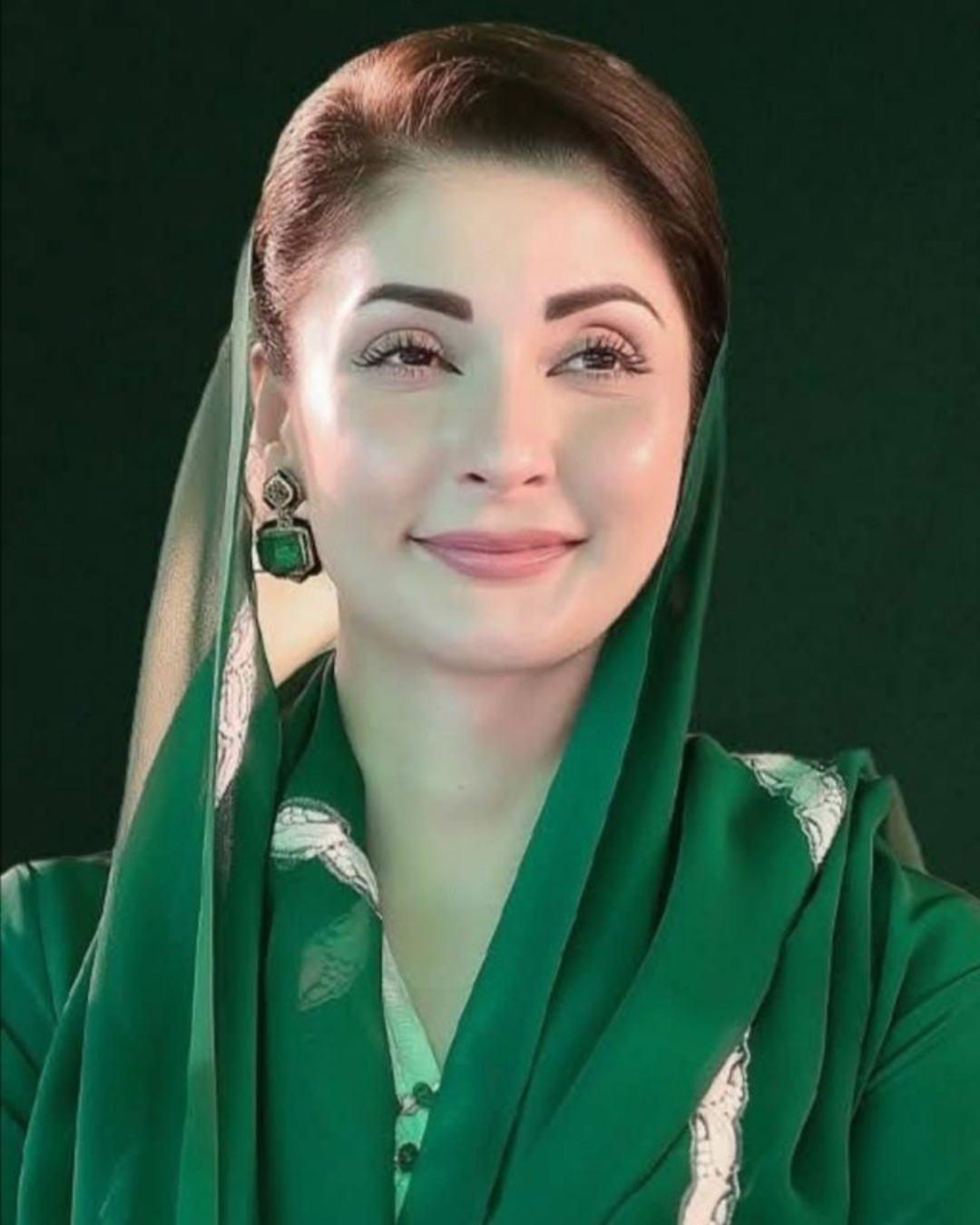
Maryam Nawaz
Maryam Nawaz is admired for her elegant traditional wear and graceful public appearances.
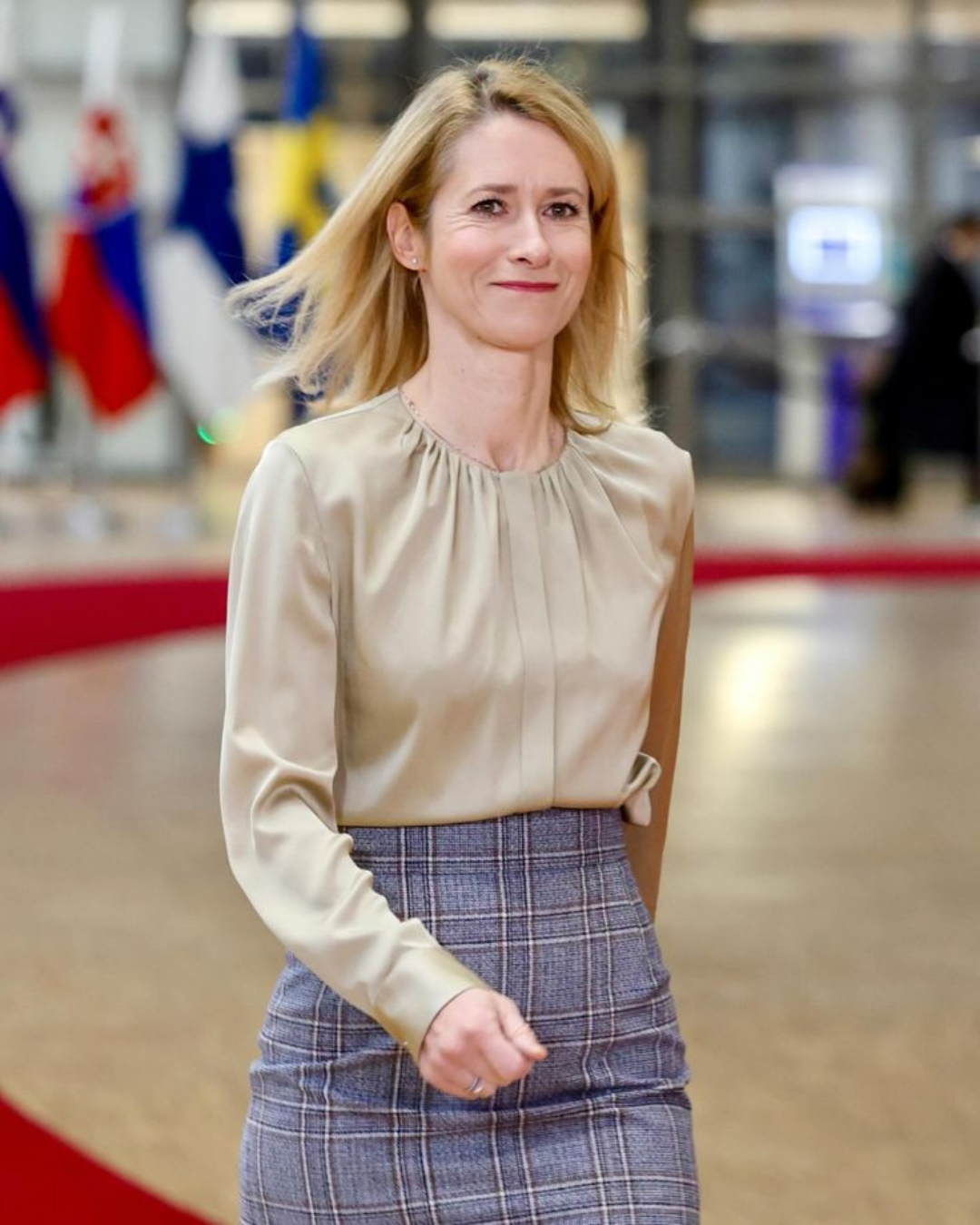
Kaja Kallas
Kaja Kallas is known for her sleek, modern European style favoring clean lines and contemporary silhouettes.
Mette Frederiksen
Her Scandinavian minimalism, neutral tones, and sharp tailoring reflect understated elegance and leadership.

Alexandria Ocasio-Cortez
AOC brings boldness to political fashion with statement outfits and relatable styling that resonates with younger audiences.
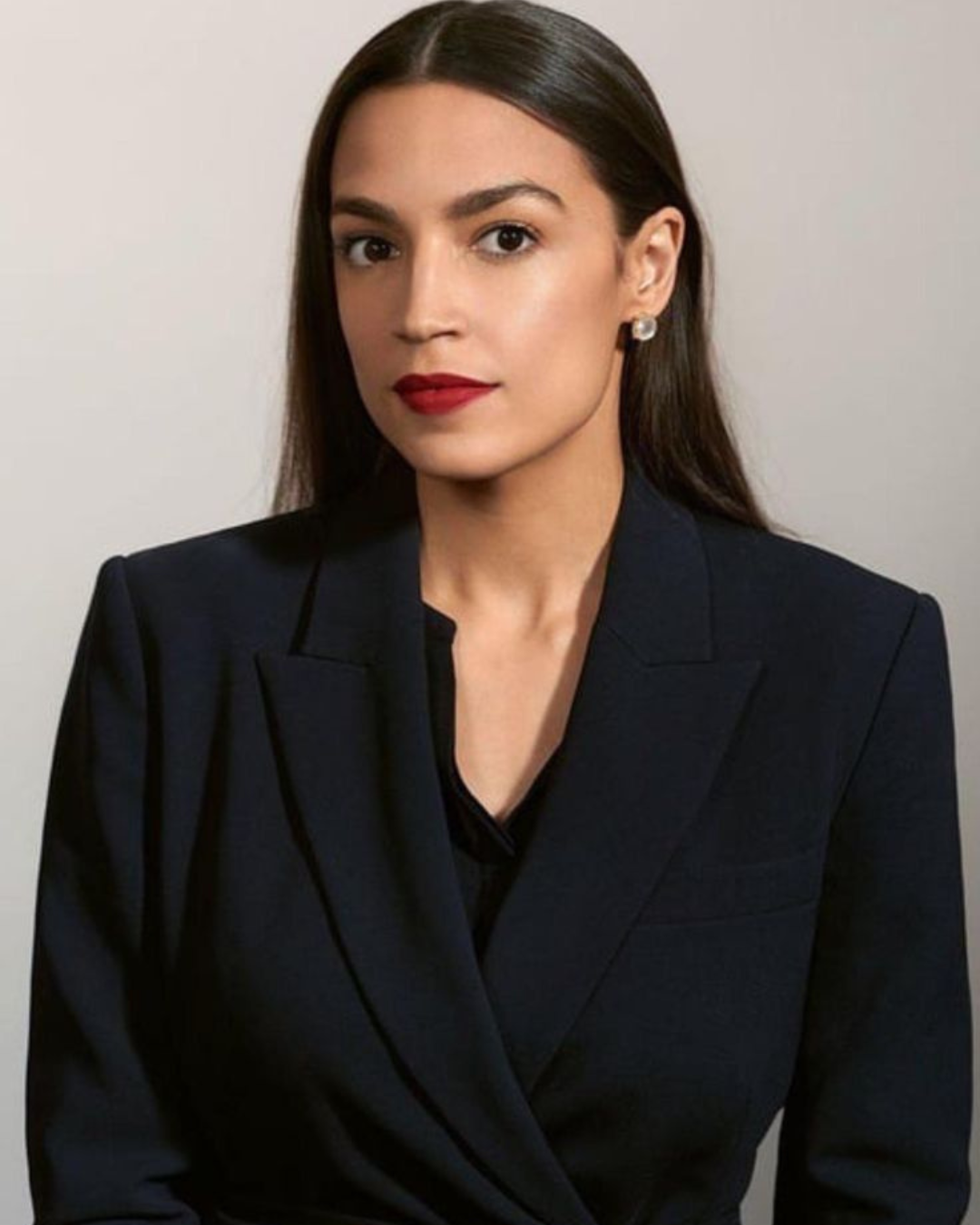
The best dressed female politicians in the world are proving that leadership and style go hand in hand. Whether through traditional attire or modern power dressing, these women are setting global fashion benchmarks while leading nations and inspiring millions.
Also Read: Minimalism vs Maximalism: What’s Trending in Lifestyle (2026)

Best Indian Designers Redefining Global Luxury

Most Stylish Social Media Stars: Digital Fashion Icons Defining 2026

The Dark Side of Fake Spirituality on Social Media

Top 5 Most Dangerous Zodiac Signs Based on Their Personality Traits

Most Iconic FIFA World Cup Jerseys of All Time

Why Aquarius Signs Are Visionaries Ahead of Their Time

Shakira and FIFA World Cup: From Waka Waka to Dai Dai 2026

The Rise of Spiritual Luxury Travel: Retreats, Wellness & Culture

Top Female Entrepreneurs Who Started as Influencers

Signs You’re Going Through a Spiritual Awakening
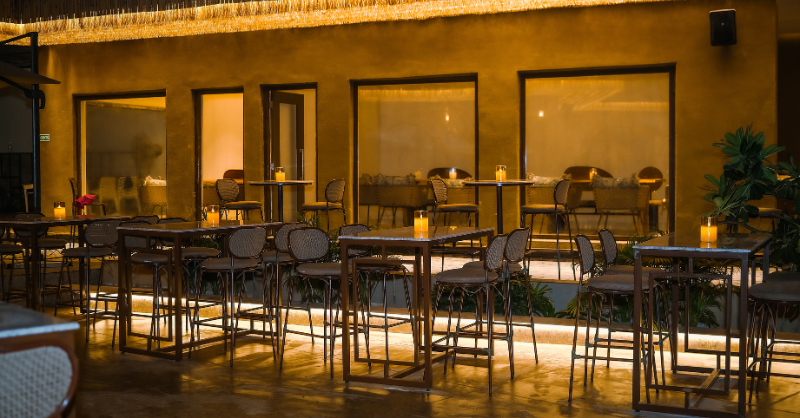
Dorsia, Gurgaon’s One Of The Biggest BYOBs
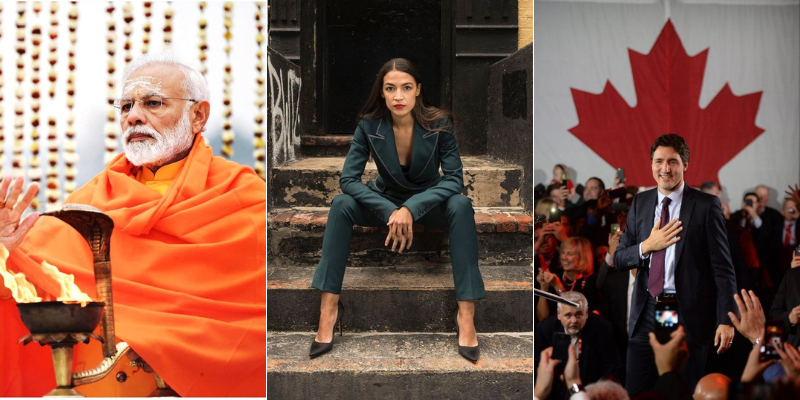
Top 10 Best Dressed Politicians In The World
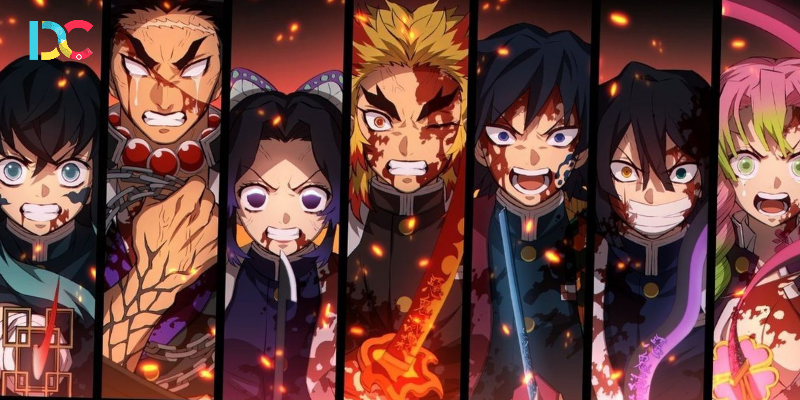
Breaking the Mold: How Demon Slayer Redefines the Shonen Genre?
15 Best Quotes Of Toy Story About Friendship.

Sabrina Carpenter’s Man’s Best Friend and the Politics of Pop Imagery

The NOU Walk Of Life : New Talk of Town in Luxury Footwear
Emerging Fashion Designers India Contest Wraps Up in the Most Spectacular Fashion
The Most Memorable Highlights from the 2025 Academy Awards
Kaftans: The New Festive Staple Taking Over Indian Wardrobes
Are Live-Action Adaptations a Risky Bet for Studios?
-
 Entertainment7 months ago
Inside the Creator Economy: Who’s Making Millions in 2026?
-
 Events6 months ago
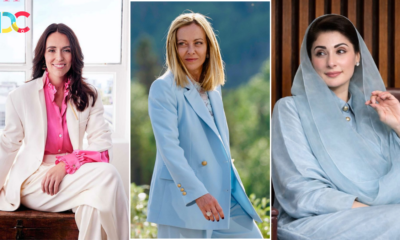
Top 10 Best Dressed Female Politicians in the World
-
 Horoscope6 months ago
Why Scorpio Is So Attractive And Hard to Handle
-

 Fashion6 months ago
Best Mother’s Day Gifts 2026
-

 Events7 months ago
7 Ways to Make Your Mom Feel Special This Mother’s Day
-
 Beauty6 months ago
Most Stylish Indian Female News Anchors Who Redefine Glamour & Journalism
-
 Horoscope6 months ago
The Dark Side of Every Zodiac Sign
-
 Horoscope5 months ago
Why Scorpio Are Magnetic in Love and Leadership