
Beauty
The Questionable Use of the Idea of Feminism as a Marketing Ploy Across History

Blue Origin’s all-female spaceflight was hailed as a feminist milestone but many saw it as a luxury spectacle masked as empowerment. It highlights how, numerous times in history, feminism has been co-opted to sell privilege rather than drive structural progress.
On April 14, 2025, Blue Origin’s New Shepard rocket launched its NS-31 mission, carrying an all-female crew into suborbital space for an 11-minute flight. Marketed as a historic milestone for gender representation as the first all-woman space crew since Valentina Tereshkova’s 1963 solo flight, the mission was celebrated by its organizers and crew as a feminist triumph. However, the mission’s commercial nature, high cost, and celebrity-heavy roster have ignited a firestorm of criticism, exposing how the word “feminist” has been used in a misleading way to cloak privilege and spectacle in the guise of progress. The crew was a high-profile mix: Media personality Lauren Sánchez,, led the charge, joined by pop star Katy Perry, CBS Mornings host Gayle King, former NASA scientist Aisha Bowe, civil rights activist Amanda Nguyen, and film producer Kerianne Flynn. The automated flight, which crossed the Kármán line at 62 miles above Earth, offered a few minutes of weightlessness and stunning views before safely landing in West Texas. Blue Origin touted the mission as a step toward inclusivity in space exploration, with crew members like Sánchez and Bowe emphasizing its potential to inspire women and minorities in STEM fields.
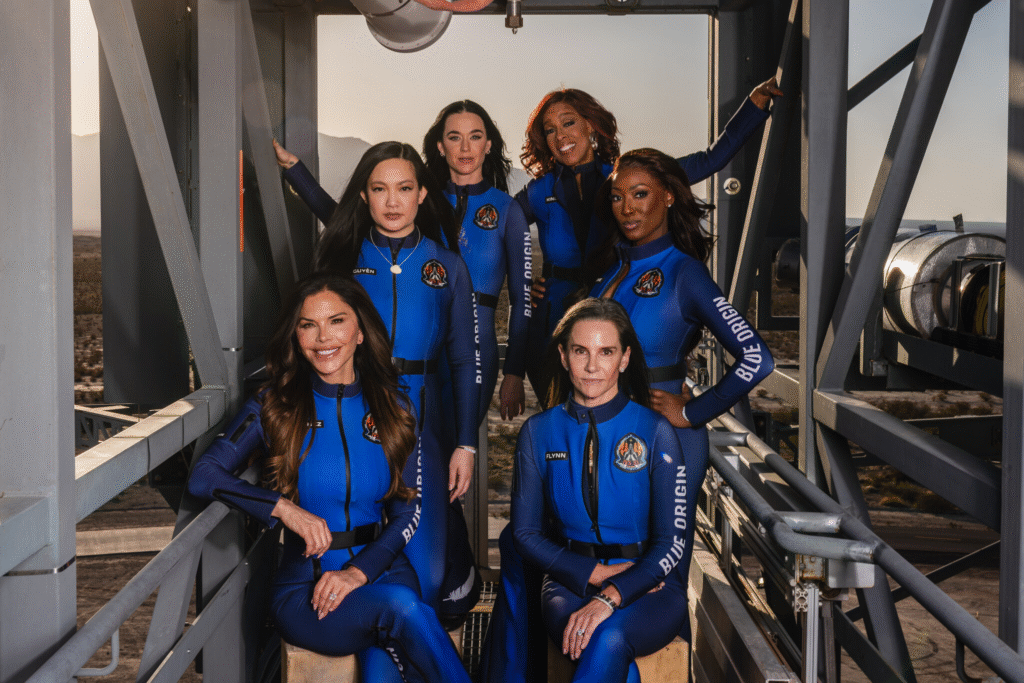
A Feminist Milestone or a Misstep?
At first glance, an all-female space crew seems like a clear win for feminism—a field historically dominated by men. Yet, the mission’s execution and framing have led many to question whether it really advanced the cause of women or simply co-opted the feminist label for publicity. The word “feminist” has been used in a misleading way here, slapped onto a venture that critics argue prioritized elite access over systemic change.
The mission’s high cost which reportedly requiring a $150,000 deposit per person reflects its exclusivity. Only those with significant wealth or connections could afford such an experience. This sparked accusations of elitism, with figures like Emily Ratajkowski, Olivia Wilde, and Amy Schumer slamming the flight as a tone-deaf display of privilege amid global crises like poverty and climate change. Ratajkowski called it “beyond parody,” arguing it failed to represent meaningful progress for women. NS-31’s crew, while diverse in some respects, leaned heavily on high-profile figures whose participation felt more performative than transformative. Tagging this as a feminist victory risks diluting the term, equating a brief, costly joyride with the hard-fought battles for gender equity in education, workplaces, or even NASA’s astronaut corps.
Blue Origin and the crew emphasized the mission’s scientific contributions, particularly Amanda Nguyen’s experiments testing NASA spacesuit fabric and an electric chip for breast cancer detection. These efforts, while commendable, were overshadowed by the flight’s broader framing as a celebrity spectacle. The inclusion of figures like Katy Perry, whose mid-flight performance of “What a Wonderful World” was widely mocked, further undermined the mission’s credibility.
The mission’s environmental impact drew significant scrutiny. Private spaceflight, including Blue Origin’s New Shepard, contributes to carbon emissions and resource use at a time when climate change is a pressing global issue. Ethically, the mission raised questions about the commercialization of space and the “astronaut” title. By branding wealthy passengers as trailblazers, Blue Origin risks trivializing the rigorous training and contributions of professional astronauts who undertake months-long missions with tangible scientific goals. The NS-31 crew’s brief flight, by contrast, felt like a luxury experience, not a feminist or scientific breakthrough.
Historical and Analogous Instances Where “Feminist” Was Used to Market Questionable Agendas
The misuse of feminist ideals to market products or agendas that don’t genuinely advance gender equity is not a new phenomenon. Historically, corporations and campaigns have co-opted the language of women’s liberation to sell products or ideas that, in hindsight, were harmful or exploitative.
Tobacco Industry’s “Torches of Freedom” Campaign
In the 1920s, cigarette companies like Lucky Strike and Philip Morris sought to expand their market by targeting women, who faced social taboos against smoking. The American Tobacco Company, under the guidance of public relations pioneer Edward Bernays, launched a campaign that framed cigarette smoking as a feminist act of rebellion against patriarchal norms. In 1929, Bernays orchestrated the infamous “Torches of Freedom” stunt during New York City’s Easter Sunday Parade. He hired debutantes to march as suffragists, publicly lighting cigarettes as symbols of liberation, with the press primed to cover the event as a bold feminist statement.
The campaign was a masterclass in manipulation. The feminist label was exploited to equate smoking with women’s suffrage and autonomy, despite the known health risks of tobacco, which were already suspected by medical professionals at the time. By the 1930s, smoking rates among women soared particularly as tobacco companies continued targeting them with “slimmer” cigarette brands like Virginia Slims in the 1960s.

This campaign’s legacy is a reminder of how feminist ideals can be hijacked for profit. It didn’t advance women’s rights but instead addicted generations to a deadly product, all under the guise of empowerment. The “Torches of Freedom” remains a textbook case of feminism being co-opted to sell harm.
Household Appliances as “Liberation” Tools
Post-World War II, the rise of consumer culture saw appliance manufacturers like General Electric and Westinghouse market household goods—washing machines, vacuum cleaners, electric stoves—as feminist breakthroughs. Advertisements proclaimed these products would “free” women from the drudgery of housework, granting them time for personal fulfillment. In reality, these campaigns reinforced traditional gender roles. The “liberation” promised by appliances often trapped women in the domestic sphere, as societal expectations shifted to demand even higher standards of cleanliness and homemaking. Many argue that these technologies increased women’s workloads by raising expectations for perfect households, while men were rarely encouraged to share domestic labor. Moreover, the high cost of appliances meant only middle- and upper-class women could afford them, excluding working-class and minority women from this so-called feminist progress.

Labeling these products as feminist tools was a marketing ploy to boost sales, not a genuine effort to challenge systemic inequalities like unequal division of labor or women’s exclusion from the workforce.
Marketing of Beauty Products in the mid-20th century
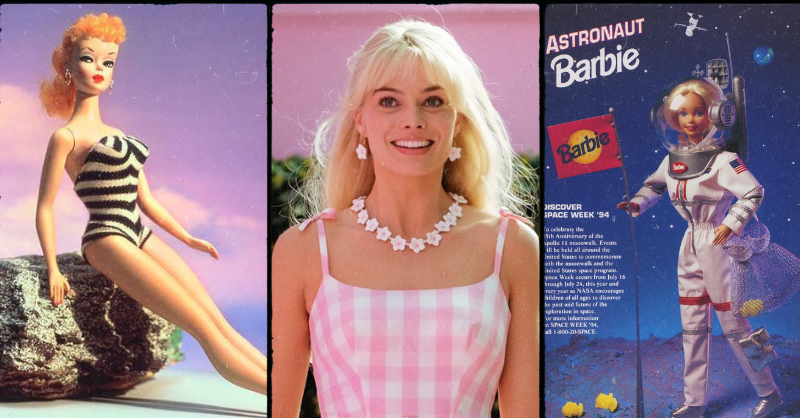
In the mid-20th century, cosmetics and beauty industries, led by brands like Revlon, Avon, and Clairol, capitalized on feminist rhetoric to sell products that promised to empower women through appearance. Advertisements framed makeup, hair dye, and skincare as tools for self-expression and confidence, aligning with the era’s emerging discussions of women’s agency. Clairol’s 1957 campaign for its “Does she… or doesn’t she?” hair dye, for example, suggested that coloring one’s hair was a bold, feminist choice to defy aging and societal judgment, with the tagline implying secrecy and personal power. However, these campaigns often reinforced restrictive beauty standards that pressured women to conform to idealized notions of femininity.

The “feminist” framing ignored how these products were sold as necessities to “fix” perceived flaws, adding to insecurity rather than empowerment. By branding beauty products as feminist, these companies profited from women’s insecurities while sidestepping the structural barriers—like workplace discrimination or lack of political representation—that true feminism sought to address.
Alcohol Marketing as Women’s “Freedom”
In the wake of second-wave feminism, alcohol companies began targeting women with campaigns that framed drinking as a feminist act of equality. Brands launched ads in the 1970s and 1980s showing women in professional settings—sipping cocktails at bars or hosting parties—suggesting that drinking was a way to claim the social freedoms traditionally reserved for men.

These campaigns co-opted feminist language to normalize alcohol consumption among women, ignoring the health risks of increased drinking, including liver disease and addiction, which rose among women during this period. The “feminist” framing also glossed over how these ads often sexualized women, portraying them as liberated only when appealing to male gazes. Like the cigarette campaigns decades earlier, this misuse of feminism prioritized corporate profits over women’s well-being, using empowerment as a veneer for exploitation.
The Blue Origin NS-31 mission, with its “feminist” branding of an exclusive spaceflight, echoes a long history of exploiting feminist ideals for questionable ends. Feminism is often used as a shiny label to sell things that don’t really help women. Time and again, the idea of “empowerment” gets twisted to push products or experiences that only benefit a few, usually the wealthy. These moves look like progress but often just keep old problems in place. These historical missteps tell us about the need to scrutinize modern claims of feminism, ensuring the term isn’t reduced to a marketing ploy but remains a call for systemic change that uplifts all, not just those who can afford the spotlight.
Beauty
Top Female Entrepreneurs Who Started as Influencers
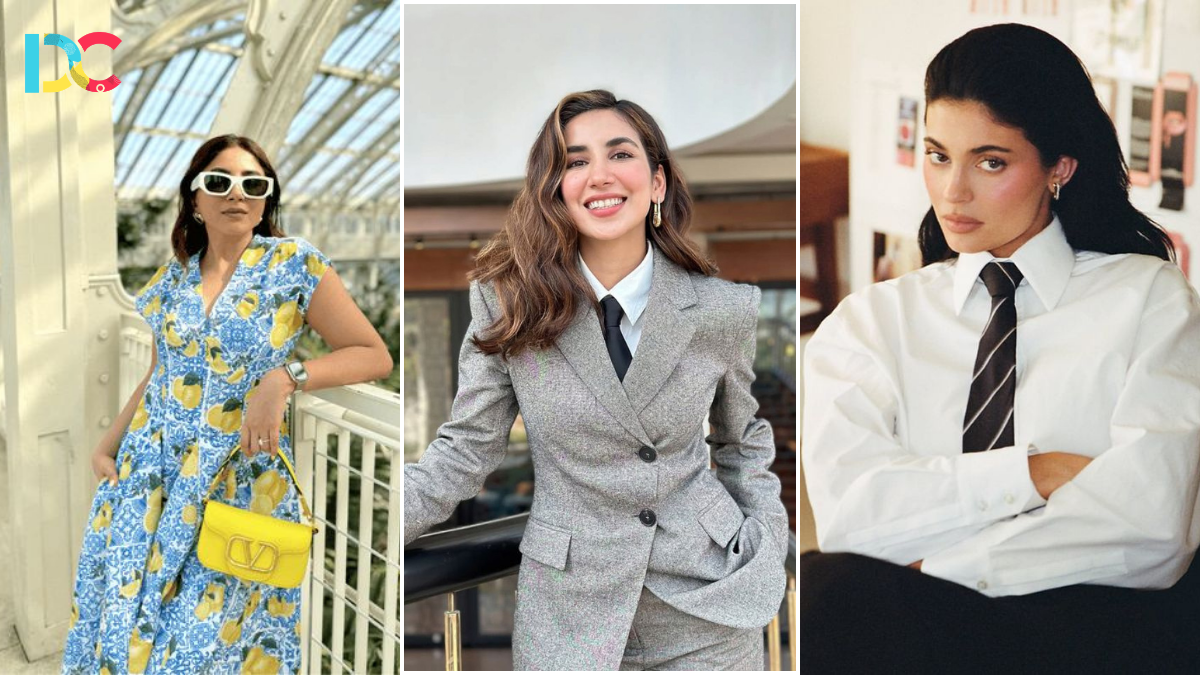
The rise of social media has completely changed the meaning of entrepreneurship. Earlier, building a brand required heavy investment, retail presence, and traditional advertising. Today, many women are proving that a loyal community, strong personal branding, and authentic content can become the foundation of powerful businesses.
From beauty and fashion to wellness, lifestyle, and direct-to-consumer brands, several female influencers have successfully turned their digital influence into profitable companies. These women did not just promote products; they understood their audience deeply, identified market gaps, and built brands around trust.
Here are some of the top female entrepreneurs who started as influencers and became successful business leaders.
1. Huda Kattan – Founder of Huda Beauty
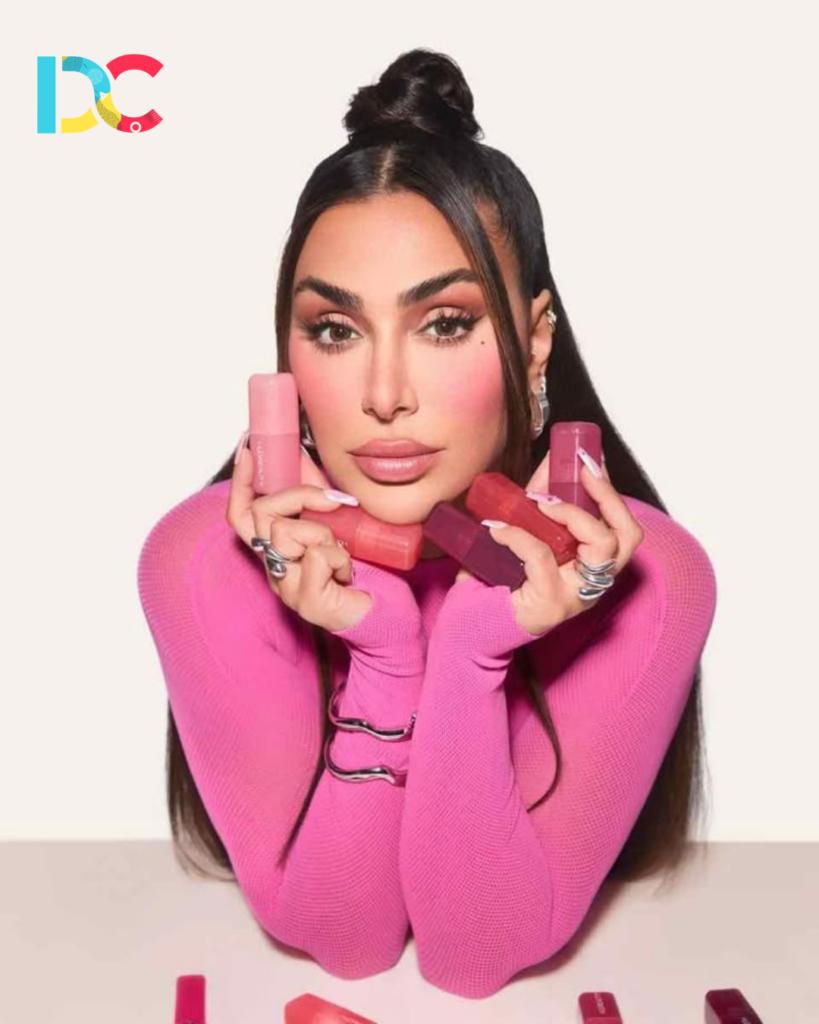
Huda Kattan is one of the most powerful examples of an influencer turning into a global entrepreneur. She started as a beauty blogger and makeup artist, sharing tutorials, product reviews, and beauty tips online. Her honest content and strong connection with beauty lovers helped her build a loyal community.
In 2013, she launched Huda Beauty with her sisters, starting with false eyelashes. The brand later expanded into foundations, lipsticks, eyeshadow palettes, skincare, and fragrance. Today, Huda Beauty is one of the most recognized beauty brands in the world.
Why she stands out: Huda used content as a trust-building tool before selling products. Her audience already believed in her expertise, which made the transition from influencer to founder natural.
2. Kylie Jenner – Founder of Kylie Cosmetics
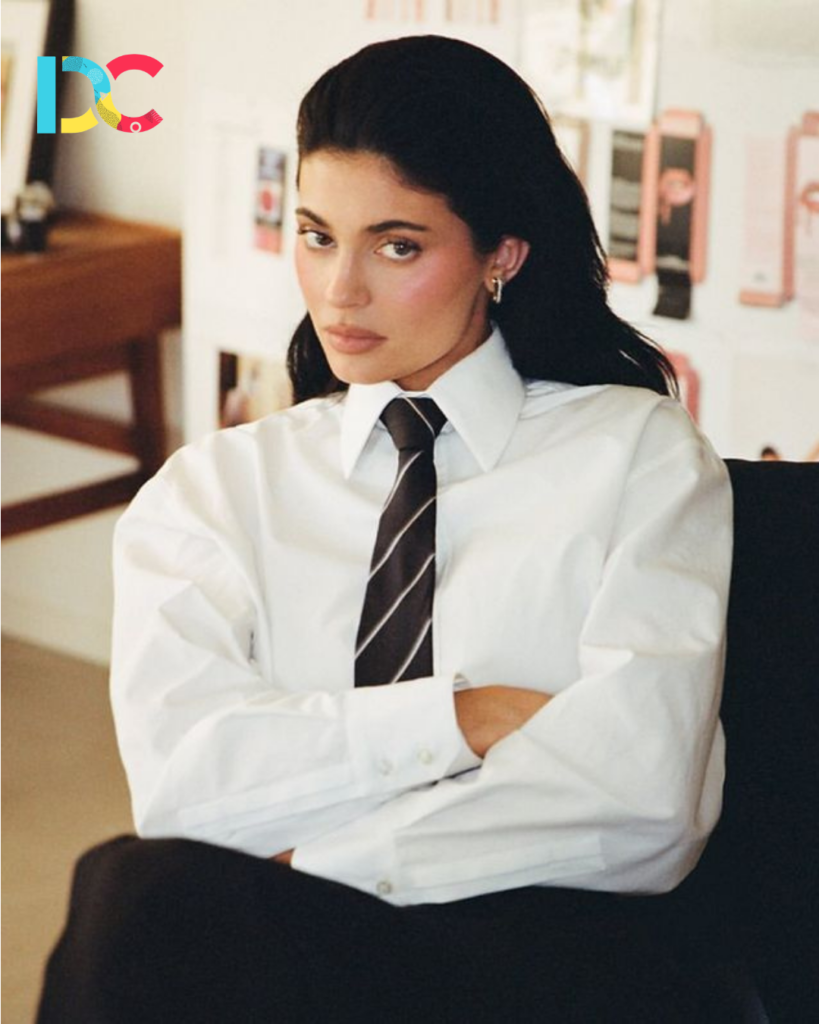
Kylie Jenner became famous through reality television and later built a massive social media following. Her influence in beauty, fashion, and lifestyle helped her create a strong personal brand at a young age.
She launched Kylie Cosmetics with her famous lip kits, which became a major success almost instantly. Her social media presence played a huge role in the brand’s marketing, product launches, and customer engagement.
Why she stands out: Kylie proved that personal branding can become a direct sales engine when combined with strong product positioning and social media hype.
3. Chiara Ferragni – Founder of The Blonde Salad and Chiara Ferragni Brand
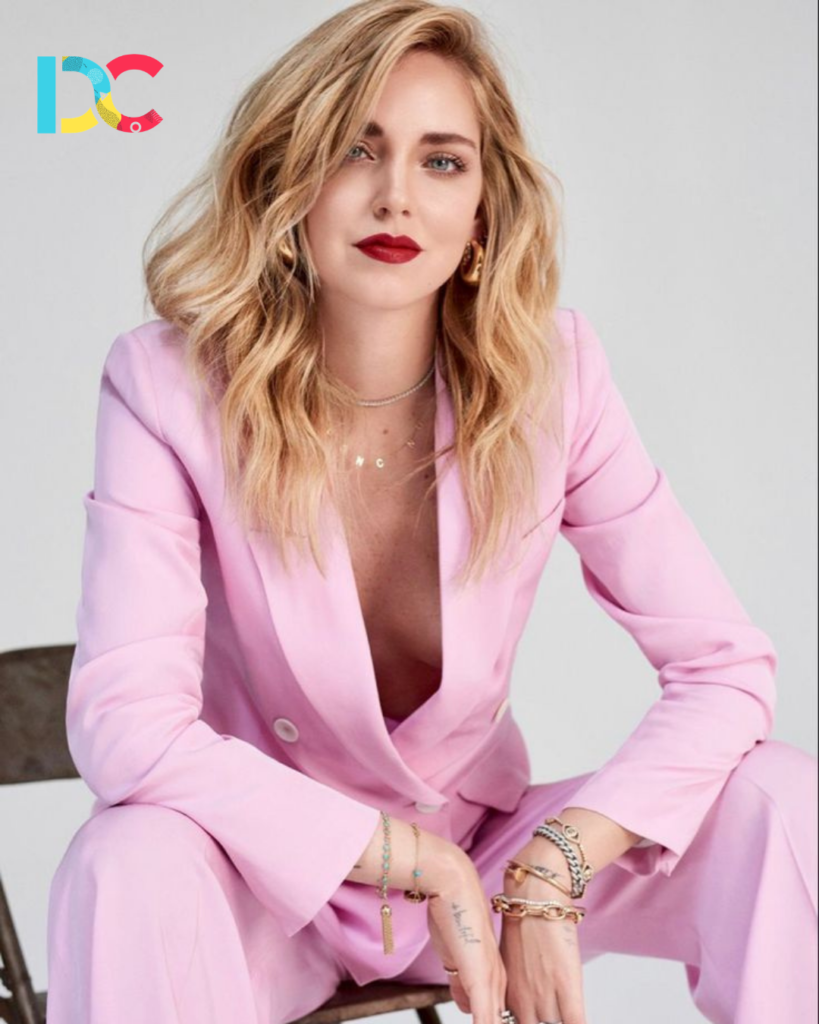
Chiara Ferragni began as a fashion blogger with The Blonde Salad, where she shared her personal style and fashion inspiration. Over time, she became one of the most influential fashion personalities in the world.
She later built the Chiara Ferragni Brand, turning her fashion influence into a business. Her journey shows how blogging, styling, and digital storytelling can become the foundation for a global fashion empire.
Why she stands out: Chiara was among the early digital creators who proved that fashion influence could become a serious business model.
4. Camila Coelho – Founder of Camila Coelho Collection and Elaluz
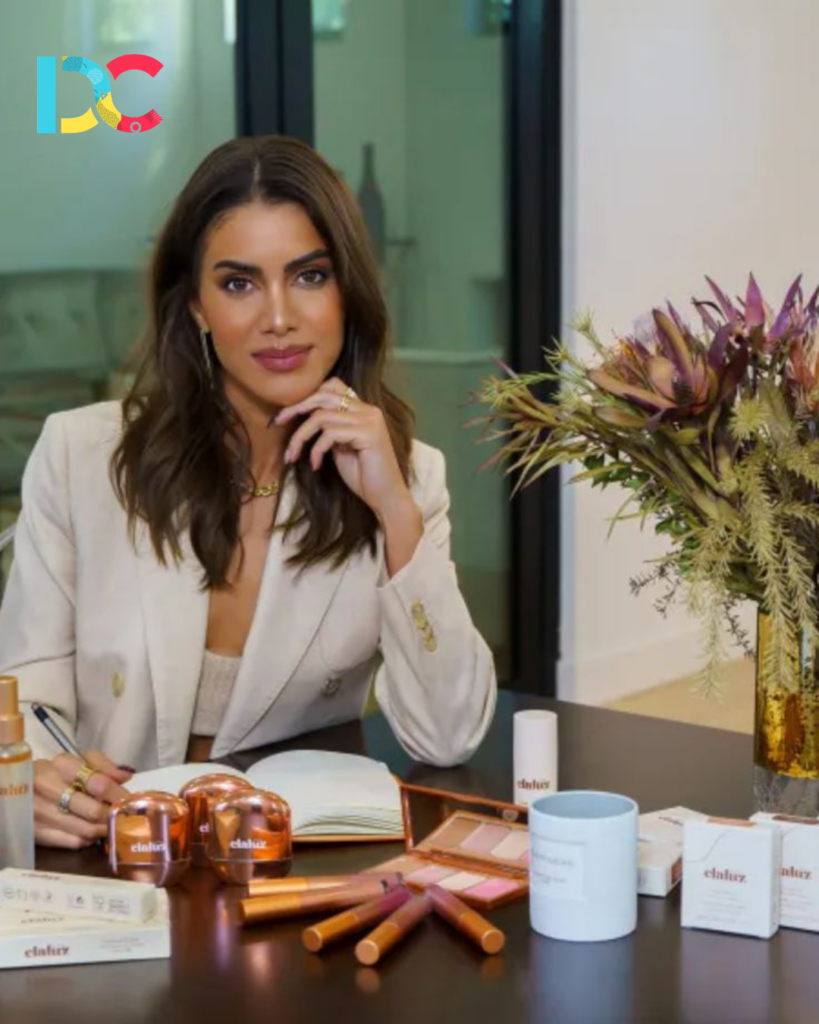
Camila Coelho started her journey as a beauty and fashion influencer, creating makeup tutorials and style content. Her charm, consistency, and beauty expertise helped her build a strong international audience.
She later launched her fashion line, Camila Coelho Collection, and beauty brand Elaluz. Her brands reflect her personal aesthetic: elegant, feminine, and aspirational.
Why she stands out: Camila successfully expanded from content creation into both fashion and beauty, showing the power of niche authority.
5. Danielle Bernstein – Founder of WeWoreWhat
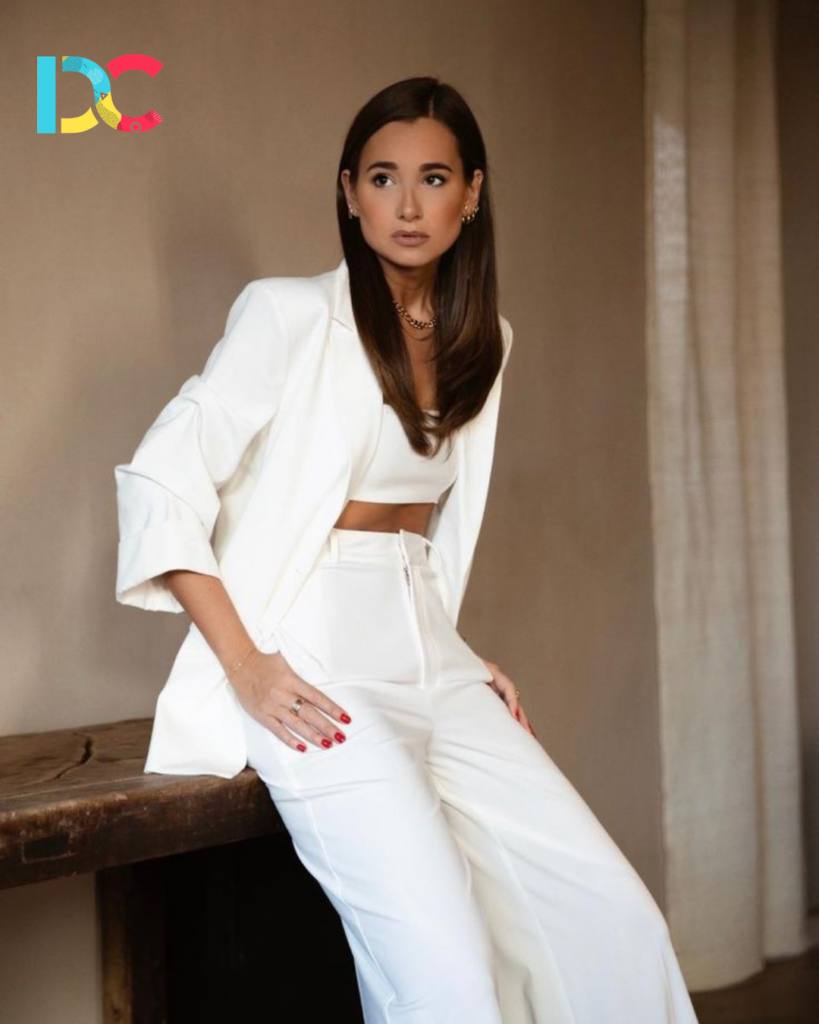
Danielle Bernstein began as a fashion blogger through WeWoreWhat, where she shared outfit inspiration and personal style content. Her fashion influence helped her build a strong audience and collaborations with major brands.
She later turned WeWoreWhat into a business, launching fashion collections and lifestyle products. Her journey reflects how personal style content can evolve into a full-scale fashion label.
Why she stands out: Danielle built a business by converting her personal fashion identity into a recognizable brand.
6. Arielle Charnas – Founder of Something Navy
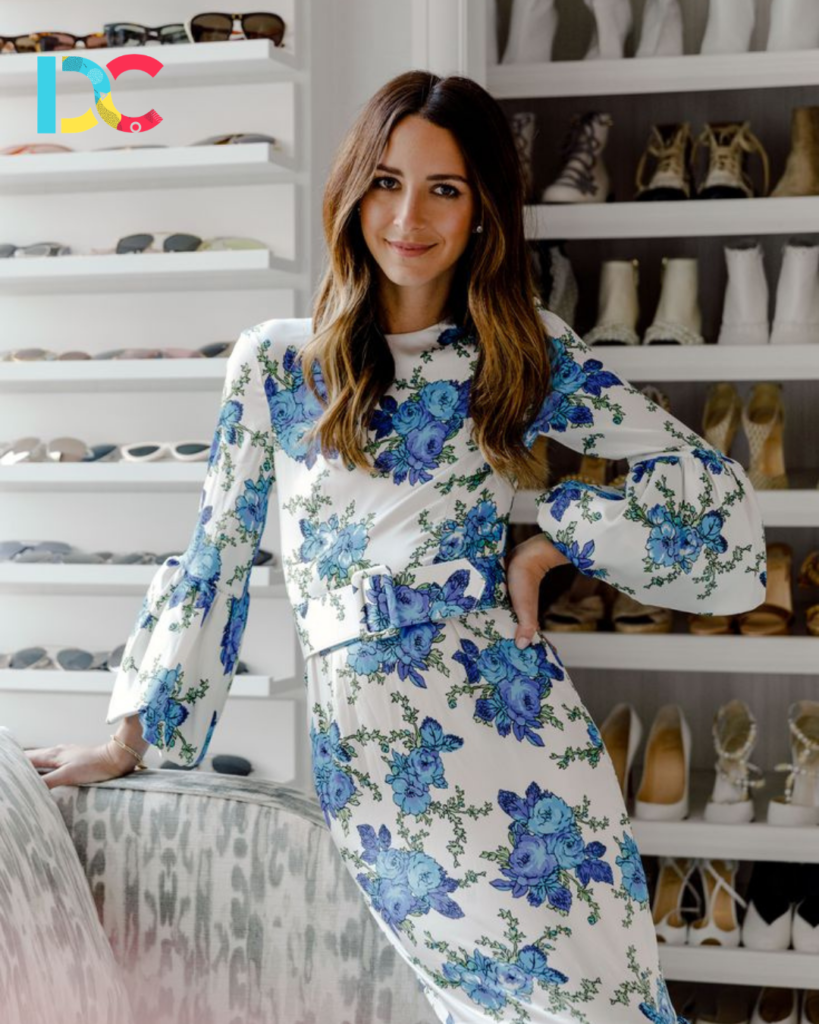
Arielle Charnas started as a fashion blogger with Something Navy. Her relatable fashion content and everyday style recommendations helped her gain a loyal audience.
Something Navy later became a fashion brand, selling clothing inspired by Arielle’s personal style. Her journey shows how creators can transform audience trust into a retail business.
Why she stands out: Arielle built her business around relatability, making her audience feel like they were part of her fashion journey.
7. Parul Gulati – Founder of Nish Hair
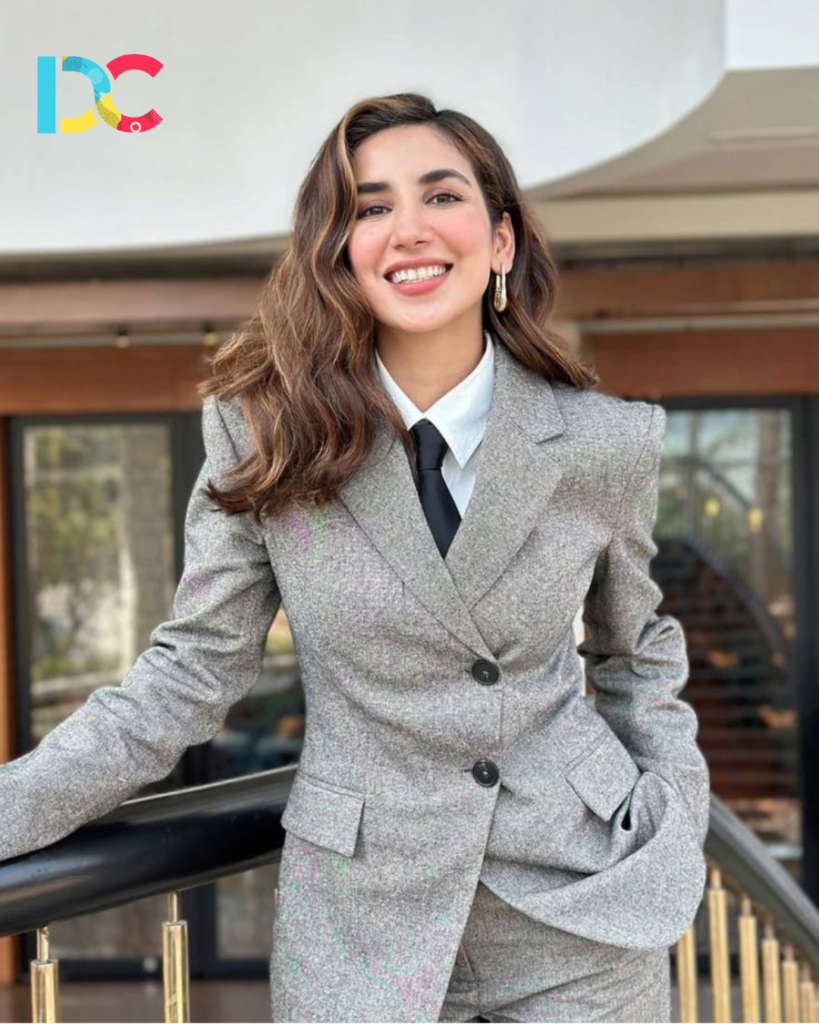
Parul Gulati, an actress and digital personality, became widely known not only for her screen presence but also for building Nish Hair, a hair extension and hair solutions brand. She used her visibility and personal brand to create awareness around hair extensions, toppers, and wigs in India.
Her appearance on Shark Tank India gave the brand wider recognition, while her social media presence helped normalize conversations around hair confidence and beauty solutions.
Why she stands out: Parul used storytelling, personal branding, and bold marketing to build a strong beauty business in a niche category.
8. Aashna Shroff – Founder of The Snob Journal and The Snob Shop
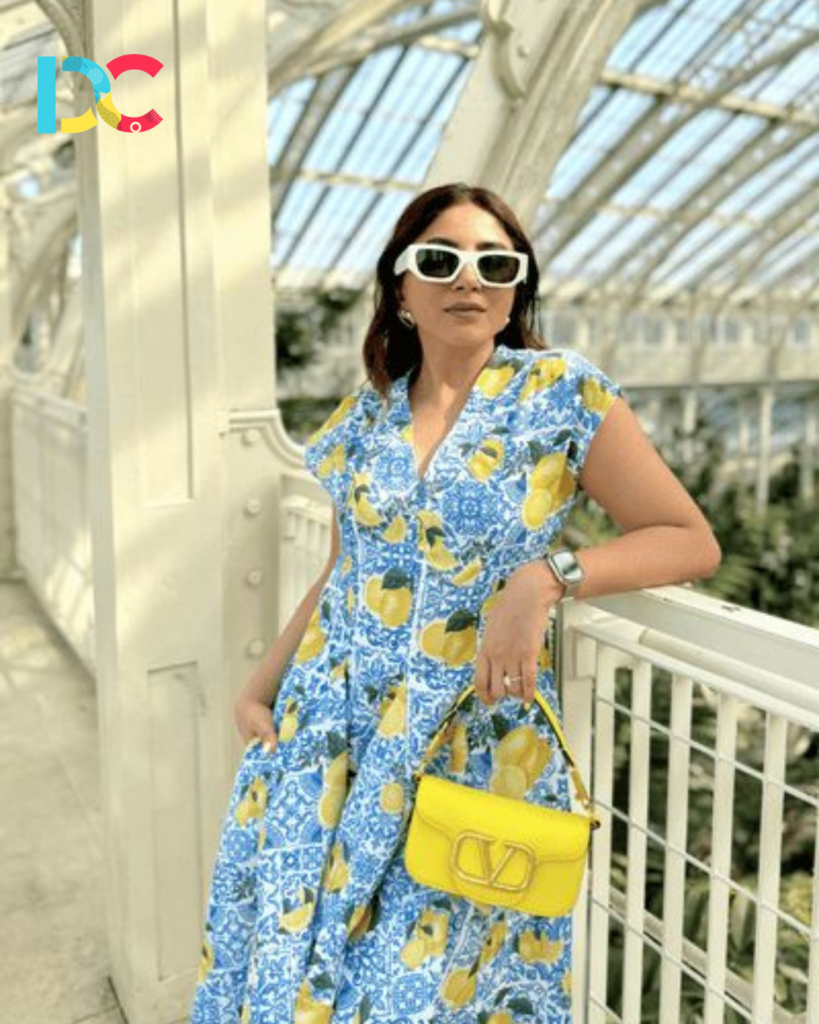
Aashna Shroff started as a fashion and lifestyle creator, sharing her personal style, beauty looks, and travel content. She later built The Snob Journal as a digital fashion identity and also worked on entrepreneurial ventures such as The Snob Shop.
Her journey is a strong example of how Indian influencers have used digital platforms to build lifestyle-led businesses.
Why she stands out: Aashna turned her taste, styling, and content identity into a fashion-focused business presence.
9. Juhi Godambe Jain – Founder of Arabellaa
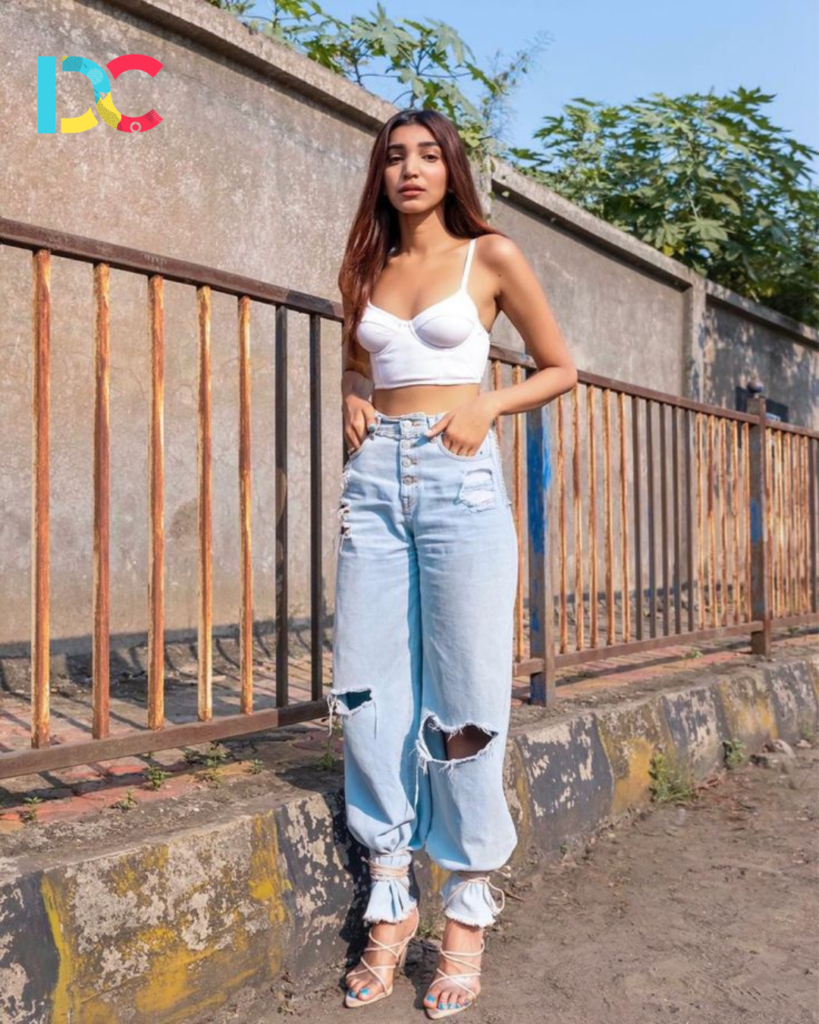
Juhi Godambe Jain is a fashion creator and entrepreneur who built her influence through style-led content. She later founded Arabellaa, a homegrown fashion brand focused on modern, wearable fashion.
Her journey reflects the rise of Indian fashion influencers who are moving beyond collaborations and building their own labels.
Why she stands out: Juhi used her fashion credibility to create a direct-to-consumer brand with a clear personal touch.
10. Aanam Chashmawala – Founder of Wearified
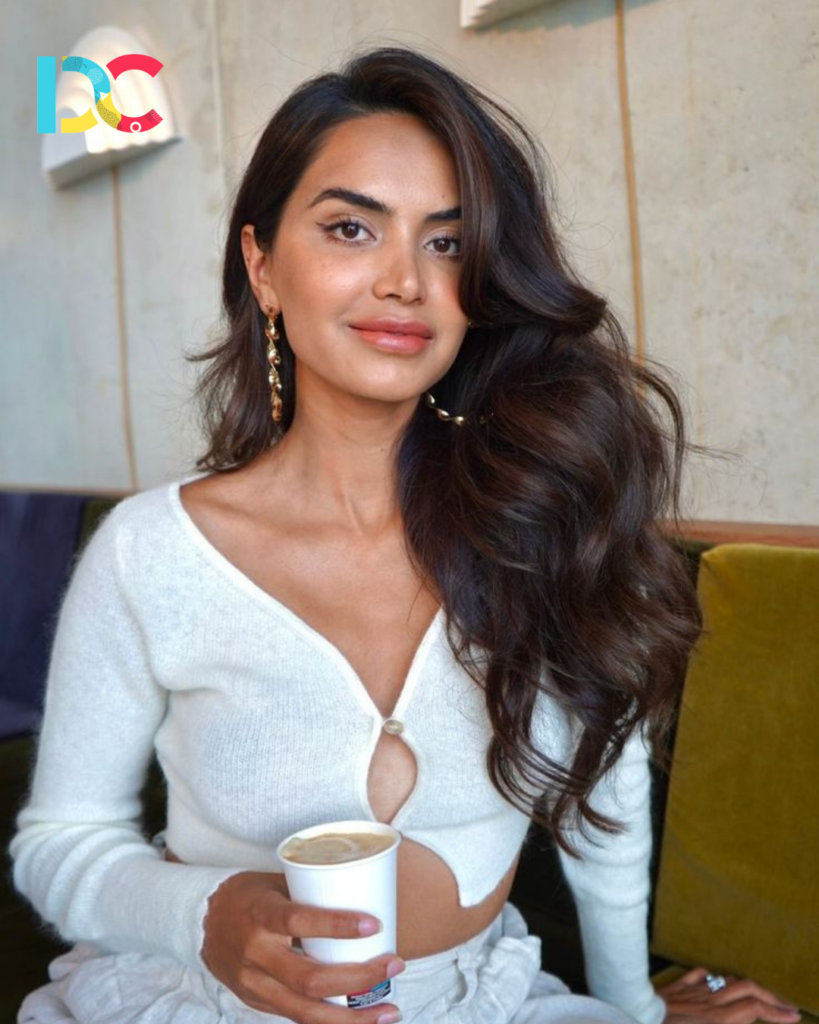
Aanam Chashmawala, popularly known as Aanam C, started as a beauty, fashion, and lifestyle content creator. Over the years, she built a strong community around honest reviews, personal storytelling, and relatable content.
She later launched Wearified, a beauty brand built around real, everyday beauty needs. Her creator-first journey helped her understand what consumers wanted before entering the product market.
Why she stands out: Aanam built a beauty brand backed by years of audience insight and content credibility.
11. Diipa Büller-Khosla – Co-Founder of indē wild
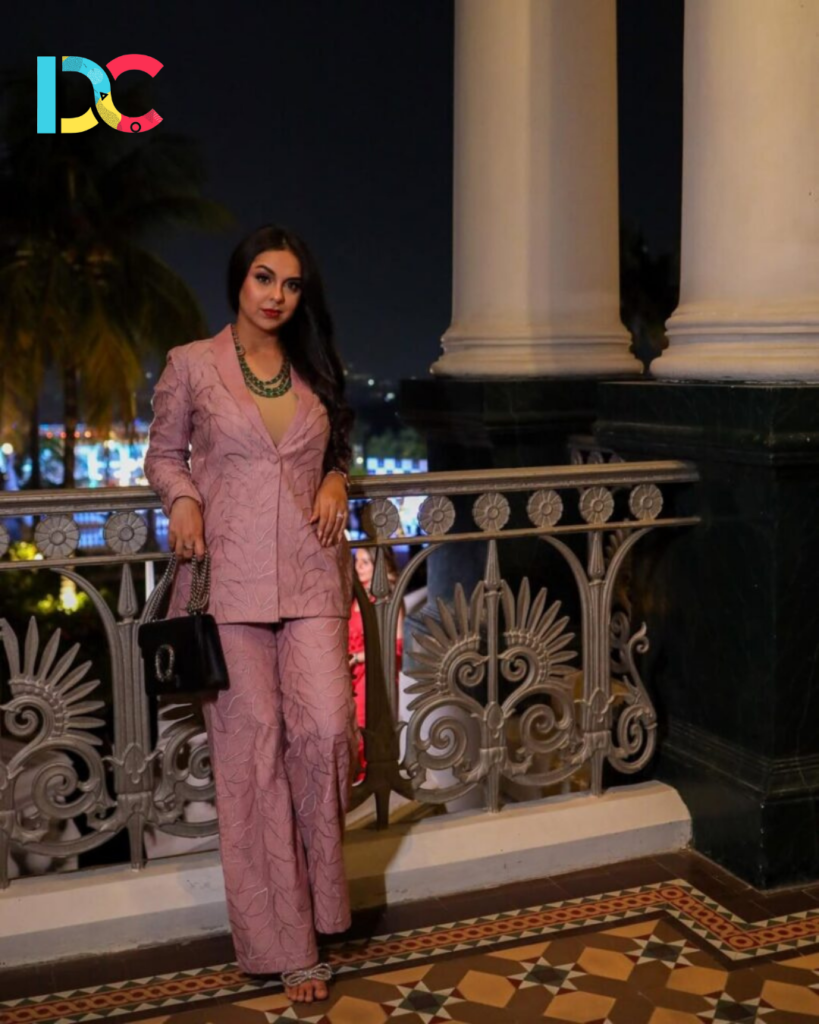
Diipa Büller-Khosla started as a fashion, beauty, and lifestyle influencer, building a strong global community through her content around style, self-expression, beauty, and South Asian representation.
She later co-founded indē wild, a beauty and wellness brand inspired by Indian rituals and modern skincare science. The brand focuses on products that blend traditional ingredients with contemporary beauty needs, making it one of the most recognized creator-led beauty brands with Indian roots.
Why she stands out: Diipa turned her influence into a purpose-led beauty brand that celebrates South Asian identity, clean beauty, and global community-driven entrepreneurship.
Beauty
Most Stylish Indian Female News Anchors Who Redefine Glamour & Journalism
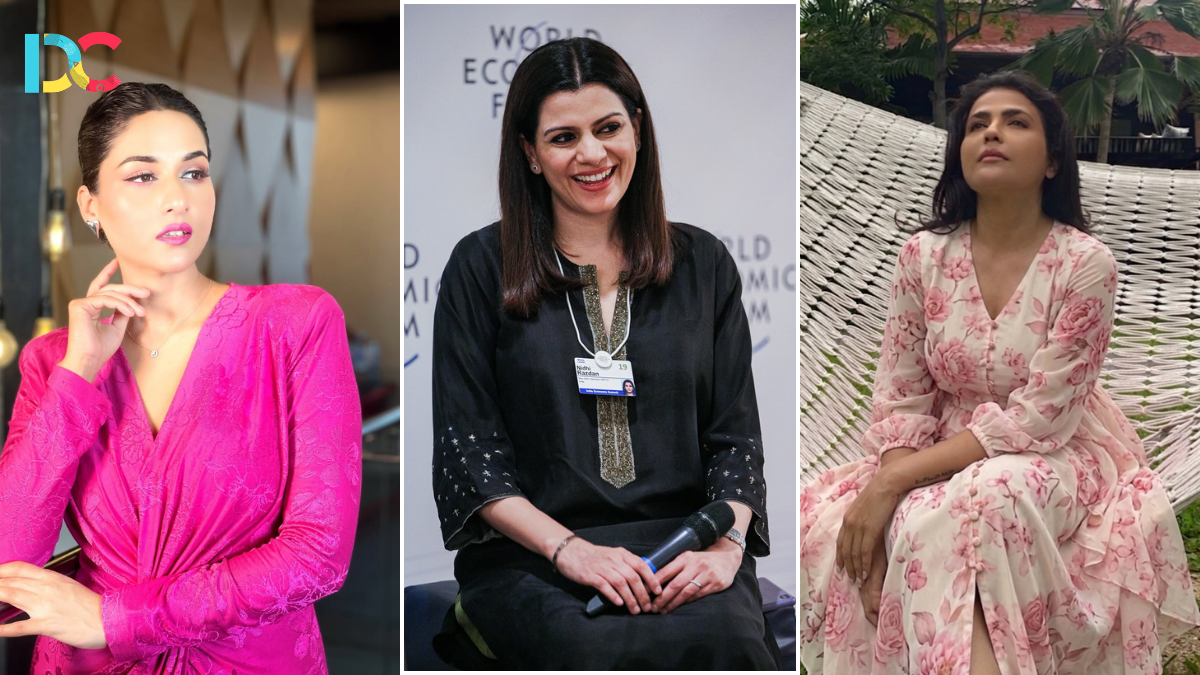
In the fast-paced world of television journalism, news anchors are not only recognized for their communication skills and credibility but also for their on-screen personality, fashion sense, and confidence. In India, several news anchors have become style icons by balancing professionalism with elegance, setting trends while delivering news with authority.
From power dressing to graceful ethnic wear, the most stylish Indian news anchors prove that journalism and fashion can go hand in hand. Here’s a look at some of India’s most fashionable news personalities who have redefined screen presence.
Why Style Matters for News Anchors
A news anchor’s appearance is a vital part of their professional identity. Their style reflects confidence, credibility, and relatability. Whether it’s sharp formal wear, polished makeup, or sophisticated sarees, presentation plays a major role in building a memorable public image.
In today’s digital age, where anchors are also social media personalities, style has become an extension of personal branding.
Shereen Bhan: The Queen of Corporate Elegance
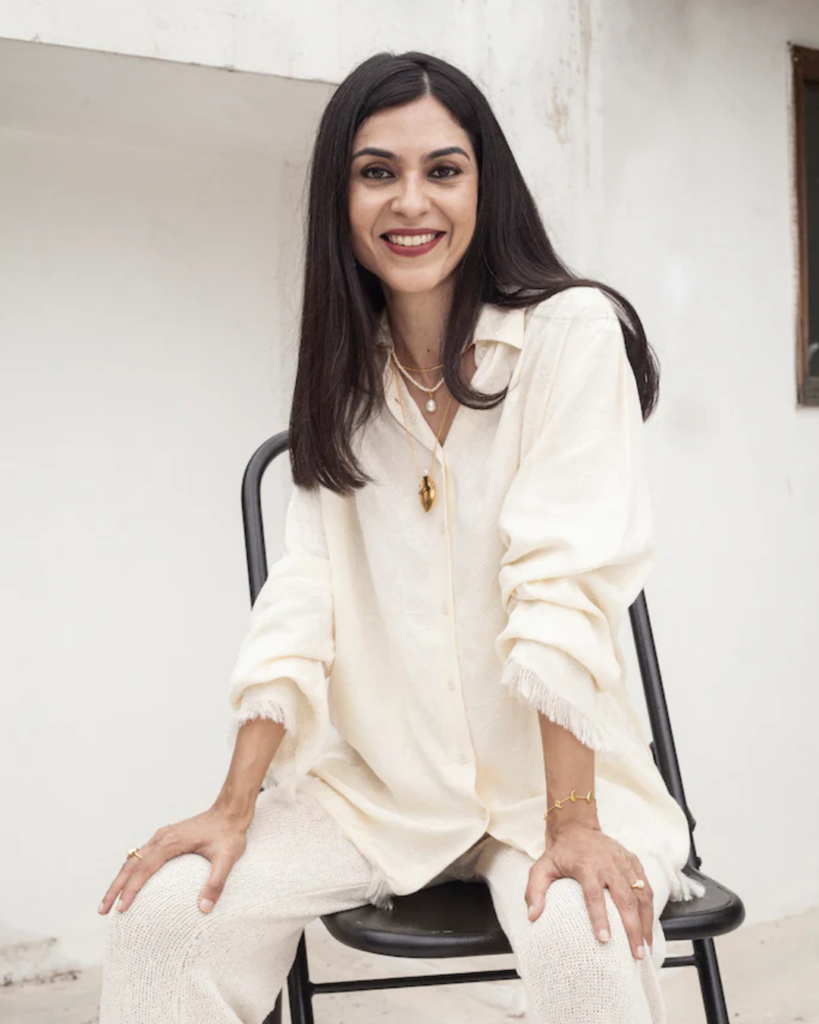
Known for her outstanding presence in business journalism, Shereen Bhan is admired for her polished wardrobe and sophisticated fashion choices. Her power suits, elegant dresses, and effortless confidence make her one of India’s most stylish news anchors.
Mayanti Langer : Glamour Meets Sports Journalism
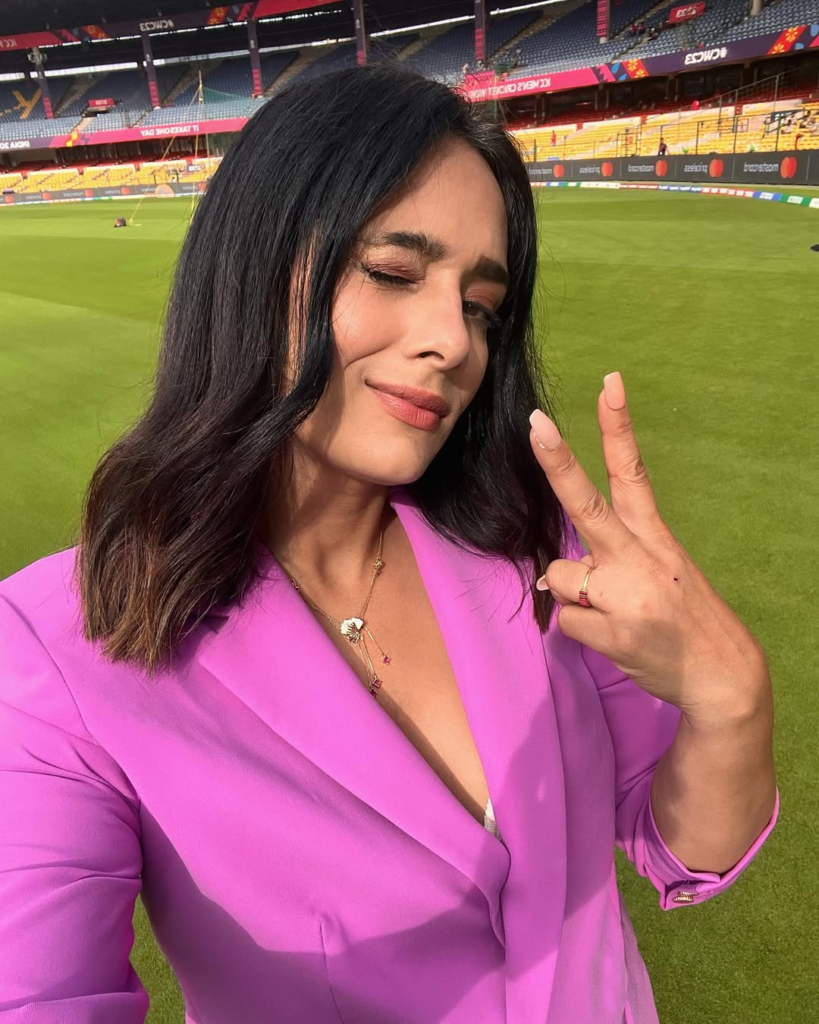
Mayanti Langer has transformed sports anchoring with her bold personality and chic style. Whether on cricket panels or global sporting events, her modern fashion sense, sharp dressing, and charismatic presentation stand out.
Palki Sharma: Graceful, Intelligent & Global
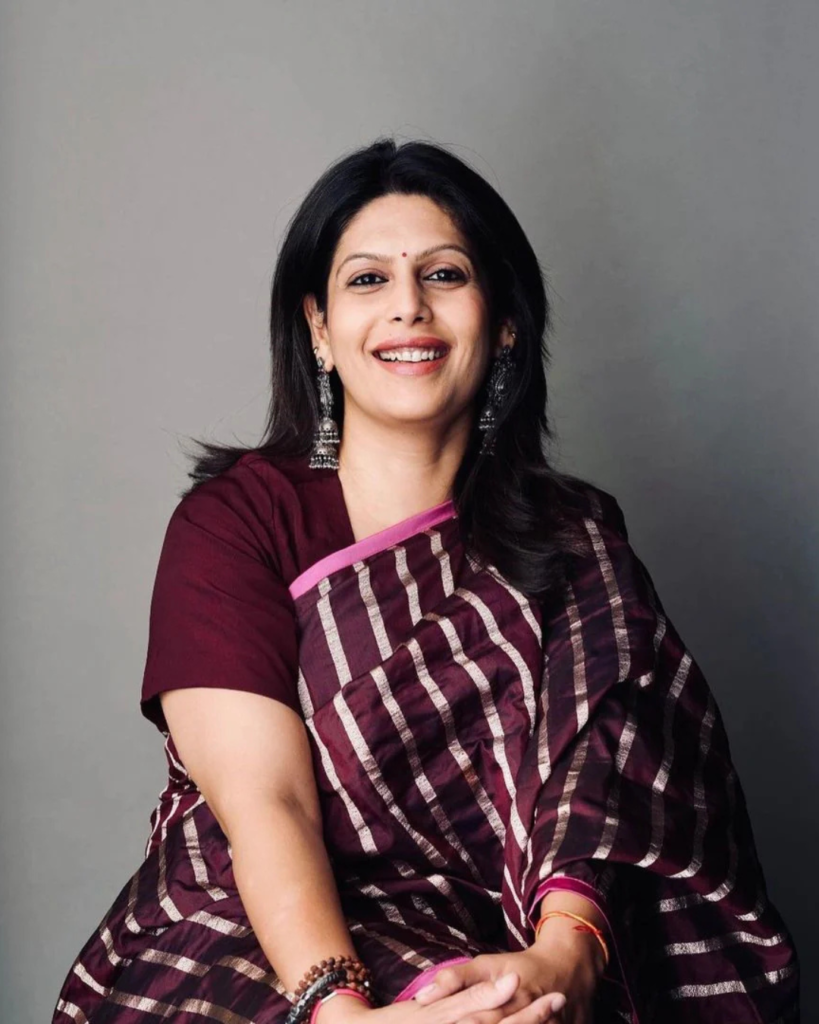
Palki Sharma’s style is often described as minimalist yet powerful. Her balanced fashion choices, from elegant sarees to structured western wear, complement her commanding journalistic voice.
Rubika Liyaquat: Traditional Meets Contemporary
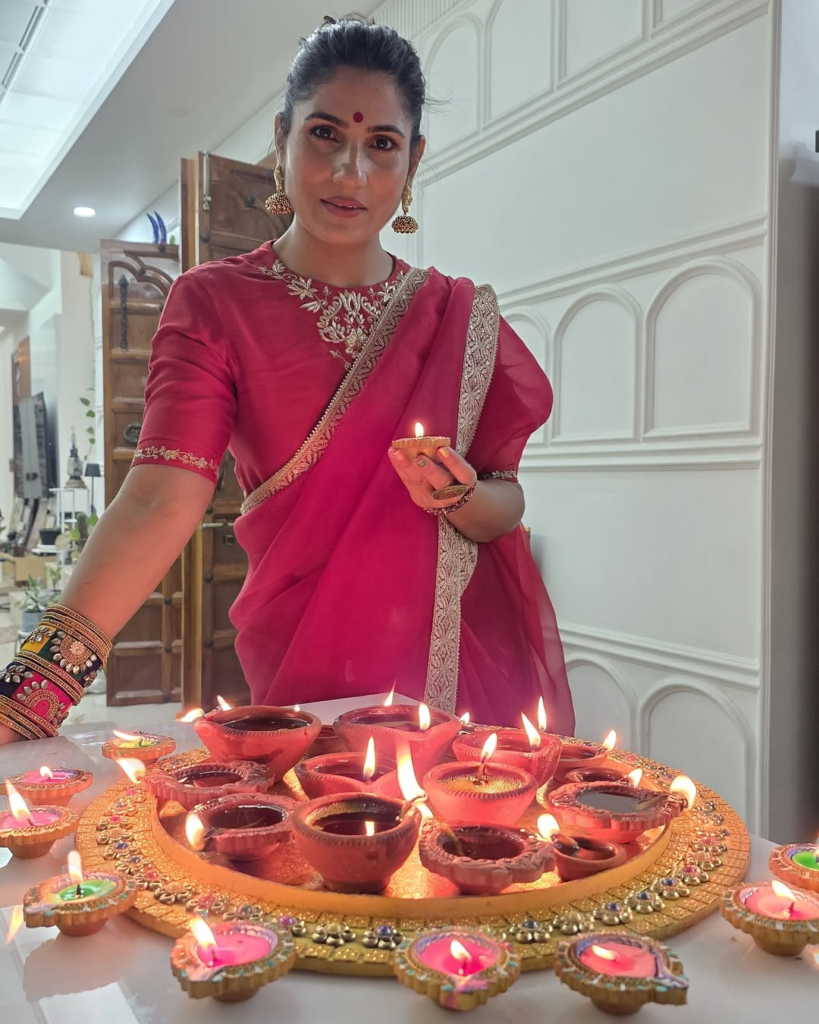
Rubika Liyaquat is known for blending Indian ethnic fashion with modern styling. Her sarees, statement outfits, and confident delivery have made her a recognizable style figure in Hindi news media.
Sweta Singh: Classic and Timeless
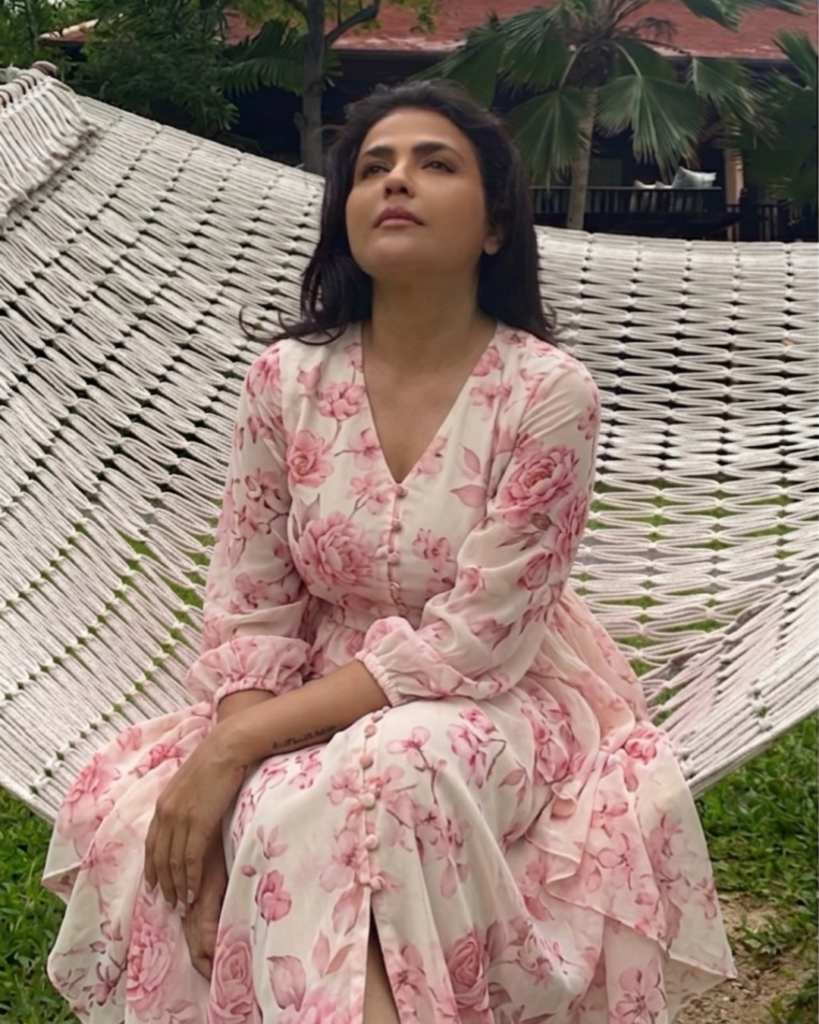
Sweta Singh represents timeless newsroom sophistication. Her graceful sarees, polished presentation, and poised personality continue to inspire many aspiring journalists.
Arpita Arya: Youthful and Trendsetting
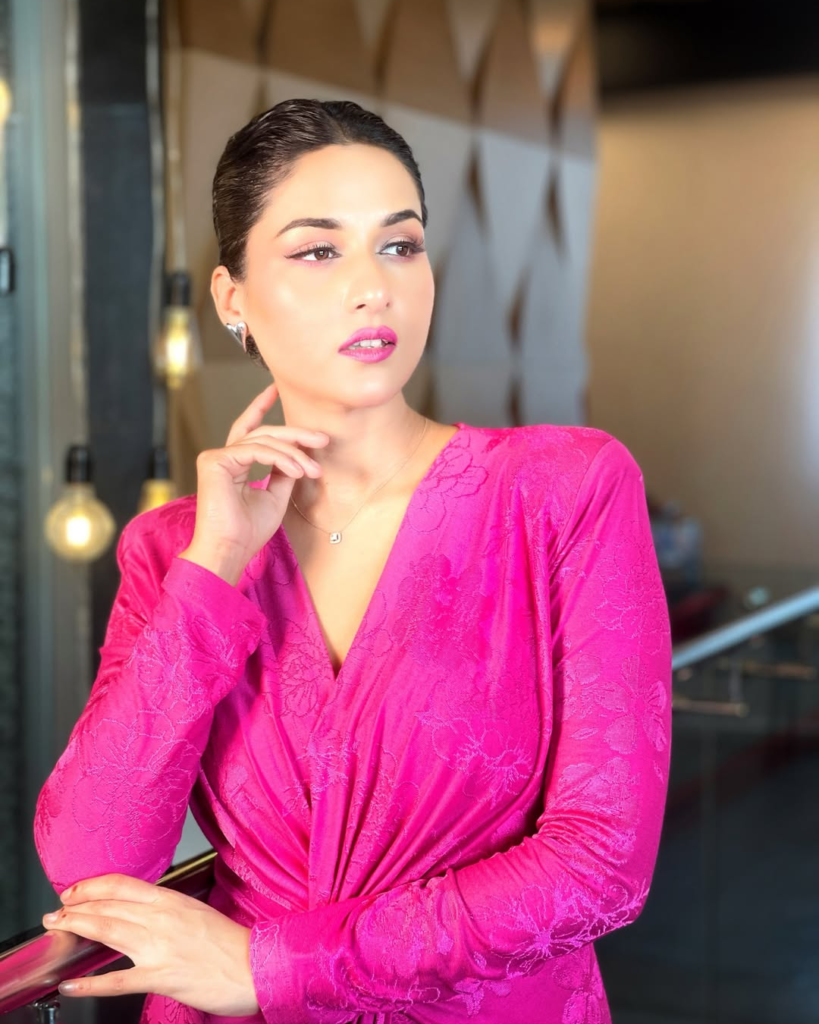
Arpita Arya has gained popularity for her fresh, modern style and energetic screen presence. She represents the new generation of Indian news anchors who combine journalism with digital-era fashion awareness.
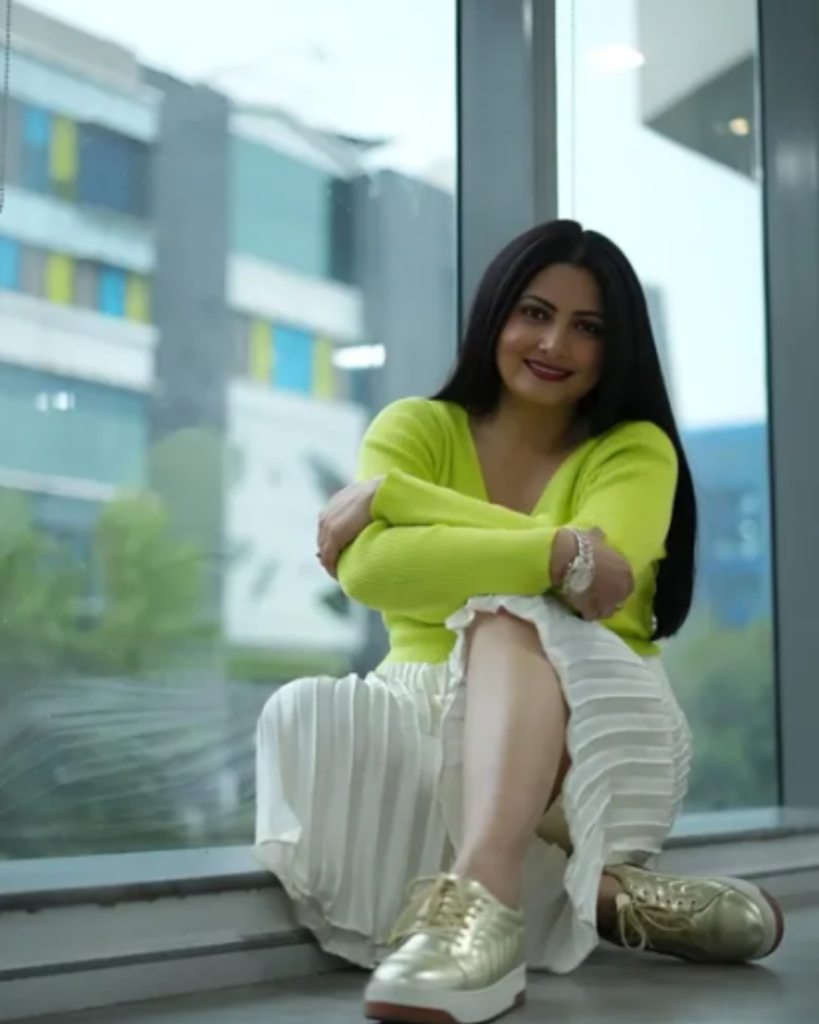
Faye D’Souza: Understated Urban Chic
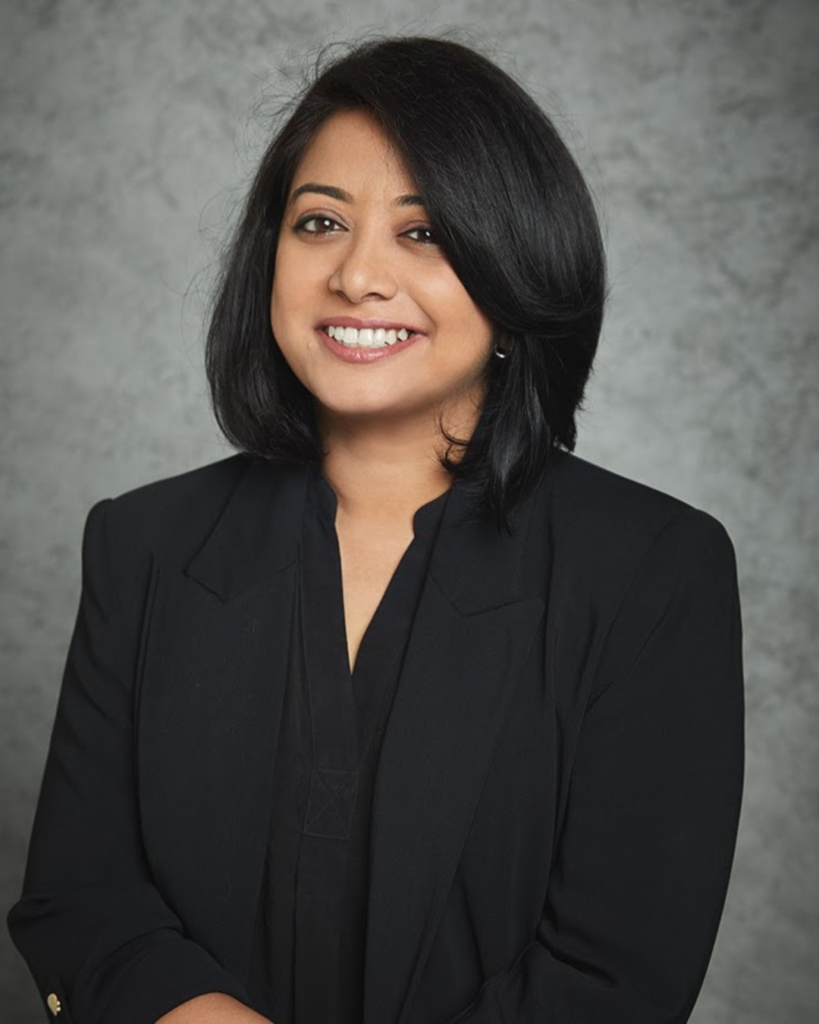
Faye D’Souza’s style is centered around simplicity, confidence, and contemporary professionalism. Her clean, minimalist fashion approach appeals to modern professionals.
Anjana Om Kashyap: Powerful Presence with Sharp Style
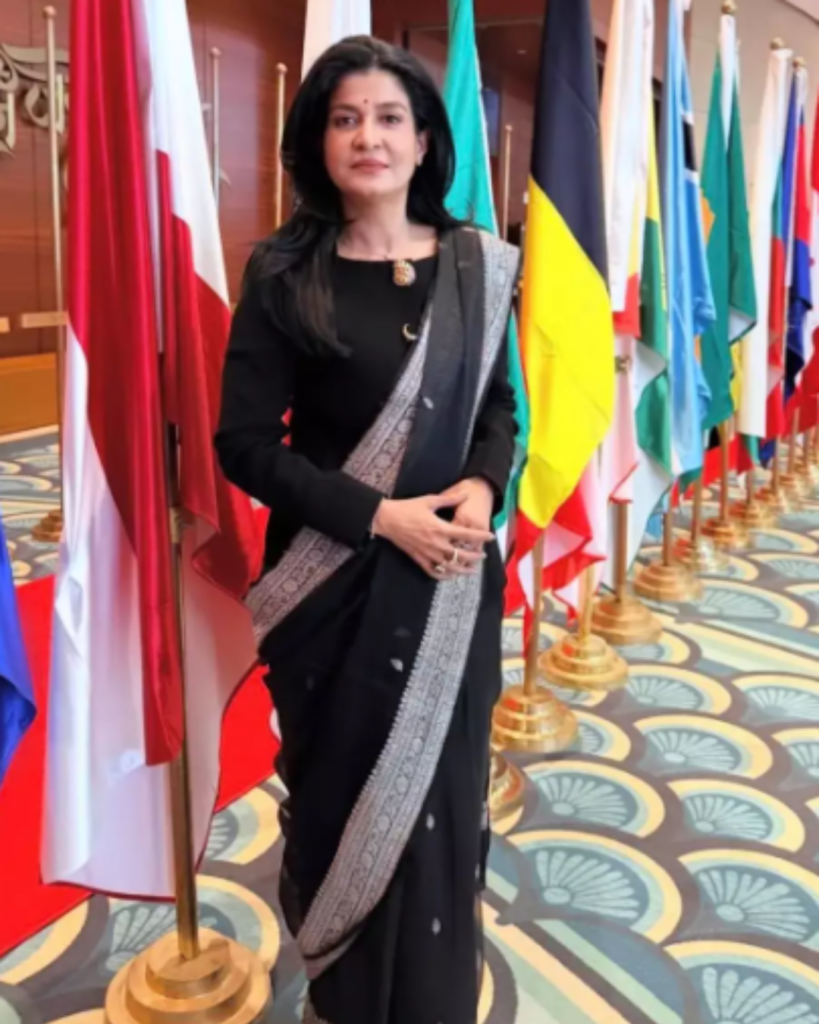
Known for her commanding voice and dynamic journalism, Anjana Om Kashyap carries a strong visual identity with polished formalwear and impactful styling.
Nidhi Razdan: Sophisticated Intellectual Style
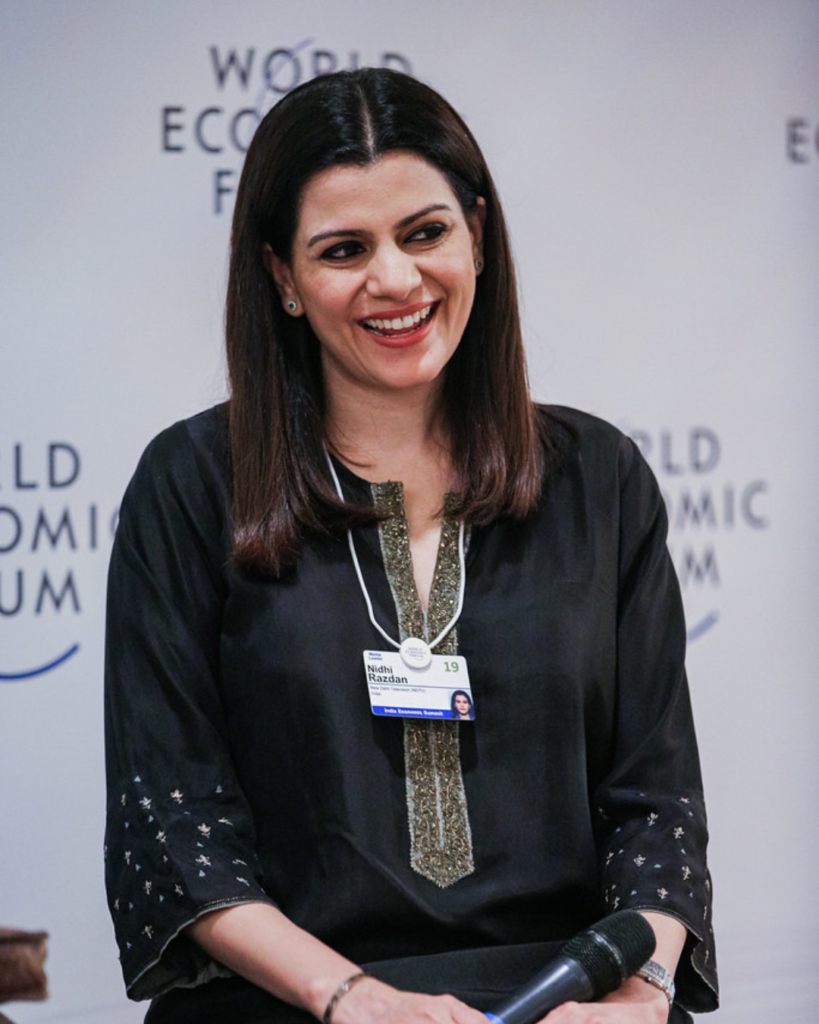
Nidhi Razdan combines journalistic excellence with understated elegance, often seen in graceful attire that reflects confidence and professionalism.
While style is important, the true strength of a news anchor lies in credibility, communication, and public trust. The most admired anchors are those who combine intelligence with elegance, proving that fashion can enhance professionalism rather than overshadow it.
The most stylish Indian news anchors are more than just fashionable faces on television — they are symbols of confidence, intelligence, and influence. From Shereen Bhan’s corporate grace to Mayanti Langer’s sporty sophistication, these anchors continue to shape both journalism and style culture in India.
As media evolves, the blend of fashion, authority, and authenticity will keep defining the next generation of Indian news personalities.
Also Read: Most Stylish Cricketers in the World
Beauty
Hottest Bollywood Moms Who Are Redefining Glam & Motherhood
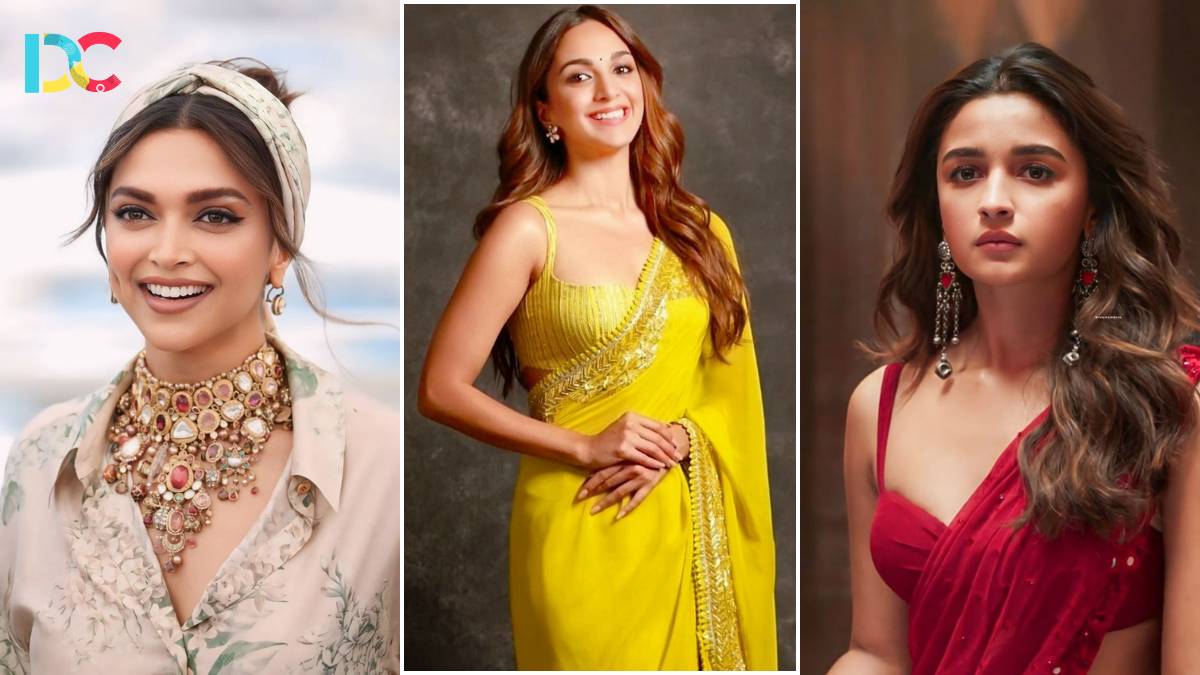
Bollywood moms are no longer staying low-key they’re dominating fashion, fitness, and social media while embracing motherhood. From new-age moms to timeless divas, these women prove that being a mom only makes you hotter, stronger, and more influential.
Kiara Advani
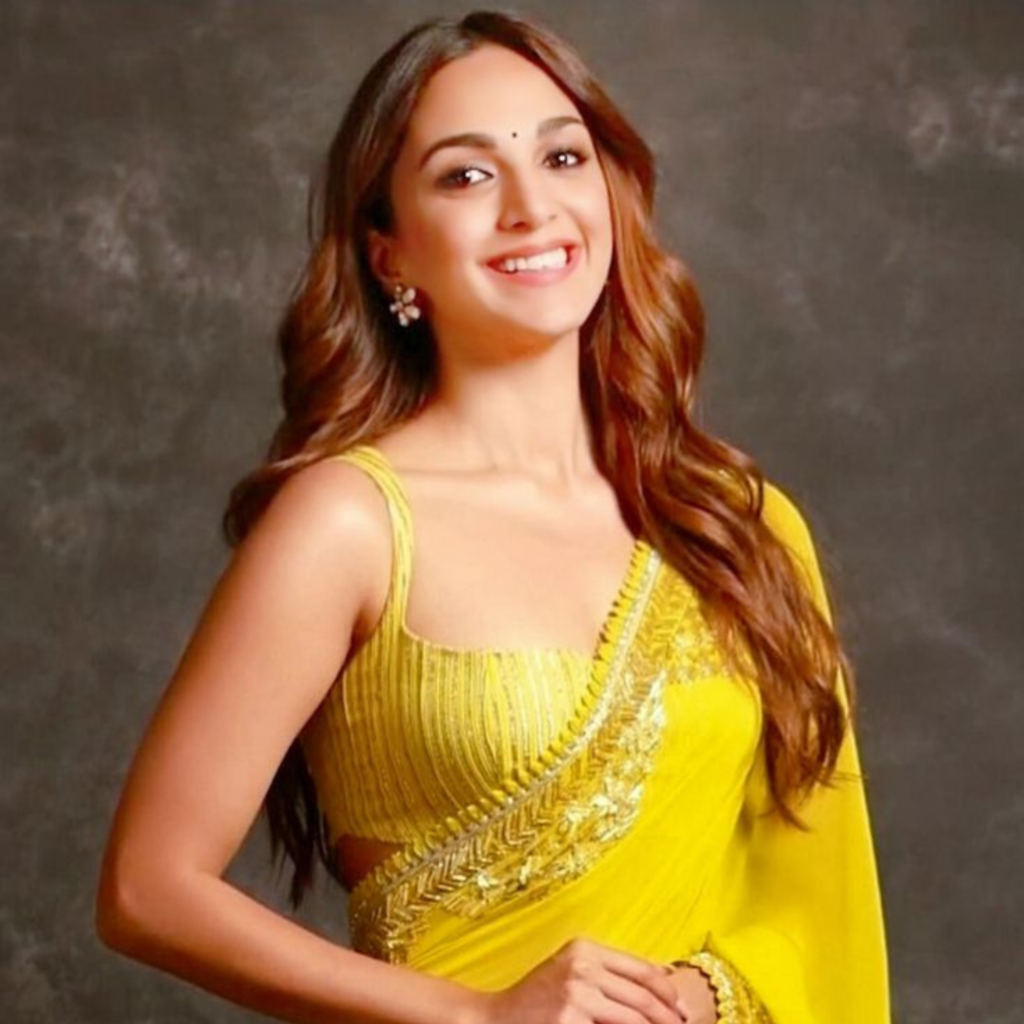
Kiara represents the modern Bollywood diva who blends elegance with effortless glam. As she steps into a new phase of her personal life, fans are eagerly watching her journey into motherhood and beyond. Known for her radiant beauty and polished fashion sense, Kiara’s presence is both fresh and aspirational. Her public appearances and subtle glimpses into her personal life continue to keep her in the spotlight, making her one of the most talked-about contemporary celebrity moms.
Deepika Padukone
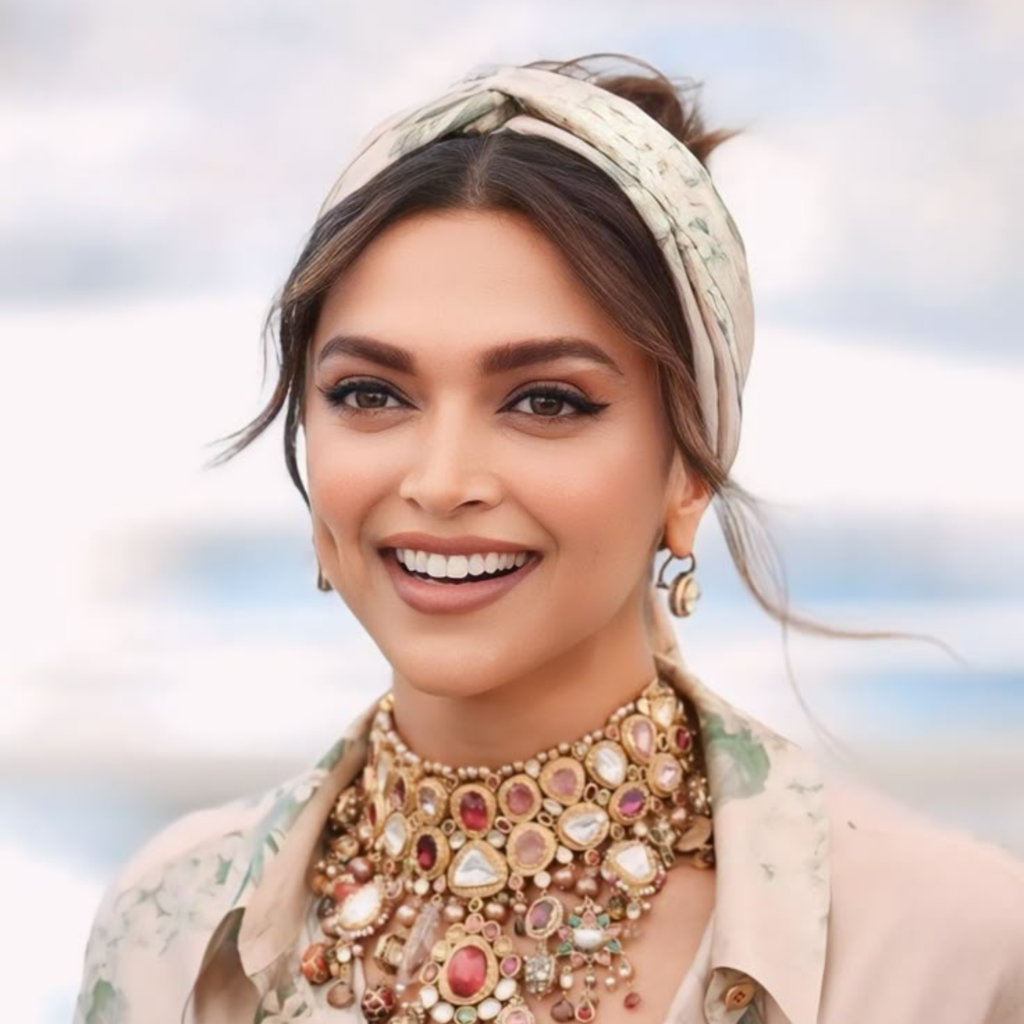
One of the most talked-about new moms, Deepika has stepped into motherhood while maintaining her powerful global image. After welcoming her baby in 2024, she has kept much of her personal life private, making every rare appearance even more special for fans. Her calm personality and sophisticated style continue to define modern motherhood in Bollywood.
Alia Bhatt
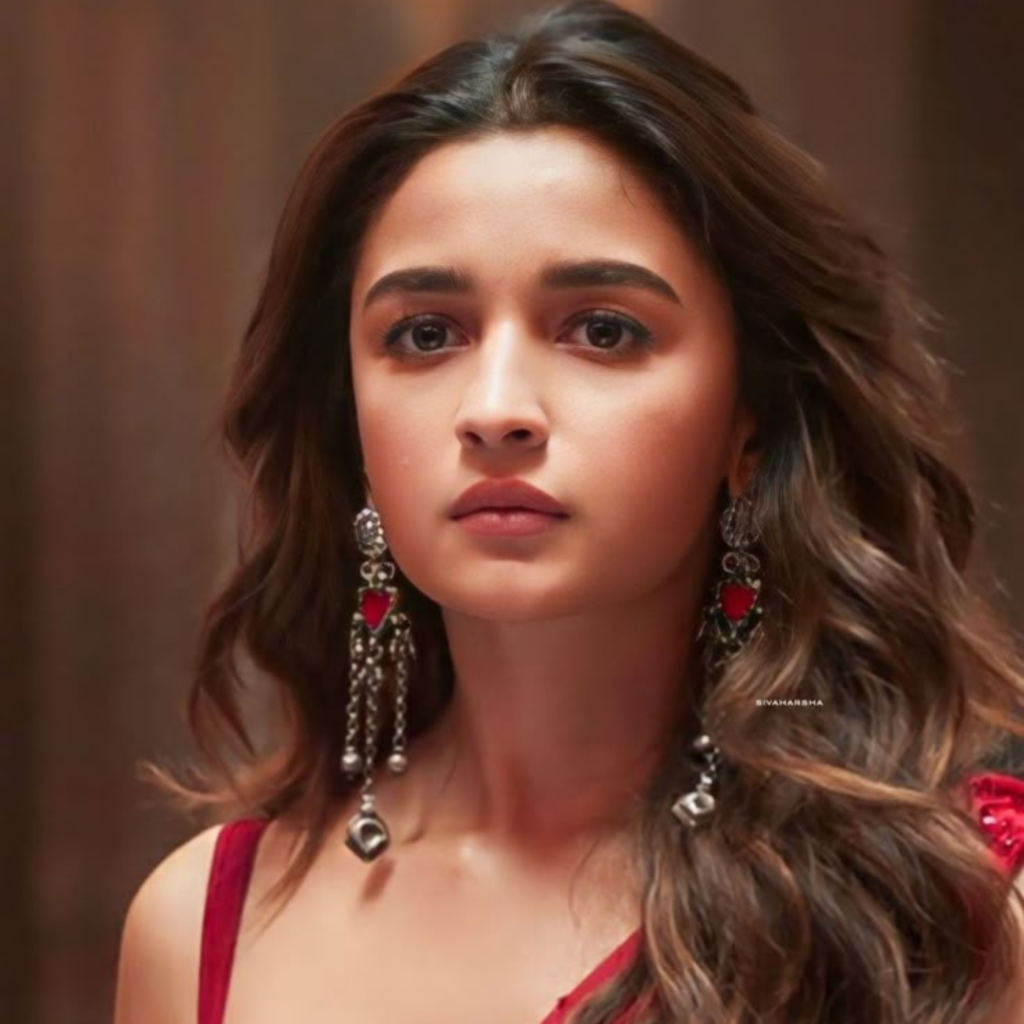
Alia represents the new generation of Bollywood moms who are both relatable and stylish. As a mother to Raha Kapoor, she often shares subtle glimpses of her life that resonate with young audiences. Her journey into motherhood feels authentic and emotional, while her fashion choices and public appearances keep her firmly in the spotlight.
Katrina Kaif
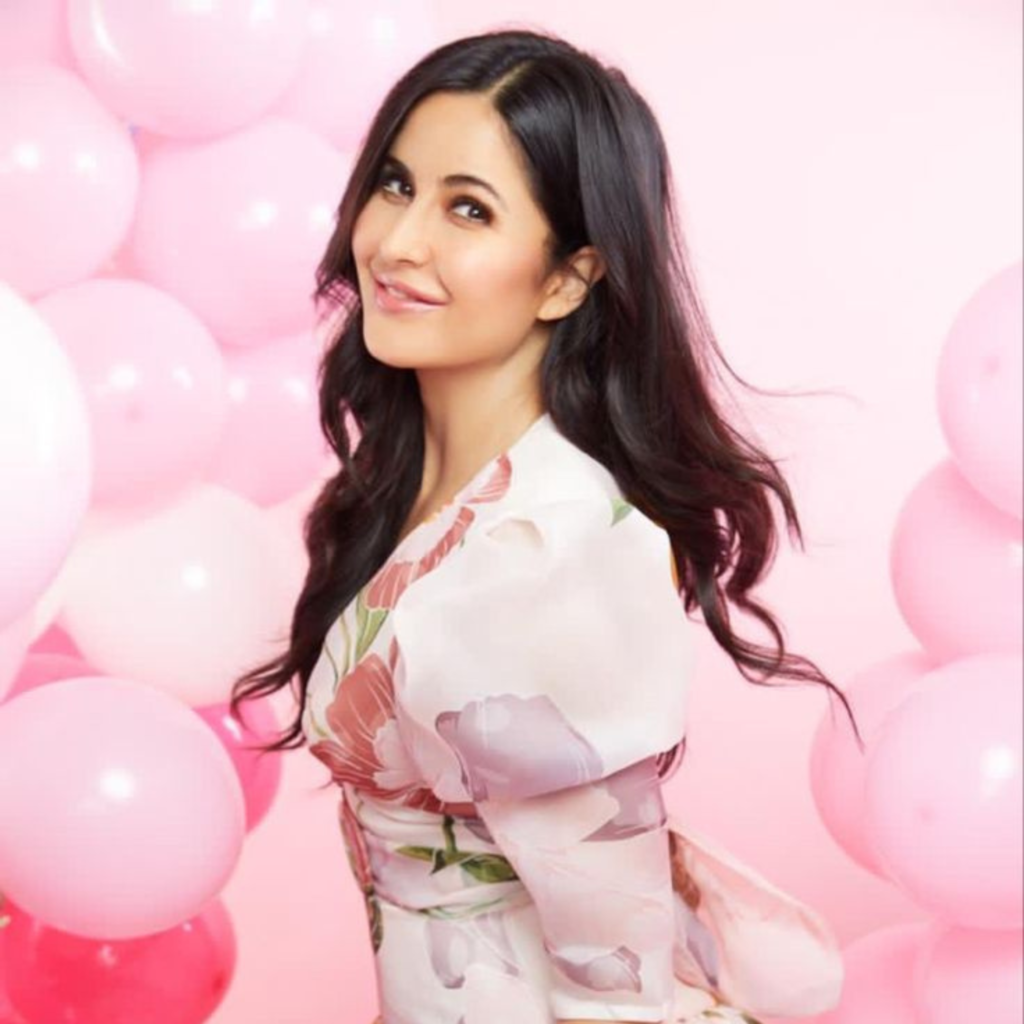
Katrina embodies grace, discipline, and timeless beauty, making her one of Bollywood’s most admired women. While she maintains a relatively private personal life, her transition into this new chapter has only increased public curiosity and admiration. Known for her fitness, minimalistic style, and calm demeanor, Katrina’s aura reflects a perfect blend of strength and sophistication, positioning her as a modern icon of elegance and motherhood.
Anushka Sharma
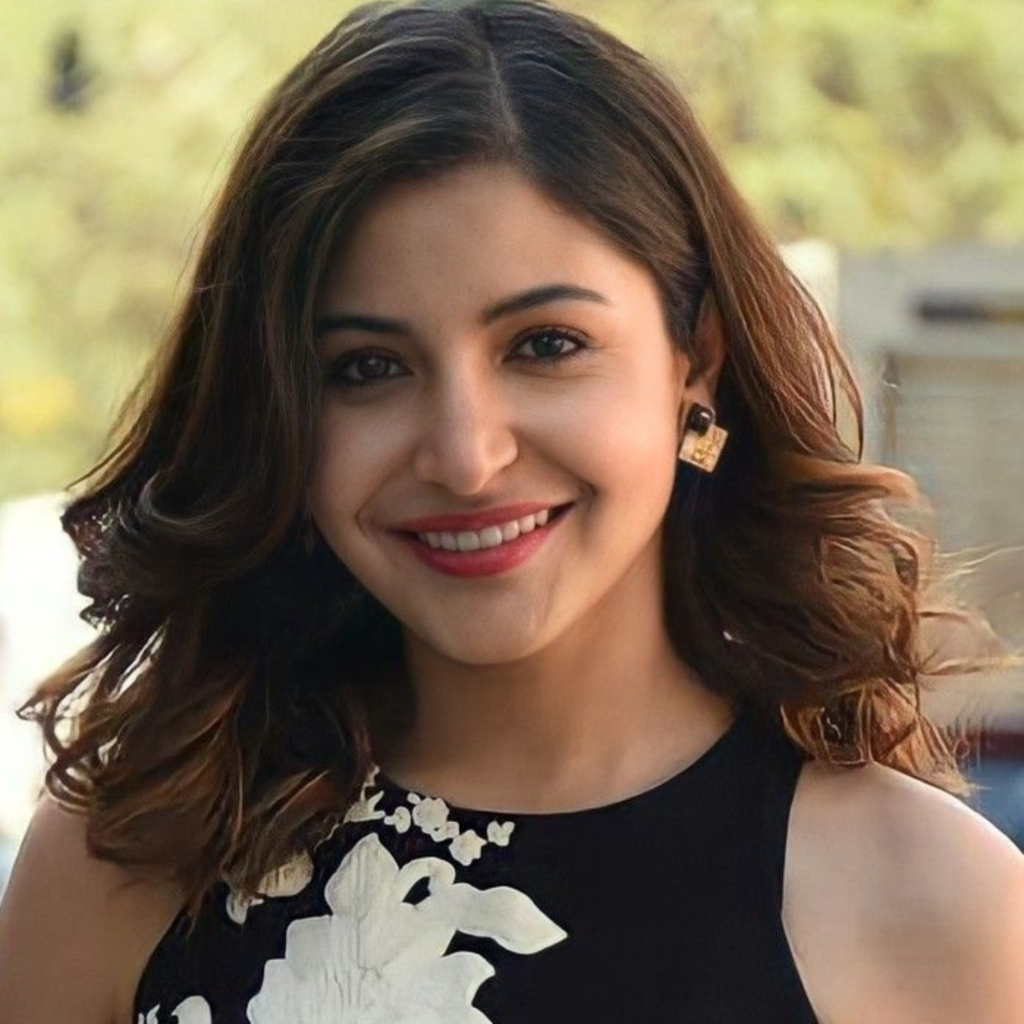
Known for her minimal and natural beauty, Anushka embraces motherhood with a calm and grounded approach. As a mother to Vamika and Akaay, she consciously keeps her children away from the public eye, prioritizing privacy over attention. Her rare but meaningful updates reflect a peaceful balance between personal life and stardom.
Athiya Shetty
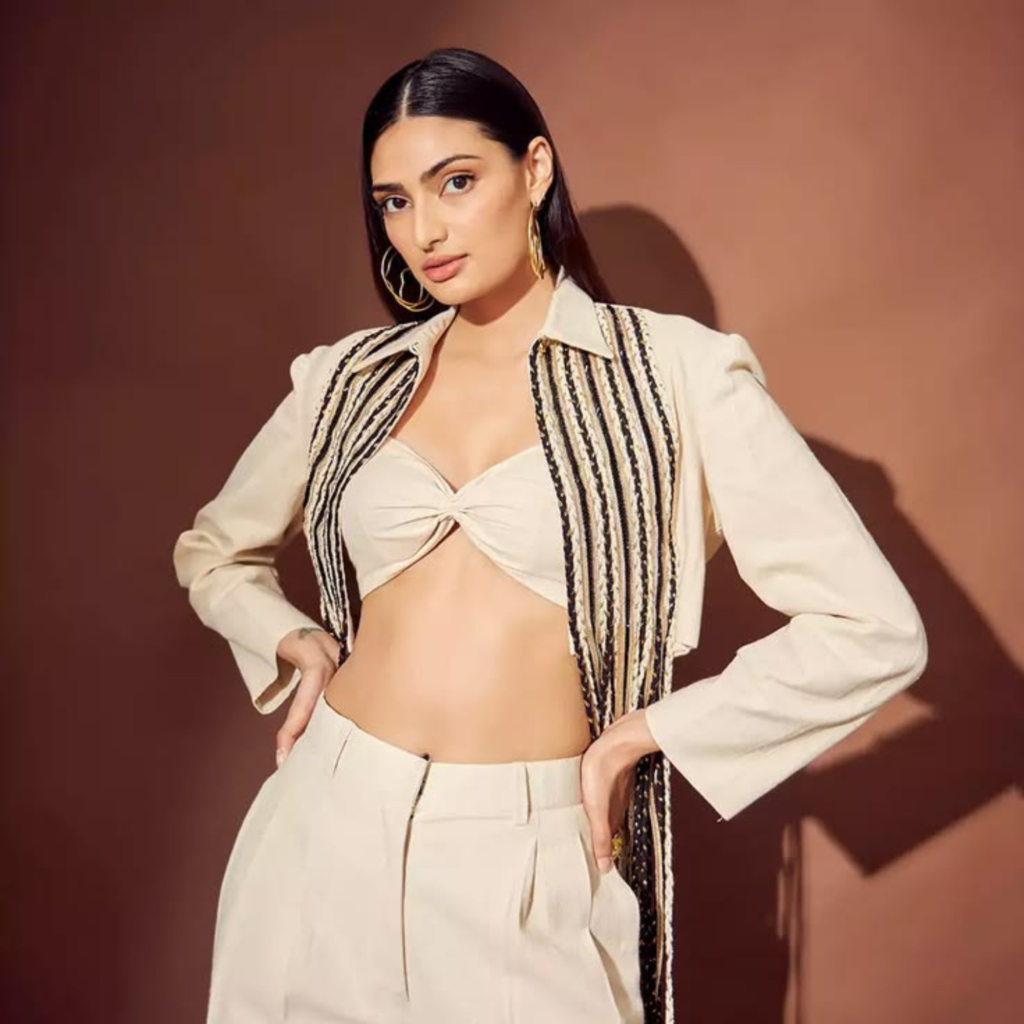
Athiya is among the newest moms in Bollywood, bringing a sense of understated luxury and elegance to motherhood. After welcoming her baby, she has kept things low-key, sharing only limited glimpses of her journey. Her soft aesthetic and refined style make her one of the most intriguing modern celebrity moms to watch.
Parineeti Chopra
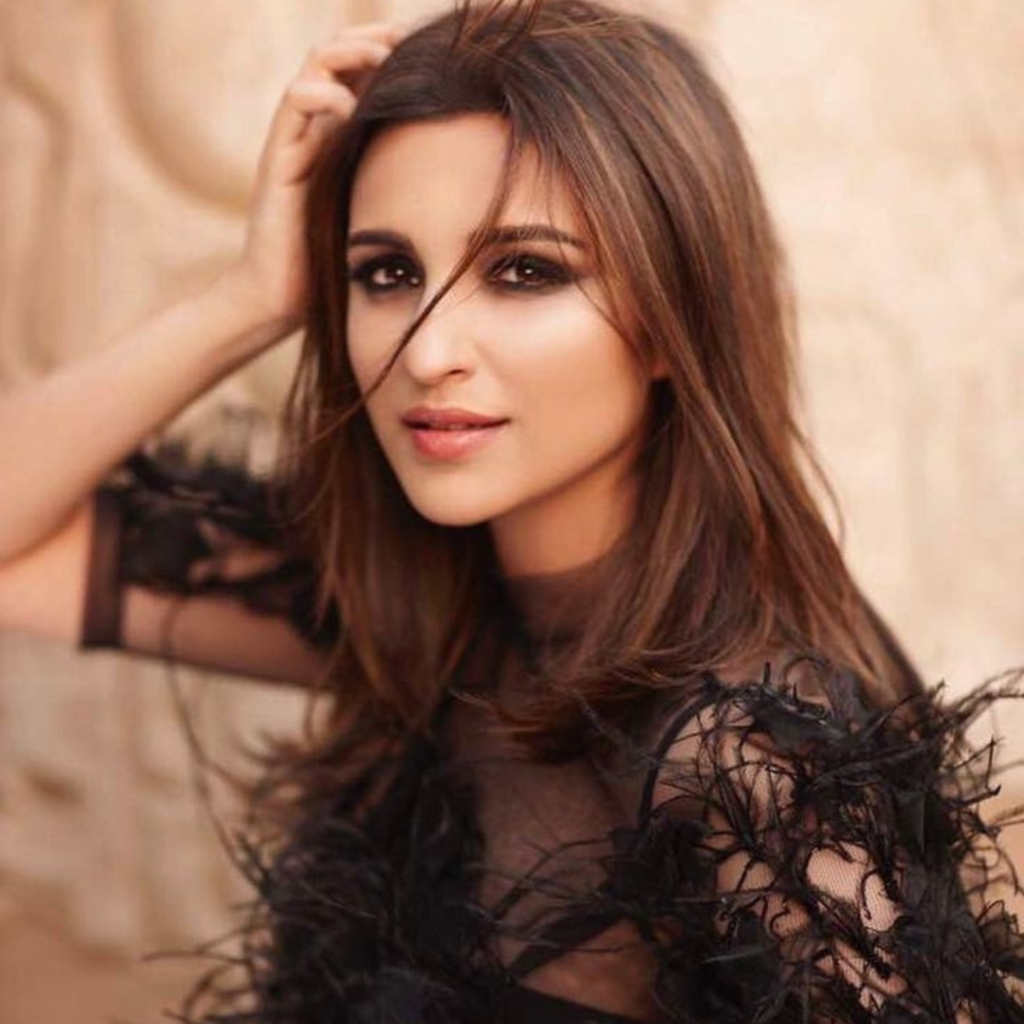
Parineeti has undergone a noticeable transformation over the years, and as she steps into a new phase of life, fans are closely watching her motherhood journey. Her evolving style, confidence, and fresh energy signal a new chapter that blends personal growth with public presence.
Kareena Kapoor Khan
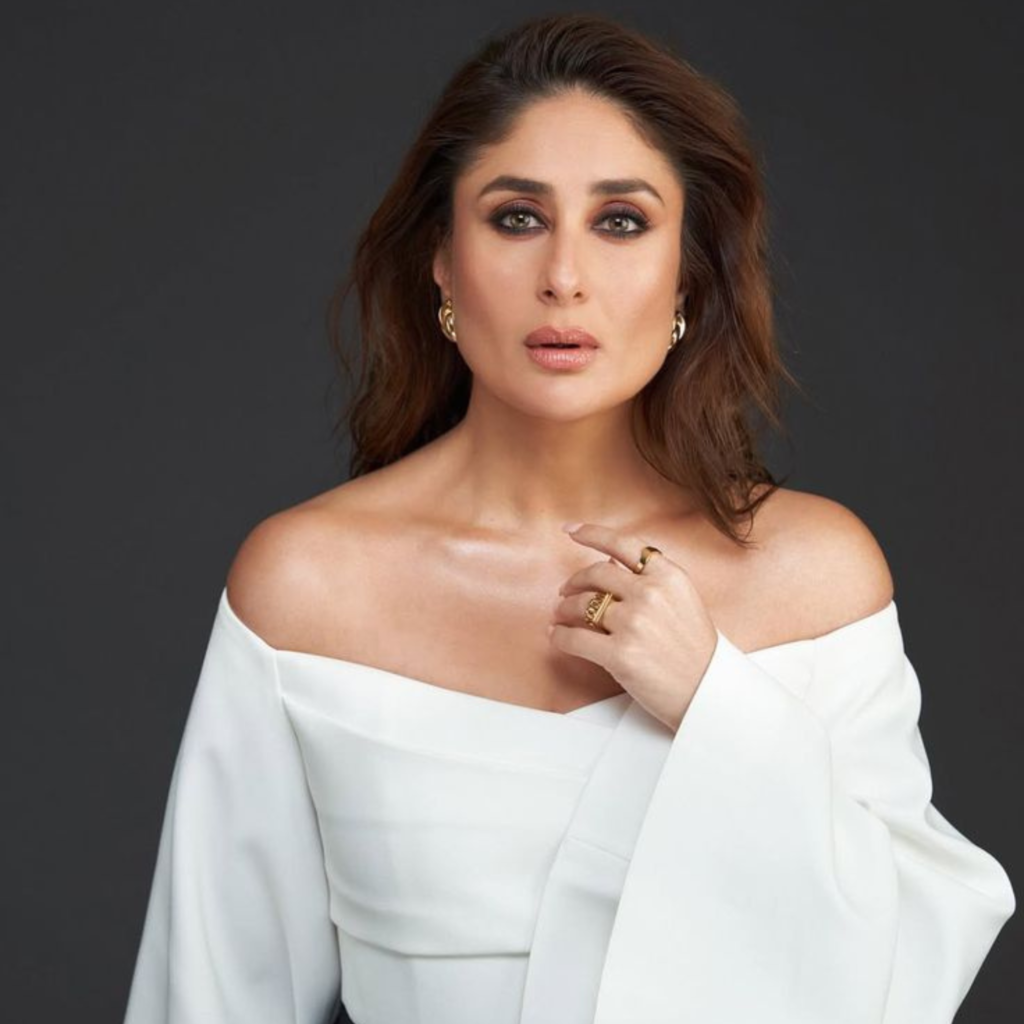
Still the OG of glam moms, Kareena continues to rule with effortless style and unmatched confidence even after embracing motherhood. A mother to Taimur Ali Khan and Jeh Ali Khan, she has turned everyday outings into viral moments, especially with paparazzi capturing her bond with her sons. From redefining pregnancy fashion to maintaining her star presence, Kareena proves that motherhood and glamour go hand in hand.
Malaika Arora
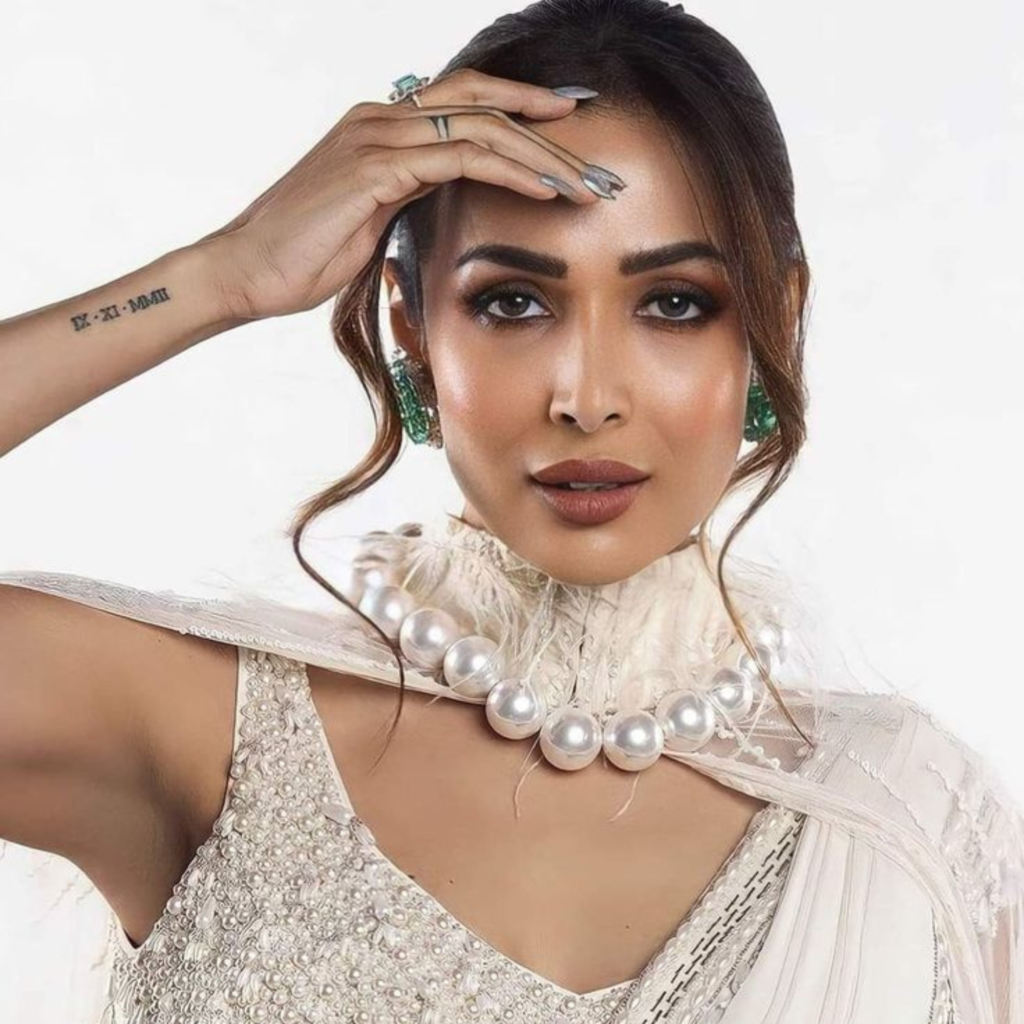
Malaika is the ultimate fitness inspiration who continues to redefine age and motherhood. As a mother to Arhaan Khan, she often shares glimpses of her life that balance intense workout routines with fun, relaxed moments with her son. Her bold fashion choices and disciplined lifestyle make her one of the hottest and most admired moms in Bollywood.
Shilpa Shetty
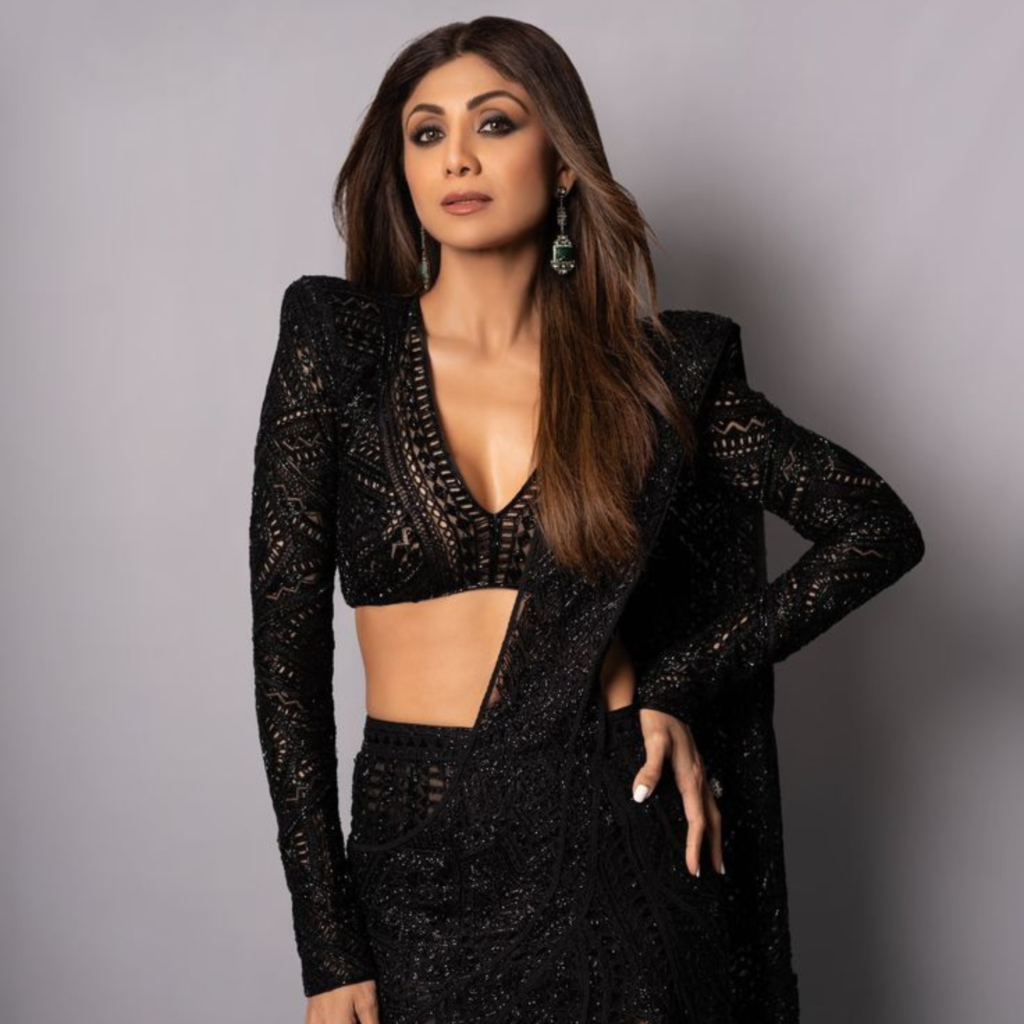
A timeless beauty, Shilpa effortlessly blends elegance with sensual charm while managing family life with grace. As a mother to Viaan Raj Kundra and Samisha Shetty Kundra, she often shares joyful family moments, from festive celebrations to playful videos. Her dedication to yoga and wellness reflects in both her lifestyle and the values she passes on to her children.
Aishwarya Rai Bachchan
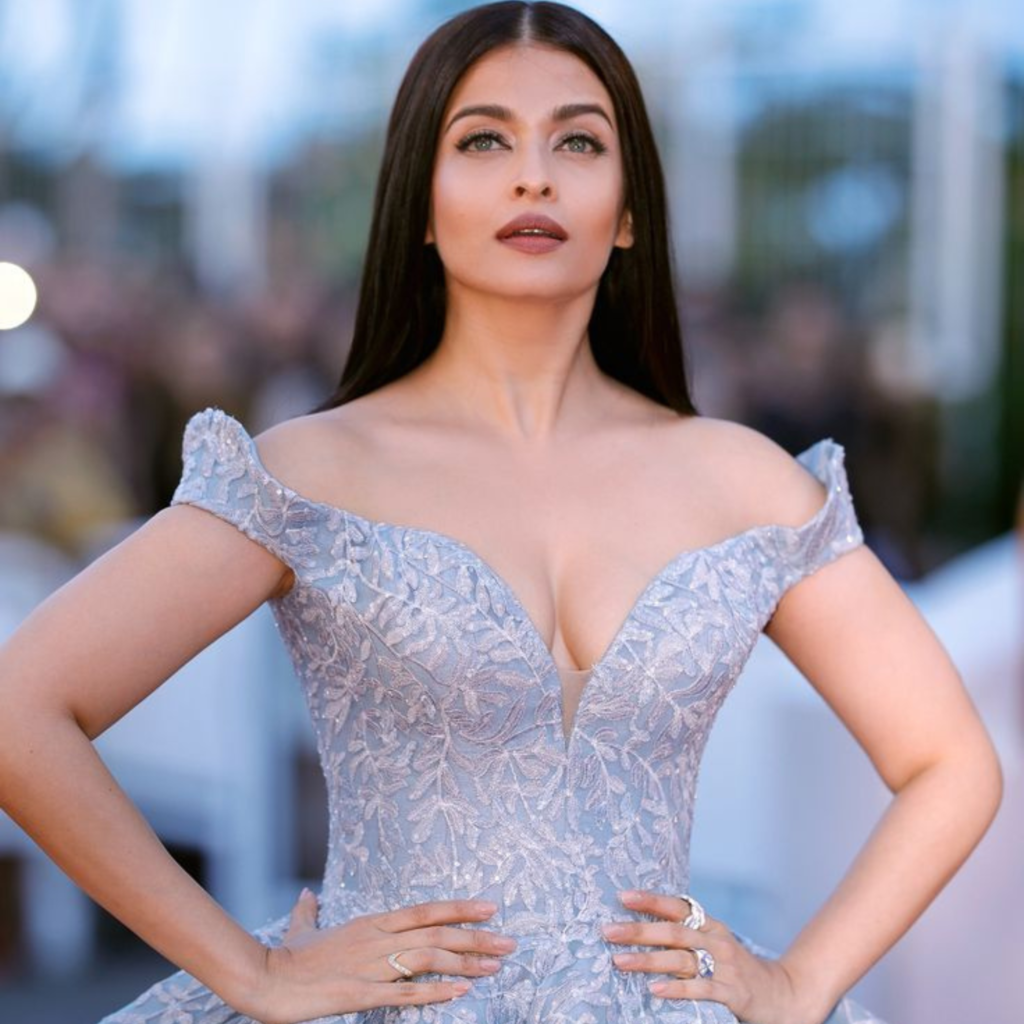
A global beauty icon, Aishwarya carries motherhood with unmatched grace and dignity. As a devoted mother to Aaradhya Bachchan, she is often seen by her daughter’s side at events and public appearances, showcasing a deeply protective and loving bond. Even today, her timeless beauty and elegant presence continue to captivate audiences worldwide.
Neha Dhupia
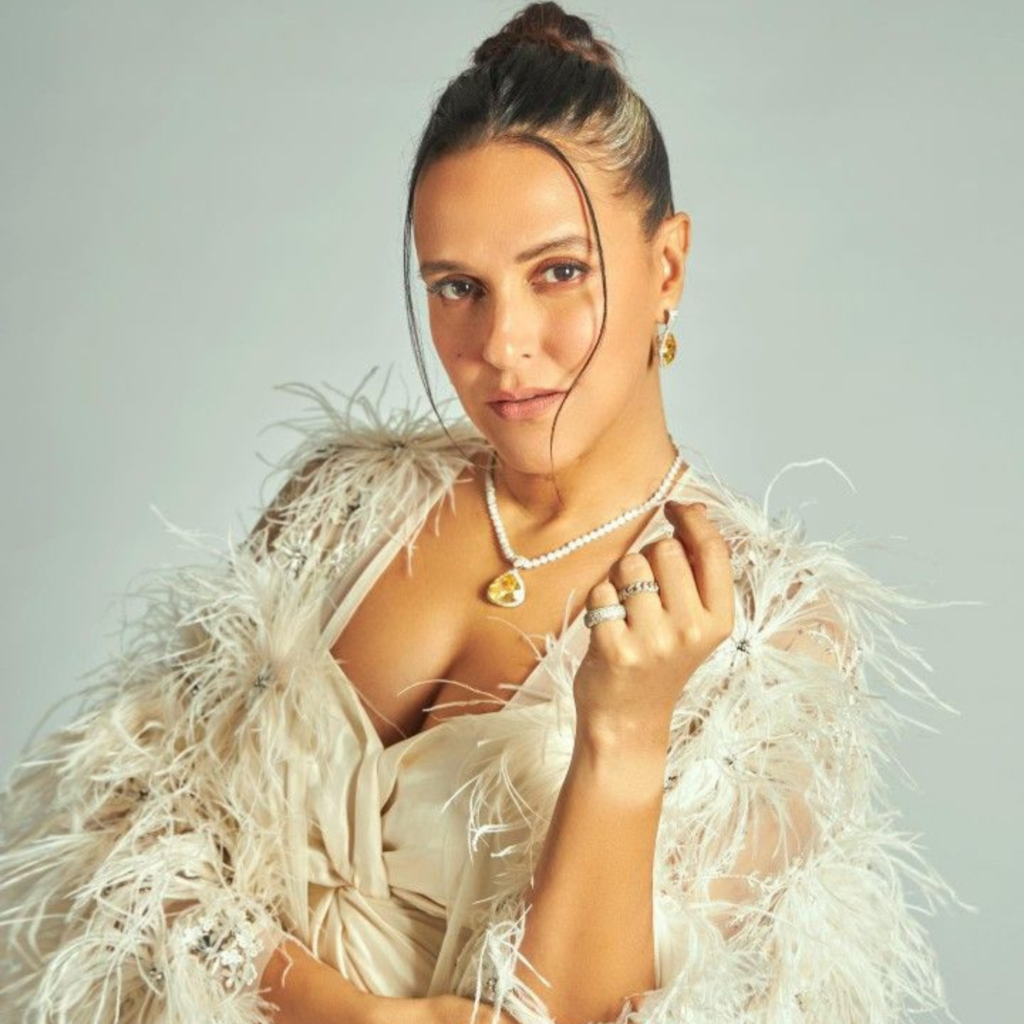
Neha brings a bold and honest voice to modern motherhood. As a mother to Mehr Dhupia Bedi and Guriq Singh Dhupia Bedi, she often speaks openly about the realities of parenting, making her incredibly relatable. Whether it’s family outings or candid conversations, Neha’s authenticity sets her apart.
Today’s Bollywood moms are not just celebritiesthey are influencers shaping conversations around parenting, fitness, fashion, and self-confidence. Their ability to balance glamorous careers with real-life responsibilities makes them both aspirational and relatable.
Also Read: Top Beauty Trends 2026: From Clean Girl to Bold Glam

Best Indian Designers Redefining Global Luxury

Most Stylish Social Media Stars: Digital Fashion Icons Defining 2026

The Dark Side of Fake Spirituality on Social Media

Top 5 Most Dangerous Zodiac Signs Based on Their Personality Traits

Most Iconic FIFA World Cup Jerseys of All Time

Why Aquarius Signs Are Visionaries Ahead of Their Time

Shakira and FIFA World Cup: From Waka Waka to Dai Dai 2026

The Rise of Spiritual Luxury Travel: Retreats, Wellness & Culture

Top Female Entrepreneurs Who Started as Influencers

Signs You’re Going Through a Spiritual Awakening
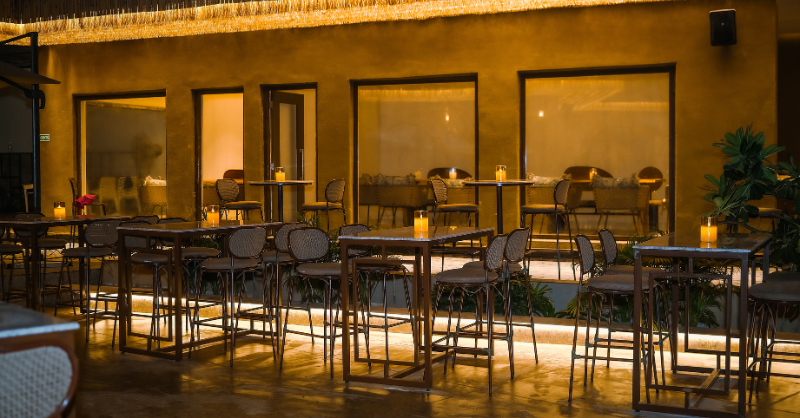
Dorsia, Gurgaon’s One Of The Biggest BYOBs
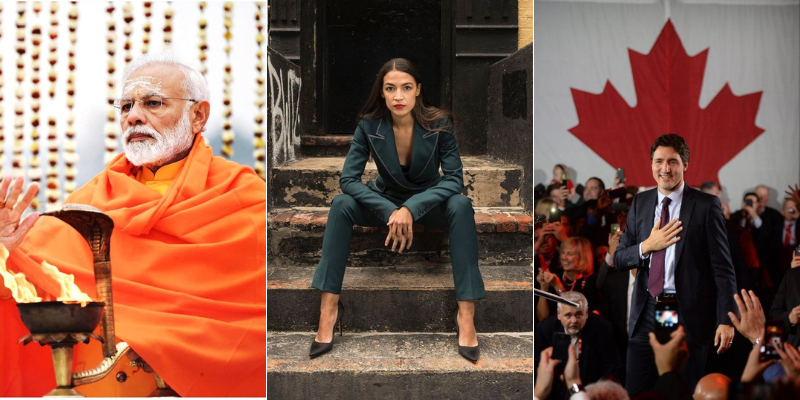
Top 10 Best Dressed Politicians In The World

Breaking the Mold: How Demon Slayer Redefines the Shonen Genre?
15 Best Quotes Of Toy Story About Friendship.

Sabrina Carpenter’s Man’s Best Friend and the Politics of Pop Imagery

The NOU Walk Of Life : New Talk of Town in Luxury Footwear
Emerging Fashion Designers India Contest Wraps Up in the Most Spectacular Fashion
The Most Memorable Highlights from the 2025 Academy Awards
Kaftans: The New Festive Staple Taking Over Indian Wardrobes

Are Live-Action Adaptations a Risky Bet for Studios?
-
 Entertainment7 months ago
Inside the Creator Economy: Who’s Making Millions in 2026?
-
 Events6 months ago
Top 10 Best Dressed Female Politicians in the World
-
 Horoscope6 months ago
Why Scorpio Is So Attractive And Hard to Handle
-
 Fashion6 months ago
Best Mother’s Day Gifts 2026
-

 Events7 months ago
7 Ways to Make Your Mom Feel Special This Mother’s Day
-
 Beauty5 months ago
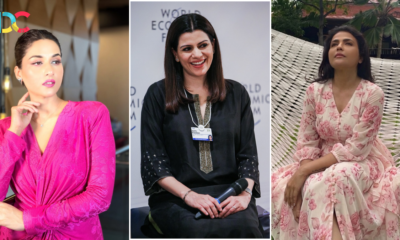
Most Stylish Indian Female News Anchors Who Redefine Glamour & Journalism
-
 Horoscope6 months ago
The Dark Side of Every Zodiac Sign
-
 Horoscope5 months ago
Why Scorpio Are Magnetic in Love and Leadership
Pingback: Your Wardrobe Might Be Reflecting a Recession - The Pop Culture Revolution