
Social
Revelations from the Justice Hema Report: A Call for Systemic Change in Malayalam Film Industry
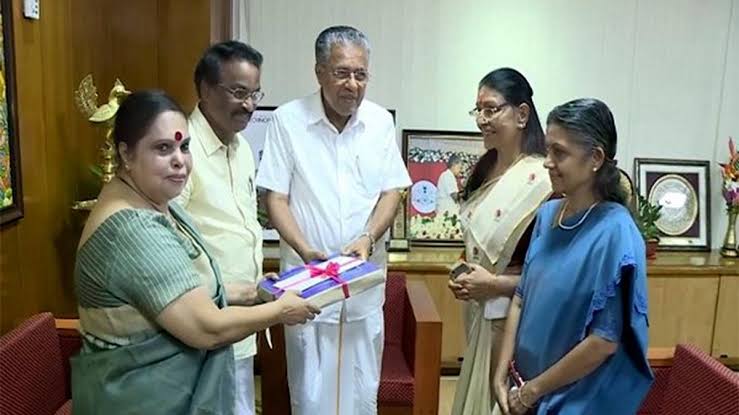
The Justice Hema Committee Report has revealed deep-seated issues of sexual misconduct and male dominance within the Malayalam Film Industry. The report has led to the resignation of top figures from the Association of Malayalam Movie Artists (AMMA) and initiated a critical call for reforms.
The Malayalam film industry has been in the conversations lately, especially after the release of the Justice Hema Committee report. The report has shaken not just the industry but the entire country, revealing deep-seated issues of sexual misconduct and a male-dominated power structure that many had suspected but few had spoken about openly.
At a time when protests against sexual violence are erupting across the nation, the Malayalam film industry finds itself at the center of a storm. The Justice Hema Committee report, which came to light recently, has brought to the surface a culture of harassment that seems to be ingrained in the very fabric of the industry. But what exactly is this report that everyone’s talking about?
The Formation of the Justice Hema Committee
It all began when the Kerala government, in response to a petition from the Women in Cinema Collective (WCC), set up the Justice Hema Committee. The petition followed the shocking incident in 2017, where actor Dileep was accused of assaulting an actress. The committee was chaired by Justice K. Hema, a retired Kerala High Court Judge, and included veteran actress Sarada and retired IAS officer K.B. Valsala Kumari. Their mandate was to dig deep into the issues of sexual harassment and gender inequality that had been whispered about for years but never fully exposed.
What they found was both heartbreaking and infuriating. Sexual harassment, it turns out, is not an occasional misstep by a few bad cases but a common and persistent issue in the Malayalam film industry. Women in the industry are often subjected to inappropriate demands, whether from actors, producers, or directors. One actress bluntly shared, “The demand for sex can come from anyone in the industry.” And it’s not just adult women who are at risk; the report highlighted that even minors are not spared from this predatory behavior.
Male-Dominated Power Structures
The report also exposed the male-dominated nature of the industry, which creates a power dynamic that men in control can exploit to manipulate and control women’s careers. It’s a “Boys’ Club,” where decisions are often made in late-night meetings that, as one woman recounted, can quickly spiral into inappropriate behavior fueled by alcohol. These informal settings, where vulgar jokes with sexual undertones become the norm, are where the real power play happens.
The Dire Situation for Female Artists in the Industry
For aspiring female artists, the situation is even more dire. They are frequently asked how far they are willing to go to secure a role, with their careers hanging in the balance based on their response. One aspiring actress described it as a “deal-breaker” if she hesitated to comply with such demands. The absence of formal contracts only exacerbates this exploitation, leaving women vulnerable to sudden changes in terms and conditions with no legal recourse. The absence of formal contracts only exacerbates this exploitation, leaving women vulnerable to sudden changes in terms and conditions with no legal recourse.
Silencing the Victims
The fear of retaliation is another powerful silencing tool. Many women remain quiet, terrified of being blacklisted or facing further harassment if they dare to speak out. One insider warned, “If you don’t keep quiet, they’ll ruin you.” This fear isn’t just confined to the workplace; it spills over into online spaces where powerful men can mobilize fan clubs to attack women with vulgar language and even pornographic images. The mental toll of this relentless harassment is severe. Anxiety, isolation, and a constant sense of dread are common among women in the industry. “You’re always on edge, always looking over your shoulder,” one woman admitted, capturing the pervasive fear that haunts many.
The Fallout
The fallout from the report has been swift. Several actors have come forward with their own allegations, adding fuel to the fire. Notable among these are accusations against senior Malayalam director Thulasidas, who has been accused of late-night harassment by actors Sridevika and Geetha Vijayan. The allegations have led to mass resignations within the Association of Malayalam Movie Artists (AMMA), including high-profile figures like its president, Mohanlal, and other executive committee members.
Divide in the Industry
Prominent actors like Prithviraj and Parvathy have also voiced their criticism of AMMA’s response to the growing number of allegations. Prithviraj pointed out the need for stronger interventions, while Parvathy expressed concern over the lack of Internal Complaints Committees during film shoots, despite it being a legal requirement. Their comments underscore the growing demand for accountability and change within the industry.
However, not everyone is on the same page. Actor-turned-politician Suresh Gopi, now with the BJP, has dismissed the allegations as mere fodder for the media, urging people to let the courts decide. His comments reflect the deep divide within the industry on how to address these issues.
A Need for Systemic Change
The Justice Hema Committee report doesn’t just point fingers; it also calls for meaningful reforms. The report emphasizes the urgent need for creating safe working environments for women, the implementation of formal contracts, and the establishment of reliable grievance redressal mechanisms. A senior actress put it succinctly: “We need a complete overhaul.” As the industry grapples with the revelations from the Justice Hema Committee report, it stands at a crossroads. The path forward requires more than just words; it demands action and a commitment to ensuring that the Malayalam film industry becomes a safe and equitable space for all.
Follow us for more updates @Discultured
Lifestyle
The Dark Side of Fake Spirituality on Social Media
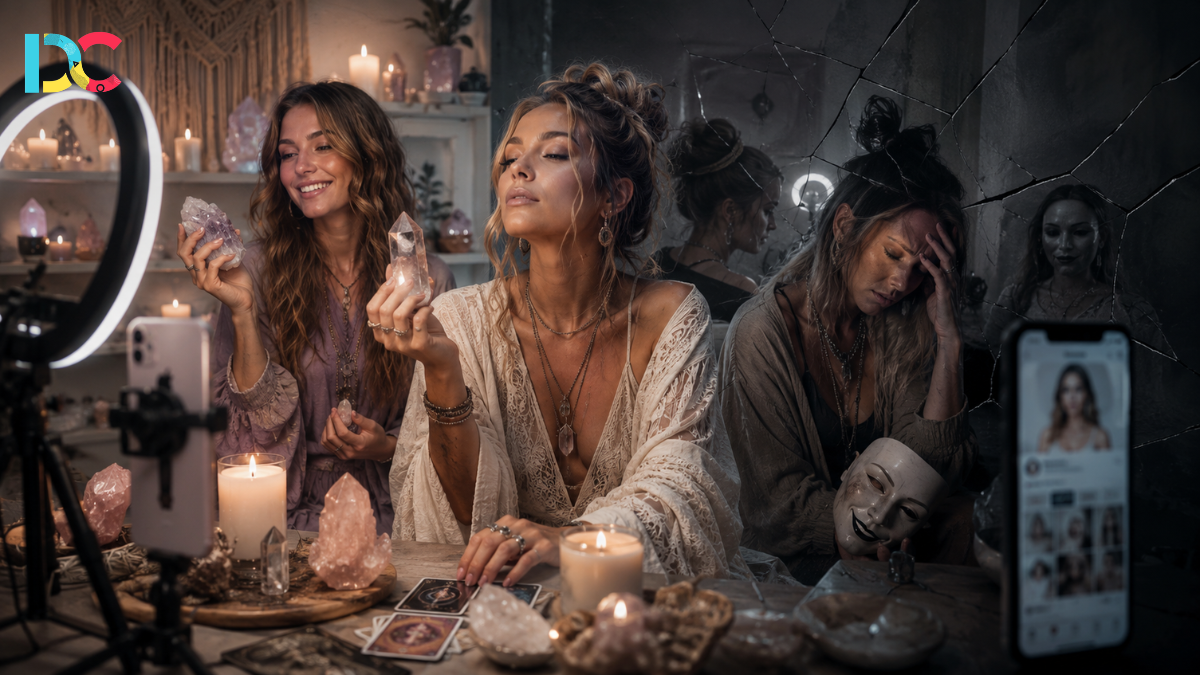
Spirituality on social media often looks peaceful, positive and inspiring. But behind the healing quotes, manifestation videos and “high-vibration” lifestyles, there can be manipulation, false promises and emotional exploitation.
When Spirituality Becomes a Performance
Many influencers present a perfectly healed and spiritually awakened version of themselves online. Their content makes followers believe that sadness, anger or anxiety are signs of weak energy.
Real spirituality does not demand constant positivity. It allows people to experience difficult emotions without shame.
The Rise of Fake Spiritual Gurus
Fake spiritual gurus often promise instant healing, love, wealth or success through paid courses, readings and rituals. They may use fear and emotional vulnerability to convince followers to keep spending money.
Warning signs include:
- Guaranteed results
- Expensive healing programmes
- Pressure to buy immediately
- Claims of having special powers
- Blaming followers when results do not appear
Toxic Positivity and Spiritual Bypassing
Statements like “just stay positive” or “everything happens for a reason” can dismiss real pain.
This is known as spiritual bypassing—using spiritual ideas to avoid grief, trauma, anger or personal responsibility. Healing is not about ignoring pain. It is about understanding and processing it.
Spiritual Narcissism
Some influencers use spirituality to appear superior. They call themselves “awakened” while labelling others as negative or unevolved.
They may reject criticism, demand blind trust and use spiritual language to avoid accountability. Genuine spirituality encourages humility, not superiority.
How to Protect Yourself
Before trusting a spiritual influencer:
- Question unrealistic claims
- Check their background and qualifications
- Avoid making major decisions based on viral videos
- Be careful of creators who constantly sell solutions
- Never replace professional medical or mental-health support with online advice
The dark side of fake spirituality on social media is not always easy to notice. It often hides behind beautiful visuals, motivational quotes and promises of a better life.
Real spirituality should make you more aware, independent and compassionate. It should never make you fearful, financially dependent or ashamed of being human.
Also Read: Top 5 Most Dangerous Zodiac Signs Based on Their Personality Traits
Fashion
Most Iconic FIFA World Cup Jerseys of All Time
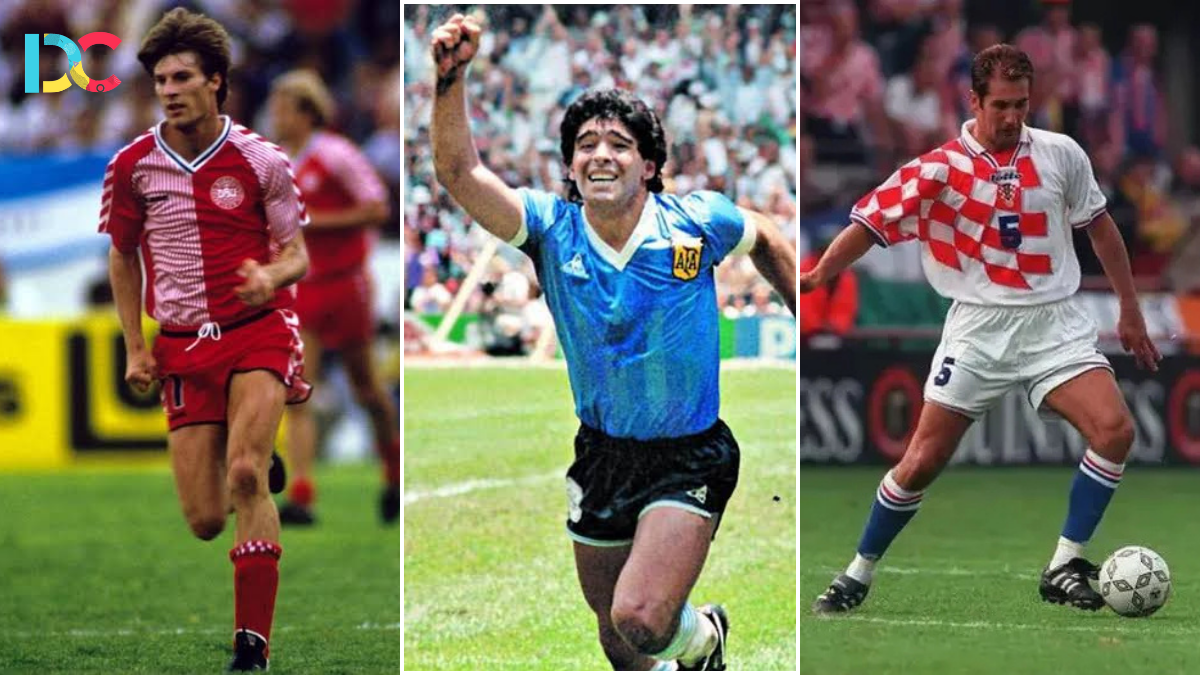
Football jerseys are more than sporting uniforms. They represent national identity, unforgettable matches and generations of football memories.
Some FIFA World Cup jerseys became legendary because their teams lifted the trophy. Others earned cult status through bold designs, cultural references or their connection with iconic players. From Pelé’s yellow Brazil shirt to Nigeria’s streetwear-inspired 2018 kit, these are the most iconic FIFA World Cup jerseys of all time.
1. Brazil 1970 Home Jersey
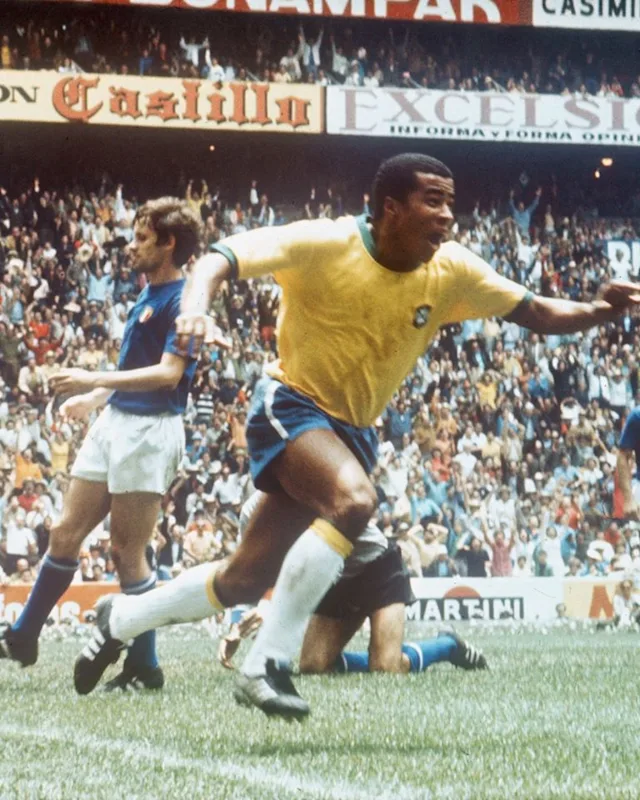
Brazil’s yellow and green 1970 World Cup jersey is arguably the most recognisable football shirt ever created.
Its simple yellow body, green collar and blue shorts became permanently associated with Pelé, Jairzinho, Carlos Alberto and one of the greatest teams in football history. Brazil won its third World Cup title in this kit after defeating Italy in the final.
The timeless colour combination remains central to Brazil’s football identity, making the Brazil 1970 jersey one of the best World Cup kits of all time.
2. England 1966 Red Jersey
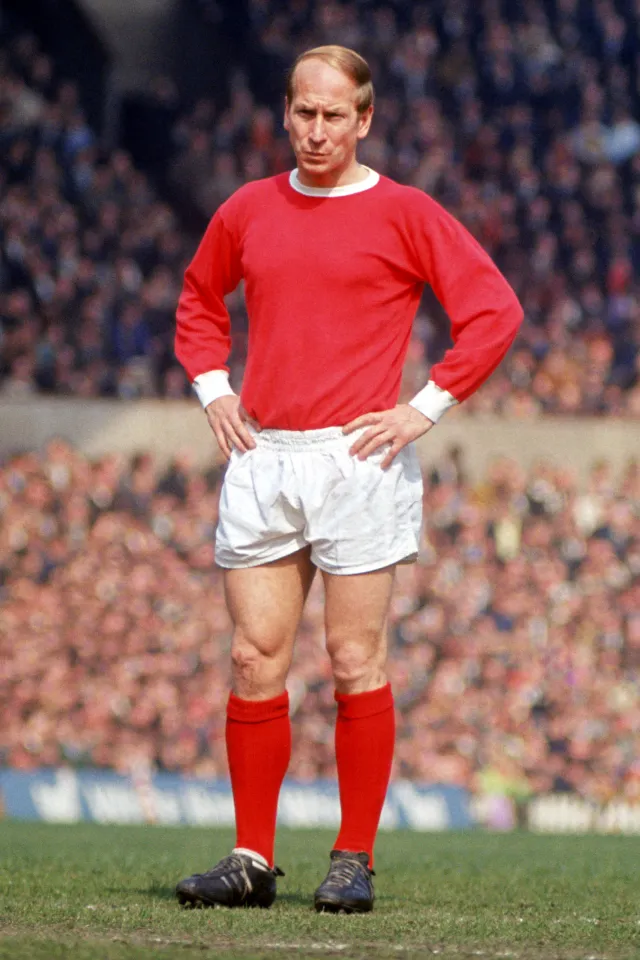
England usually play in white, but the country’s greatest football moment came while wearing red.
England wore its red away jersey during the 1966 World Cup final against West Germany at Wembley. Geoff Hurst scored a historic hat-trick as England won 4–2 and lifted its first World Cup trophy.
Because of that victory, the minimalist red shirt with the Three Lions badge continues to hold a special place among classic football shirts.
3. Netherlands 1974 Home Jersey
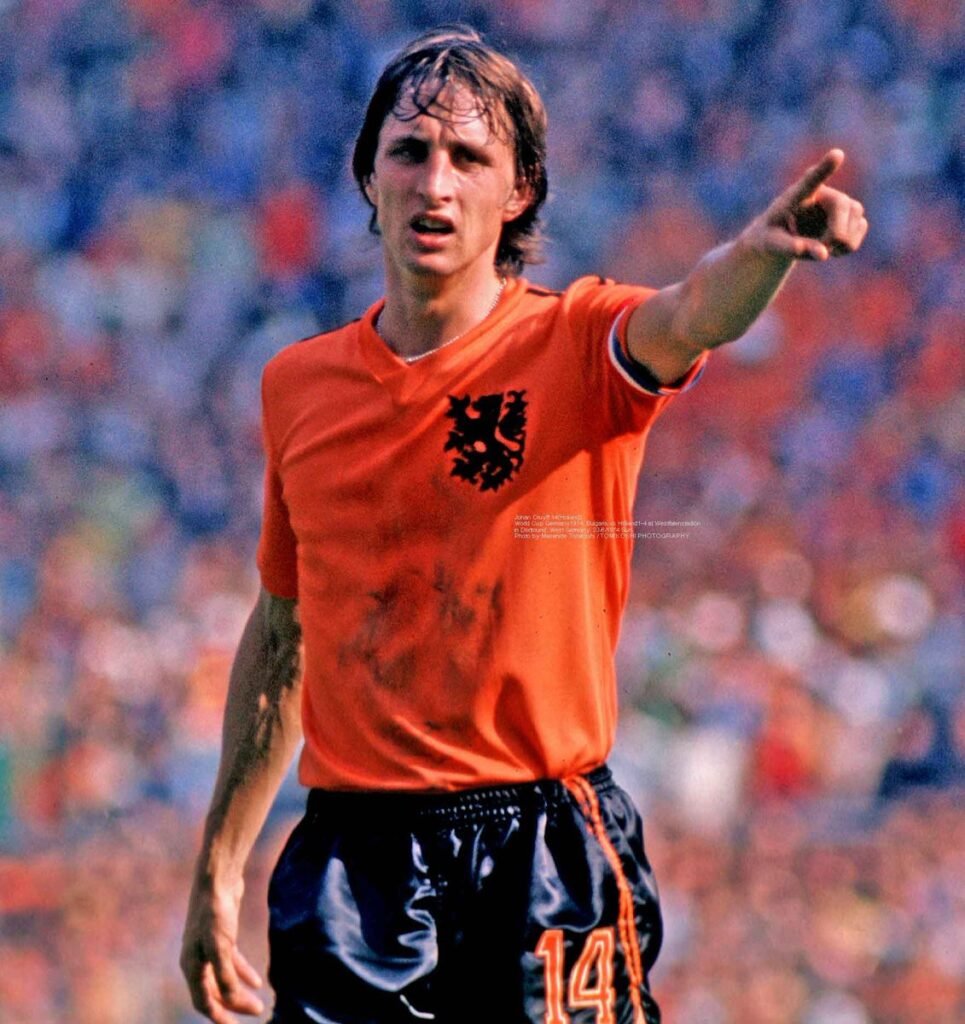
The bright orange Netherlands jersey from the 1974 World Cup became a symbol of Total Football.
Led by Johan Cruyff, the Dutch team captivated supporters with its movement, creativity and attacking philosophy. Although the Netherlands lost the final to West Germany, its orange shirt became almost as famous as the team’s revolutionary playing style.
The Netherlands 1974 jersey proves that a team does not have to win the World Cup to create an unforgettable football legacy.
4. Argentina 1986 Away Jersey
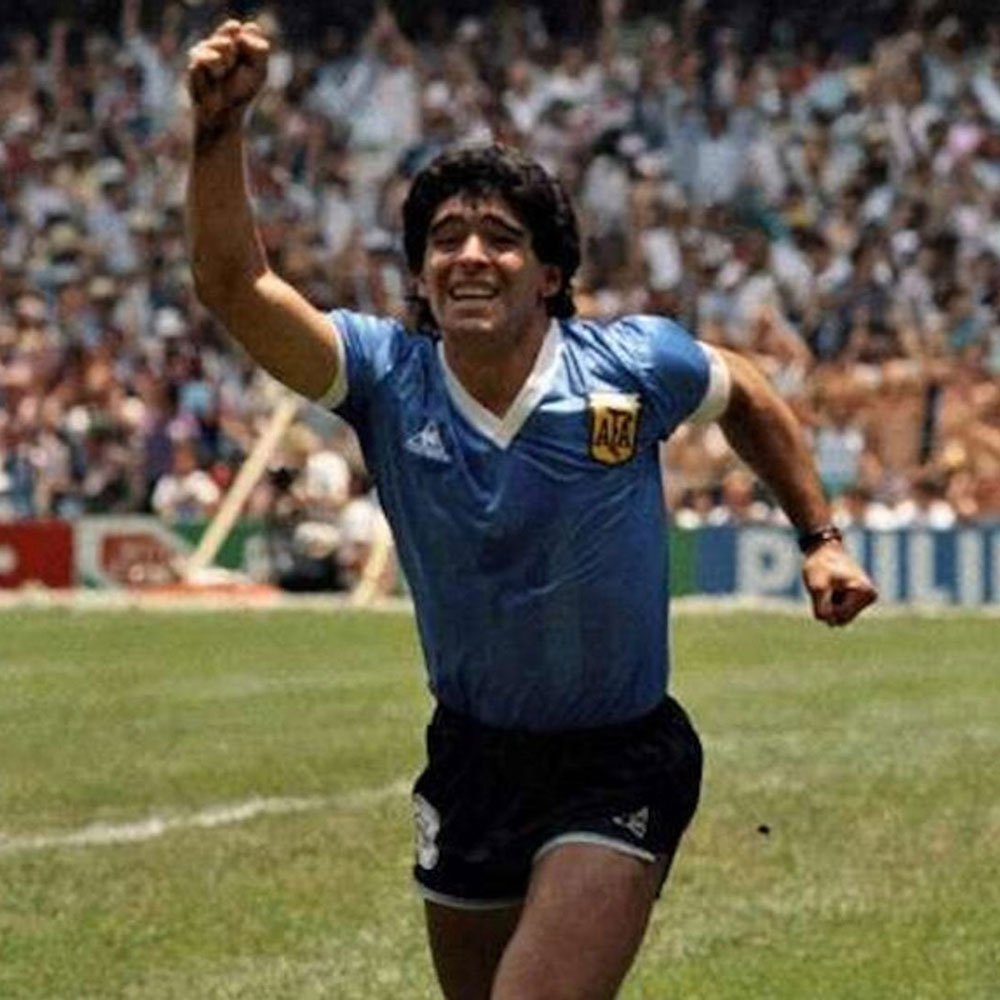
Argentina’s blue 1986 World Cup shirt will always be connected with Diego Maradona’s extraordinary performance against England.
Maradona wore the jersey while scoring both the controversial “Hand of God” goal and the spectacular strike later voted the “Goal of the Century”. Argentina eventually won the tournament, with Maradona establishing himself as one of football’s greatest players.
Its deep blue colour, white stripes and association with a legendary match make the Argentina 1986 jersey an essential part of World Cup history.
5. Denmark 1986 Home Jersey
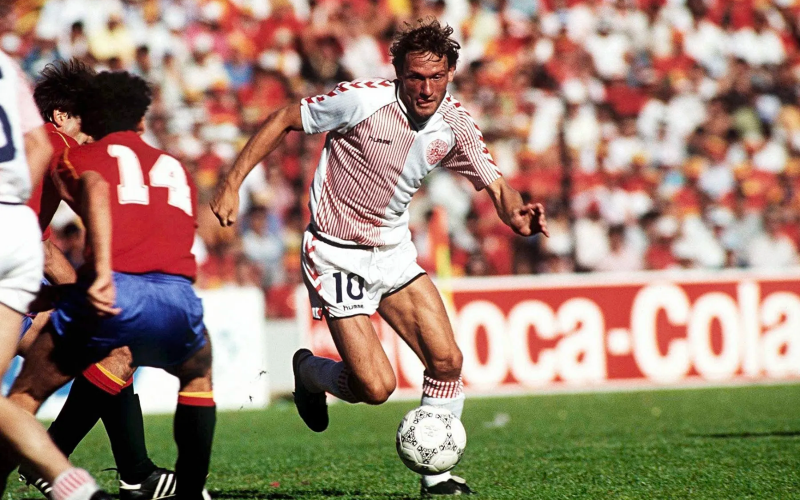
Denmark’s 1986 World Cup jersey remains one of football’s most daring designs.
Created by Hummel, the shirt featured one solid-red half and another covered with red-and-white pinstripes. The contrasting panels and chevron-covered sleeves made it unlike anything else being worn at the tournament.
Denmark impressed supporters with its attacking football in Mexico, while the unusual jersey became a favourite among retro football shirt collectors.
6. West Germany 1990 Home Jersey
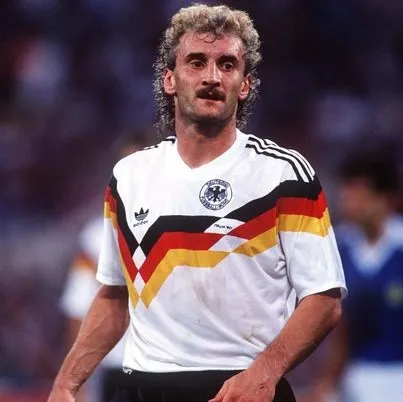
The West Germany 1990 World Cup kit combined a clean white base with a dramatic geometric pattern in black, red and gold.
Players such as Lothar Matthäus and Jürgen Klinsmann wore the shirt as West Germany defeated Argentina in the final and secured its third World Cup title.
The bold national-colour graphic influenced several future German kits. It also reached the final of a BBC fan poll to determine the greatest World Cup jersey, narrowly losing to Brazil’s 1970 shirt.
7. United States 1994 Away Jersey
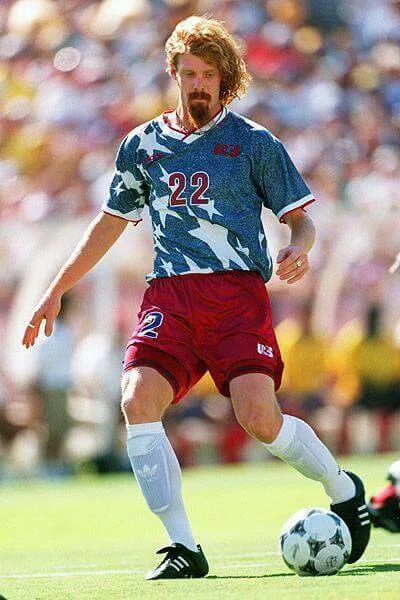
Few World Cup football shirts divided opinion like the United States’ 1994 away jersey.
Designed to resemble washed denim, the blue shirt was covered with large white stars. The unusual design reflected the bold visual culture of the 1990s and gave the host nation a distinctive identity.
Initially criticised by some supporters, the USA 1994 denim jersey later became a cult classic and one of the most sought-after retro soccer jerseys.
8. Mexico 1998 Home Jersey
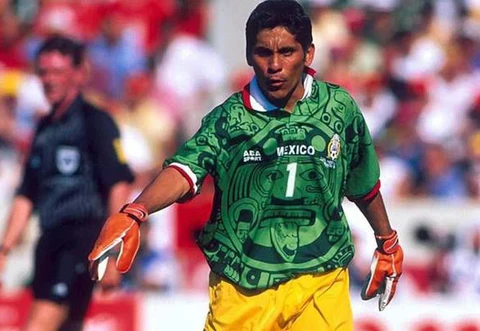
Mexico’s 1998 World Cup jersey successfully combined football design with national heritage.
The green shirt featured a detailed pattern inspired by the Aztec Sun Stone, creating one of the most culturally distinctive kits ever seen at a World Cup. Designed by Mexican manufacturer ABA Sport, it immediately stood apart from the simpler jerseys worn by many other teams.
The Mexico 1998 jersey remains popular with collectors and continues to influence modern Mexican football kits.
9. Croatia 1998 Home Jersey
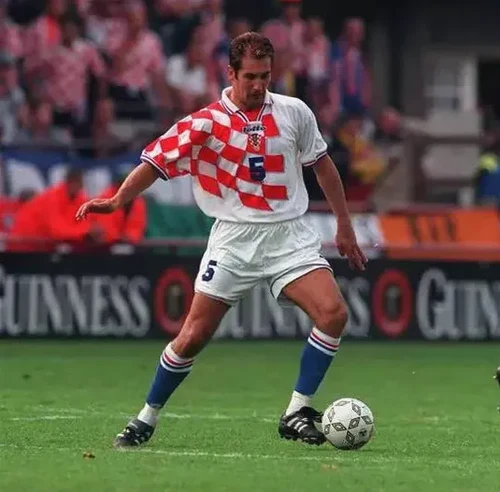
Croatia made its FIFA World Cup debut in 1998 and immediately introduced one of the tournament’s most recognisable visual identities.
Its white jersey featured large red checks inspired by the Croatian national coat of arms. Worn by stars including Davor Šuker, the kit became associated with Croatia’s remarkable run to third place.
The red-and-white checkerboard pattern has remained central to every Croatian jersey since, making the 1998 version a defining national football shirt.
10. France 1998 Home Jersey
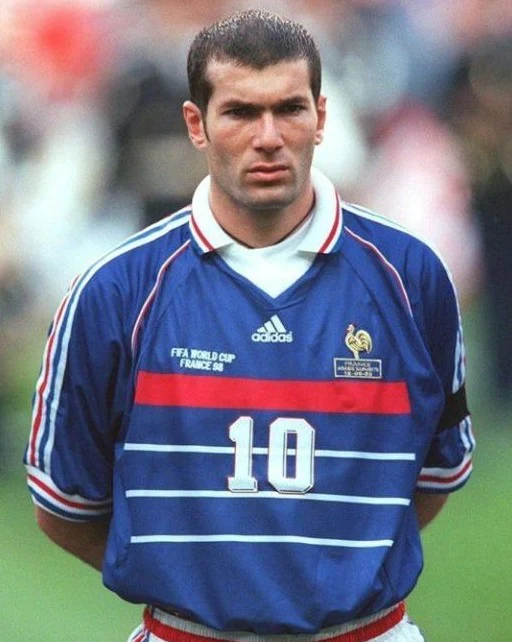
France’s 1998 home jersey became iconic after the host nation won its first FIFA World Cup.
The dark-blue Adidas shirt featured a horizontal red stripe, white details and a design influenced by France’s successful 1984 European Championship kit. Zinedine Zidane wore it while scoring twice against Brazil in the World Cup final.
Its connection with France’s historic triumph ensures that the France 1998 shirt remains one of the most famous football jerseys of the modern era.
Honourable Mention: Nigeria 2018 Home Jersey
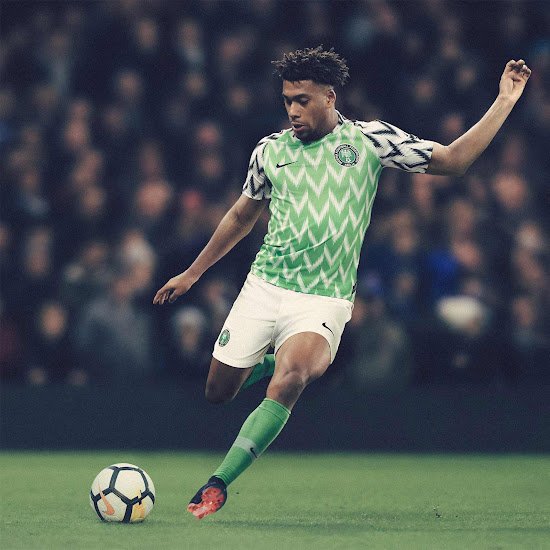
Nigeria’s 2018 World Cup jersey changed the way football kits were viewed outside stadiums.
Its bright-green zigzag pattern, black-and-white sleeves and energetic “Naija” identity transformed the shirt into an international fashion item. The collection referenced Nigeria’s football heritage while celebrating the confidence and creativity of contemporary Nigerian youth culture.
Huge demand, celebrity attention and its streetwear appeal helped make the Nigeria 2018 jersey one of the most iconic modern World Cup kits.
Why Do World Cup Jerseys Become Iconic?
A memorable jersey usually combines distinctive design with an unforgettable football story. Winning a trophy can turn a simple shirt into a national symbol, while a creative pattern can help an underdog team remain culturally relevant decades later.
Nostalgia also plays an important role. Classic World Cup jerseys remind supporters of famous players, childhood tournaments and moments shared with family and friends. That emotional connection explains why retro football jerseys continue to influence sportswear and street fashion.
Which Is the Greatest World Cup Jersey Ever?
Brazil’s 1970 home jersey is often considered the greatest World Cup shirt of all time. Its simple design, association with Pelé and connection with one of football’s finest teams give it an unmatched legacy.
However, football style remains subjective. Some fans prefer the bold graphics of Mexico 1998, the national colours of Germany 1990 or the fashion appeal of Nigeria 2018.
What is certain is that these iconic FIFA World Cup jerseys represent much more than football clothing. They are wearable pieces of sporting history.
Frequently Asked Questions
What is the most iconic FIFA World Cup jersey?
Brazil’s yellow 1970 World Cup jersey is widely regarded as the most iconic because it was worn by Pelé and Brazil’s legendary World Cup-winning team.
Which World Cup jersey has the boldest design?
Mexico’s 1998 Aztec-inspired shirt, Denmark’s split 1986 jersey and the USA’s 1994 denim kit are among the boldest designs in tournament history.
Why was Nigeria’s 2018 jersey so popular?
Nigeria’s 2018 kit combined a striking zigzag design with streetwear styling, Nigerian youth culture and strong social-media visibility.
Are retro World Cup jerseys valuable?
Original retro World Cup shirts can become valuable depending on their rarity, condition, authenticity, tournament and connection with famous players or matches.
Also Read: Shakira and FIFA World Cup: From Waka Waka to Dai Dai 2026
Lifestyle
Work-Life Balance: The Reality of Today’s Mothers

One of the biggest misconceptions is that mothers can “have it all” perfectly. In reality, balance is rarely about equal time; it’s about prioritization. Some days work demands more attention, while on others, family needs come first.
Social media often adds pressure by portraying flawless parenting, successful careers, and perfect homes. This unrealistic standard can make mothers feel inadequate. The truth is, work-life balance for mothers is often messy, dynamic, and deeply personal.
Common Challenges Faced by Working Mothers
1. Time Management Pressure
Managing work schedules, school timings, doctor appointments, and personal responsibilities can feel overwhelming.
2. Emotional Guilt
Many mothers experience guilt either for spending less time with children or for not focusing enough on career growth.
3. Mental and Physical Burnout
Continuous multitasking often leads to fatigue, stress, and emotional exhaustion.
4. Lack of Support Systems
Not all mothers have access to flexible workplaces, supportive partners, or reliable childcare.
Why Work-Life Balance Matters
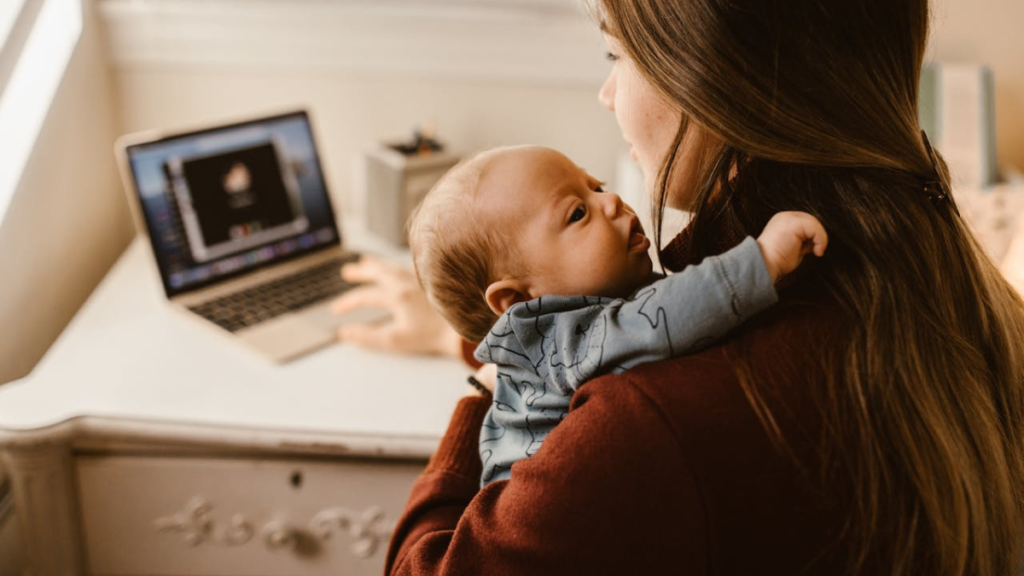
When mothers achieve a healthier balance, it benefits the entire family. Reduced stress improves mental well-being, strengthens relationships, and sets a positive example for children about healthy living and ambition.
A balanced mother is not a perfect mother she is a healthier, happier, and more present one.
Practical Tips for Better Work-Life Balance
Set Realistic Expectations
Perfection is not the goal. Focus on what truly matters each day.
Learn to Delegate
Sharing responsibilities with partners, family members, or professional help can reduce pressure.
Prioritize Self-Care
Physical health, mental breaks, and personal time are essential, not optional.
Create Boundaries
Separate work hours from family time whenever possible to maintain quality in both areas.
Embrace Flexibility
Balance may look different every day, and that’s okay.
The Role of Employers and Society
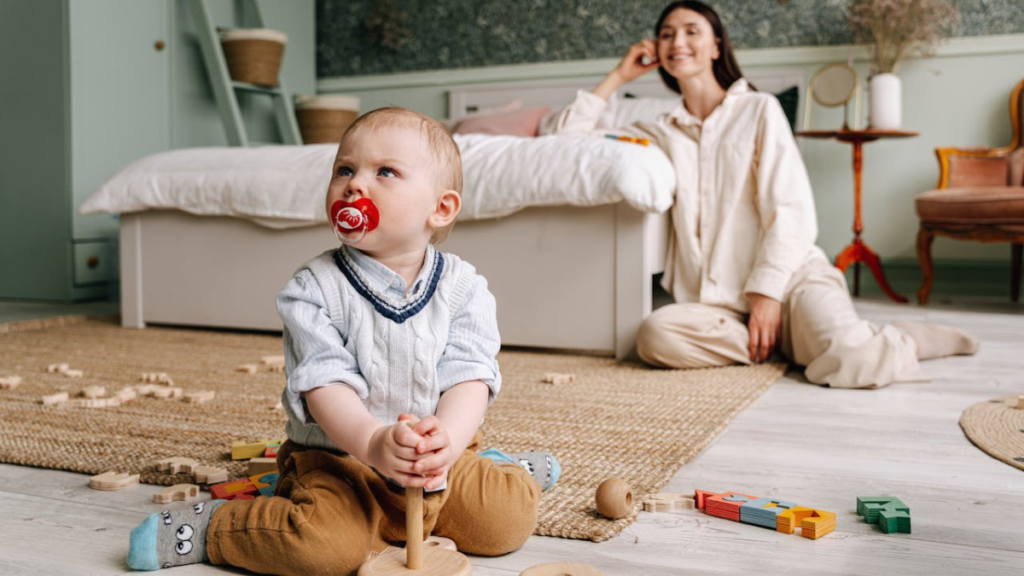
Work-life balance is not solely a mother’s responsibility. Companies can support mothers through flexible schedules, remote work options, maternity benefits, and childcare support. Society, too, must move beyond unrealistic expectations and acknowledge the real struggles mothers face.
The reality of today’s mothers is not about doing everything perfectly it’s about navigating multiple roles with resilience, love, and determination. Work-life balance is less about dividing time equally and more about creating harmony in an ever-demanding world.
Every mother’s journey is unique, and success should not be measured by perfection, but by well-being, fulfillment, and the courage to keep going.
Also Read: Luxury Mindset: How Rich People Think Differently

Best Indian Designers Redefining Global Luxury

Most Stylish Social Media Stars: Digital Fashion Icons Defining 2026

The Dark Side of Fake Spirituality on Social Media

Top 5 Most Dangerous Zodiac Signs Based on Their Personality Traits

Most Iconic FIFA World Cup Jerseys of All Time

Why Aquarius Signs Are Visionaries Ahead of Their Time

Shakira and FIFA World Cup: From Waka Waka to Dai Dai 2026

The Rise of Spiritual Luxury Travel: Retreats, Wellness & Culture

Top Female Entrepreneurs Who Started as Influencers

Signs You’re Going Through a Spiritual Awakening
Dorsia, Gurgaon’s One Of The Biggest BYOBs
Top 10 Best Dressed Politicians In The World
Breaking the Mold: How Demon Slayer Redefines the Shonen Genre?

15 Best Quotes Of Toy Story About Friendship.

Sabrina Carpenter’s Man’s Best Friend and the Politics of Pop Imagery

The NOU Walk Of Life : New Talk of Town in Luxury Footwear
Emerging Fashion Designers India Contest Wraps Up in the Most Spectacular Fashion
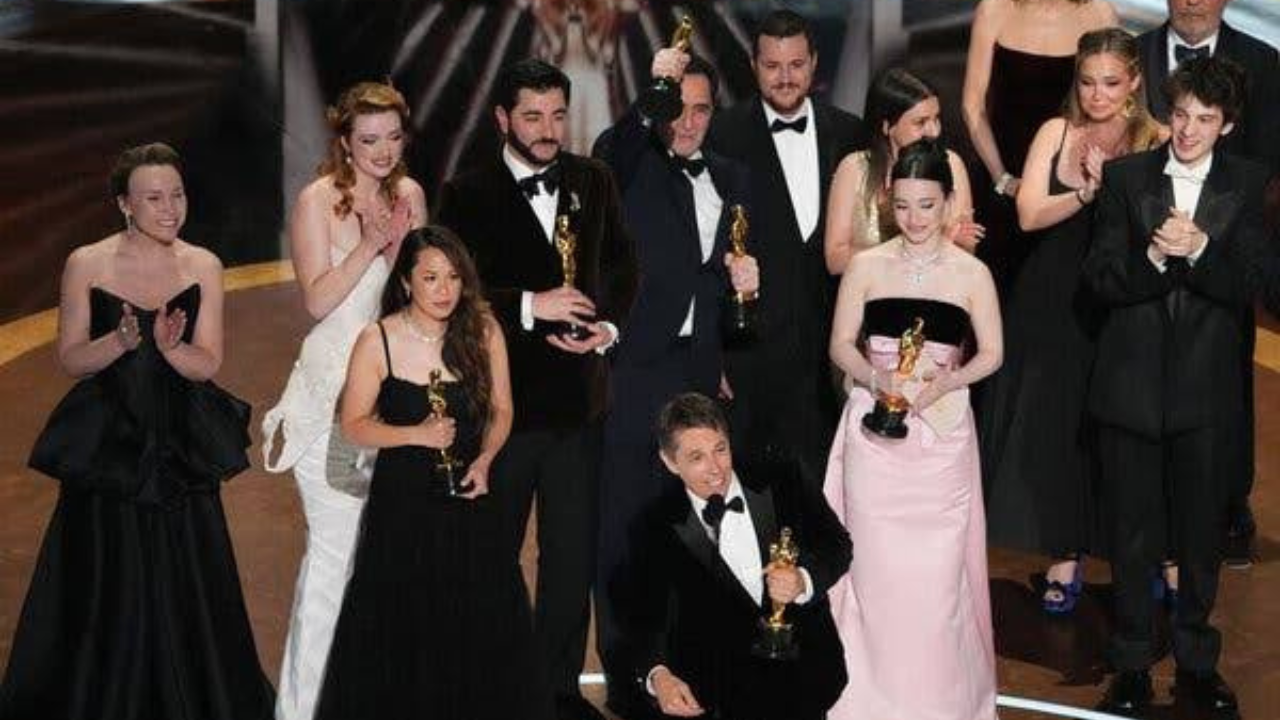
The Most Memorable Highlights from the 2025 Academy Awards
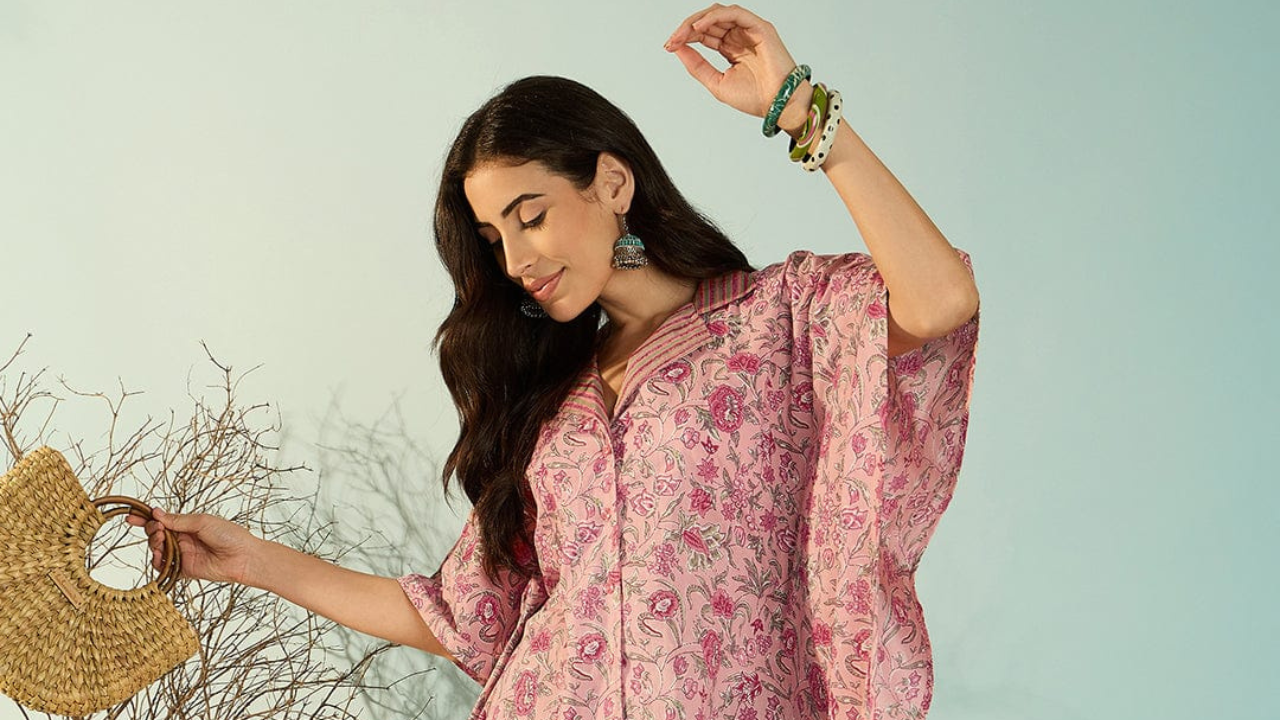
Kaftans: The New Festive Staple Taking Over Indian Wardrobes
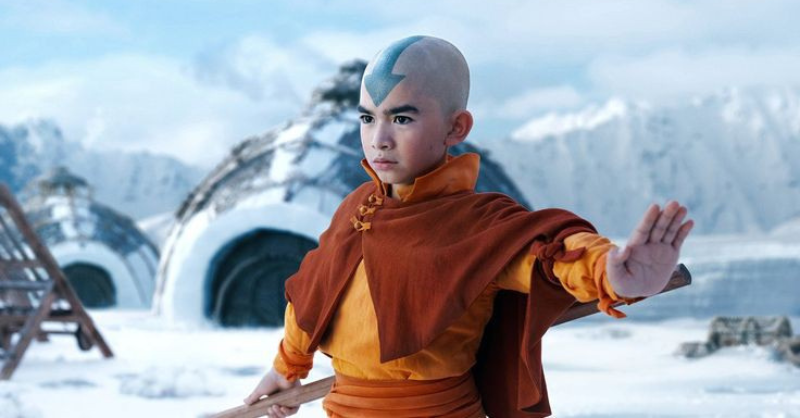
Are Live-Action Adaptations a Risky Bet for Studios?
-

 Entertainment7 months ago
Inside the Creator Economy: Who’s Making Millions in 2026?
-
 Events6 months ago
Top 10 Best Dressed Female Politicians in the World
-
 Horoscope6 months ago
Why Scorpio Is So Attractive And Hard to Handle
-

 Fashion6 months ago
Best Mother’s Day Gifts 2026
-

 Events7 months ago
7 Ways to Make Your Mom Feel Special This Mother’s Day
-
 Beauty6 months ago
Most Stylish Indian Female News Anchors Who Redefine Glamour & Journalism
-
 Horoscope6 months ago
The Dark Side of Every Zodiac Sign
-

 Horoscope5 months ago
Why Scorpio Are Magnetic in Love and Leadership