
Fashion
Monica Rajeev Malik
For over 15 years, Monica Rajeev Malik has made a name for themselves in the Indian fashion scene.
Their brand beautifully combines traditional styles with modern designs, becoming knownfor its
elegance and quality craftsmanship.
MRM’s journey started with a dream to create luxurious yet comfortable clothing for today’s women.
Their store features a thoughtfully curated selection of handcrafted outfits that showcase attention
to detail and high-quality fabrics.
Dedicated to empowering women, the brand focuses on designs that celebrate individuality and confidence.
Each piece tells a unique story, blending cultural heritage with a contemporary touch.
With their fresh approach to fashion, Monica Rajeev Malik continues to inspire, making their label
a favorite for those looking for timeless style.
Business
Best Indian Designers Redefining Global Luxury
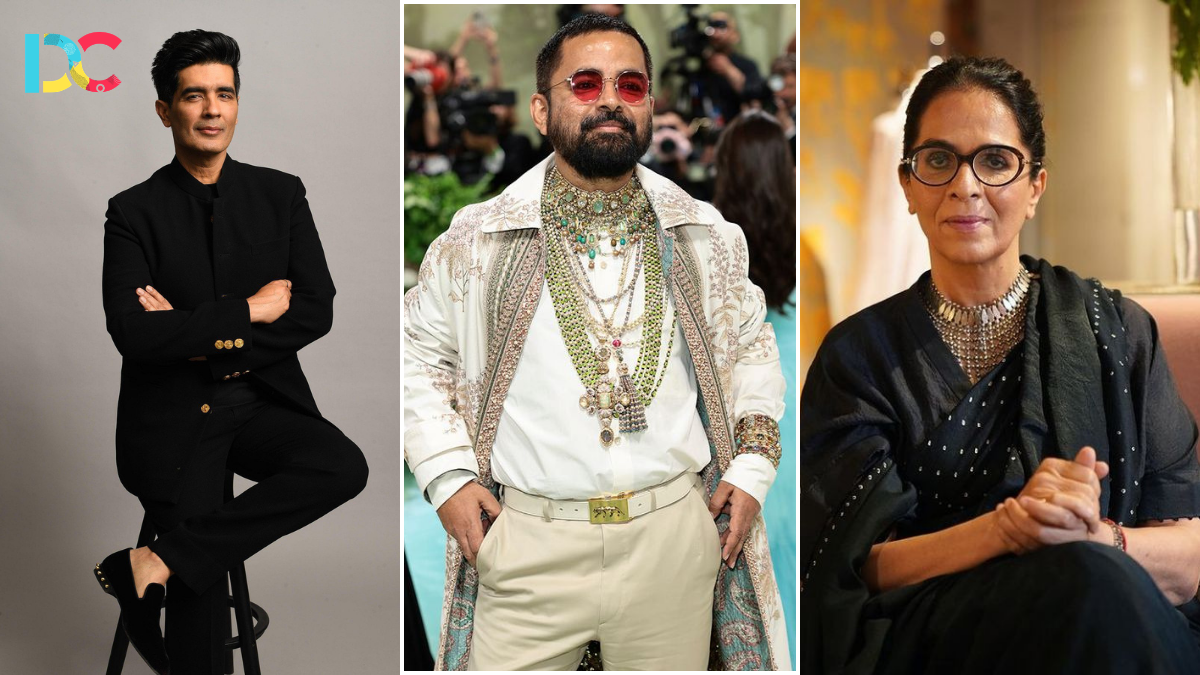
Global luxury is no longer defined only by Paris, Milan, London, and New York. Today, India is becoming one of the most powerful voices in the world of couture, bridal fashion, sustainable luxury, handcrafted textiles, and red-carpet glamour. The new definition of luxury is not just about expensive labels; it is about storytelling, craftsmanship, cultural identity, exclusivity, and emotional value. This is exactly where Indian designers are leading the conversation.
From Sabyasachi’s royal Indian aesthetic to Rahul Mishra’s couture storytelling, from Gaurav Gupta’s sculptural red-carpet gowns to Manish Malhotra’s glamorous global expansion, Indian designers are proving that luxury can be deeply rooted in heritage while still looking modern, international, and aspirational.
In 2026, India’s presence in global couture became even stronger, with Indian names such as Rahul Mishra, Gaurav Gupta, Vaishali S, and Manish Malhotra being discussed around Paris Couture Week, one of the most prestigious fashion platforms in the world.
Why Indian Designers Are Becoming Global Luxury Leaders
Indian fashion has always had the ingredients of luxury: hand embroidery, rare textiles, regal silhouettes, jewellery-inspired detailing, and generations of artisanal knowledge. What has changed now is global recognition. Earlier, Indian craftsmanship often worked behind the scenes for international luxury houses. Today, Indian designers and ateliers are claiming their own space on the global stage.
A Financial Times report recently highlighted how Indian embroidery and craftsmanship continue to play a major role in French couture and luxury ready-to-wear, while designers like Rahul Mishra and Indian craft houses are increasingly bringing Indian artistry to the front of the global fashion conversation.
This shift is important because Indian luxury is not trying to copy Western luxury. Instead, it is building its own identity through heritage, emotion, handwork, sustainability, and cultural storytelling.
1. Sabyasachi Mukherjee: The King of Indian Luxury Fashion
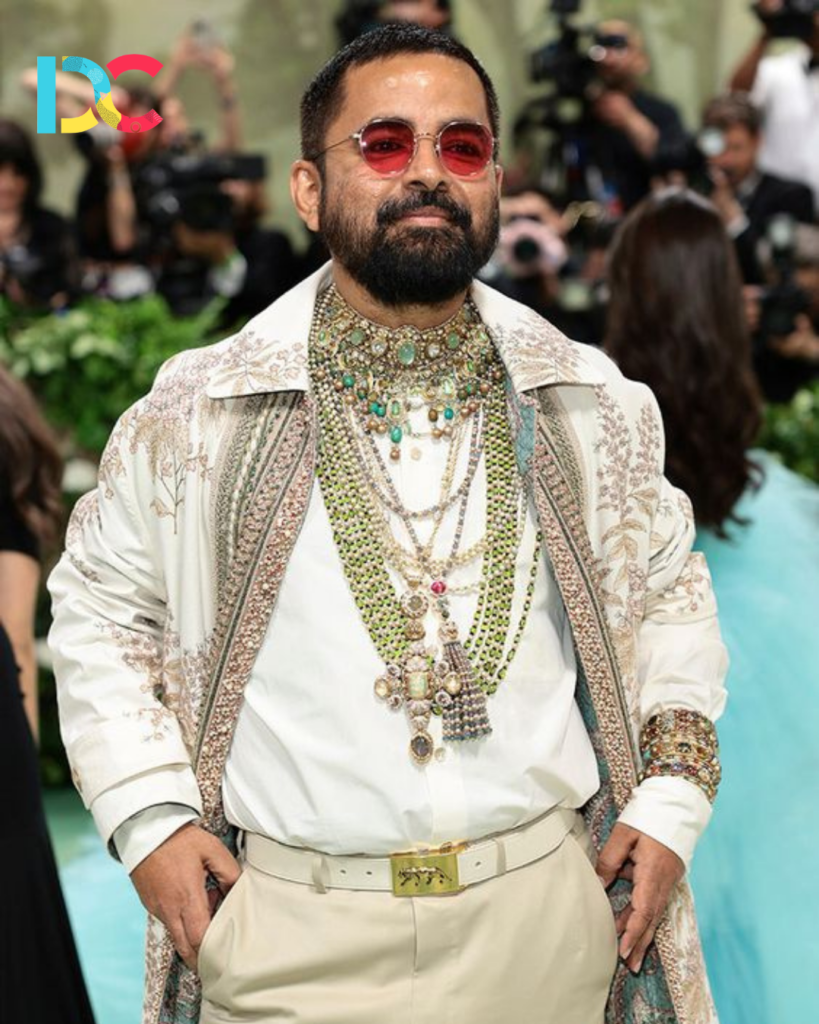
When people search for Indian luxury fashion designers, Sabyasachi is often the first name that comes to mind. His brand has become synonymous with royal bridal wear, heritage jewellery, rich textiles, and a strong Indian visual identity.
Sabyasachi has successfully turned Indian bridal fashion into a global luxury language. His designs are worn by celebrities, brides, collectors, and luxury consumers across the world. What makes Sabyasachi special is his ability to create an entire universe around Indian opulence. His stores, campaigns, jewellery, handbags, and couture collections all carry a signature world of vintage glamour, Bengal-inspired artistry, and regal India.
The brand’s international growth has also strengthened its position as a global Indian luxury house. Sabyasachi’s official history notes the launch of its first international flagship store in New York, with a mission to shift the perception from “made in India” to “designed and made in India.” The brand has also presented at Bergdorf Goodman and Harrods, bringing Indian craftsmanship to premium international luxury audiences.
2. Rahul Mishra: India’s Couture Storyteller at Paris Haute Couture Week
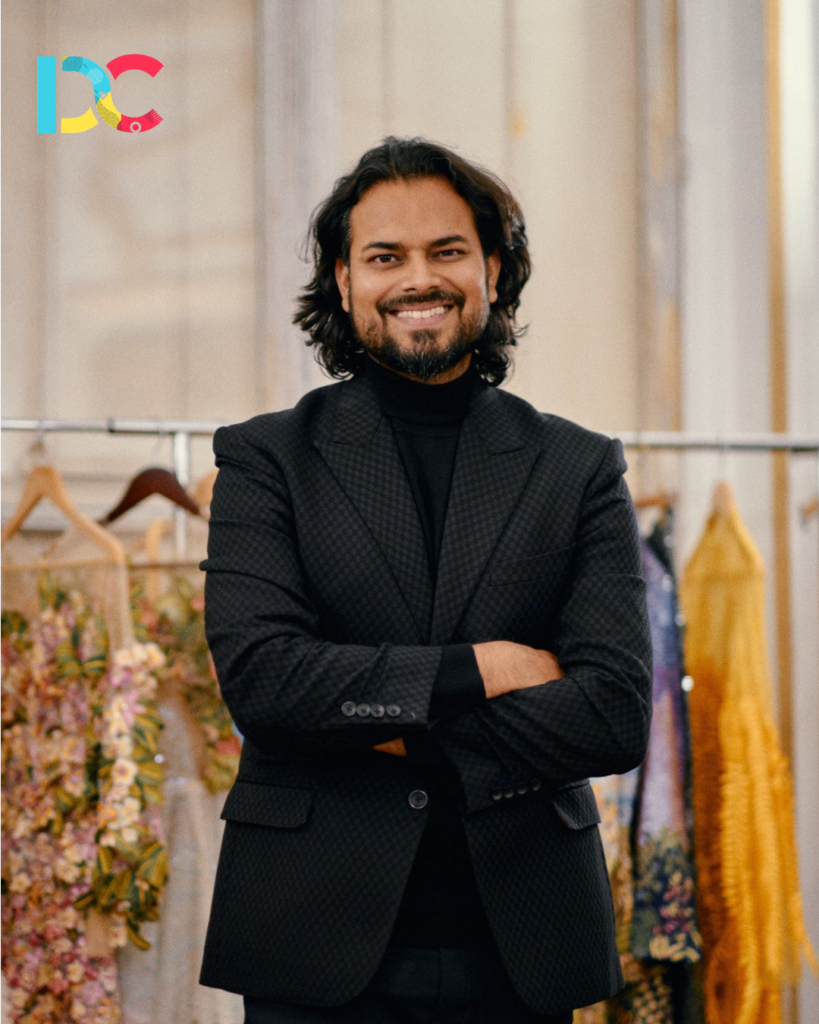
Rahul Mishra is one of the strongest Indian names in global couture. Known for slow fashion, intricate handwork, nature-inspired designs, and deeply artistic storytelling, he has brought Indian craftsmanship into the most respected couture spaces.
Rahul Mishra’s official brand profile states that he was the first Indian designer invited to showcase at Paris Haute Couture Week and that his work is rooted in sustainability, empowerment, and local craft communities. His brand philosophy of “As Slow As Possible” places craft, time, and human skill at the centre of luxury.
In July 2026, Rahul Mishra’s “Devi: The Eternal Muse” collection at Paris Haute Couture Week again put Indian mythology, temple art, embroidery, and sculpture-inspired design in the global spotlight. Cardi B appeared in a custom Rahul Mishra gown inspired by Indian temple sculpture, creating a strong pop-culture moment for Indian couture.
3. Gaurav Gupta: The Sculptor of Modern Indian Couture
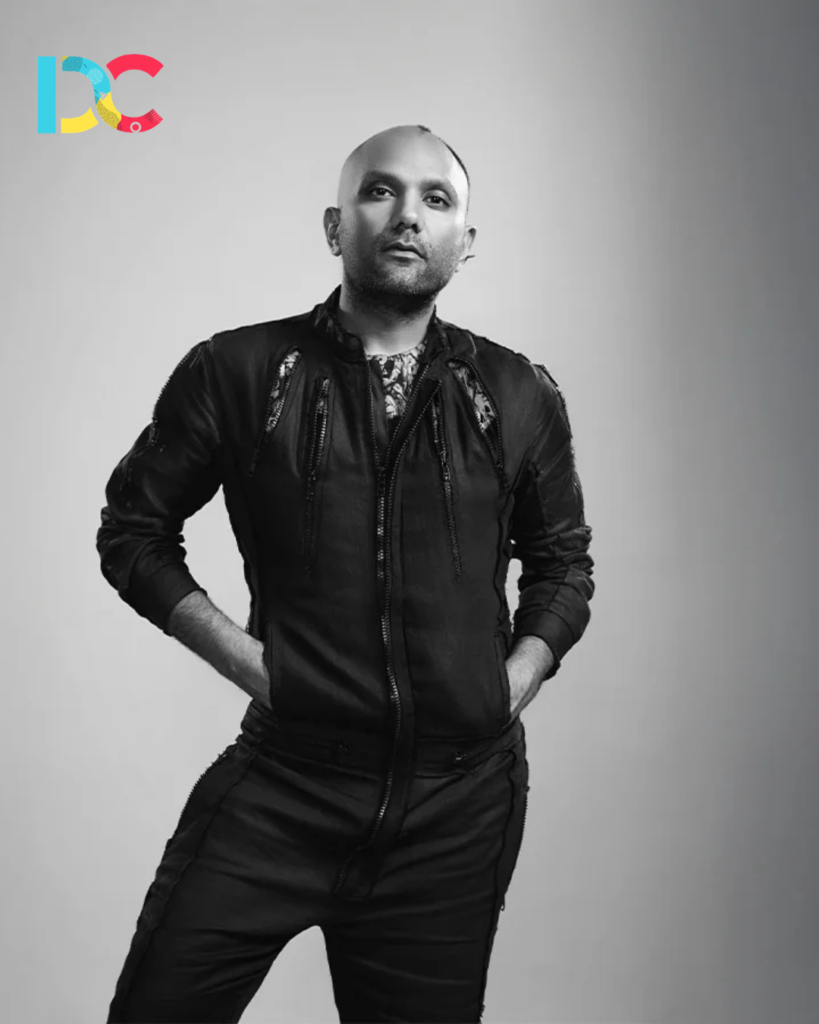
Gaurav Gupta represents the bold, futuristic side of Indian luxury fashion. His work is dramatic, sculptural, fluid, and red-carpet ready. Unlike traditional bridal-heavy Indian couture, Gaurav Gupta has built a strong identity through experimental shapes, metallic finishes, cosmic themes, and architectural gowns.
His designs have become popular among global celebrities because they photograph beautifully and create instant impact. At Paris Haute Couture Week Spring/Summer 2026, Gaurav Gupta returned with “Divine Androgyne,” a collection inspired by Indian spiritual philosophy, cosmic duality, and the idea of Ardhanarishvara.
This is where Gaurav Gupta stands apart. He does not present Indian fashion only through embroidery or ethnic silhouettes. Instead, he translates Indian philosophy into futuristic global couture. His work shows that Indian luxury can be conceptual, avant-garde, and international.
4. Manish Malhotra: Bollywood Glamour Goes Global

Manish Malhotra has played a huge role in shaping modern Indian glamour. For decades, his designs have defined Bollywood fashion, celebrity style, bridal wear, and occasion dressing. Today, his brand is expanding from Indian film-inspired luxury to a global couture identity.
Manish Malhotra opened his first global flagship store at Dubai Mall’s Fashion Avenue in 2023, marking a major step in taking Indian couture to international luxury retail. In 2026, he was also listed as a guest house at Paris Haute Couture Week Fall/Winter 2026, showing how Indian couture is entering more formal global fashion institutions.
His strength lies in combining cinematic glamour with Indian embroidery, modern silhouettes, festive wear, and luxury occasion dressing. For global Indian consumers, especially NRIs and luxury wedding buyers, Manish Malhotra represents celebration, scale, glamour, and star power.
5. Anita Dongre: Sustainable Indian Luxury for the Global Woman
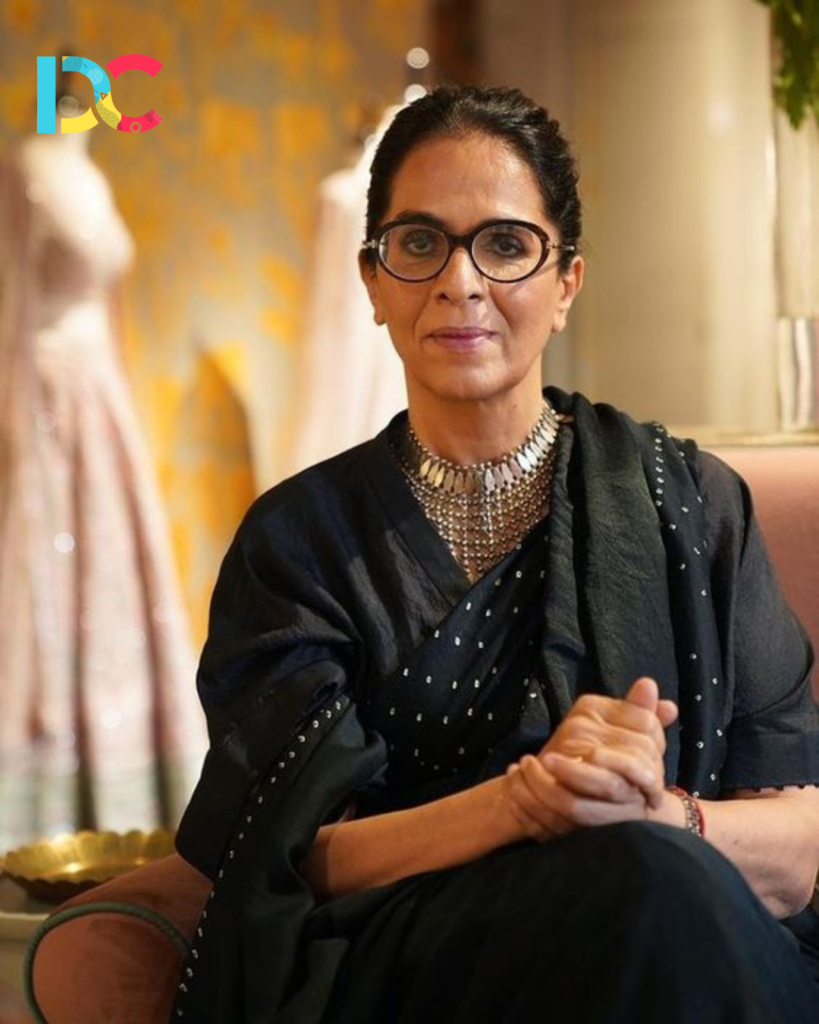
Anita Dongre brings a softer, more conscious side to Indian luxury fashion. Her brand focuses on heritage crafts, handlooms, sustainability, and wearable elegance. She has built a fashion empire that connects Indian artisanship with modern lifestyle dressing.
The House of Anita Dongre highlights Indian handlooms, handicrafts, textures, and traditional design on its official platform, while the Anita Dongre Foundation works toward artisan training and sustainable livelihood creation. Her global presence has also expanded through stores and international retail visibility, including New York and other luxury markets.
Anita Dongre’s importance lies in the fact that she makes Indian luxury feel wearable, ethical, and globally approachable. Her designs appeal to women who want elegance without excessive heaviness.
6. Vaishali S: Textile Innovation Meets Global Couture
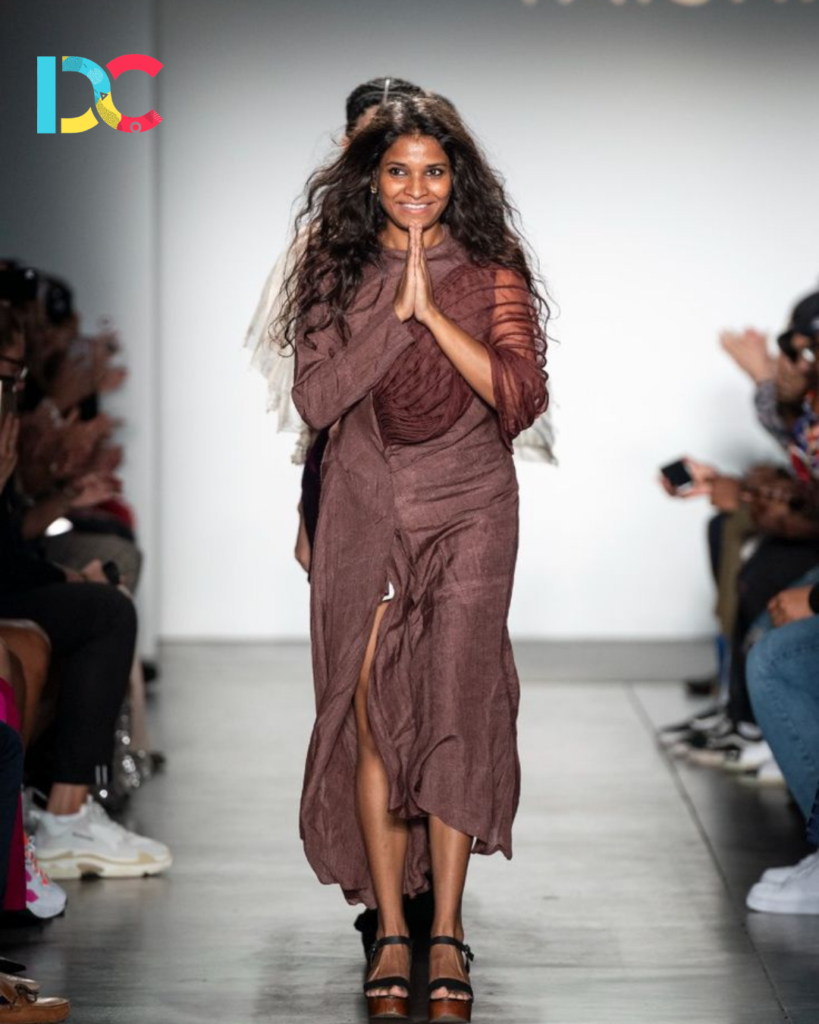
Vaishali S is another important Indian designer gaining international recognition. Her work is known for textile experimentation, handwoven structures, and sculptural forms. She brings a deeply craft-led but contemporary approach to couture.
Her presence alongside names like Rahul Mishra, Gaurav Gupta, and Manish Malhotra in Paris Couture Week conversations shows that Indian designers are no longer limited to bridal wear or domestic fashion weeks. They are becoming part of the global couture system.
7. Ritu Kumar: The Heritage Pioneer of Indian Designer Fashion
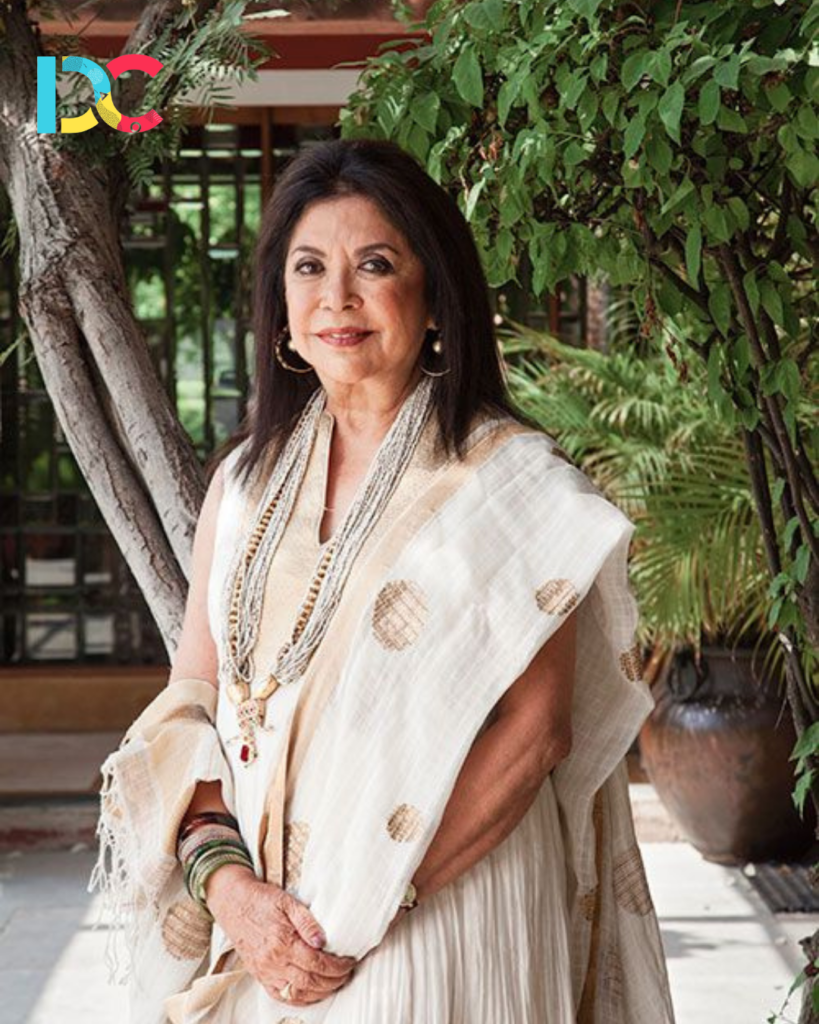
Ritu Kumar is one of the most respected names in Indian fashion. Long before Indian luxury became a global conversation, she worked with traditional textiles, embroidery, prints, and Indian silhouettes. Her brand helped build the foundation of India’s designer fashion industry.
Her labels continue to offer designer dresses, suits, lehengas, sarees, accessories, and bridal collections, keeping Indian heritage relevant for modern consumers. For global luxury, Ritu Kumar’s importance lies in preservation. She helped prove that India’s textile history could become premium fashion, not just costume or craft.
The Bigger Trend: Indian Craftsmanship Is the New Luxury Code
The rise of Indian designers is not just about famous names. It is also about the rise of Indian artisans, embroidery houses, textile communities, and craft clusters. Luxury consumers today are looking for authenticity, handmade value, cultural meaning, and sustainability. Indian fashion naturally offers all of this.
Global fashion is also becoming more transparent about the role of Indian craftsmanship. Vogue recently reported on Chanakya International, an Indian textile house known for its embroidery work with luxury houses such as Dior, Prada, and Fendi, launching its own label, Chorus, with international ambitions. This shows a bigger shift: Indian craft is no longer staying behind the curtain. It is becoming the main story.
India Is Not Following Global Luxury, It Is Redefining It
The best Indian designers redefining global luxury are not simply creating expensive clothes. They are changing the meaning of luxury itself. Sabyasachi brings royal Indian grandeur to the world. Rahul Mishra brings poetic couture and sustainability. Gaurav Gupta brings futuristic sculpture. Manish Malhotra brings cinematic glamour. Anita Dongre brings conscious elegance. Vaishali S brings textile innovation. Ritu Kumar brings heritage and legacy.
Together, they prove that Indian luxury is not a trend. It is a global movement built on craft, culture, emotion, artistry, and identity.
As the world looks for fashion with meaning, India’s designers are offering something far more powerful than logos: they are offering stories stitched by hand, shaped by history, and designed for the future.
FAQs
1. Who are the best Indian designers redefining global luxury?
Some of the best Indian designers redefining global luxury include Sabyasachi Mukherjee, Rahul Mishra, Gaurav Gupta, Manish Malhotra, Anita Dongre, Vaishali S, and Ritu Kumar.
2. Why are Indian fashion designers becoming globally popular?
Indian fashion designers are becoming globally popular because they combine heritage craftsmanship, hand embroidery, luxury textiles, sustainability, storytelling, and modern silhouettes.
3. Which Indian designers have showcased at Paris Couture Week?
Indian designers such as Rahul Mishra, Gaurav Gupta, Vaishali S, and Manish Malhotra have been part of Paris Couture Week conversations and showcases, strengthening India’s position in global couture.
4. Is Indian luxury fashion only about bridal wear?
No. While Indian bridal couture is globally famous, Indian luxury fashion now includes red-carpet gowns, ready-to-wear, jewellery, handbags, sustainable fashion, textile couture, and global occasion wear.
5. What makes Indian luxury fashion unique?
Indian luxury fashion is unique because of its handmade craftsmanship, embroidery, textile heritage, cultural storytelling, emotional value, and ability to merge tradition with modern global design.
Also Read : Most Stylish Social Media Stars: Digital Fashion Icons Defining 2026
Fashion
Most Stylish Social Media Stars: Digital Fashion Icons Defining 2026
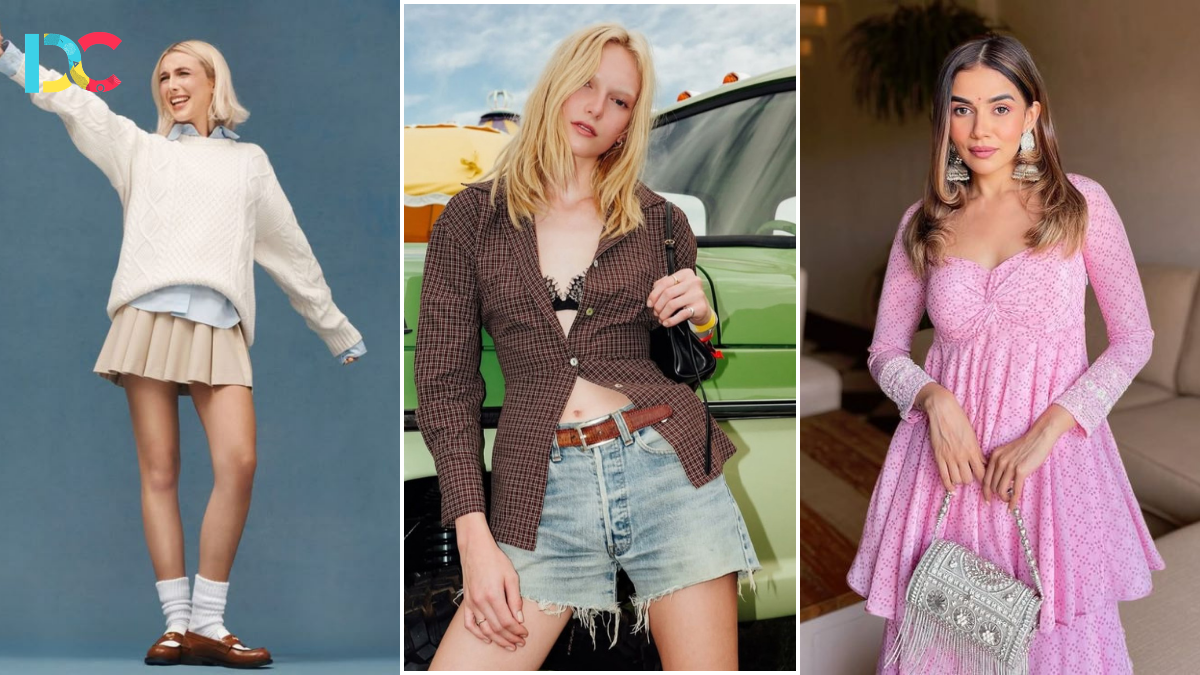
Social media has completely changed the way fashion trends begin and spread. Runways and magazines are no longer the only places where people discover new looks. Today, Instagram fashion icons, TikTok style creators and YouTube personalities can turn an ordinary outfit into a global trend within hours.
The most stylish social media stars are not simply wearing expensive clothes. They are experimenting with silhouettes, combining luxury fashion with affordable pieces and developing personal aesthetics that their followers can recognise instantly.
From dramatic menswear and vintage-inspired outfits to DIY couture and modern Indian fashion, these are some of the best-dressed social media influencers shaping online style in 2026.
1. Wisdom Kaye
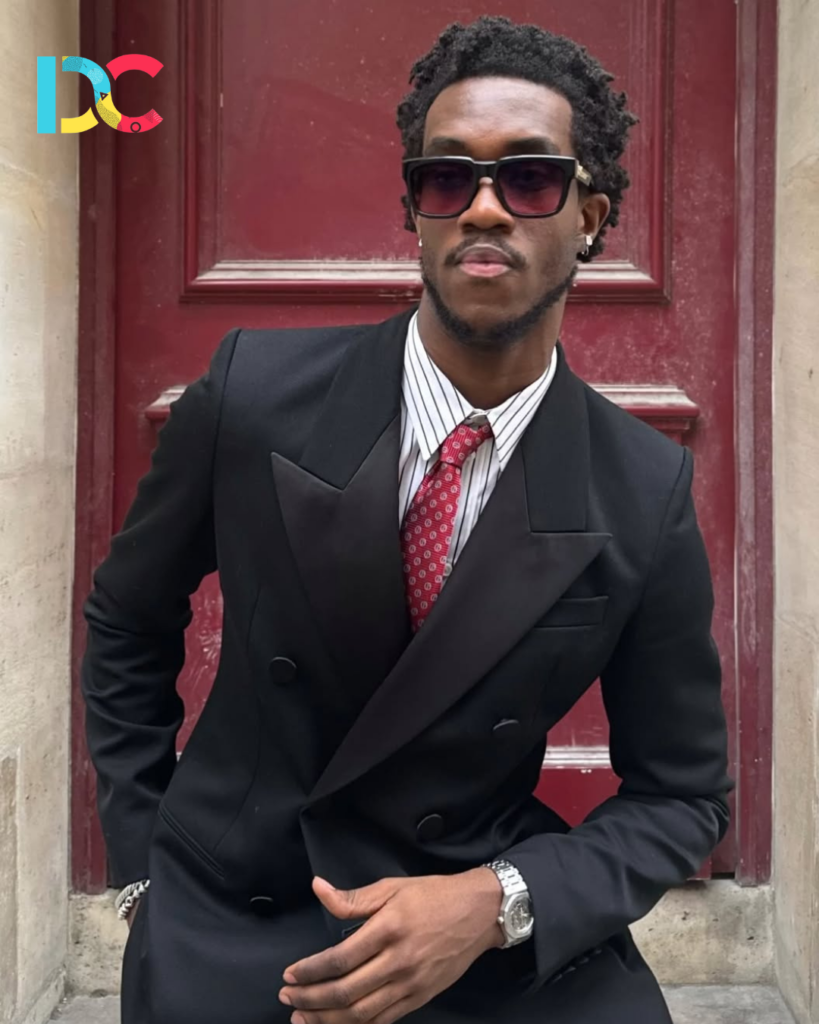
Wisdom Kaye has transformed short-form fashion content into a form of visual storytelling. Known for his dramatic silhouettes, statement tailoring and futuristic styling, he creates outfits that often look like they belong in a fashion campaign or fantasy film.
His ability to combine runway fashion, vintage references and experimental menswear has made him one of the most stylish TikTok creators. Instead of simply presenting clothes, he builds an entire mood around each outfit.
2. Emma Chamberlain
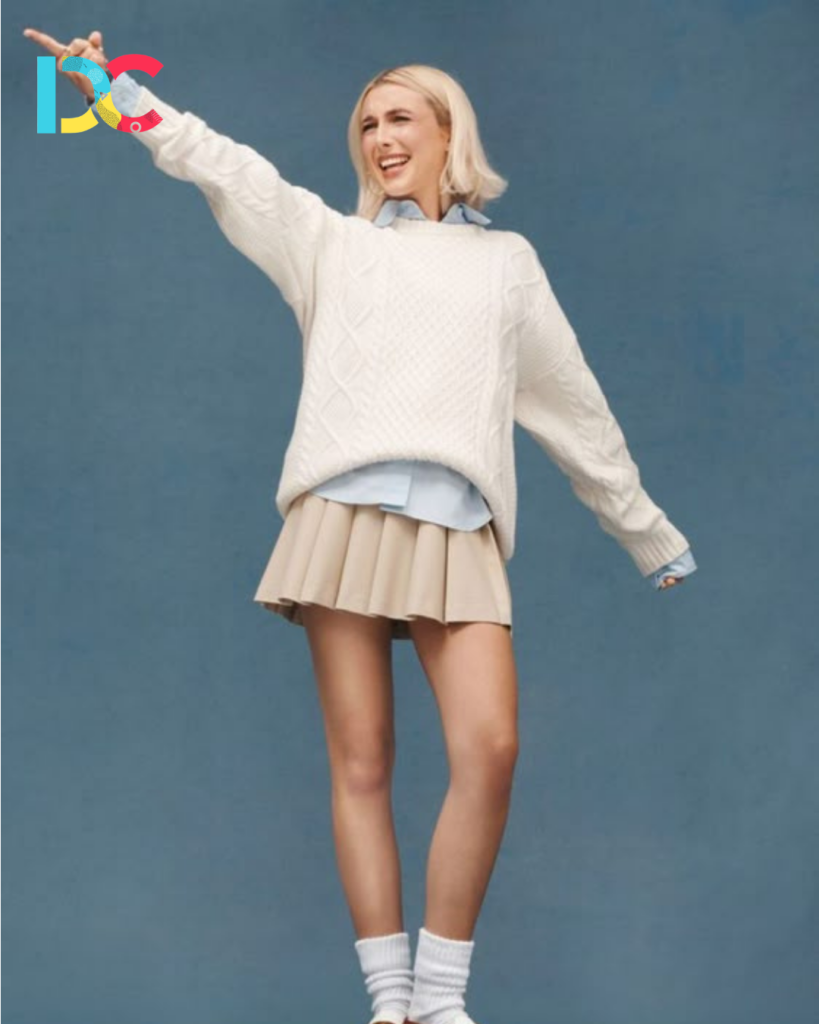
Emma Chamberlain’s fashion journey reflects how personal style can evolve naturally. Her earlier content featured thrift-store discoveries, comfortable basics and intentionally imperfect outfits. Over time, she has blended that relaxed approach with luxury fashion and red-carpet dressing.
What makes her influential is the way she makes high fashion feel less formal. Vintage denim, loafers, oversized jackets and simple accessories remain central to her wardrobe, even when she is attending major fashion events.
3. Nancy Tyagi
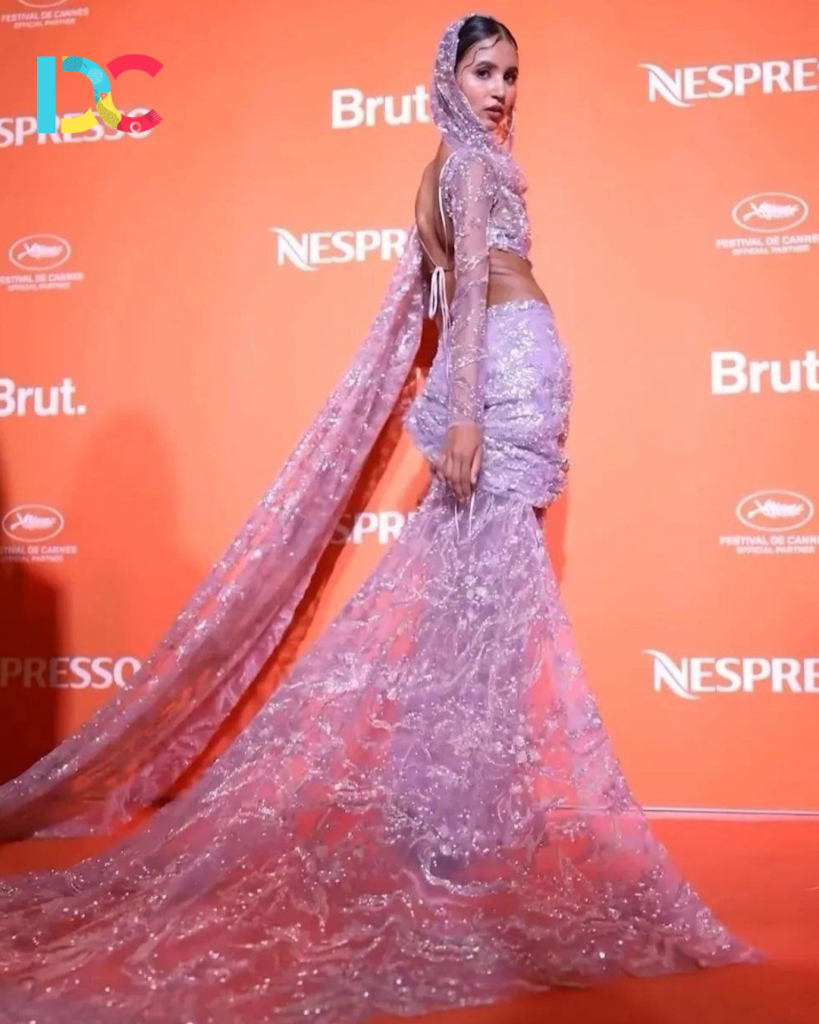
Nancy Tyagi has emerged as one of the most exciting Indian fashion influencers by creating elaborate outfits with her own hands. Her videos take viewers through the entire process, from sourcing fabric in local markets to cutting, stitching and presenting the final design.
Her success represents a new form of fashion influence built around creativity rather than access to expensive brands. Nancy’s self-designed gowns and experimental silhouettes have demonstrated that originality can attract global attention.
4. Komal Pandey
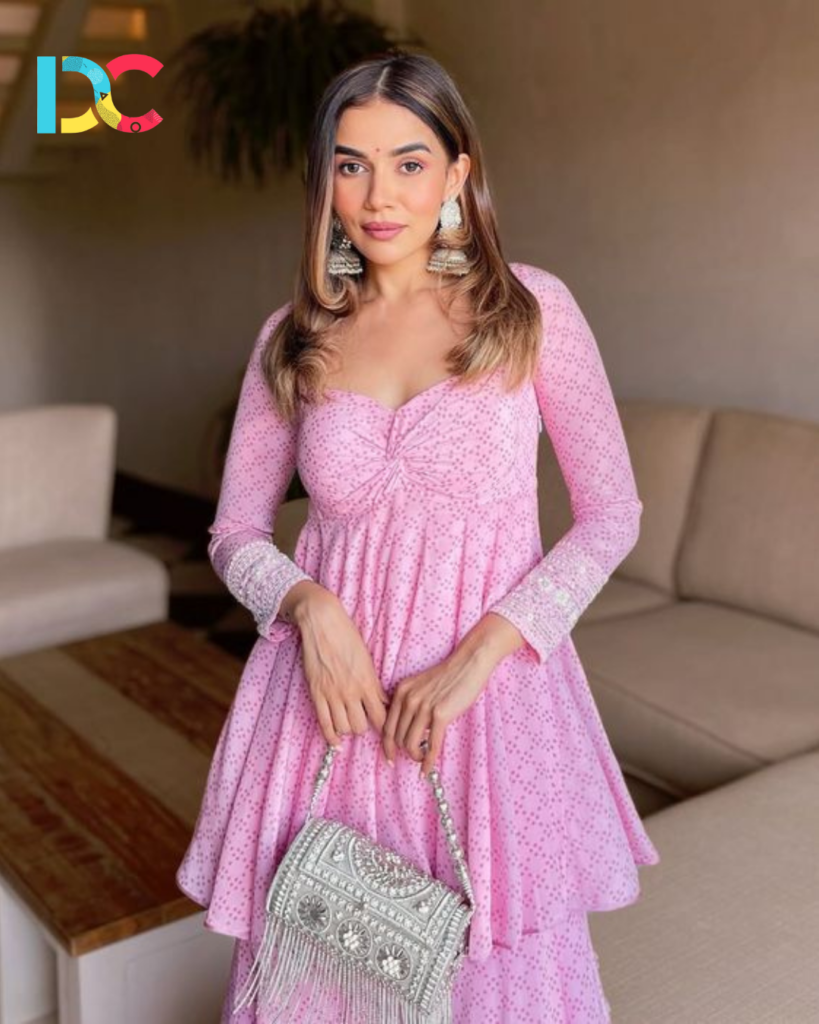
Komal Pandey is known for turning everyday clothing into expressive editorial looks. A blouse may become a layered top, a saree may be styled with unexpected accessories and a basic dress may be transformed through belts, jewellery and creative draping.
Her content encourages followers to look at their wardrobes differently. Rather than constantly buying new clothes, she often demonstrates how one garment can be styled in several distinctive ways.
5. Bretman Rock
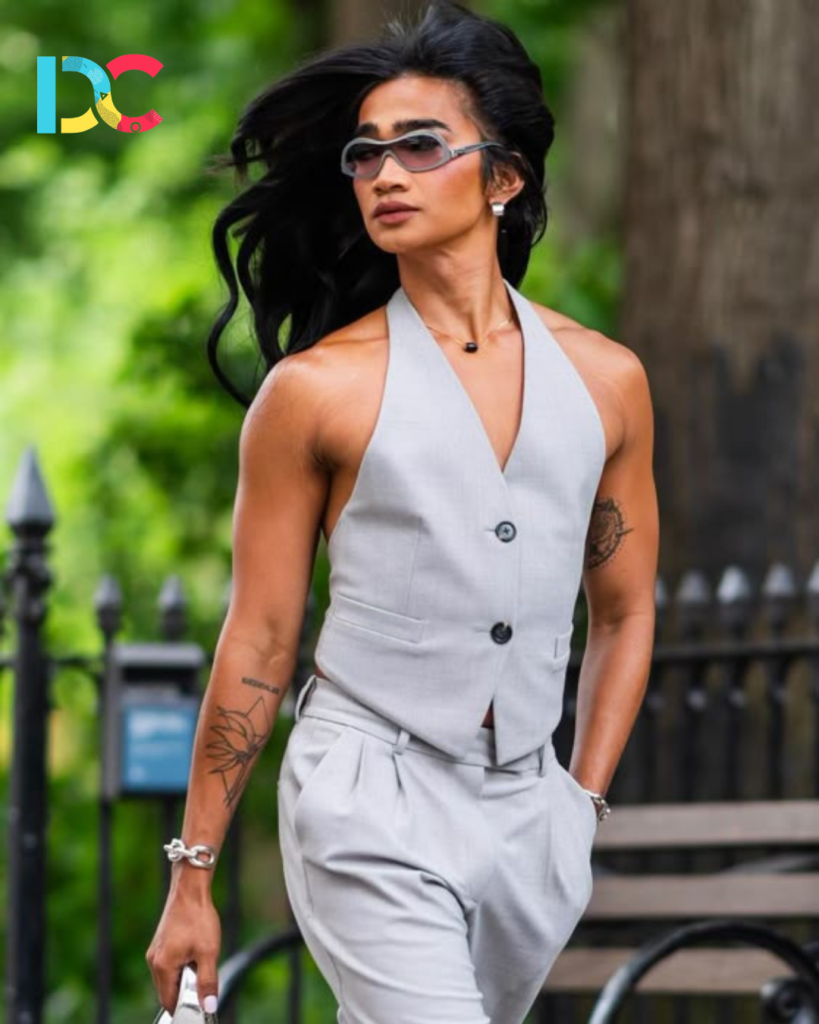
Bretman Rock approaches fashion with confidence, humour and complete freedom. His outfits regularly move between glamorous gowns, structured tailoring, resort wear and playful street style.
He is particularly influential because he refuses to let traditional gender expectations define his wardrobe. Every appearance feels expressive, energetic and personal, making him one of the most recognisable social media fashion icons.
6. Masoom Minawala
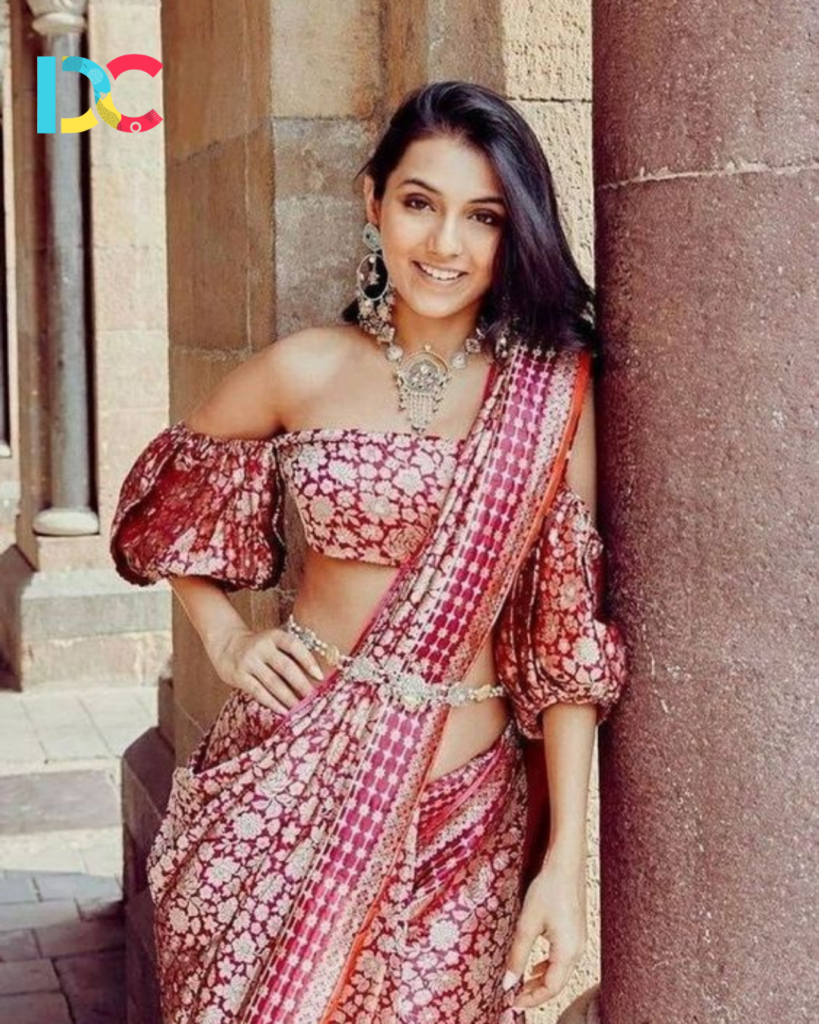
Masoom Minawala has created a distinctive space by connecting Indian craftsmanship with international luxury fashion. Her wardrobe regularly features contemporary sarees, embroidered ensembles, sculptural gowns and pieces by Indian designers.
Her fashion-week and red-carpet appearances often highlight Indian labels for a global audience. The result is a sophisticated style that feels international without losing its cultural identity.
7. Alix Earle
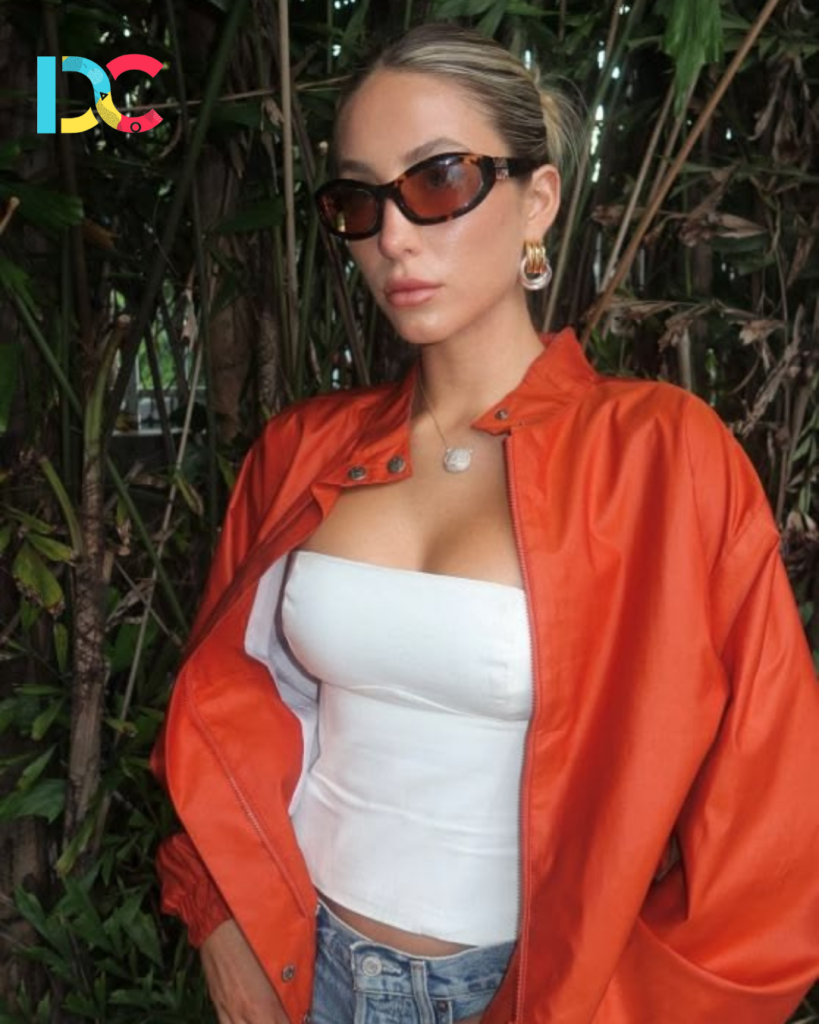
Alix Earle has become closely associated with the modern social media “It-girl” aesthetic. Her style combines going-out outfits, oversized streetwear, swimwear, beauty trends and polished event dressing.
Her popular “get ready with me” content makes followers feel involved in the complete styling process. The final outfit is important, but so are the beauty routine, accessories and personal story surrounding it.
8. Alex Consani

Alex Consani brings humour, personality and unpredictability to high fashion. Her content often moves between professional modelling, backstage moments and deliberately playful social media posts.
This combination makes luxury fashion feel more entertaining and less distant. Whether wearing an avant-garde runway look or a simple off-duty outfit, she maintains a strong sense of individuality.
9. Nara Smith
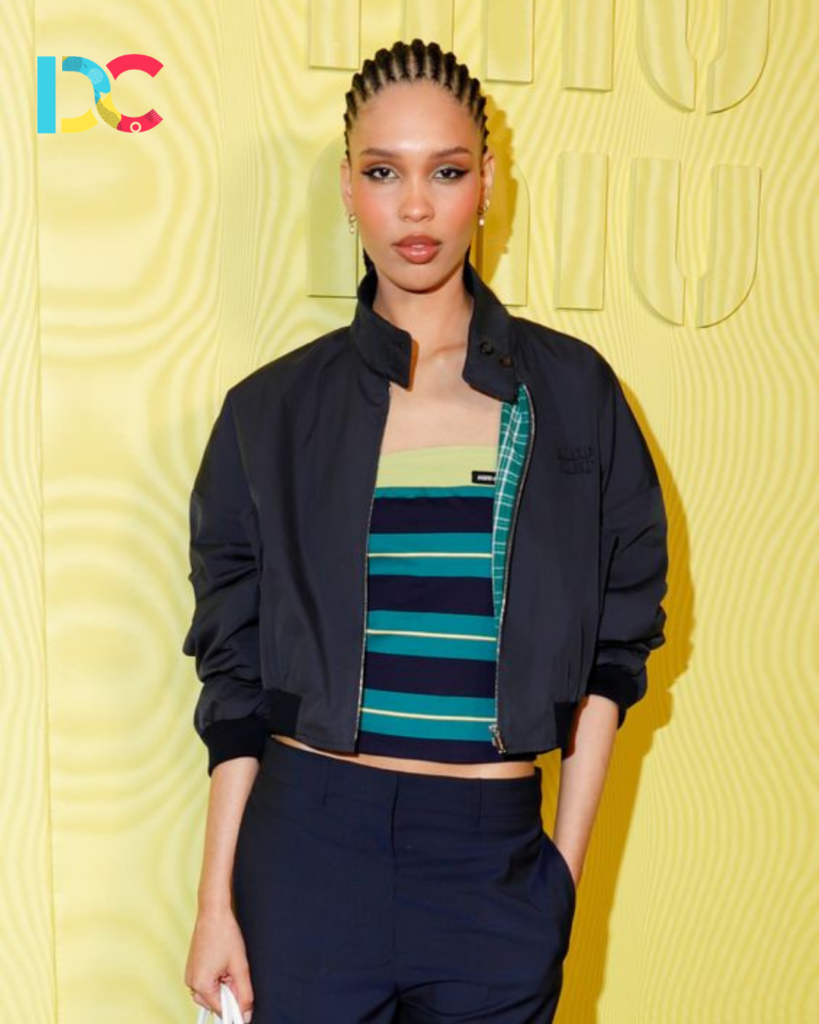
Nara Smith’s wardrobe is closely connected to her carefully composed visual world. She frequently wears polished dresses, feminine separates, coordinated sets and vintage-inspired silhouettes.
Her content demonstrates how clothing, interiors, beauty and lifestyle can work together to create a complete personal aesthetic. This consistency has helped her develop one of the most identifiable styles on social media.
10. Sakshi Sindwani
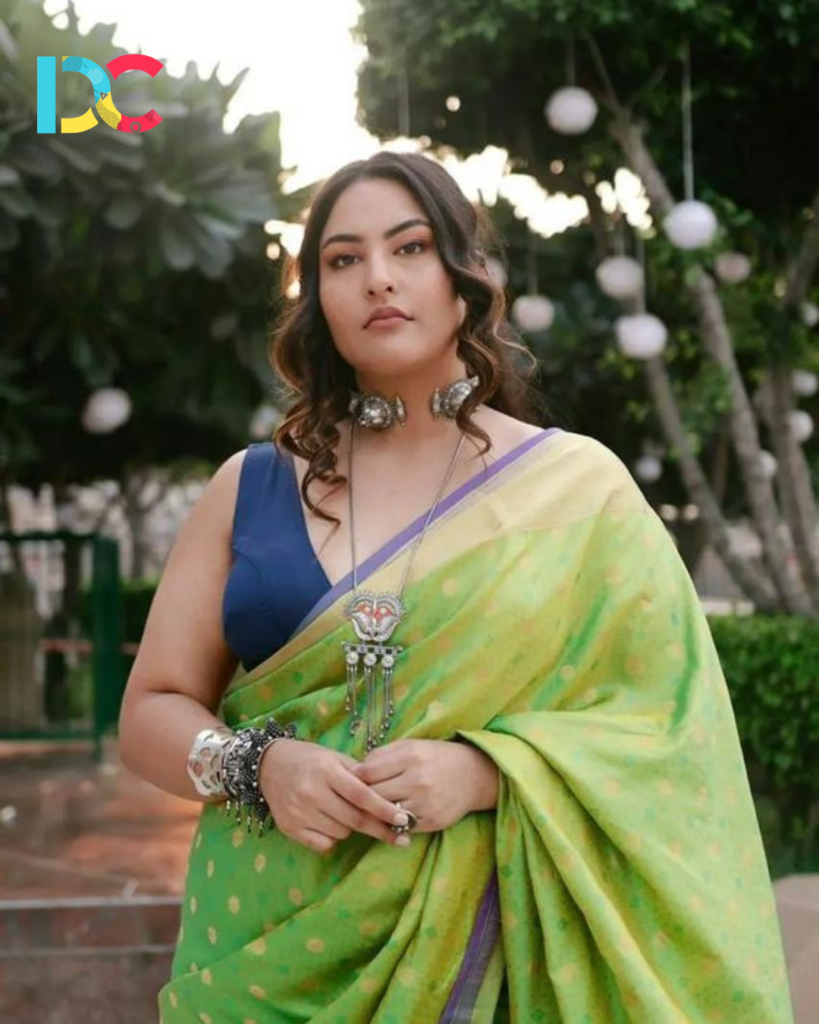
Sakshi Sindwani has become a powerful voice for inclusive fashion and confident personal style. She experiments with body-conscious dresses, contemporary sarees, colourful separates and dramatic red-carpet outfits.
Her content challenges restrictive fashion rules by encouraging people to wear trends without waiting for a particular body type or size. Confidence is not simply part of her styling it is the foundation of it.
The most stylish social media stars are changing fashion by making it more immediate, expressive and accessible. They are not waiting for traditional fashion institutions to define what looks good. Instead, they are building their own visual identities and inviting millions of followers into the process.
Whether it is Wisdom Kaye creating cinematic menswear, Nancy Tyagi constructing her own couture or Komal Pandey reinventing familiar Indian garments, today’s fashion influencers prove that true style is not determined by the price of an outfit. It comes from creativity, confidence and the ability to make every look feel personal.
Also Read: The Dark Side of Fake Spirituality on Social Media
Fashion
Most Iconic FIFA World Cup Jerseys of All Time
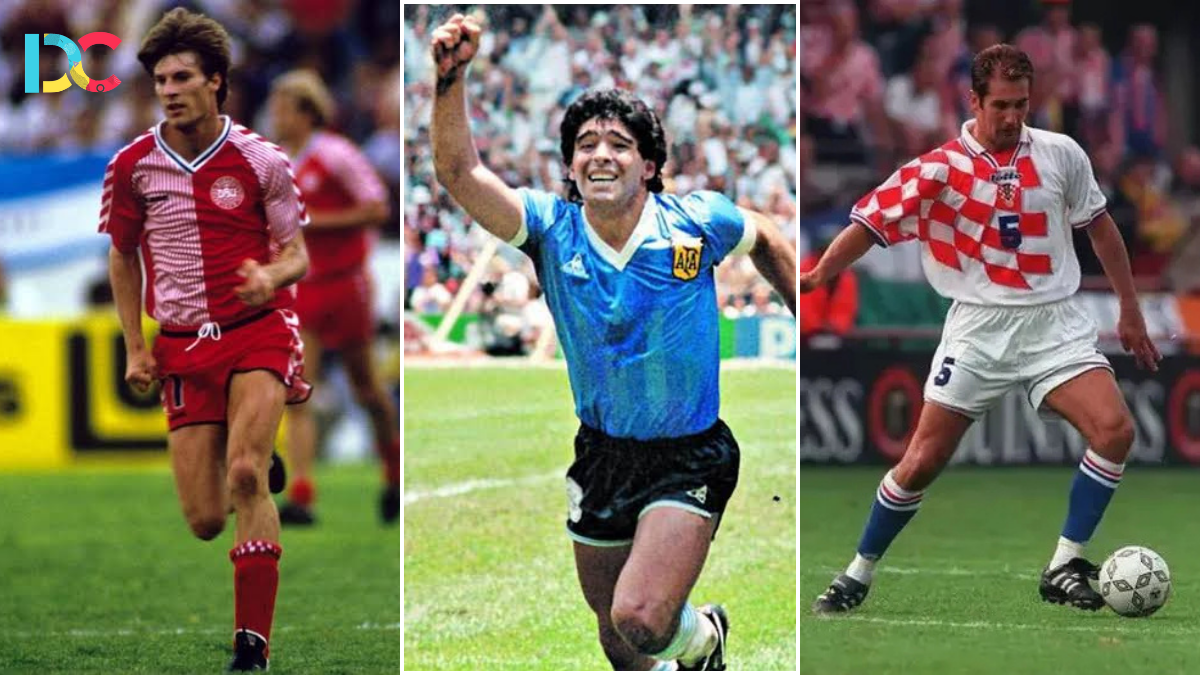
Football jerseys are more than sporting uniforms. They represent national identity, unforgettable matches and generations of football memories.
Some FIFA World Cup jerseys became legendary because their teams lifted the trophy. Others earned cult status through bold designs, cultural references or their connection with iconic players. From Pelé’s yellow Brazil shirt to Nigeria’s streetwear-inspired 2018 kit, these are the most iconic FIFA World Cup jerseys of all time.
1. Brazil 1970 Home Jersey
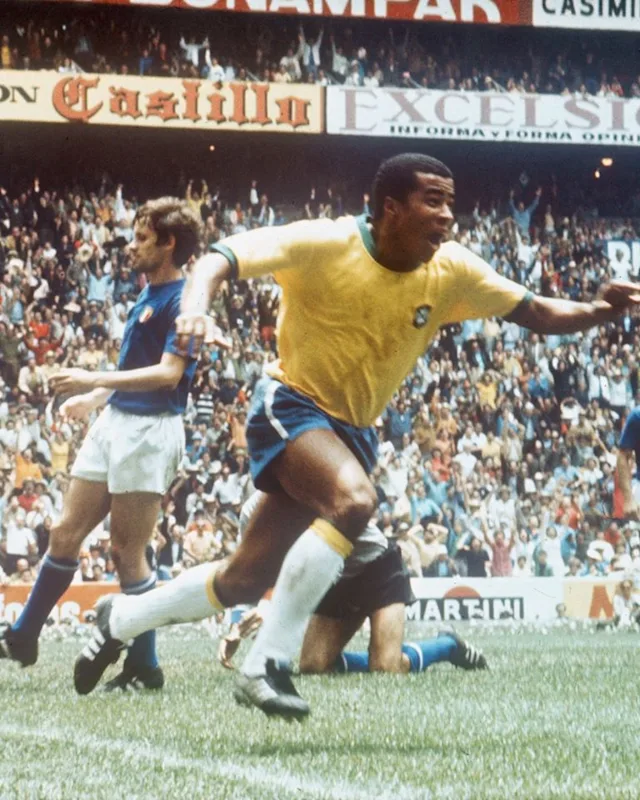
Brazil’s yellow and green 1970 World Cup jersey is arguably the most recognisable football shirt ever created.
Its simple yellow body, green collar and blue shorts became permanently associated with Pelé, Jairzinho, Carlos Alberto and one of the greatest teams in football history. Brazil won its third World Cup title in this kit after defeating Italy in the final.
The timeless colour combination remains central to Brazil’s football identity, making the Brazil 1970 jersey one of the best World Cup kits of all time.
2. England 1966 Red Jersey
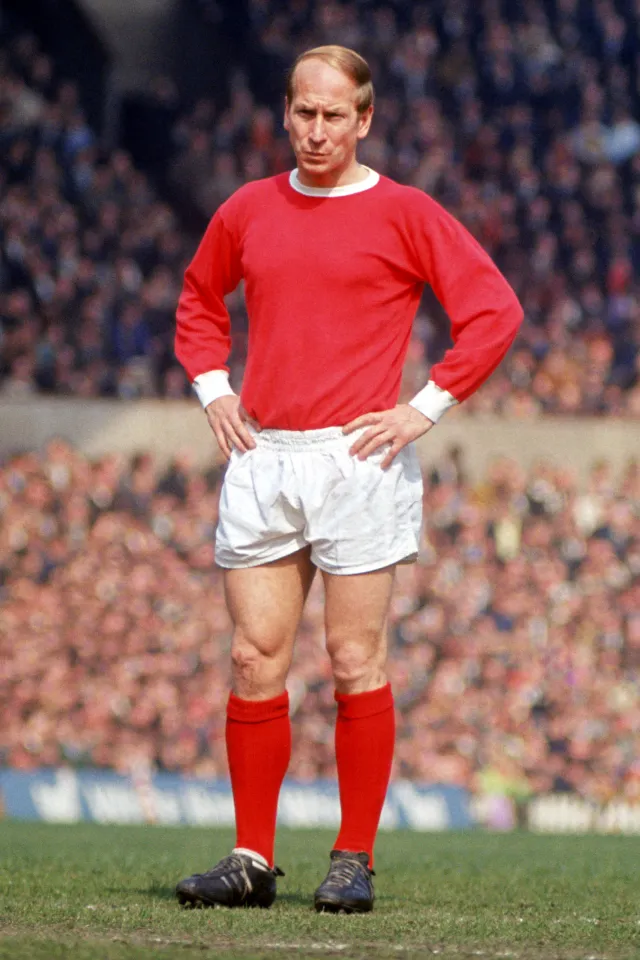
England usually play in white, but the country’s greatest football moment came while wearing red.
England wore its red away jersey during the 1966 World Cup final against West Germany at Wembley. Geoff Hurst scored a historic hat-trick as England won 4–2 and lifted its first World Cup trophy.
Because of that victory, the minimalist red shirt with the Three Lions badge continues to hold a special place among classic football shirts.
3. Netherlands 1974 Home Jersey
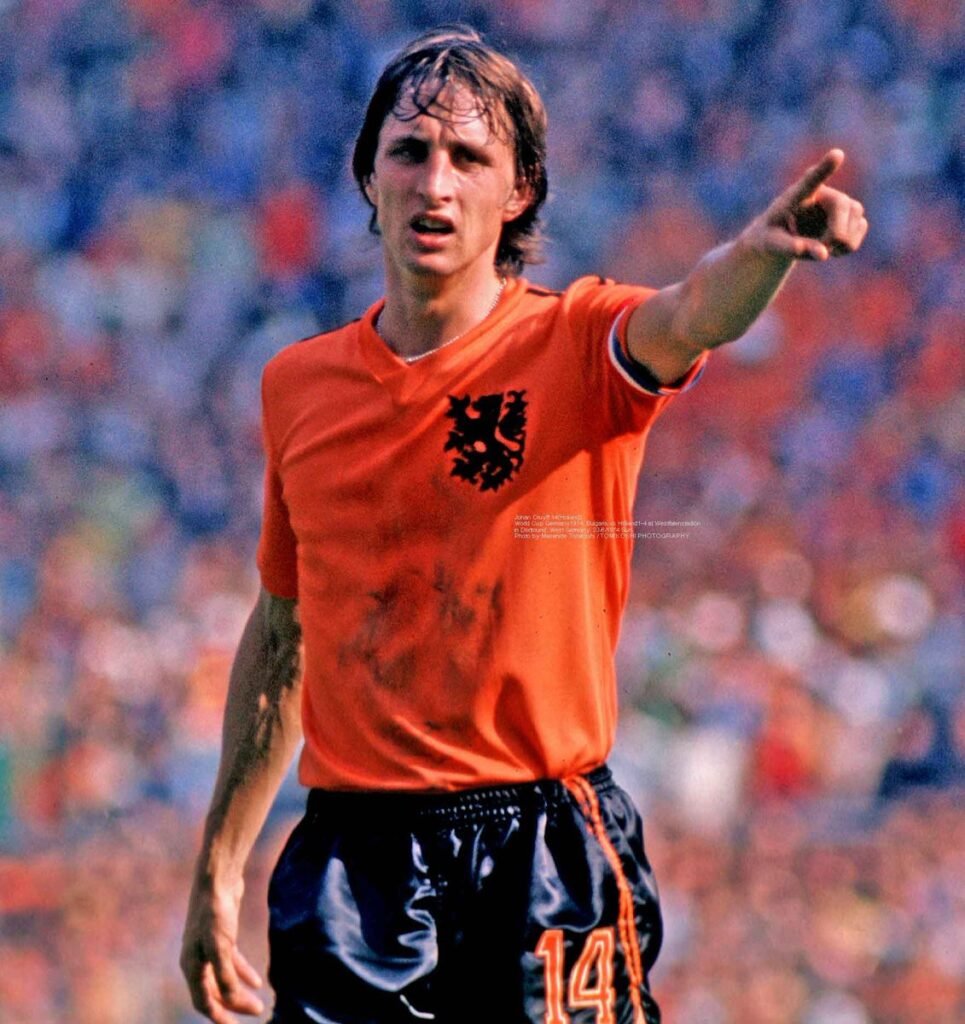
The bright orange Netherlands jersey from the 1974 World Cup became a symbol of Total Football.
Led by Johan Cruyff, the Dutch team captivated supporters with its movement, creativity and attacking philosophy. Although the Netherlands lost the final to West Germany, its orange shirt became almost as famous as the team’s revolutionary playing style.
The Netherlands 1974 jersey proves that a team does not have to win the World Cup to create an unforgettable football legacy.
4. Argentina 1986 Away Jersey
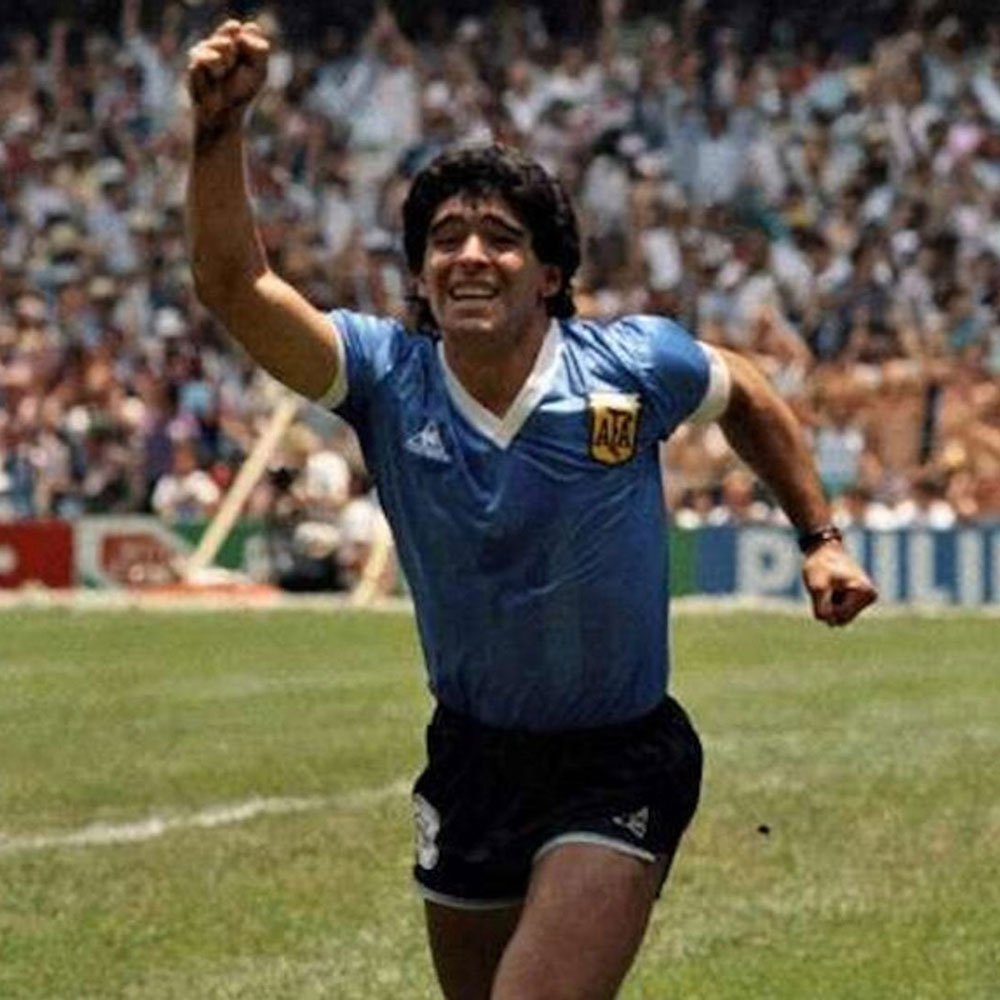
Argentina’s blue 1986 World Cup shirt will always be connected with Diego Maradona’s extraordinary performance against England.
Maradona wore the jersey while scoring both the controversial “Hand of God” goal and the spectacular strike later voted the “Goal of the Century”. Argentina eventually won the tournament, with Maradona establishing himself as one of football’s greatest players.
Its deep blue colour, white stripes and association with a legendary match make the Argentina 1986 jersey an essential part of World Cup history.
5. Denmark 1986 Home Jersey
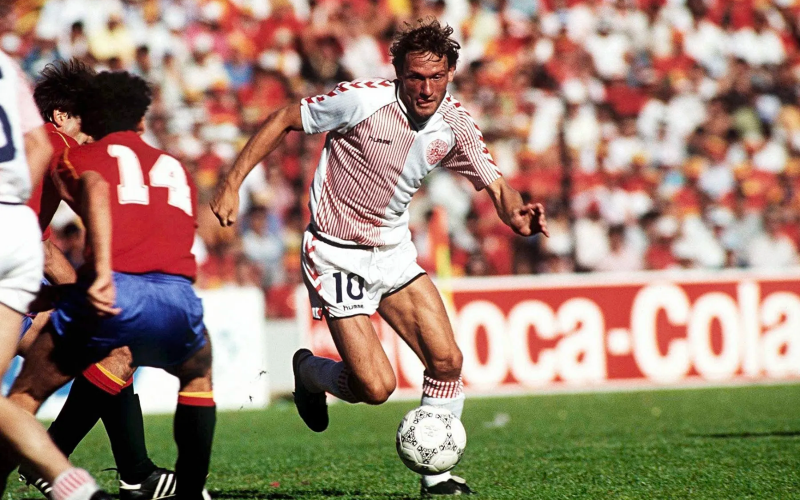
Denmark’s 1986 World Cup jersey remains one of football’s most daring designs.
Created by Hummel, the shirt featured one solid-red half and another covered with red-and-white pinstripes. The contrasting panels and chevron-covered sleeves made it unlike anything else being worn at the tournament.
Denmark impressed supporters with its attacking football in Mexico, while the unusual jersey became a favourite among retro football shirt collectors.
6. West Germany 1990 Home Jersey
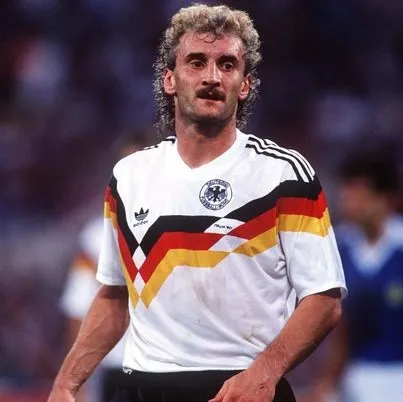
The West Germany 1990 World Cup kit combined a clean white base with a dramatic geometric pattern in black, red and gold.
Players such as Lothar Matthäus and Jürgen Klinsmann wore the shirt as West Germany defeated Argentina in the final and secured its third World Cup title.
The bold national-colour graphic influenced several future German kits. It also reached the final of a BBC fan poll to determine the greatest World Cup jersey, narrowly losing to Brazil’s 1970 shirt.
7. United States 1994 Away Jersey
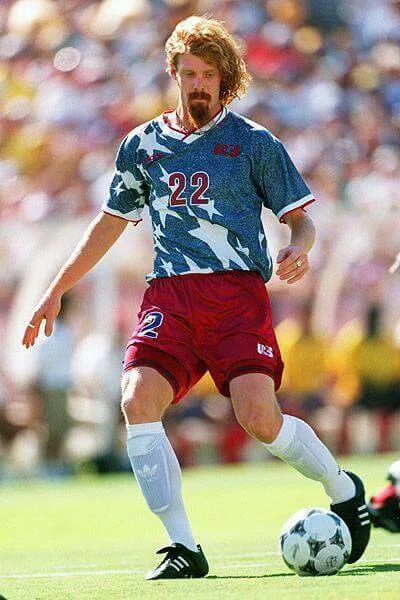
Few World Cup football shirts divided opinion like the United States’ 1994 away jersey.
Designed to resemble washed denim, the blue shirt was covered with large white stars. The unusual design reflected the bold visual culture of the 1990s and gave the host nation a distinctive identity.
Initially criticised by some supporters, the USA 1994 denim jersey later became a cult classic and one of the most sought-after retro soccer jerseys.
8. Mexico 1998 Home Jersey
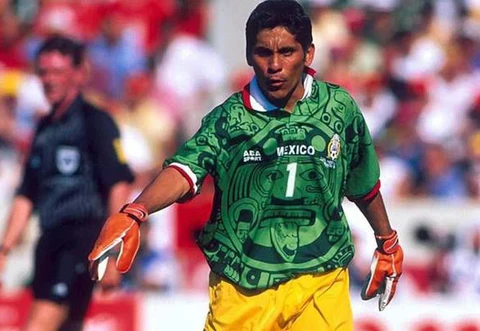
Mexico’s 1998 World Cup jersey successfully combined football design with national heritage.
The green shirt featured a detailed pattern inspired by the Aztec Sun Stone, creating one of the most culturally distinctive kits ever seen at a World Cup. Designed by Mexican manufacturer ABA Sport, it immediately stood apart from the simpler jerseys worn by many other teams.
The Mexico 1998 jersey remains popular with collectors and continues to influence modern Mexican football kits.
9. Croatia 1998 Home Jersey
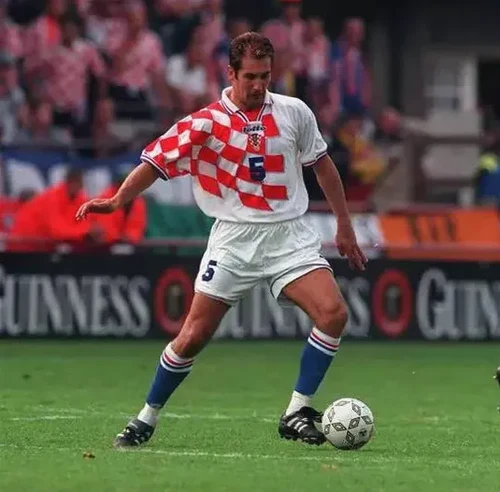
Croatia made its FIFA World Cup debut in 1998 and immediately introduced one of the tournament’s most recognisable visual identities.
Its white jersey featured large red checks inspired by the Croatian national coat of arms. Worn by stars including Davor Šuker, the kit became associated with Croatia’s remarkable run to third place.
The red-and-white checkerboard pattern has remained central to every Croatian jersey since, making the 1998 version a defining national football shirt.
10. France 1998 Home Jersey
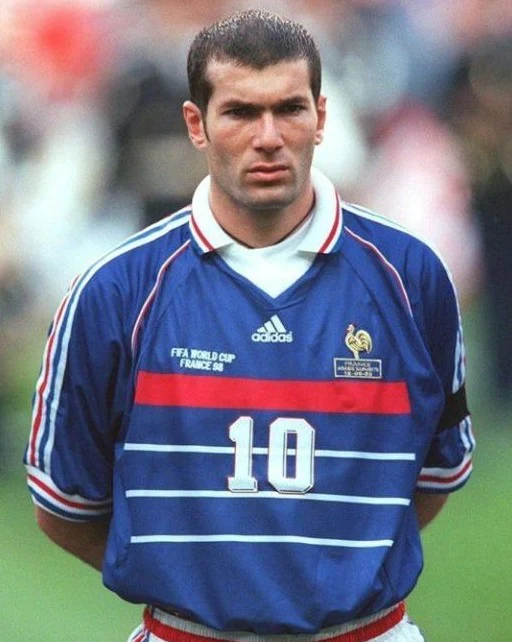
France’s 1998 home jersey became iconic after the host nation won its first FIFA World Cup.
The dark-blue Adidas shirt featured a horizontal red stripe, white details and a design influenced by France’s successful 1984 European Championship kit. Zinedine Zidane wore it while scoring twice against Brazil in the World Cup final.
Its connection with France’s historic triumph ensures that the France 1998 shirt remains one of the most famous football jerseys of the modern era.
Honourable Mention: Nigeria 2018 Home Jersey

Nigeria’s 2018 World Cup jersey changed the way football kits were viewed outside stadiums.
Its bright-green zigzag pattern, black-and-white sleeves and energetic “Naija” identity transformed the shirt into an international fashion item. The collection referenced Nigeria’s football heritage while celebrating the confidence and creativity of contemporary Nigerian youth culture.
Huge demand, celebrity attention and its streetwear appeal helped make the Nigeria 2018 jersey one of the most iconic modern World Cup kits.
Why Do World Cup Jerseys Become Iconic?
A memorable jersey usually combines distinctive design with an unforgettable football story. Winning a trophy can turn a simple shirt into a national symbol, while a creative pattern can help an underdog team remain culturally relevant decades later.
Nostalgia also plays an important role. Classic World Cup jerseys remind supporters of famous players, childhood tournaments and moments shared with family and friends. That emotional connection explains why retro football jerseys continue to influence sportswear and street fashion.
Which Is the Greatest World Cup Jersey Ever?
Brazil’s 1970 home jersey is often considered the greatest World Cup shirt of all time. Its simple design, association with Pelé and connection with one of football’s finest teams give it an unmatched legacy.
However, football style remains subjective. Some fans prefer the bold graphics of Mexico 1998, the national colours of Germany 1990 or the fashion appeal of Nigeria 2018.
What is certain is that these iconic FIFA World Cup jerseys represent much more than football clothing. They are wearable pieces of sporting history.
Frequently Asked Questions
What is the most iconic FIFA World Cup jersey?
Brazil’s yellow 1970 World Cup jersey is widely regarded as the most iconic because it was worn by Pelé and Brazil’s legendary World Cup-winning team.
Which World Cup jersey has the boldest design?
Mexico’s 1998 Aztec-inspired shirt, Denmark’s split 1986 jersey and the USA’s 1994 denim kit are among the boldest designs in tournament history.
Why was Nigeria’s 2018 jersey so popular?
Nigeria’s 2018 kit combined a striking zigzag design with streetwear styling, Nigerian youth culture and strong social-media visibility.
Are retro World Cup jerseys valuable?
Original retro World Cup shirts can become valuable depending on their rarity, condition, authenticity, tournament and connection with famous players or matches.
Also Read: Shakira and FIFA World Cup: From Waka Waka to Dai Dai 2026

Best Indian Designers Redefining Global Luxury

Most Stylish Social Media Stars: Digital Fashion Icons Defining 2026

The Dark Side of Fake Spirituality on Social Media

Top 5 Most Dangerous Zodiac Signs Based on Their Personality Traits

Most Iconic FIFA World Cup Jerseys of All Time

Why Aquarius Signs Are Visionaries Ahead of Their Time

Shakira and FIFA World Cup: From Waka Waka to Dai Dai 2026

The Rise of Spiritual Luxury Travel: Retreats, Wellness & Culture

Top Female Entrepreneurs Who Started as Influencers

Signs You’re Going Through a Spiritual Awakening
Dorsia, Gurgaon’s One Of The Biggest BYOBs
Top 10 Best Dressed Politicians In The World

Breaking the Mold: How Demon Slayer Redefines the Shonen Genre?
15 Best Quotes Of Toy Story About Friendship.

Sabrina Carpenter’s Man’s Best Friend and the Politics of Pop Imagery

The NOU Walk Of Life : New Talk of Town in Luxury Footwear
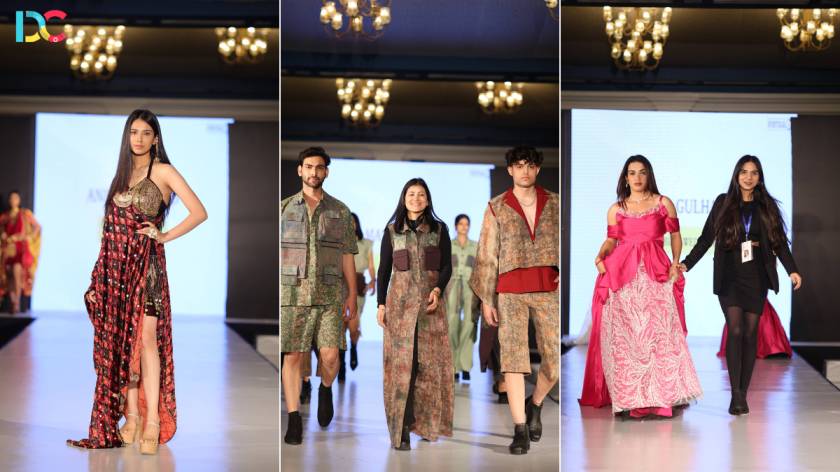
Emerging Fashion Designers India Contest Wraps Up in the Most Spectacular Fashion
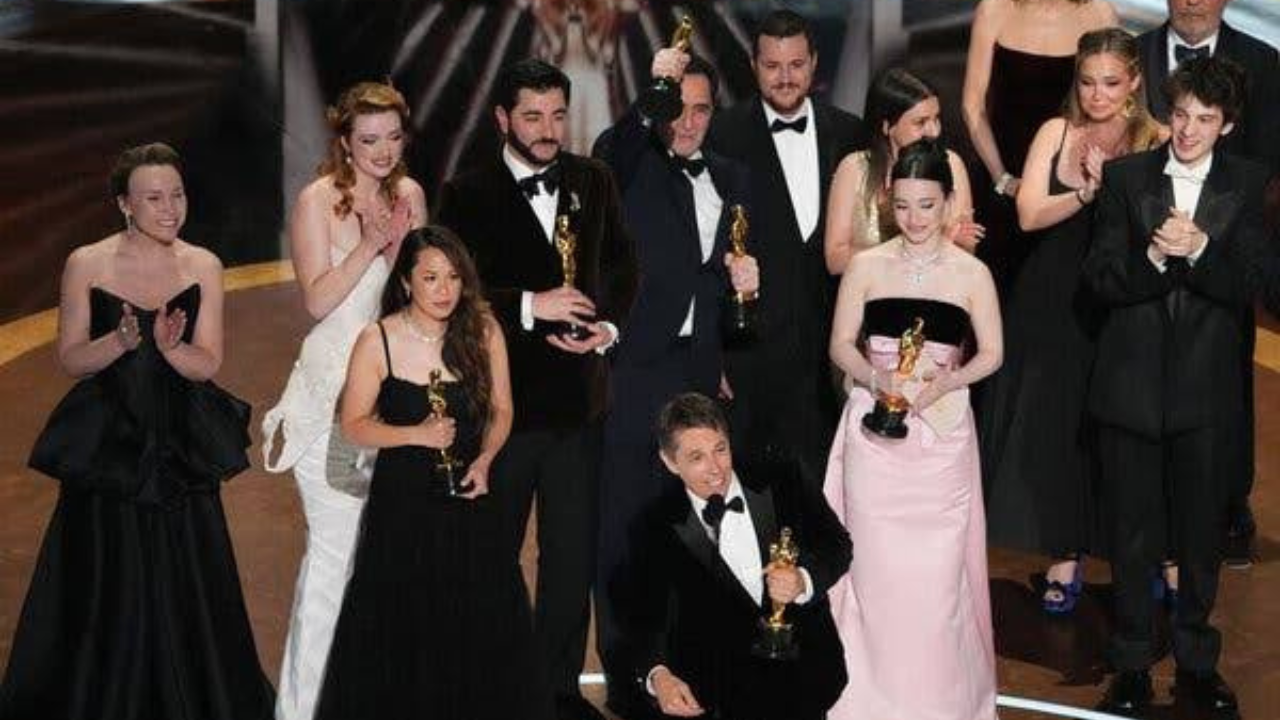
The Most Memorable Highlights from the 2025 Academy Awards
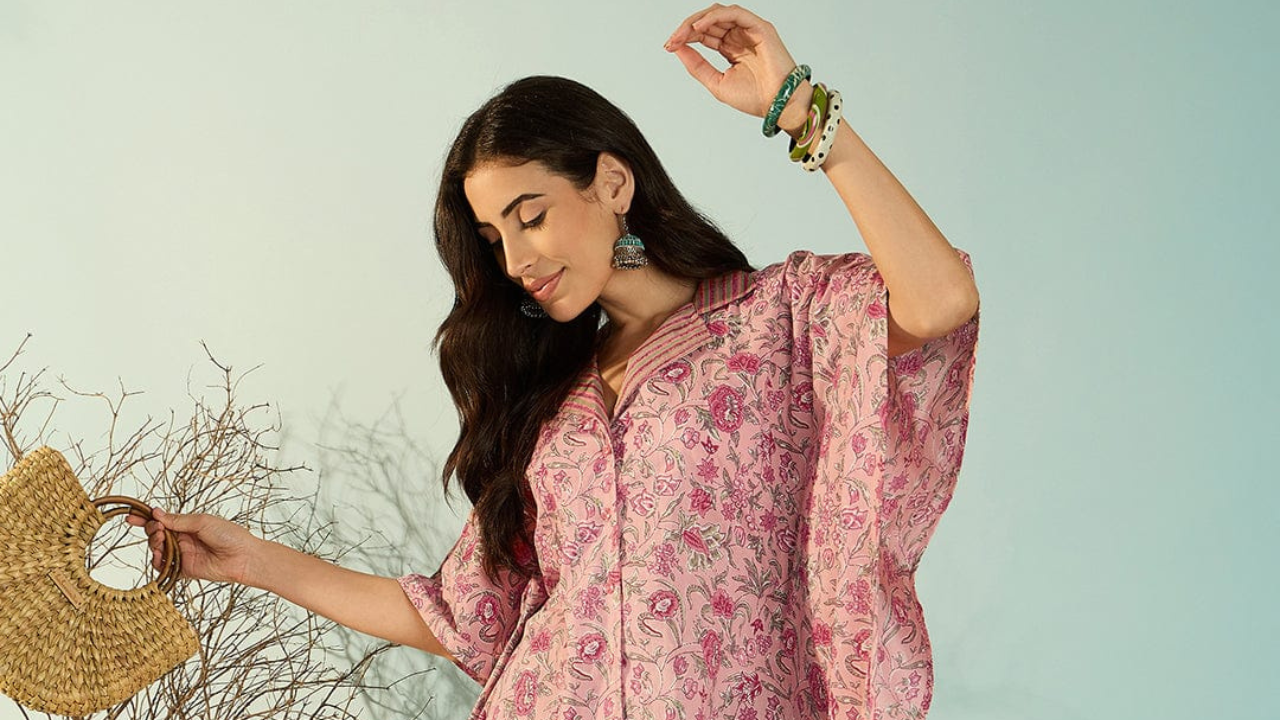
Kaftans: The New Festive Staple Taking Over Indian Wardrobes
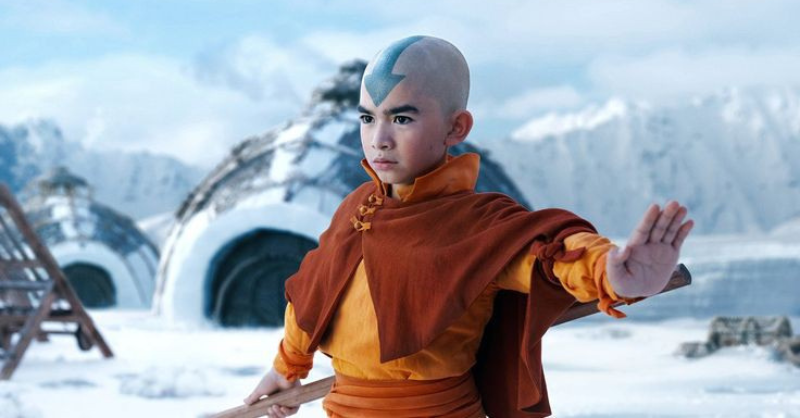
Are Live-Action Adaptations a Risky Bet for Studios?
-
 Entertainment6 months ago
Inside the Creator Economy: Who’s Making Millions in 2026?
-
 Events6 months ago
Top 10 Best Dressed Female Politicians in the World
-
 Horoscope6 months ago
Why Scorpio Is So Attractive And Hard to Handle
-

 Fashion5 months ago
Best Mother’s Day Gifts 2026
-

 Events6 months ago
7 Ways to Make Your Mom Feel Special This Mother’s Day
-
 Beauty5 months ago
Most Stylish Indian Female News Anchors Who Redefine Glamour & Journalism
-
 Horoscope5 months ago
The Dark Side of Every Zodiac Sign
-

 Horoscope4 months ago
AI Gurus & Digital Faith: Is Technology Changing Spirituality?