Fashion
Sustainable Fashion Trends Shaping the Future of Style Globally
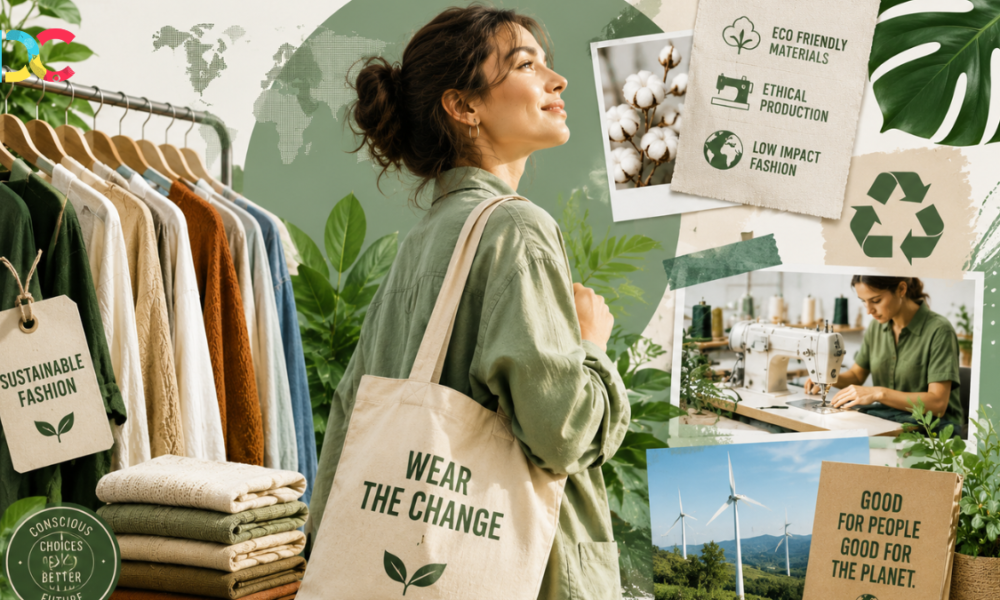
The fashion industry is experiencing a significant transformation in 2026 as sustainability moves from being a niche movement to a mainstream expectation. Consumers are increasingly prioritizing environmental responsibility, ethical production, and conscious consumption when making purchasing decisions. As a result, sustainable fashion trends are redefining how clothing is designed, manufactured, marketed, and consumed across the globe.
With climate concerns, rising awareness about textile waste, and growing demand for transparency, brands are embracing innovative solutions that balance style with sustainability. From circular fashion models to eco-friendly fabrics, the future of fashion is becoming greener than ever before.
Why Sustainable Fashion Matters More Than Ever
The fashion industry has long been criticized for its environmental impact. Fast fashion contributes significantly to carbon emissions, water pollution, and textile waste. Today’s consumers, particularly Millennials and Gen Z, are seeking alternatives that align with their values.
Sustainable fashion focuses on reducing environmental harm while promoting ethical labor practices and responsible production methods. It encourages quality over quantity and supports a more circular approach to clothing consumption.
Top Sustainable Fashion Trends in 2026
1. Circular Fashion Takes Center Stage
Circular fashion has become one of the most influential trends in the industry. Instead of the traditional “buy, use, dispose” model, brands are creating systems that extend product lifecycles through resale, repair, rental, and recycling programs.
Consumers are increasingly embracing second-hand fashion and clothing rental platforms, helping reduce waste while making fashion more accessible and affordable.
2. Eco-Friendly Fabrics Gain Popularity
The demand for sustainable textiles continues to rise as brands invest in innovative materials. Organic cotton, hemp, bamboo, recycled polyester, and biodegradable fabrics are becoming industry standards.
Many fashion companies are also experimenting with next-generation materials made from seaweed, mushrooms, agricultural waste, and lab-grown fibers, significantly reducing their environmental footprint.
3. Slow Fashion Over Fast Fashion
The slow fashion movement is encouraging consumers to invest in timeless, high-quality pieces rather than following rapidly changing trends. Shoppers are becoming more mindful of their purchases, choosing garments that last longer and offer better value.
This shift is driving brands to focus on craftsmanship, durability, and responsible sourcing rather than mass production.
4. Transparency and Traceability
Modern consumers want to know where their clothes come from. In response, brands are using digital technologies to provide detailed information about sourcing, manufacturing processes, and environmental impact.
Supply chain transparency has become a competitive advantage, helping consumers make informed purchasing decisions while building trust in sustainable fashion brands.
5. Rise of Vegan Fashion
Vegan fashion continues to gain momentum in 2026 as consumers seek cruelty-free alternatives to traditional leather, wool, and other animal-derived materials.
Innovative plant-based materials made from cactus, pineapple leaves, mushrooms, and apple waste are offering sustainable alternatives without compromising on style or quality.
6. Carbon-Neutral Fashion Initiatives
Many leading brands are setting ambitious sustainability goals by investing in renewable energy, carbon offset programs, and low-emission manufacturing processes.
Carbon-neutral collections are becoming increasingly common as companies work to minimize their environmental impact and meet growing consumer expectations.
7. Digital Fashion and Virtual Clothing
Technology is creating new opportunities for sustainability through digital fashion. Virtual clothing, augmented reality fittings, and AI-powered design processes help reduce waste while offering unique experiences for consumers.
Digital fashion is particularly popular among younger audiences and is expected to play a larger role in the future of the industry.
Consumer Behavior Driving Change
The modern consumer is more informed than ever before. Social media, sustainability reports, and environmental awareness campaigns have educated shoppers about the true cost of fast fashion.
Consumers are actively supporting brands that demonstrate authentic commitments to sustainability, ethical manufacturing, and environmental stewardship. This shift in behavior is encouraging companies to adopt more responsible business practices.
Challenges Facing Sustainable Fashion
Despite significant progress, sustainable fashion still faces several challenges. Higher production costs, limited access to sustainable materials, and concerns about greenwashing remain industry-wide issues.
However, advancements in technology, growing consumer demand, and stronger regulations are helping accelerate the transition toward a more sustainable fashion ecosystem.
The Future of Sustainable Fashion
Looking ahead, sustainability will continue to shape the fashion industry’s future. Innovations in textile recycling, regenerative agriculture, artificial intelligence, and circular business models will further improve efficiency and reduce environmental impact.
Brands that prioritize transparency, innovation, and ethical practices will be best positioned to thrive in an increasingly conscious marketplace.
Sustainable fashion trends in 2026 reflect a broader shift toward responsible consumption and environmental awareness. From circular fashion and eco-friendly materials to vegan alternatives and carbon-neutral production, the industry is embracing meaningful change.
As consumers continue demanding greater accountability from brands, sustainable fashion is set to become the foundation of the future fashion landscape. The movement is no longer about simply looking good it’s about making choices that benefit people, the planet, and future generations.
Also Read: Sustainable Fashion Brands Changing the Industry.
Casiniakasino_Reviews
31.05.2026 at 3:51 pm
Sustainable fashion is definitely becoming more popular. I wonder how many couples are considering eco-friendly options for their weddings now.