Fashion
Sustainable Fashion Brands Changing the Industry.

The global fashion industry is undergoing a massive transformation as consumers increasingly prioritize sustainability, ethical sourcing, and environmental responsibility. Today, sustainable fashion is no longer a niche movement it has become a powerful force reshaping how clothing is designed, manufactured, and consumed.
With growing concerns about climate change, textile waste, and unethical labor practices, fashion-conscious consumers are actively seeking eco-friendly clothing brands that align with their values. As a result, sustainable fashion brands are leading the way by introducing innovative materials, transparent supply chains, and circular fashion models.
Why Sustainable Fashion Matters in 2026
The fashion industry is responsible for approximately 10% of global carbon emissions and generates millions of tons of textile waste annually. Fast fashion’s rapid production cycles have contributed significantly to environmental degradation.
Sustainable fashion addresses these challenges through:
- Ethical manufacturing practices
- Organic and recycled materials
- Reduced carbon footprint
- Fair wages and worker welfare
- Circular fashion and clothing recycling
- Water conservation initiatives
Consumers today are increasingly searching for terms such as “sustainable clothing brands,” “eco-friendly fashion,” and “ethical fashion brands,” making sustainability a major trend in the global apparel market.
Top Sustainable Fashion Brands Leading the Change
Patagonia
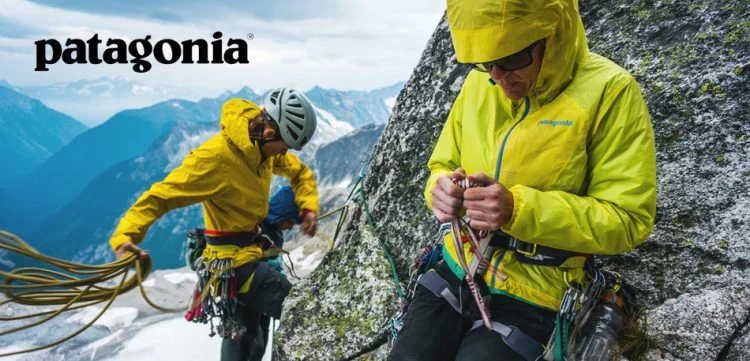

Patagonia continues to set industry standards for environmental activism and sustainable production. The brand uses recycled polyester, organic cotton, and Fair Trade Certified manufacturing processes.
Its Worn Wear program encourages customers to repair, reuse, and recycle garments rather than discard them, promoting a circular economy approach.
Stella McCartney


A pioneer in luxury sustainable fashion, Stella McCartney remains committed to cruelty-free and environmentally conscious production. The brand avoids leather and fur while investing in innovative bio-based materials.
By combining luxury aesthetics with sustainability, Stella McCartney proves that fashion can be both premium and responsible.
Reformation


Known for its trendy designs and transparent sustainability reports, Reformation has become one of the most recognized eco-friendly fashion brands globally.
The company tracks environmental impact metrics, including water usage and carbon emissions, allowing consumers to make informed purchasing decisions.
PANGAIA
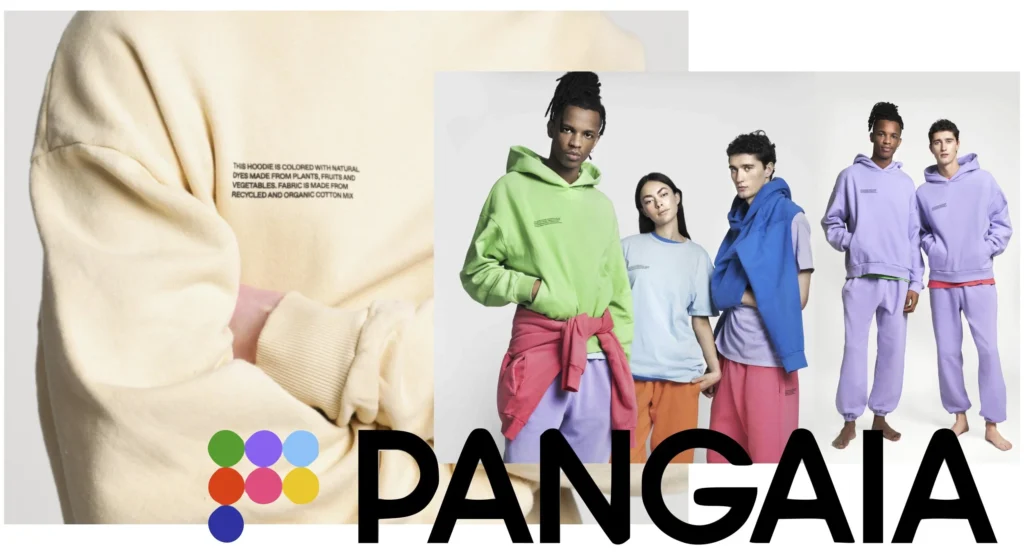

PANGAIA focuses on material innovation by creating garments from recycled fibers, seaweed, and plant-based alternatives.
Its research-driven approach demonstrates how science and fashion can work together to reduce environmental impact while maintaining style and functionality.
Veja


The footwear industry has also embraced sustainability through brands like Veja. The company uses organic cotton, Amazonian rubber, and recycled plastic bottles in its production process.
Veja’s transparent supply chain and ethical sourcing practices have made it a favorite among environmentally conscious consumers.
Sustainable fashion brands are transforming the industry by addressing environmental challenges, promoting ethical production, and introducing innovative materials. From established leaders like Patagonia and Stella McCartney to emerging innovators such as PANGAIA and Veja, these companies are redefining what modern fashion looks like.
As consumers increasingly demand transparency and sustainability, brands that prioritize environmental responsibility will continue to shape the future of fashion. The shift toward eco-friendly clothing is not just a trend it is a movement that is changing the industry for generations to come.
Also Read: AI Gurus & Digital Faith: Is Technology Changing Spirituality?
Pingback: Sustainable Fashion Trends Shaping the Future of Style Globally
Pingback: Why Aries Are Natural Born Leaders and Fearless Risk Takers