Lifestyle
The Rise of Virtual Influencers: Real Fame or Just Digital Illusion?
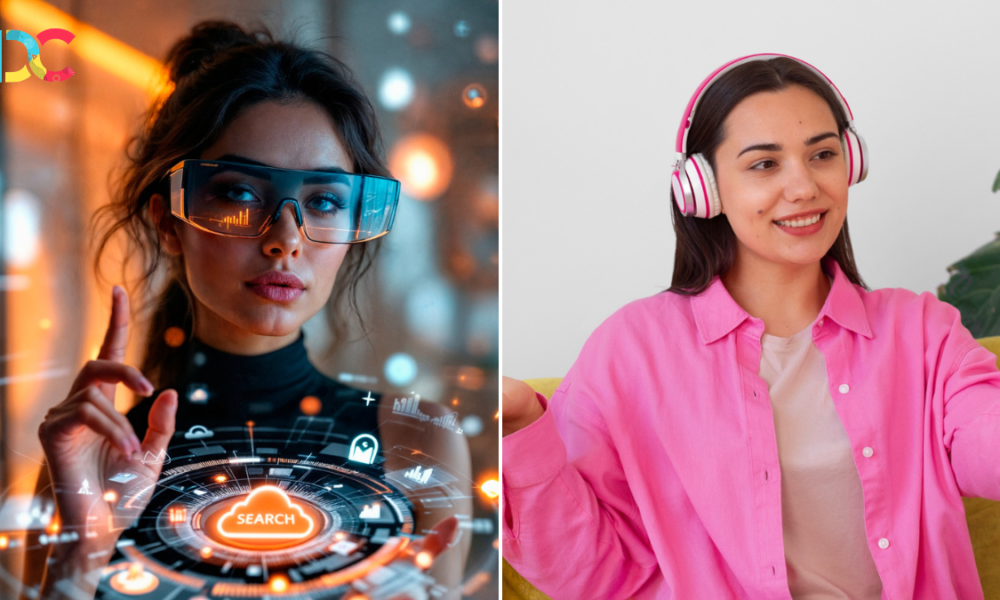
Scroll through social media today, and you might come across glamorous fashion models, lifestyle creators, or music stars with millions of followers only to realize they don’t actually exist. Welcome to the world of virtual influencers, where computer-generated personalities are becoming internet celebrities, landing major brand deals, and shaping online culture just like real humans.
Virtual influencers are digital characters designed using CGI, AI, and creative storytelling. They have carefully crafted personalities, unique styles, and social media profiles that feel incredibly real. Some share fashion tips, some promote luxury brands, and others even talk about social issues. At first glance, it’s easy to forget these influencers are entirely fictional.


So why are they becoming so popular? The answer lies in the changing nature of fame itself. Social media has always been about attention, aesthetics, and engagement and virtual influencers are built perfectly for that world. They never age, never face personal scandals, and can be customized to fit any trend or campaign. For brands, this is a dream come true. Instead of working with unpredictable human influencers, companies get complete control over image, messaging, and reputation.
But while this may sound futuristic and exciting, it also raises important questions. Social media became powerful because people connected with real stories, real struggles, and authentic personalities. Virtual influencers blur that connection. Their lives, opinions, and emotions are often scripted by teams of creators, making their “authenticity” feel questionable. Can followers truly relate to someone who doesn’t exist, or are they simply engaging with digital entertainment?
This is where the debate around “real or fake fame” becomes more interesting. Fame today is no longer based only on talent or human presence it’s about visibility, engagement, and influence. If a virtual influencer can inspire trends, sell products, and shape conversations, does it really matter that they aren’t real? For many younger audiences, especially Gen Z, digital identity is already a huge part of life, so the line between real and virtual may not feel as important as it once did.
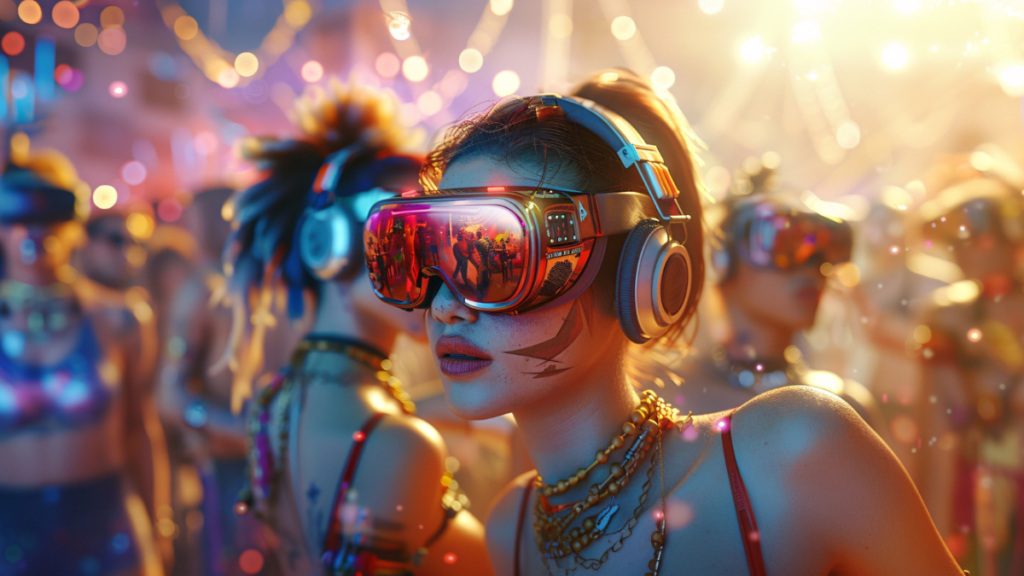
Still, there are concerns about transparency and ethics. As virtual influencers become more lifelike, audiences may not always realize they are interacting with fictional creations. This can create trust issues, especially when it comes to advertising or promoting unrealistic beauty standards. The more realistic these digital stars become, the more society will need clear boundaries around honesty and disclosure.
The rise of virtual influencers is more than just a passing trend it’s a reflection of how technology is reshaping culture, marketing, and even celebrity itself. They represent a future where influence can be designed, programmed, and marketed just as strategically as any product.
In the end, virtual influencers may not replace human creators, but they are definitely redefining what fame looks like in the digital age. Whether you see them as innovative, entertaining, or slightly unsettling, one thing is clear: in today’s online world, fame doesn’t always have to be real to be powerful.
Also Read: The Dark Side of Every Zodiac Sign
Pingback: Why Leos are considered the most charismatic zodiac sign.