Fashion
Most Iconic FIFA World Cup Jerseys of All Time
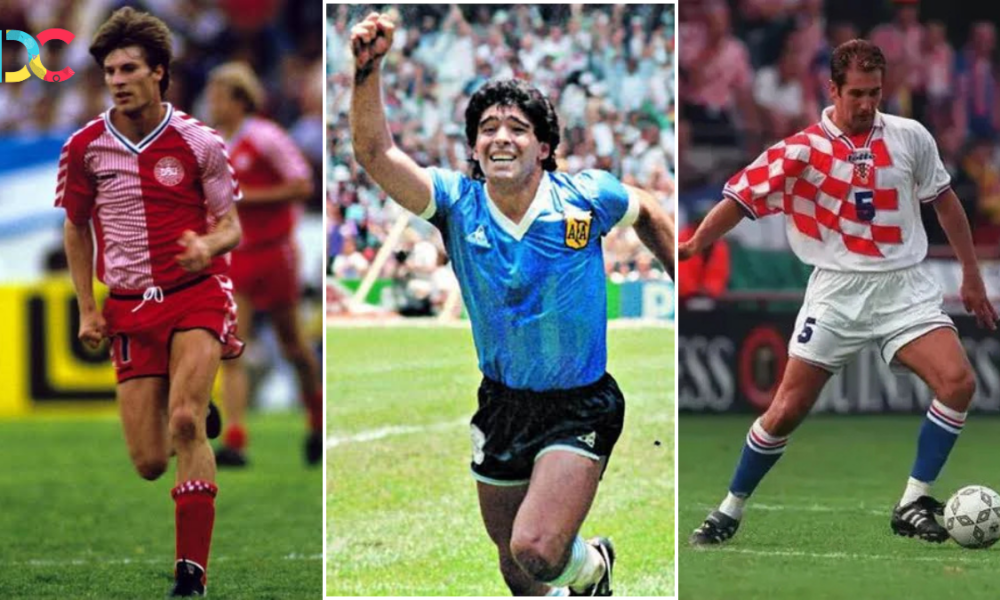
Football jerseys are more than sporting uniforms. They represent national identity, unforgettable matches and generations of football memories.
Some FIFA World Cup jerseys became legendary because their teams lifted the trophy. Others earned cult status through bold designs, cultural references or their connection with iconic players. From Pelé’s yellow Brazil shirt to Nigeria’s streetwear-inspired 2018 kit, these are the most iconic FIFA World Cup jerseys of all time.
1. Brazil 1970 Home Jersey
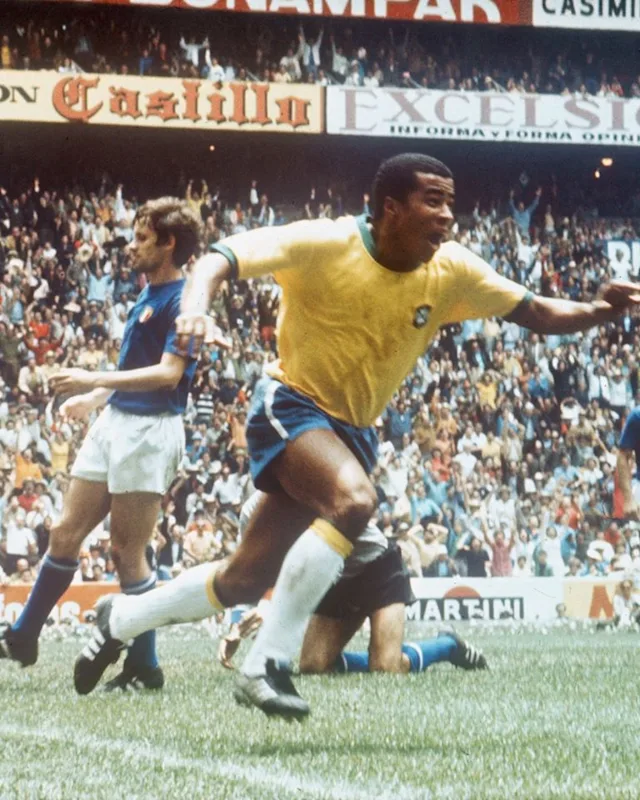

Brazil’s yellow and green 1970 World Cup jersey is arguably the most recognisable football shirt ever created.
Its simple yellow body, green collar and blue shorts became permanently associated with Pelé, Jairzinho, Carlos Alberto and one of the greatest teams in football history. Brazil won its third World Cup title in this kit after defeating Italy in the final.
The timeless colour combination remains central to Brazil’s football identity, making the Brazil 1970 jersey one of the best World Cup kits of all time.
2. England 1966 Red Jersey
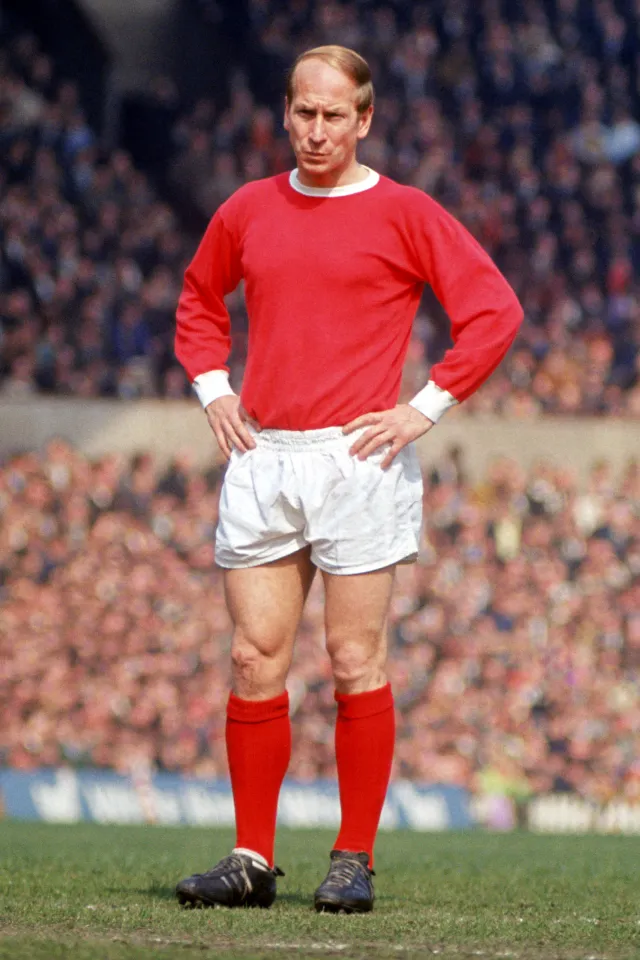

England usually play in white, but the country’s greatest football moment came while wearing red.
England wore its red away jersey during the 1966 World Cup final against West Germany at Wembley. Geoff Hurst scored a historic hat-trick as England won 4–2 and lifted its first World Cup trophy.
Because of that victory, the minimalist red shirt with the Three Lions badge continues to hold a special place among classic football shirts.
3. Netherlands 1974 Home Jersey
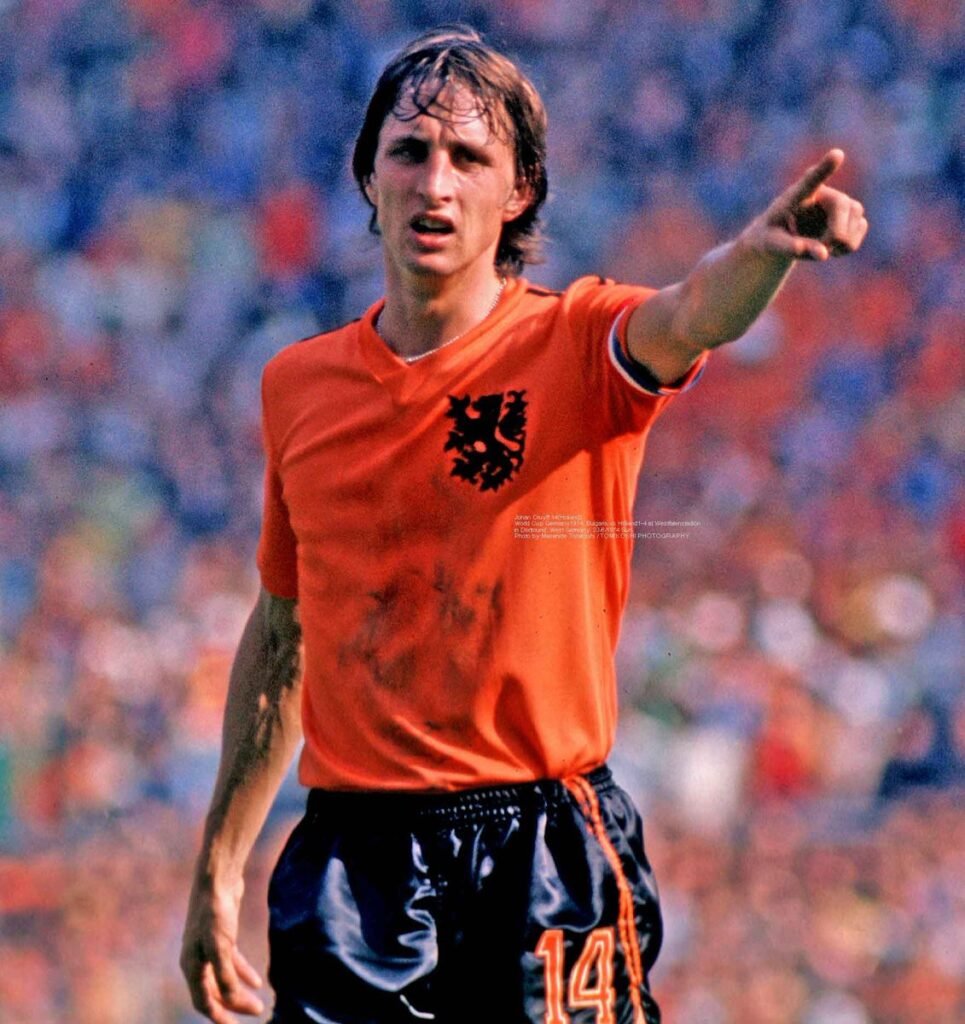

The bright orange Netherlands jersey from the 1974 World Cup became a symbol of Total Football.
Led by Johan Cruyff, the Dutch team captivated supporters with its movement, creativity and attacking philosophy. Although the Netherlands lost the final to West Germany, its orange shirt became almost as famous as the team’s revolutionary playing style.
The Netherlands 1974 jersey proves that a team does not have to win the World Cup to create an unforgettable football legacy.
4. Argentina 1986 Away Jersey
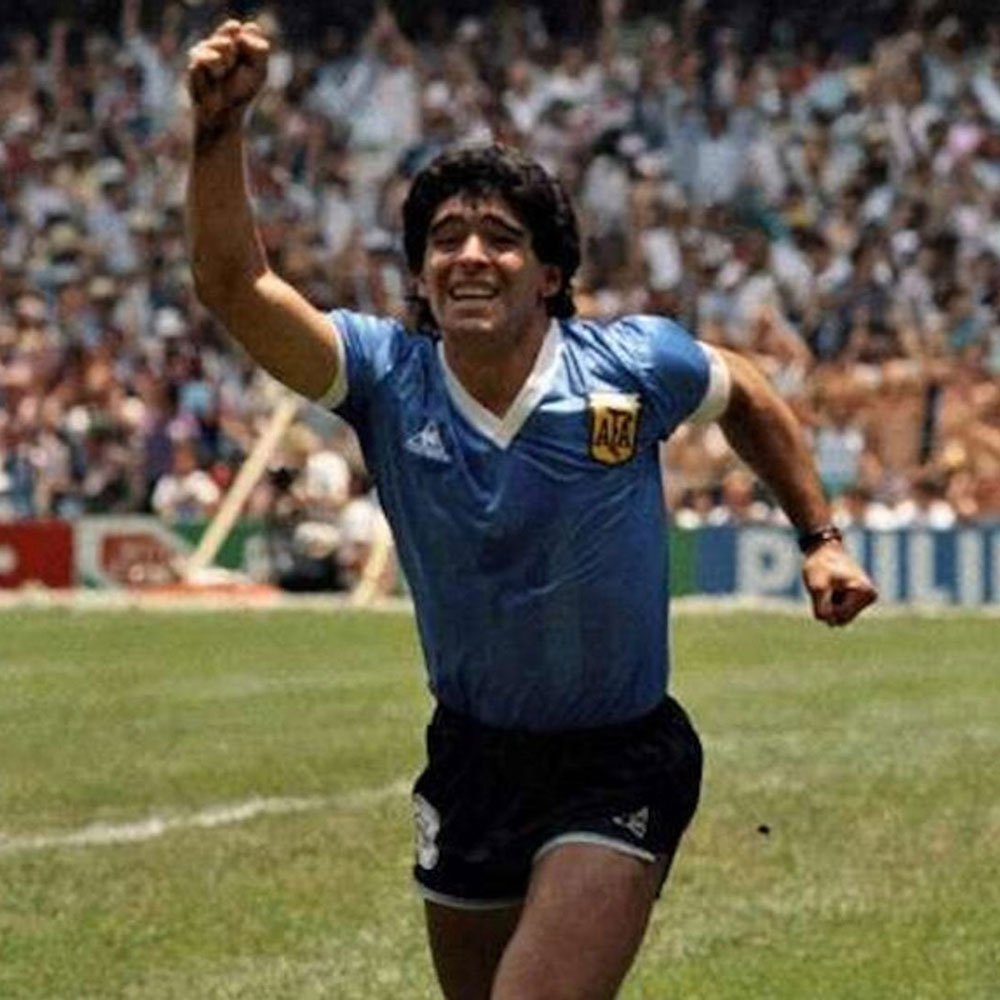

Argentina’s blue 1986 World Cup shirt will always be connected with Diego Maradona’s extraordinary performance against England.
Maradona wore the jersey while scoring both the controversial “Hand of God” goal and the spectacular strike later voted the “Goal of the Century”. Argentina eventually won the tournament, with Maradona establishing himself as one of football’s greatest players.
Its deep blue colour, white stripes and association with a legendary match make the Argentina 1986 jersey an essential part of World Cup history.
5. Denmark 1986 Home Jersey
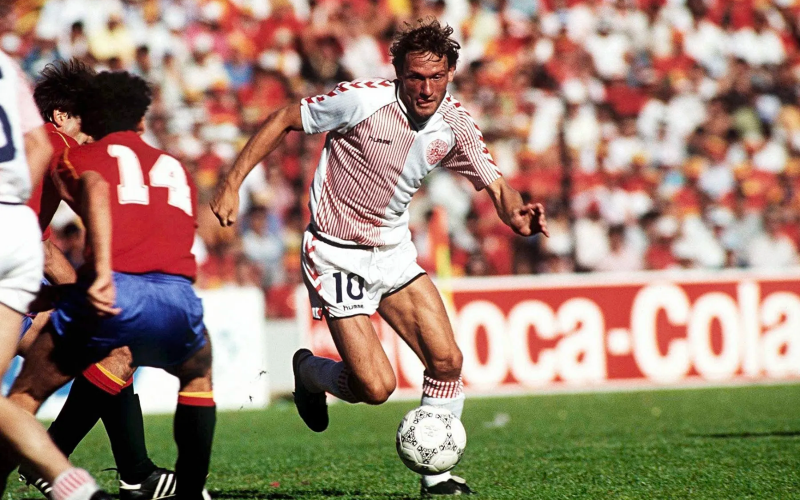

Denmark’s 1986 World Cup jersey remains one of football’s most daring designs.
Created by Hummel, the shirt featured one solid-red half and another covered with red-and-white pinstripes. The contrasting panels and chevron-covered sleeves made it unlike anything else being worn at the tournament.
Denmark impressed supporters with its attacking football in Mexico, while the unusual jersey became a favourite among retro football shirt collectors.
6. West Germany 1990 Home Jersey
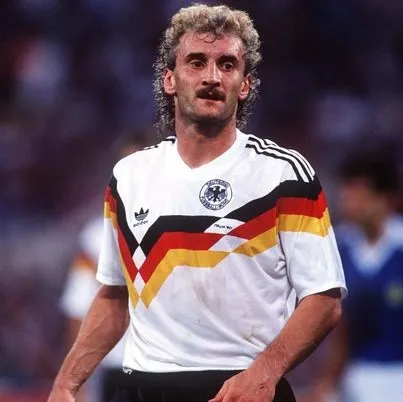

The West Germany 1990 World Cup kit combined a clean white base with a dramatic geometric pattern in black, red and gold.
Players such as Lothar Matthäus and Jürgen Klinsmann wore the shirt as West Germany defeated Argentina in the final and secured its third World Cup title.
The bold national-colour graphic influenced several future German kits. It also reached the final of a BBC fan poll to determine the greatest World Cup jersey, narrowly losing to Brazil’s 1970 shirt.
7. United States 1994 Away Jersey
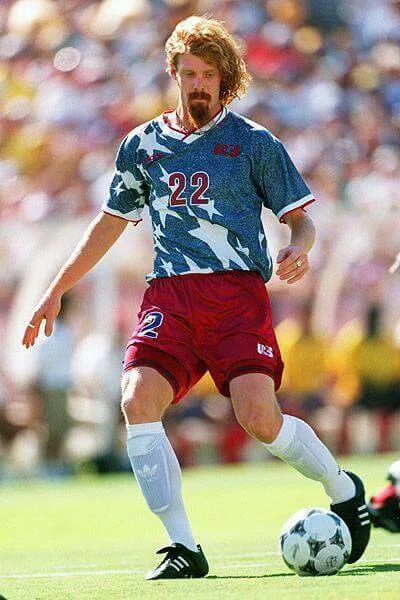

Few World Cup football shirts divided opinion like the United States’ 1994 away jersey.
Designed to resemble washed denim, the blue shirt was covered with large white stars. The unusual design reflected the bold visual culture of the 1990s and gave the host nation a distinctive identity.
Initially criticised by some supporters, the USA 1994 denim jersey later became a cult classic and one of the most sought-after retro soccer jerseys.
8. Mexico 1998 Home Jersey
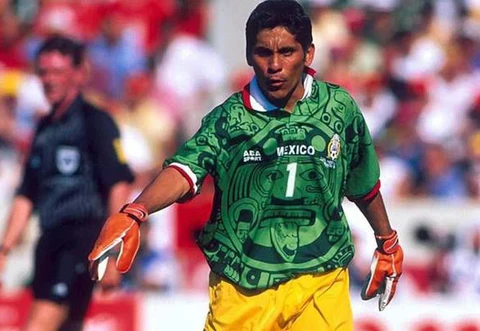

Mexico’s 1998 World Cup jersey successfully combined football design with national heritage.
The green shirt featured a detailed pattern inspired by the Aztec Sun Stone, creating one of the most culturally distinctive kits ever seen at a World Cup. Designed by Mexican manufacturer ABA Sport, it immediately stood apart from the simpler jerseys worn by many other teams.
The Mexico 1998 jersey remains popular with collectors and continues to influence modern Mexican football kits.
9. Croatia 1998 Home Jersey
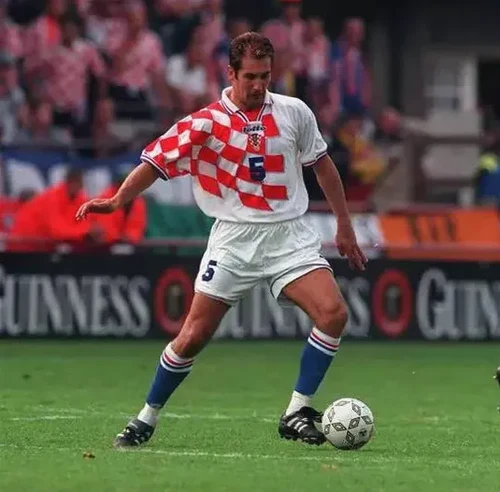

Croatia made its FIFA World Cup debut in 1998 and immediately introduced one of the tournament’s most recognisable visual identities.
Its white jersey featured large red checks inspired by the Croatian national coat of arms. Worn by stars including Davor Šuker, the kit became associated with Croatia’s remarkable run to third place.
The red-and-white checkerboard pattern has remained central to every Croatian jersey since, making the 1998 version a defining national football shirt.
10. France 1998 Home Jersey
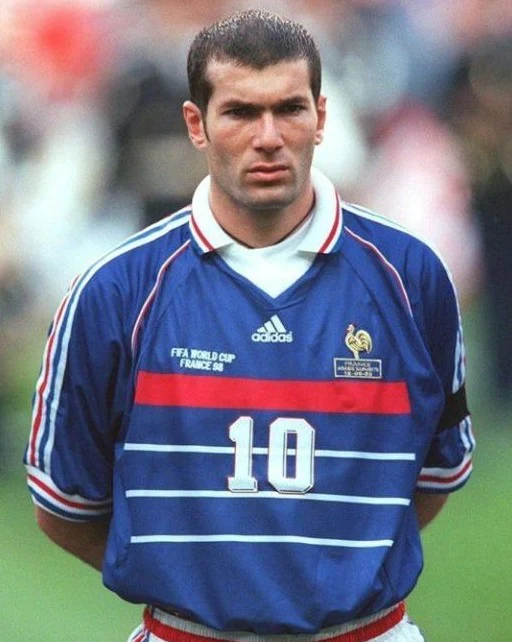

France’s 1998 home jersey became iconic after the host nation won its first FIFA World Cup.
The dark-blue Adidas shirt featured a horizontal red stripe, white details and a design influenced by France’s successful 1984 European Championship kit. Zinedine Zidane wore it while scoring twice against Brazil in the World Cup final.
Its connection with France’s historic triumph ensures that the France 1998 shirt remains one of the most famous football jerseys of the modern era.
Honourable Mention: Nigeria 2018 Home Jersey


Nigeria’s 2018 World Cup jersey changed the way football kits were viewed outside stadiums.
Its bright-green zigzag pattern, black-and-white sleeves and energetic “Naija” identity transformed the shirt into an international fashion item. The collection referenced Nigeria’s football heritage while celebrating the confidence and creativity of contemporary Nigerian youth culture.
Huge demand, celebrity attention and its streetwear appeal helped make the Nigeria 2018 jersey one of the most iconic modern World Cup kits.
Why Do World Cup Jerseys Become Iconic?
A memorable jersey usually combines distinctive design with an unforgettable football story. Winning a trophy can turn a simple shirt into a national symbol, while a creative pattern can help an underdog team remain culturally relevant decades later.
Nostalgia also plays an important role. Classic World Cup jerseys remind supporters of famous players, childhood tournaments and moments shared with family and friends. That emotional connection explains why retro football jerseys continue to influence sportswear and street fashion.
Which Is the Greatest World Cup Jersey Ever?
Brazil’s 1970 home jersey is often considered the greatest World Cup shirt of all time. Its simple design, association with Pelé and connection with one of football’s finest teams give it an unmatched legacy.
However, football style remains subjective. Some fans prefer the bold graphics of Mexico 1998, the national colours of Germany 1990 or the fashion appeal of Nigeria 2018.
What is certain is that these iconic FIFA World Cup jerseys represent much more than football clothing. They are wearable pieces of sporting history.
Frequently Asked Questions
What is the most iconic FIFA World Cup jersey?
Brazil’s yellow 1970 World Cup jersey is widely regarded as the most iconic because it was worn by Pelé and Brazil’s legendary World Cup-winning team.
Which World Cup jersey has the boldest design?
Mexico’s 1998 Aztec-inspired shirt, Denmark’s split 1986 jersey and the USA’s 1994 denim kit are among the boldest designs in tournament history.
Why was Nigeria’s 2018 jersey so popular?
Nigeria’s 2018 kit combined a striking zigzag design with streetwear styling, Nigerian youth culture and strong social-media visibility.
Are retro World Cup jerseys valuable?
Original retro World Cup shirts can become valuable depending on their rarity, condition, authenticity, tournament and connection with famous players or matches.
Also Read: Shakira and FIFA World Cup: From Waka Waka to Dai Dai 2026
Pingback: Most Dangerous Zodiac Signs and Their Dark Traits