The global fashion industry in 2026 is no longer defined by a clear divide between luxury and streetwear; instead, it thrives on a powerful blend of both. What used to be two completely different style ecosystems has now evolved into a hybrid culture where high-end fashion houses embrace casual aesthetics, and streetwear brands adopt premium positioning. This transformation has given rise to what many now call “luxury streetwear,” one of the most searched and influential fashion trends of 2026. Consumers today are less concerned with labels and more focused on how fashion reflects their identity, lifestyle, and social presence, making the competition between luxury and streetwear more nuanced than ever before.
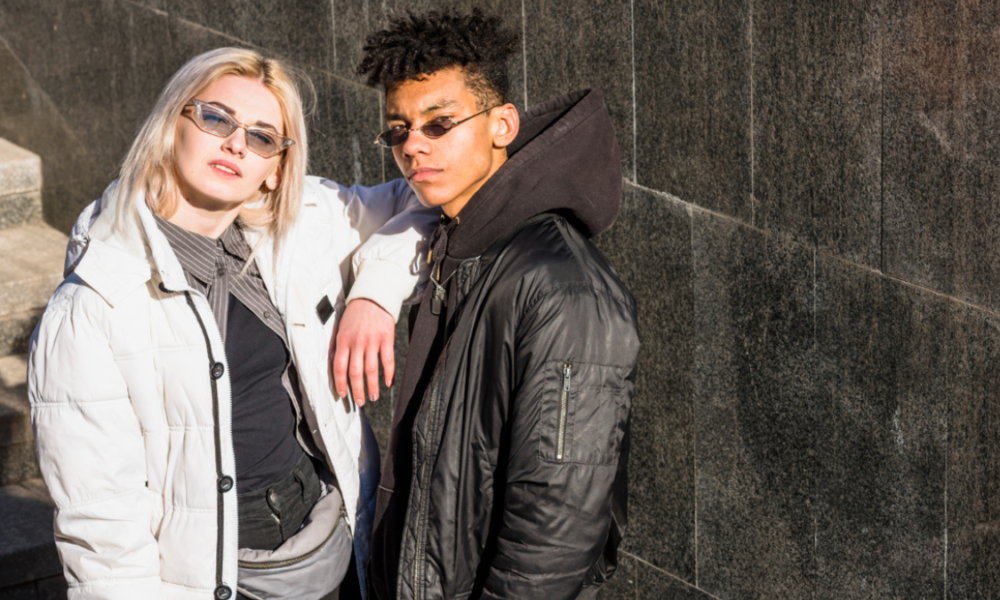
Streetwear continues to dominate cultural conversations, especially among Gen Z and millennials, largely because of its roots in music, art, and youth expression. Its appeal lies in its comfort, relatability, and ability to make bold personal statements. Oversized silhouettes, graphic-heavy designs, and sneaker culture remain central to streetwear trends in 2026, while the concept of “drop culture” keeps audiences engaged through limited releases and exclusivity. Social media platforms have further accelerated its growth, turning local brands into global sensations almost overnight. Search trends such as “streetwear trends 2026,” “oversized fashion,” and “sneaker culture India” highlight the massive digital traction this segment continues to generate.
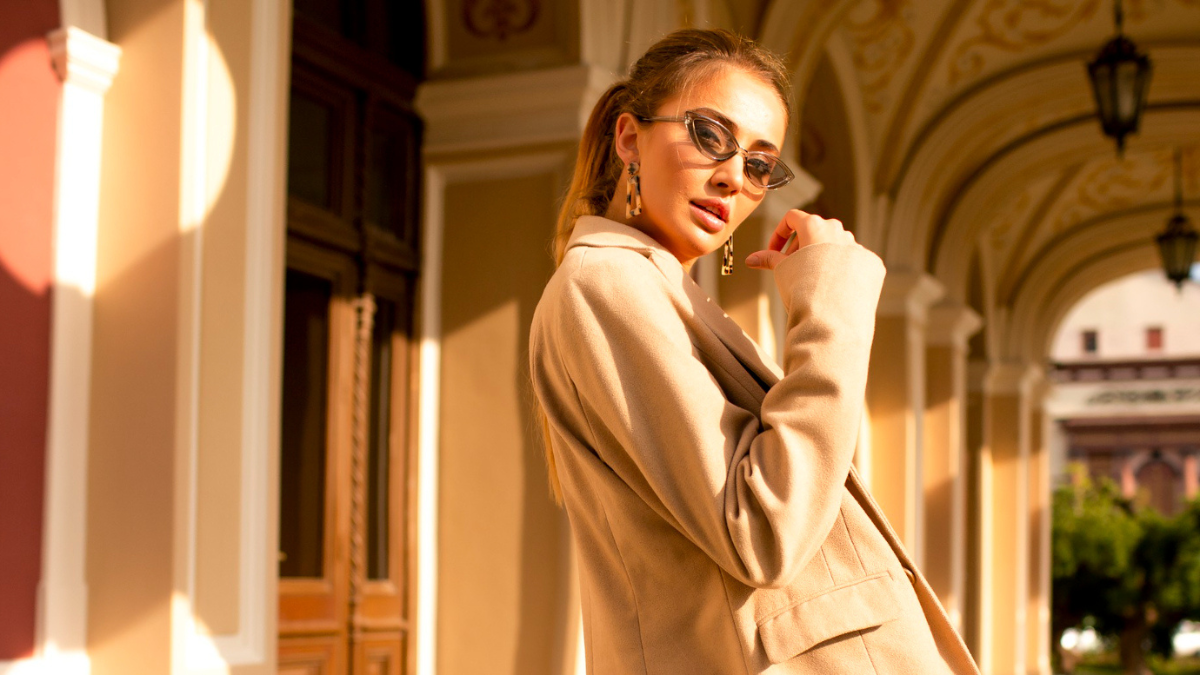
At the same time, luxury fashion has not only retained its relevance but has strategically evolved to align with changing consumer expectations. While craftsmanship, heritage, and exclusivity remain its core strengths, luxury brands are now integrating contemporary elements to stay culturally relevant. The aspirational value of owning luxury products continues to drive demand, particularly in emerging markets like India, where a growing affluent class is investing in premium fashion. Additionally, luxury brands are exploring digital innovation through virtual fashion shows, NFTs, and immersive online experiences, capturing the attention of tech-savvy consumers. Keywords like “luxury fashion trends 2026,” “sustainable luxury fashion,” and “digital luxury” are increasingly trending, reflecting this shift.
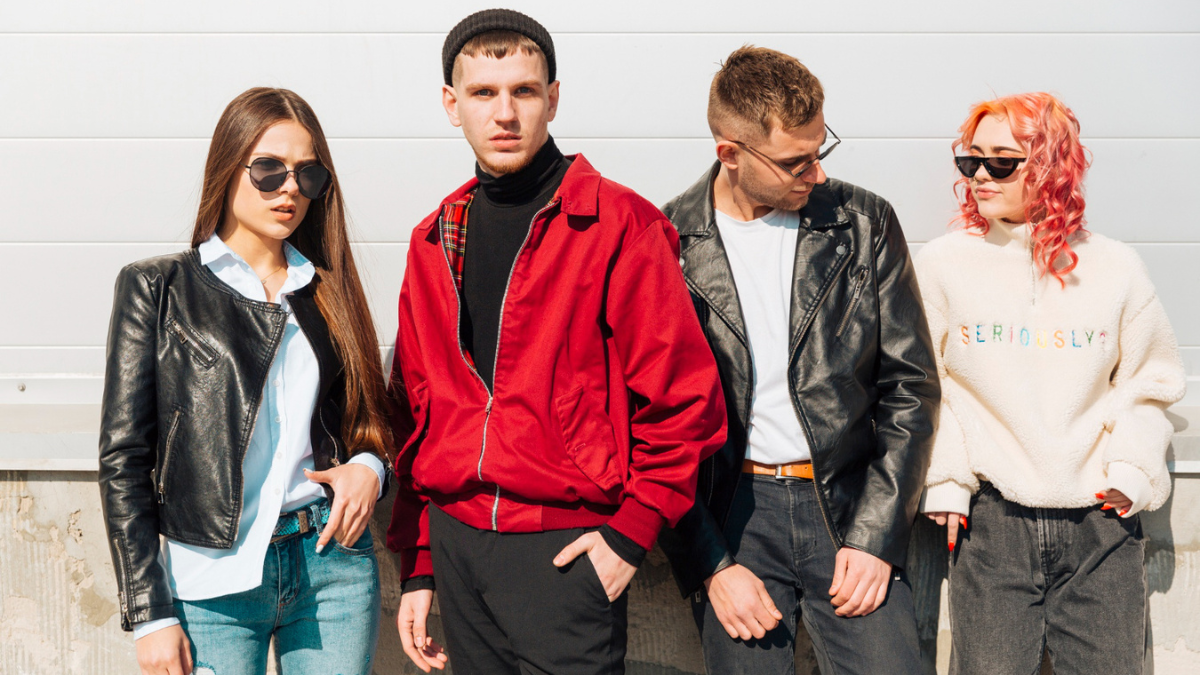
In reality, the question of which is winning luxury or streetwear does not have a straightforward answer. The true winner in 2026 is experience-driven fashion, where storytelling, exclusivity, and community engagement matter more than category labels. Consumers are drawn to brands that offer a sense of belonging and authenticity, whether through limited-edition drops or heritage craftsmanship. This shift has encouraged both luxury and streetwear brands to borrow from each other, creating collections that merge high-quality materials with casual, wearable designs. The success of this hybrid approach signals a deeper change in how fashion is consumed and perceived globally.
This evolution is particularly evident in India, where the fashion market is rapidly expanding and embracing both ends of the spectrum. Urban centers like Delhi, Mumbai, and Bangalore are witnessing a surge in homegrown streetwear brands, while luxury consumption is rising among young entrepreneurs, influencers, and high-net-worth individuals. Indian consumers are increasingly mixing styles, pairing luxury accessories with streetwear outfits, and redefining what modern fashion looks like. Search queries such as “best streetwear brands in India,” “luxury brands in India 2026,” and “Gen Z fashion trends India” indicate a growing appetite for both segments.
Ultimately, 2026 marks the era of convergence rather than competition. Streetwear brings speed, cultural relevance, and accessibility, while luxury offers legacy, craftsmanship, and aspiration. The brands that are truly winning are those that successfully merge these elements into a cohesive identity. As fashion continues to evolve, the focus will remain on innovation, sustainability, and personalization, ensuring that the line between luxury and streetwear becomes even more fluid in the years to come.

Pingback: Why Scorpio Is So Attractive And Hard to Handle